
Best 6 AI Diagnostic Tools for Veterinary Clinics

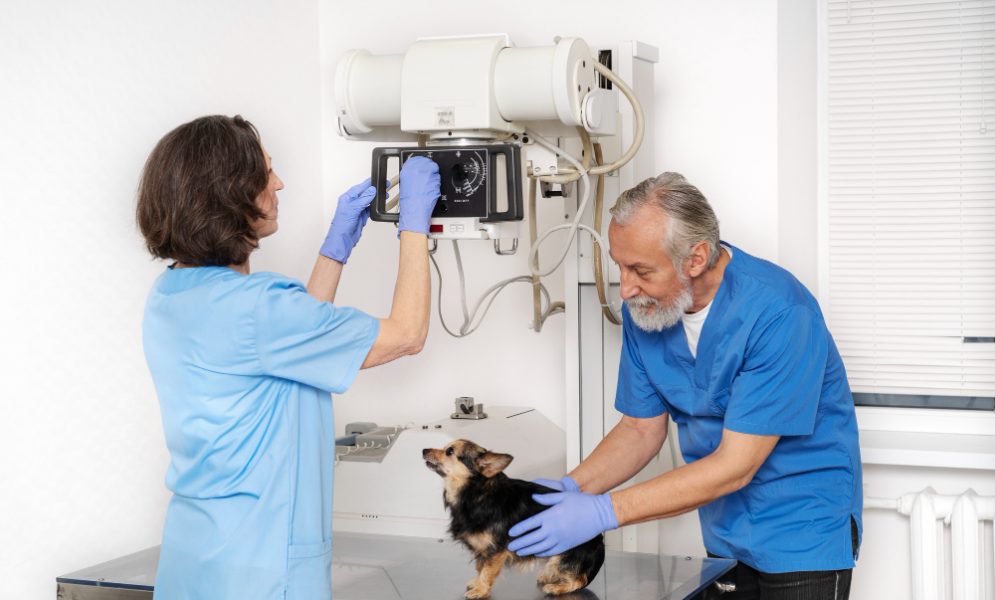
Veterinary medicine generates an enormous amount of information every day. Clinicians collect patient histories, perform physical examinations, review laboratory results, interpret imaging studies, document findings, develop treatment plans, and communicate recommendations to pet owners.
The challenge is not a lack of data. It is the growing complexity of managing and interpreting that information efficiently.
Artificial intelligence is helping veterinary teams address this challenge in new ways. While early conversations around AI often focused on radiology, the technology now supports a much broader range of diagnostic workflows. From image interpretation and pathology analysis to clinical documentation and decision support, AI-powered tools are helping practices streamline operations while improving access to diagnostic insights.
Why Diagnostic Workflows Are Becoming More Complex
Veterinary medicine has become increasingly sophisticated over the past decade.
Clinics have access to more diagnostic resources than ever before, including advanced imaging, laboratory testing, specialty consultations, digital records, and telemedicine services.
While these capabilities improve patient care, they also introduce new operational challenges.
More Diagnostic Data Per Patient
A single patient visit may generate:
- Radiographs
- Bloodwork
- Cytology results
- Clinical notes
- Treatment records
- Follow-up recommendations
Managing this information efficiently requires significant time and attention.
Increased Expectations From Pet Owners
Pet owners increasingly expect fast answers, clear communication, and timely treatment recommendations.
Diagnostic delays can impact both client satisfaction and workflow efficiency.
Staffing Challenges
Many veterinary clinics continue to experience staffing shortages and increasing workloads.
AI tools help automate repetitive processes that would otherwise consume valuable clinician time.
Greater Emphasis on Efficiency
As patient volumes grow, practices are seeking ways to improve operational efficiency without compromising quality of care.
Diagnostic AI is becoming one of the most promising solutions to this challenge.
Best AI Diagnostic Tools for Veterinary Clinics in 2026
1. SignalPET – Top AI Diagnostic Tool for Veterinary Clinics
SignalPET has become one of the most recognized AI diagnostic platforms in veterinary medicine by focusing specifically on imaging interpretation and radiology workflows. The platform uses artificial intelligence to analyze radiographic studies and generate diagnostic insights that help clinicians evaluate imaging findings more efficiently.
Unlike broader veterinary software systems, SignalPET is dedicated to solving one of the most time-sensitive areas of veterinary diagnostics: radiology interpretation. Its workflow is designed to help practices move rapidly from image acquisition to clinical action.
One of SignalPET’s most notable strengths is its emphasis on speed. Veterinary teams can receive imaging insights within minutes, helping support treatment decisions in both general practice and emergency settings. The platform also promotes consistency through standardized reporting, making findings easier to review and communicate across clinical teams. For clinics seeking an AI solution that directly impacts diagnostic imaging workflows, SignalPET remains one of the most advanced options available.
2. Zoetis Imagyst
Zoetis Imagyst takes a broader approach to veterinary diagnostics by applying artificial intelligence across multiple clinical disciplines.
Rather than focusing exclusively on radiology, Imagyst supports diagnostic workflows involving pathology, laboratory analysis, and imaging interpretation. The platform leverages machine learning to help clinicians analyze diagnostic information efficiently while maintaining access to expert review when needed. One of Imagyst’s strengths is its versatility. Veterinary teams can use the platform across multiple diagnostic categories rather than limiting AI to a single workflow.
As practices increasingly seek connected diagnostic environments, platforms like Imagyst demonstrate how AI can support broader clinical operations. The combination of diagnostic flexibility and workflow integration has helped establish Imagyst as a significant player in veterinary AI.
3. Vetology
Vetology combines artificial intelligence with teleradiology expertise to support veterinary imaging interpretation.
The platform provides tools that help clinics review radiographs efficiently while also facilitating collaboration with veterinary radiologists. This hybrid approach appeals to practices that want rapid access to imaging insights while maintaining specialist support for more complex cases.
Vetology’s strength lies in its ability to bridge technology and expertise. Many clinics face challenges related to radiology turnaround times. By combining AI with specialist resources, Vetology helps practices improve efficiency without sacrificing diagnostic depth. The platform’s imaging-focused approach makes it particularly valuable for practices where radiology plays a significant role in patient care.
4. VetRec
Veterinary diagnostics involve more than interpreting images and laboratory results. Documentation remains one of the largest administrative burdens in clinical practice.
VetRec addresses this challenge through AI-powered clinical note automation. The platform listens to veterinary consultations and helps generate medical records automatically, reducing time spent on documentation.
Veterinarians frequently spend hours each week completing records and administrative tasks. By automating note generation, VetRec helps free up time that can be redirected toward patient care and client communication. While not a diagnostic interpretation platform, its impact on diagnostic workflows can be significant because it reduces one of the most time-consuming aspects of clinical practice.
5. Scribenote
Scribenote focuses on simplifying veterinary documentation through artificial intelligence.
The platform is designed to capture clinical conversations and transform them into structured medical records. Documentation quality plays a critical role in diagnostics. Clear records help ensure continuity of care, improve communication, and support treatment planning.
One of Scribenote’s strengths is its simplicity. Veterinary teams often struggle to balance documentation requirements with patient care responsibilities. By reducing the effort required to create records, Scribenote helps improve operational efficiency across the practice. Its growing adoption highlights the expanding role of AI beyond traditional diagnostic interpretation.
6. CoVet
CoVet focuses on clinical decision support, helping veterinarians access relevant information more efficiently during patient care. Rather than analyzing images or generating notes, the platform assists clinicians by organizing information and supporting diagnostic reasoning.
This represents a different but increasingly important category of veterinary AI. One of CoVet’s primary advantages is its ability to help veterinarians navigate large amounts of clinical information.
As veterinary medicine becomes more complex, access to relevant knowledge at the point of care becomes increasingly valuable. Decision-support tools are likely to play an expanding role in future veterinary workflows, making platforms like CoVet an important part of the evolving AI landscape.
Which AI Categories Deliver the Fastest Operational Improvements?
Not all AI technologies create value in the same way.
Practices evaluating new tools should understand where the most immediate workflow improvements typically occur.
Imaging AI
Radiology remains one of the most mature applications of artificial intelligence in veterinary medicine.
Benefits often include:
- Faster image review
- Report automation
- Improved workflow efficiency
- Enhanced prioritization of urgent cases
Because imaging frequently influences treatment decisions, even small efficiency gains can have a meaningful impact.
Documentation AI
Documentation consumes a significant portion of veterinary time.
Automated note-generation platforms often provide some of the fastest operational improvements because they reduce repetitive administrative tasks.
Benefits may include:
- Less time spent typing records
- Improved consistency
- Better documentation quality
- More time for patient care
Diagnostic Analysis AI
Platforms that support pathology, laboratory testing, and diagnostic interpretation help clinics manage increasing volumes of data.
These tools can accelerate workflows while helping clinicians identify relevant findings more efficiently.
Clinical Decision Support
Decision-support systems are becoming increasingly valuable as veterinary medicine grows more complex.
Benefits often include:
- Faster access to information
- Improved workflow navigation
- Better utilization of available data
- Enhanced confidence in decision-making
Integrated Diagnostic Ecosystems
The greatest long-term value may come from platforms that connect multiple diagnostic workflows together.
Future systems will likely combine:
- Imaging
- Pathology
- Laboratory testing
- Documentation
- Decision support
into a unified experience.
The Future of Veterinary Diagnostics
Veterinary diagnostics are entering a period of rapid transformation.
Artificial intelligence is evolving from isolated software tools into broader clinical ecosystems capable of supporting multiple aspects of patient care.
Several trends are likely to shape the next phase of development.
Connected Diagnostic Platforms
Many practices currently use separate systems for imaging, records, laboratory testing, and communication.
Future platforms are expected to bring these workflows together, creating a more seamless clinical experience.
Multi-Modal AI
Rather than analyzing a single data source, future AI systems may evaluate:
- Radiographs
- Laboratory results
- Clinical notes
- Patient histories
- Treatment outcomes
simultaneously.
This broader context could support more comprehensive diagnostic assistance.
Enhanced Predictive Capabilities
As datasets expand, AI may become increasingly useful for identifying patterns associated with disease progression and treatment outcomes.
Predictive analytics could help clinicians identify risks earlier and make more proactive decisions.
Improved Collaboration
Artificial intelligence is likely to strengthen collaboration between:
- General practitioners
- Specialists
- Emergency clinicians
- Referral hospitals
by improving information sharing and standardization.
Greater Accessibility
Historically, advanced diagnostic resources have been concentrated in specialty centers.
AI has the potential to make sophisticated diagnostic support available to a wider range of practices, regardless of size or location.
FAQs
Yes. While radiology has become one of the most visible applications of veterinary AI, many tools now support pathology, laboratory analysis, documentation, workflow management, and clinical decision support. The technology is increasingly being used throughout the diagnostic process, helping practices improve efficiency in multiple areas rather than focusing on a single workflow.
The answer depends on the clinic’s workflow. Imaging AI often reduces radiology turnaround times, while documentation platforms can significantly decrease administrative workload. Many practices find that note-generation tools provide immediate time savings, while imaging and diagnostic analysis platforms improve efficiency in clinical decision-making and patient management.
Absolutely. Most veterinary AI tools are designed to function as support systems rather than autonomous decision-makers. They help organize information, identify patterns, generate reports, and surface relevant insights. Veterinarians remain responsible for interpreting findings, considering patient context, and making final clinical decisions based on their professional expertise.
Many AI solutions are designed specifically to help clinics with limited resources access advanced diagnostic support. Smaller practices often benefit from improved efficiency, faster access to information, and workflow automation that would otherwise require additional staffing. As adoption increases, AI is becoming accessible to clinics of many different sizes and specialties.
Different AI tools often address different parts of the clinical workflow. One platform may assist with imaging interpretation, while another supports documentation or decision-making. When integrated effectively, these systems can complement each other and create a more streamlined diagnostic environment without requiring major workflow changes.
No. General practices, urgent care clinics, emergency hospitals, and specialty centers can all benefit from AI-assisted workflows. While referral hospitals may use advanced imaging and specialist-focused tools, many AI platforms are designed to improve everyday clinical operations across a broad range of veterinary environments.
Practices should evaluate workflow compatibility, ease of use, integration capabilities, diagnostic value, and long-term scalability. The best solutions support existing clinical processes rather than introducing unnecessary complexity. Clinics should also consider how the technology aligns with their patient volume, staffing structure, and diagnostic priorities.
Share





Leave A Comment