
The Hydration Habit That Could Slow Kidney Disease in Cats

Most cats live below their daily hydration line, and you’d barely notice.
The bowl in the corner looks full, and your cat seems fine, but the slow drip of dehydration is one of the leading causes of kidney disease in cats as they age.
The fix sits in front of you, and it’s smaller than you think. Acute kidney failure in cats happens due to a sudden and consistent decrease in glomerular filtration rate.
The main reason behind this is renal ischemia. This generally happens due to hypotension, shock, and hypovolemia.
In addition to this, several other things like hypercalcemia, leptospirosis, pyelonephritis, diabetes mellitus, and urinary obstruction can also cause kidney failure.
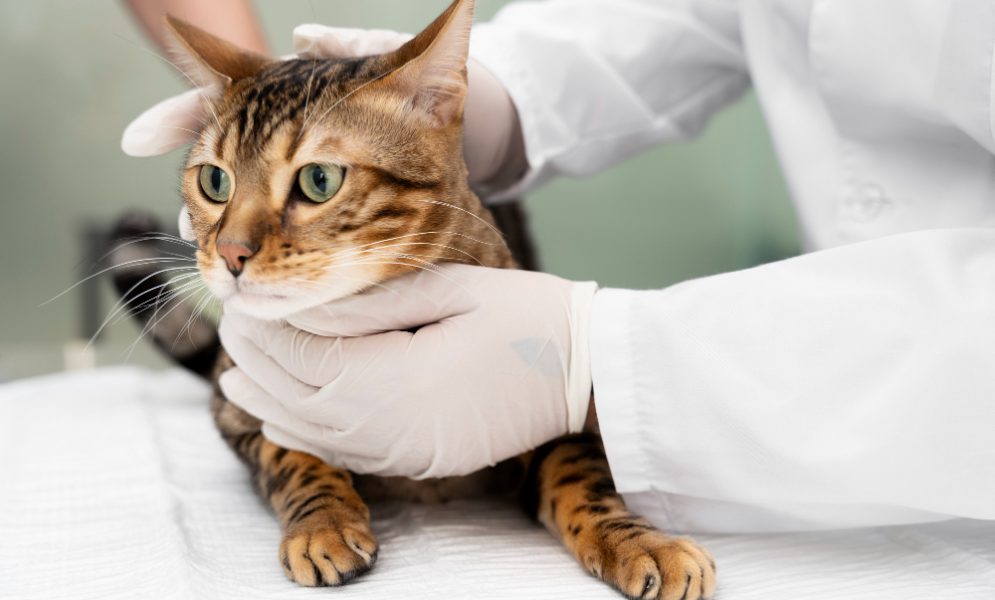
Most signs of kidney disease in cats start gradually and progress rapidly. Thus, in such situations, it is important to seek veterinary care as soon as possible.
What Should We Keep In Mind About Kidney Disease In Cats?
There are multiple things that we should keep in mind about Kidney Disease in Cats. It happens to different cats for various reasons at different life stages.
1. Why CKD Hits So Many Older Cats?
Kidney disease creeps up on cats. Their kidneys have a generous backup capacity, which sounds reassuring until you realize it means your cat can lose more than half of it before showing any sign.
By the time bloodwork flags something off, most of the damage is already done. Roughly a third of cats over ten develop chronic kidney disease, and the figure climbs sharply with age.
The good news is that hydration is one of the few things you control daily, and it’s one of the few that genuinely moves the needle.
Kidney Disease in Cats generally happens to elderly cats due to the day-to-day wear and tear of the organs.
In addition, the cat also develops several other conditions, such as blood sugar and others. Thu, this also harms the cat’s kidneys.
2. How Low Water Intake Wears Down Kidneys?
When your cat drinks too little, the kidneys work harder to concentrate urine, and that extra workload chips away at the tiny filtering units inside them.
Cats descend from desert ancestors with a famously weak thirst drive. They were built to get most of their water from prey, not from a bowl.
Drop a bowl of kibble in front of that biology, and you’ve created a hydration deficit by default.
Hence, the cats go through a lifelong slow process of mild dehydration. This severely affects the kidneys. The stress on the kidneys of the cat remains ongoing throughout their life.
Every extra milliliter your cat drinks throughout the day takes a bit of pressure off.
3. Why Your Cat Walks Past the Bowl?
Three honest reasons explain why your cat under-drinks from the bowl on the floor. The first is whisker fatigue.
Narrow bowls press against the whisker pads, and many cats walk away rather than deal with it.
The second is taste. Standing water grows a fine film within hours, and your cat’s nose picks that up long before you do.
The third is location. Cats instinctively avoid drinking near food or litter, and most homes put the bowl in exactly one of those spots.
Solve the three, and your cat usually drinks more without any other change. The body of a cat is designed to obtain water from the prey instead of getting it from a bowl.
4. Why A Quiet, Filtered Fountain Changes Everything
A well-designed stainless steel cat water fountain from KittySpout solves all three problems in one piece of kit. The wide stainless basin keeps your cat’s whiskers happy.
The carbon filter removes chlorine and the dusty particles that keep your cat from drinking still water.
Stainless steel matters more than most fountains let on. Stainless steel remains more hygienic than plastic.
Plastic accumulates tiny surface scratches that trap bacteria and have been linked to feline chin acne, whereas stainless steel stays clean and doesn’t pick up odors.
Cats with access to flowing water drink noticeably more throughout the day. For a kidney-vulnerable cat, that small margin compounds into real protection over the years.
5. What Vets Look For (and What You Can Watch At Home)?
Your vet has four main markers for catching kidney trouble early. Urine specific gravity tells them how concentrated your cat’s pee is.
BUN and creatinine are blood values that rise once the kidneys are already struggling.
SDMA is the newer test and the most useful, picking up early changes that older markers miss.
At home, you don’t need lab equipment. Moreover, you should look out for three major signs.
Hence, these three signs are worth watching, including things like the water bowl level dropping noticeably less than usual.
In addition to this, your cat’s gums can feel sticky rather than slick, and there may be a sudden shift in how often or how much they’re peeing.
Spot two of those together and book a vet check.
6. Daily Habits That Stack The Odds For You
Hydration habits stack. Set out two or three water stations across the house, away from food and well clear of the litter tray.
Bump wet food up to at least half your cat’s daily ration if your vet’s on board. Tinned and pouched food carries around 75% moisture, whereas dry kibble sits closer to 10%.
That’s a huge swing in daily water intake without your cat changing a single drinking habit.
Keep the water at room temperature, and clean the fountain weekly. Rinse the pump, swap the filter on schedule, and the water stays as fresh as your cat expects.
A fountain that’s stainless, quiet, and well-filtered makes the daily habit easy to keep up, and KittySpout is one of the few designs built around all three at once.
If your cat already has a CKD diagnosis, pair better hydration with the monitoring schedule your vet lays out.
Better water access isn’t a cure for kidney disease, but it’s one of the few daily things you can do that genuinely compounds.
What Should Every Cat Parent Keep In Mind About Kidney Disease In Cats?
Chronic Kidney Disease in Cats generally develops quite gradually. However, it increases rapidly. Congenital or acquired nephropathy often triggers these types of conditions.
Several things, like cancer, trauma, infection, and others, can cause issues like Kidney Disease in Cats.
In addition to this often exposure to toxic components or ingestion of toxic substances can also cause kidney disease in Cats.
Cats should not ingest flowers like lilies. This can terribly affect the kidneys of a cat. Cat parents should always bring cat-friendly flowers to their home.Hence, they should avoid the flowers that are toxic to cats.
Share






Leave A Comment