
Ways of Storing Seasonal Pet Supplies with Ease


If you have pets, it’s easy to understand just how fast pet supplies can get stored away in your home—particularly seasonal accessories that are worn only for a couple of months out of the year.
From winter booties to cooling vests for summer, holiday costumes to flea medication, the number of seasonal pet supplies can mount rapidly.
The good news is that a little bit of intelligent planning makes a huge difference. With an investment in quality storage units and an organized installation designed especially with your lifestyle in mind.
You can keep your home clean and have your pet supplies at easy reach when you need them. Following is a step-by-step guide on how to store pet seasonal supplies easily.
Why Storage Solutions For Pet Supplies Matter?
Before we get into the nitty-gritty of the steps, let’s see why organizing seasonal pet supply is a must:
- Efficiency: Saves your time wasted looking for them.
- Hygiene: Keeps it clean, dry, and pest-free status.
- Space-saving: Cleans, organizes, and de-clutters your living spaces.
- Preparedness: Enables easy transition from one season to another (e.g., summer-to-winter).
- Longevity: Proper storage for your pet’s toys, clothing, grooming accessories, and food.
Storage Solutions For Pet Supplies

Following are smart, functional pet storage solutions for seasonal pet foodstuff that may be used by canines, felines, bunnies, birds, etc.
1. Store Pet Food in Airtight Containers
Seasonal food items, i.e., winter weight management kibble or summer hydration-fueled wet food, must be stored.
- Select containers of stainless steel or BPA-free plastic with a tight closure.
- Pet or season marking—this is convenient particularly in households with multiple pets.
- Stacking containers to conserve space.
- Wheels on the bottom to facilitate easy carting from pantry, kitchen, or feeding area.
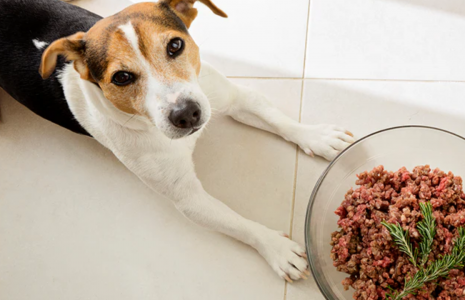
Bonus Tip: For raw feeders, keep frozen meats in a designated freezer drawer with bins to separate by type or by season (e.g., cooling meats for hot weather such as rabbit or duck).
2. Designate a Pet Closet
Reuse an empty closet or part of a hallway closet as a seasonal pet storage center.
- Mount adjustable shelving to fit items of various sizes.
- Utilize baskets or fabric bins and label them with phrases such as “Winter Gear,” “Summer Supplies,” “Medications,” “Holiday Attire,” etc.
- Mount hooks to hold leashes, harnesses, costumes, and traveling cases.
- Store medications appropriately in a labeled plastic container away from pet.
If you can’t devote an entire closet, repurposed cabinet or utility cart will serve you well.
3. Create an Entryway Command Center
Ideal for dog owners who walk their dogs often, hike with them, or take them on car rides often.
- Put up wall hooks for seasonal leashes, safety vests, and jackets.
- Include a shoe rack or low shelf to store boots, paw wipes, or travel bowls.
- Keep doggy bags, towels, and seasonal accessories** in labeled bins by use (“Rainy Day Gear,” “Snow Supplies”).
This command center is perfect for grabbing what you need and go, and stashing it away neat afterwards.
4. Keep Litter Supplies Contained
If you own small mammals or are a cat lover, litter supplies can become a magnet for mess if not contained.
- Keep the litter liners, scoopers, deodorants, gloves, and cleaning sprays in a 3-drawer storage unit.
- Store season-specific mats (e.g., mud-catch mats for monsoon) upright at the back of the unit.
- Store bulk litter bags in a sealed tote with scoopers clipped inside the lid.
If it exists, take over a laundry or bathroom nook as a cat-care area, with a wall shelf for the changing seasons’ grooming aids and vet files.
5. Rotate Toy Bins Seasonally
Animals crave novelty, and toy rotation not only keeps them engaged but also minimizes clutter.
- Categorize toys by type or by season: winter indoor playtime soft ones, summer outdoor tough toys, and holiday toys.
- Use mesh laundry bags or air-permeable fabric bins to keep odors from building up.
- Sanitize and clean old toys at the end of every season before putting them away
Store previous toys in a dated box with note of date last used or rotation date, so no one gets lost or forgotten for too long.
6. Make Grooming Supplies Portable
Your dog or cat needs grooming differently throughout the year, particularly with shed season, rainy days, or winter cold.
- Use a portable caddy or tackle box to store brushes, nail clippers, wipes, and scissors.
- Organize by purpose or season—spring de-shedding tools for the spring, paw balm and protectants for fur in the winter.
- Store this caddy in the closet, bathroom, or under the sink, and replace monthly according to season.
Bonus Tip: Include a mini-towel, gloves, and lint roller for multi-purposes in the kit.
Additional Tips for Easy Access
To make the most of your storage system, incorporate the following habits.
1. Label Everything Clearly
Large, readable labels on every bin, drawer, or basket. Color-coded labeling by season:
- Blue: Winter
- Yellow: Summer
- Green: Spring
- Red: Holidays/Festive
2. Choose Vertical Storage
Shelves or cubbies stacked in small rooms or empty corners. A hanging organizer or vertical shoe rack conserves floor space without sacrificing visibility.
3. Use Clear Containers
Shallow, unfilled bins allow for quick access. Employ shatterproof plastic bins with snap lids for closets, under-bed storage, or garage shelving.
When your home lacks enough storage space, partnering with trusted providers like NSA Storage offers secure, climate-controlled units designed to keep your seasonal pet supplies in excellent condition.
4. Purge and Restock Regularly
Every season, take a few minutes:
- Removing expired food, medication, and grooming supplies
- Donating used toys or equipment your pet has outgrown
- Airing out and cleaning stored equipment before using it
5. Store by Frequency of Use
Put daily essentials—such as leashes, collars, or poop bags—within easy reach, and less frequently used seasonal items higher up or in the back of storage.
6. Have a Seasonal Checklist
Make a paper or computer checklist of what to retain, get rid of, and change per season. The divisions to have are:
- Grooming materials
- Medications
- Toys
- Clothing
- Bedding
- Travel gear
- Treats and food
The Importance of Storage
Having seasonal storage solutions for pet supplies at the ready isn’t about breaking the bank for fancy furniture like a patio set or renovating your house—it’s about creating systems that function according to your lifestyle and pet’s needs.
From having food fresh in airtight containers, storing toys seasonally, or having a pet closet installed, small steps can go a long way.
With organization, your home is tidy, your pet’s belongings are new and ready to use, and you conserve time and effort with each seasonal transition. Introduce organization into your life today—for a tidier home and happier pet tomorrow.
Up next…
Share







Leave A Comment