
When Should You Consider Adding A Weight Gainer To Your Dog’s Diet?

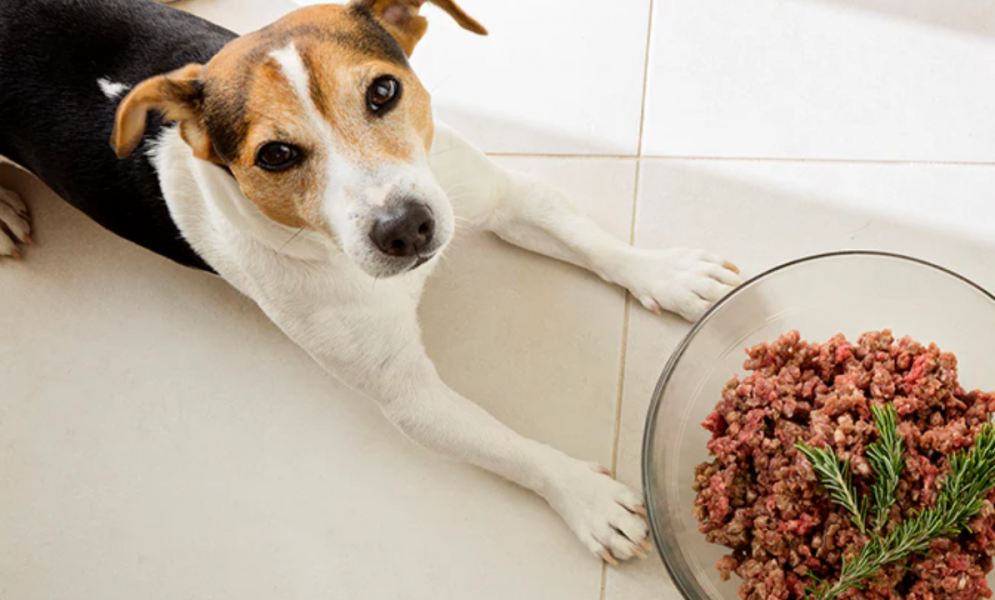
As a famous health drink campaign says, filling the stomach of your child is easy, but ensuring proper nutrition is not.
It is also true for your dog.
You have to feed them to support their body through every stage of their life.
Furthermore, for many pet caretakers, there is a gap in the idea about the right nutritious food for dogs.
The food you give to them can be so-called “high quality,” but may not be the right choice.
Why?
Their nutritional needs keep changing over time. Particularly, the following factors are very crucial when deciding the right food or diet for them.
- Weight
- Muscle Retention
- Strength.
Moreover, in many cases, a dog can benefit from additional nutritional support.
First of all, every dog has different activity levels, and as they start ageing, their appetite changes.
Also, when a dog is in the recovery period after prolonged illness or injury, they may not have an appetite due to internal changes or limited activities.
But how to understand when to use weight gainer for dogs? Here are the details.
When To Use Weight Gainer For Dogs?
Maintaining the condition and nutrition of your dog is an ongoing process.
So, you have to consider the right nutritional approach, consider whether the dog is ageing, recovering, very active, or simply needs some extra nutritional support.
Furthermore, you have to assess the muscle strength and overall condition of the dog to decide when to use weight gainer for dogs.
Deciding on the diet of your dog is not a one-time process. So, under any circumstance, the weight of the dog cannot be the single determining factor.
Overall, you have to make sure that your dog stays active and comfortable throughout every stage of life.
1. Understanding Condition Vs Weight
The weighing machine does not tell the entire story about your dog’s health. The body condition is a more important factor.
Furthermore, body condition means the right balance of fat and muscle.
The overall weight of a dog can be fine even when it is losing muscle mass. It is especially common when dogs age, and over time, this can lead to the following conditions.
- Reduced strength
- Lower energy levels
- Increased strain on joints
- Greater risk of injury
Maintaining muscle mass is important not just for movement but for the overall well-being of your dog.
2. The Impact Of Ageing On Your Dog’s Body
Changes are common when your dog starts ageing. The metabolism becomes slow, and the appetite will fluctuate.
These changes can really impact their muscles, and even with a consistent diet, there can be a deterioration in their body condition.
As a result, the dog can face problems in mobility, flexibility, balance, and coordination.
Also, there can be a lack of confidence in movement.
Furthermore, they will take longer to recover from activities.
You will especially notice that the older dogs become less active, and this can further cause muscle loss.
Supporting their condition through nutrition becomes increasingly important to help them stay comfortable and active for as long as possible.
3. Recovery From Illness Or Surgery
Has your dog been ill for some time? It will impact their body massively.
A dog becomes weak when there is a reduced appetite for a few days, and the weight loss is noticeable.
Furthermore, recovery does not mean getting back to what you consider normal. You have to help the dog to rebuild its strength and restore the muscle mass it has lost.
Similarly, when a dog has undergone surgery, it will need ample rest. This is essential for healing.
Now, this resting period or the period of inactivity can cause muscle loss. This is when your dog needs additional nutritional support.
The additional nutritional support is important to:
- Restore energy levels
- Encourage appetite
- Support tissue repair
- Rebuild muscle gradually
4. Active Dogs And Increased Demands
Not all dogs lose condition due to age or illness.
Some simply burn more energy than they consume. Working dogs, sporting breeds, and highly active pets often require more nutritional support than standard feeding guidelines provide.
In these cases, maintaining weight and muscle is essential for:
- Sustained performance
- Injury prevention
- Faster recovery after activity
- Long-term joint health
A targeted approach to nutrition can help meet these higher demands without overfeeding or relying on large meal portions.
Where Supplementation Fits In
There are times when increasing food alone isn’t practical or effective. Some dogs won’t eat larger meals, while others may struggle to digest them comfortably. This is where a more concentrated approach can be helpful.
Adding a weight gainer for dogs to your dog’s regular meals can provide extra nutritional support in a manageable way. Rather than increasing volume, it allows you to enhance what your dog is already eating.
This can be particularly useful for:
- Dogs with reduced appetite
- Dogs that are fussy or inconsistent eaters
- Also, dogs that need gradual, controlled weight gain
- Dogs requiring additional support during recovery
The goal isn’t rapid weight gain, but steady improvement in condition and strength.
1. Preventing Problems Before They Start
One of the biggest advantages of supporting your dog’s condition early is prevention. Dogs with good muscle tone and stable weight are generally better equipped to handle physical stress, whether that’s daily activity or unexpected strain.
Strong muscles help:
- Stabilise joints
- Reduce the risk of strains and injuries
- Improve overall movement efficiency
- Support long-term mobility
Taking a proactive approach to nutrition can help reduce the likelihood of future issues, rather than reacting once problems arise.
2. Appetite And Feeding Challenges
Some dogs are naturally enthusiastic eaters, while others are not. Appetite can vary due to age, stress, environment, or health. When intake becomes inconsistent, it can be difficult to ensure your dog is getting everything they need.
In these situations, enhancing meals with additional nutrients can help bridge the gap. The key is to support intake without overwhelming the dog or drastically changing their feeding routine.
Ensuring A Balanced Approach To Support
It’s important to remember that supplementation should complement, not replace, a balanced diet. Every dog is different, and their needs will vary depending on their age, lifestyle, and overall health.
Before deciding when to use weight gainer for dogs, it’s always sensible to consider your dog’s individual circumstances and, where necessary, seek professional advice.
Share








Leave A Comment