
Can Cats Eat Carrots? How Can You Safely Serve Them Carrots?

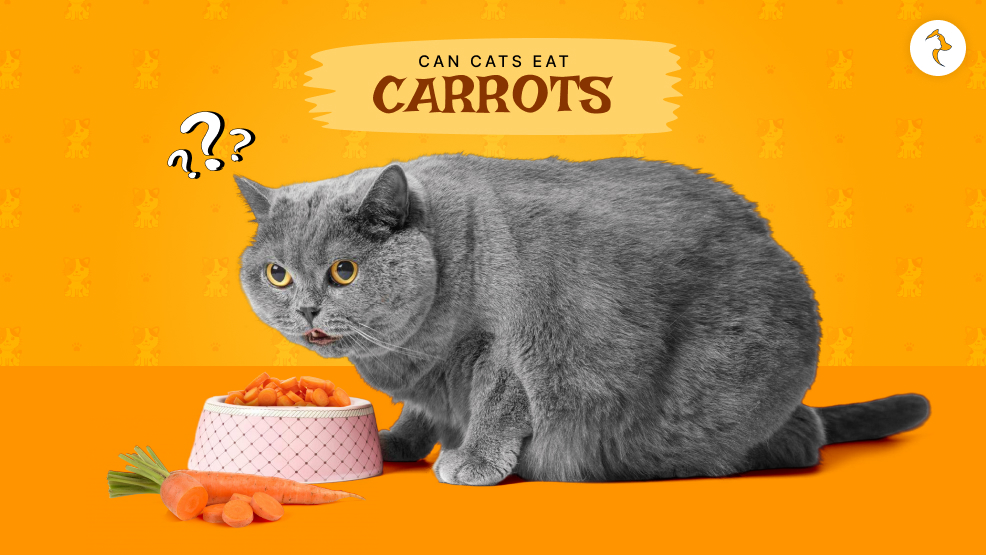
Cats are carnivorous animals, and they survive on meat. However, you can add a little bit of vegetables to their diet for diversity. Their primary diet is meat, but that does not mean you cannot give them veggies at all.
You might want to experiment with their diet a bit, and that is where questions come in. Can cats eat mushrooms, or can they have sausages? But can cats eat carrots?
Well, you can give your feline baby carrots, but it is not without benefits and some risks. Let’s find out.
Can Cats Eat Carrots? Is It Safe For Them?
In an interview with Rover.com, Dr. Katherine Oakes, who is a Clinical Nutrition Intern at the Veterinary Health Centre at Kansas State University, said, “Obligate carnivore simply means that cats require protein and cannot live on a vegetarian diet alone“.
She further added, “Many cat foods contain carrots and other vegetables.” So, it is safe to say that Cats can have carrots. Carrots are safe for cats and not at all toxic. However, they should be given as an occasional treat.
Also, if you are giving them a diet approved by the Association of American Feed Control Officials, then their nutritional needs are met by their normal cat food.
Their regular diet should meet 90% of the calories, and the other 10% should contain treats, including carrots.
What Are The Health Benefits Of Carrots For Cats?
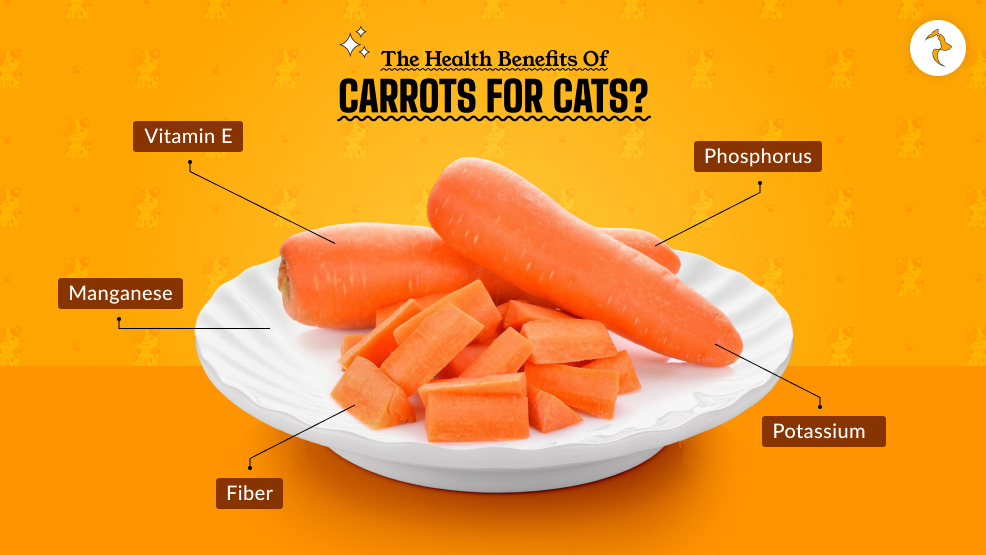
Carrots are rich in nutrients, and there are various benefits of giving your cats carrots. What are the health benefits of carrots for cats? Let’s take a look at the nutritional values that it provides.
It is rich in fibre, vitamin K1, zinc, vitamin E, vitamin A, potassium, magnesium, phosphorus, and manganese. Moreover, it has beta-carotene. Here is a list of micronutrients that carrot has.
- Calories: 41
- Protein: 0.9 g
- Carbs: 9.6 g
- Water: 88%
- Fat: 0.2 g
- Sugar: 4.7 g
- Fibre: 2.8 g
Everything adds up to around 100 grams of micronutrients. Also, here are some of the benefits of the nutrients that carrots contain.
- Vitamin E is an antioxidant, and vitamin K helps with blood clotting.
- Magnesium assists with bowel functions and urinary tract health.
- Fibre promotes healthy bowel movements and regulates the digestive system as well.
- Phosphorus plays an important role in tooth formation and bone health. Moreover, it maintains a healthy energy level as well.
- Potassium helps with heart functions and helps regulate nerves and muscles.
Carrots have beta carotene, which converts into vitamin A in some animals. However, this is not the case with cats. So, carrots will not provide them with the required amount of vitamin A. You need to stick to a regular diet for that.
How To Serve Carrots?
Can cats have carrots? Well, yes, they can. But it is best not to give them raw carrots. So, the common question comes here: “How should I prepare carrots for my cat?”
Can cats eat carrots raw? You can give them carrots in small quantities. However, it is best always to cook and slice the carrots to prevent choking. This also reduces any chance of indigestion.
Before we get to the cooking part, you need to know that when you are introducing carrots to their diet, you have to monitor for any allergic reactions and gastrointestinal issues like vomiting and diarrhea. Here is how you can prepare carrots for your feline friend.
Step 1: Preparation
Before you start the cooking process, you have to ensure that you always wash and feel those. This removes any residual pesticides and dirt from the carrots. This is a necessary step, and you cannot avoid it at any cost.
Step 2: Cooking
Can cats eat carrots boiled? Yes, you can boil, steam, and bake carrots for your cat to make them soft and easy for them to chew. Cooking it makes it digestible.
However, ensure that you don’t add any spice, oil, or seasoning to the carrots that you cook for them. Also, there are some seasonings like onion and garlic powder, which are highly toxic and dangerous for cats.
Step 3: Serving
This is the last step. After you are done with the cooking part, you need to cut it into small pieces to make it easier for them to chew. This helps with digestion and also reduces any chance of choking.
Why Should You Not Give Them Raw Carrots?
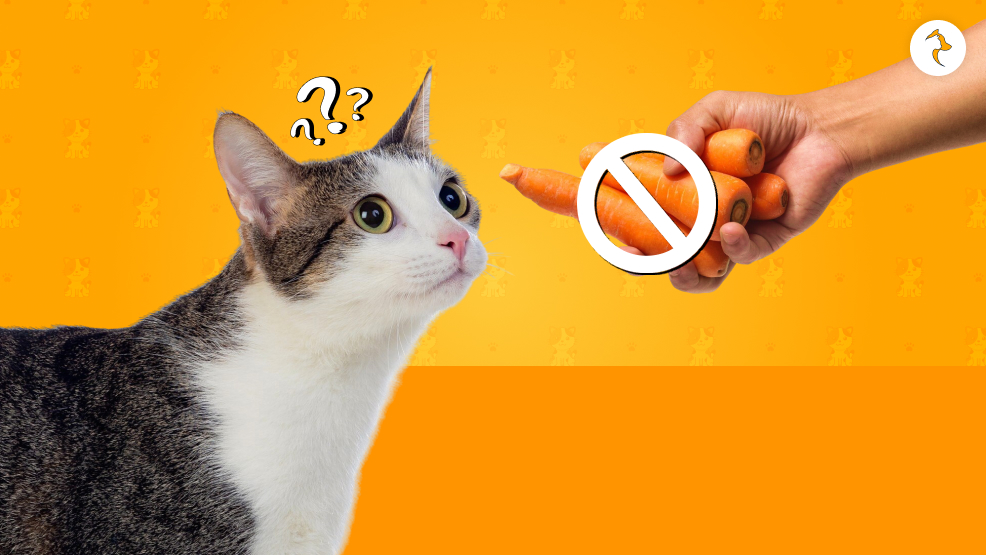
Can my cat eat raw carrots? They can, but it is generally not recommended. It poses choking hazards if not grated finely or diced into very small pieces. So, it is better to make things easy and simple for them.
Even though you can try to make them some carryout juice, along with reducing choking hazards, it eliminates the fibres through the pulp that is squeezed out.
But the sugar content remains the same. So, if you thought of serving them without juice, you are robbing them of the nutrients.
Can Kittens Eat Carrots?
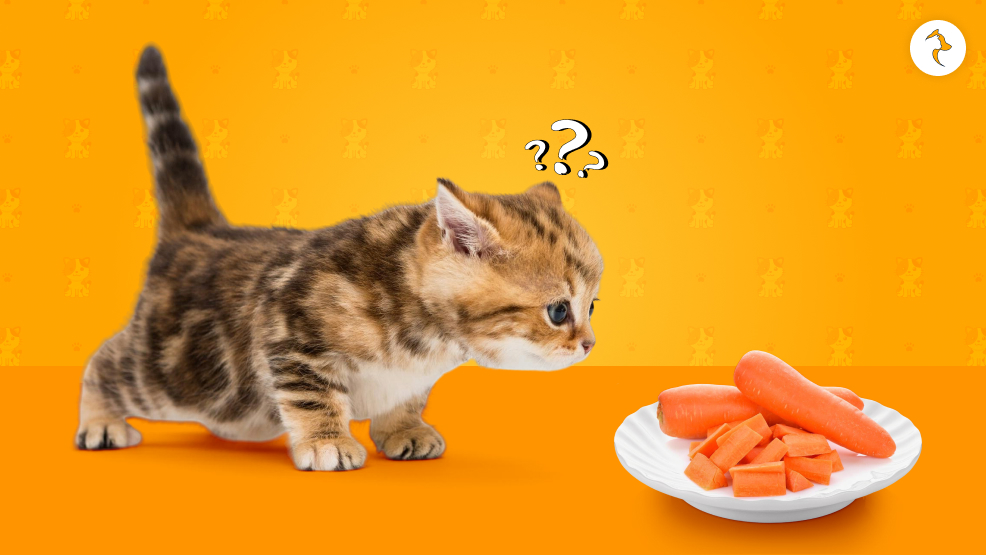
Giving kittens a small amount of carrots is not very harmful, but it is best to keep them off it and stick to their regular formulated food, which they require for their developing system.
Their food should contain a higher amount of meat protein and not adult formulations. Some people ask, Can kittens have adult food? Well, no.
If discussing wet vs dry cat food, you should consider giving them wet cat food till they reach six to seven weeks of age. The higher moisture content in wet food ensures that they get an adequate amount of water.
Risks And Considerations
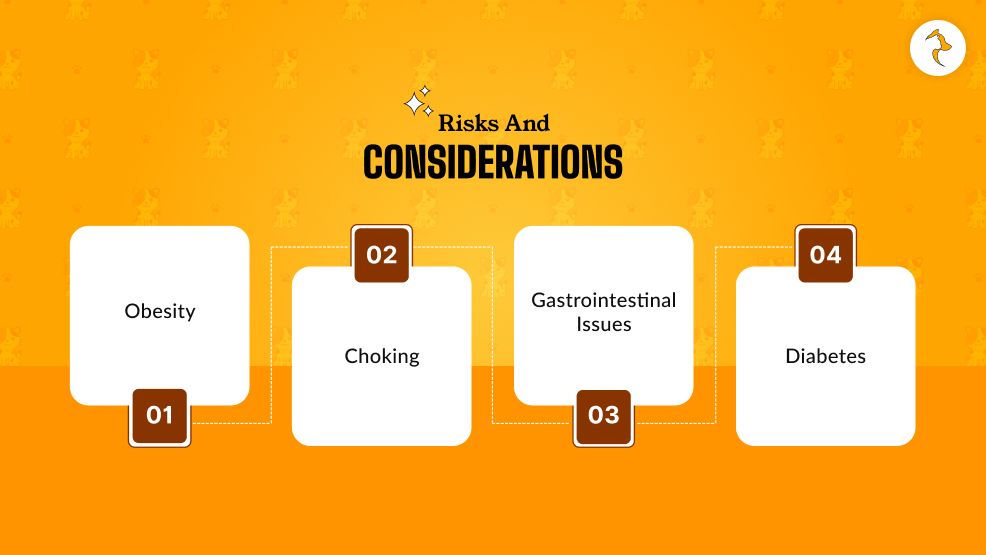
Can cats have carrots? They can, but there are some risks as well. If you take a look at their diet, it should not have more than 3% of carbs. Can cats eat carrots every day? No. If your cat has a knack for carrots, you can add them to their meal once in a few weeks.
Also, the amount should not exceed 5 grams in a day. Here are some of the common risks associated with the consumption of carrots in cats:
- Obesity
- Choking
- Gastrointestinal issues
- Diabetes
If your cat already has diabetes, it is best to consult a veterinarian before you introduce it to their diet.
Frequently Asked Questions
Here are some of the common questions people ask while discussing whether cats can have carrots.
Cats do not have the taste buds for sweetness. They do not taste anything similar to them as humans. Cats generally like carrots because of the texture, smell, and colour.
Carrots can be harmful for diabetic cats. A small amount of cooked carrots is okay for healthy cats; it is rich in sugar and carbs, which can be detrimental for a diabetic cat.
Excessive carrot consumption can upset their stomach. You can give it to them as an occasional treat, but they are obligate carnivores and will not be able to digest a high amount of plant matter
Not all cats are crazy about carrots. But some like it because of its smell and texture. Moreover, some find it similar to other stimulating plants like catnip.
Carrots are one of the vegetables that cats can eat. However, some of the other vegetables they can have are cucumbers, broccoli, and cauliflower. Ensure that you do not give them too much of it.
There are some veggies that you need to consciously avoid. Onion, garlic, wild mushrooms, chives, leeks, avocado, and unripe tomatoes are toxic to them. Moreover, canned vegetables also contain seasonings and added salt, which you should avoid.
Share






Leave A Comment