
All You Need To Know About Ragdoll Kittens and Cats: Do They Make Good Pets?

If there is something or someone that everybody needs in their lives, then it is a pet animal. These domestic animals become our best friends and leave a lasting impact on our lives and hearts long after they are gone.
Several options are available if you think about adopting a pet animal. Some prefer dogs, while some prefer cats. Since I am a cat parent myself, I can only talk and advise you about getting cats as pets.
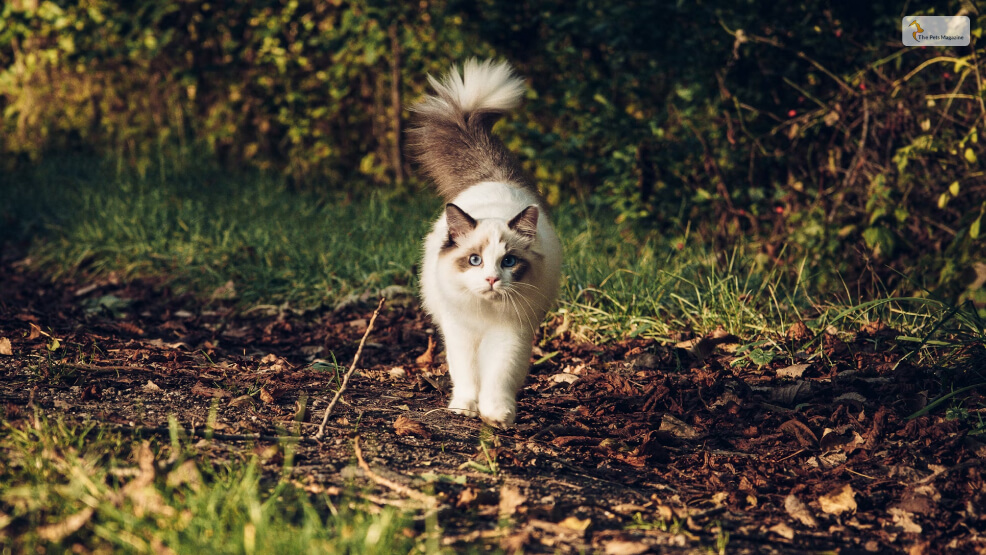
But not just cats in general; I will talk specifically about ragdoll kittens and cats. This particular breed is often called “dog-like cats” or “puppy-like cats.” The reason is that ragdoll kittens just love to be held and cuddled and follow their owners around.
The Ragdoll Cats are generally very friendly and docile. Hence, the cat breed has a good temperament towards both families and individuals.
They generally tend to have a laid-back nature. Thus, they make great companions for people. These cats require attention from their owners as they love to spend their time around people.
Hence, they are the perfect choice for someone who loves dogs but can’t have one due to their living situations or health issues or is looking for a pet to cuddle with. So lets see if the Ragdoll cat is for you.
Let’s Talk About Ragdoll Cats!
Take a look at the table below to learn some of the most important facts about Ragdoll kittens:
| Category | Description |
| Breed Name | Ragdoll |
| Origin | California, United States |
| Lifespan | 12-17 years |
| Length | 17-21 inches (excluding tail) |
| Weight | Males: 15-20 pounds, Females: 10-15 pounds |
| Coat Color, Pattern and Length | Long, silky coat; Patterns include colorpoint, mitted, and bicolor; Colors include seal, blue, chocolate, lilac, red, and cream |
| Eye Color | Blue |
| Temperament | Affectionate, gentle, and sociable; often described as “puppy-like” |
| Grooming Needs | Moderate regular brushing to prevent matting |
If you have been looking for one of the most affectionate and family-friendly cats to pet, then look no further, as we have a solution for you. Try adopting a ragdoll kitten, and thank us later.
1. Ragdoll Kittens size and Appearance
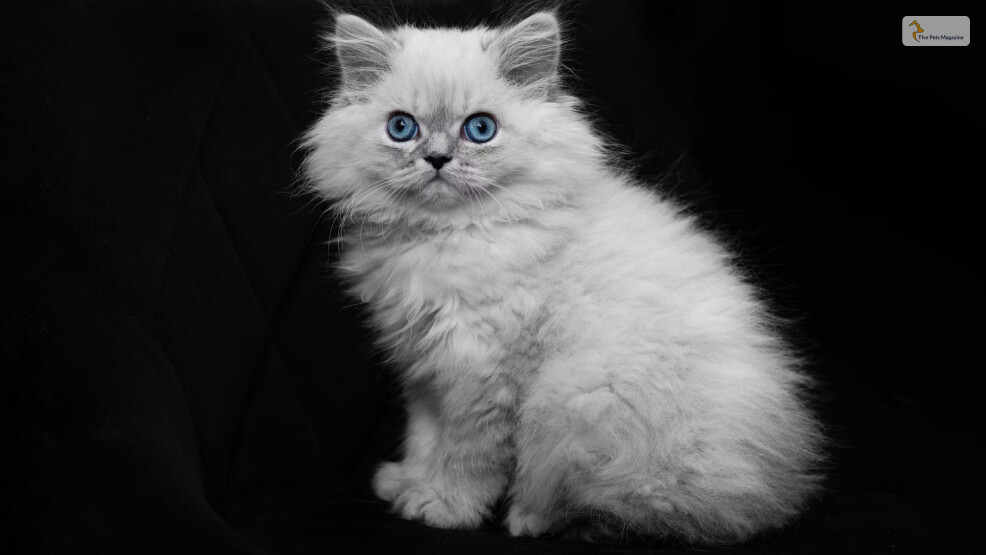
Ragdoll kittens are born completely white, but they grow up to become one of the largest and one of the most luxuriantly coated breeds of cats.
Males typically weigh between 15 and 20 pounds, while females are slightly smaller, weighing between 10 and 15 pounds.
They have a sturdy, muscular build with a broad chest and a long, bushy tail.
Their legs are medium in length, with the hind legs slightly longer than the front legs, giving them a distinctive stance.
Ragdolls are long cats, with their bodies measuring between 17 and 21 inches, excluding the tail. Their tails are also long and bushy, adding to their elegant and graceful look.
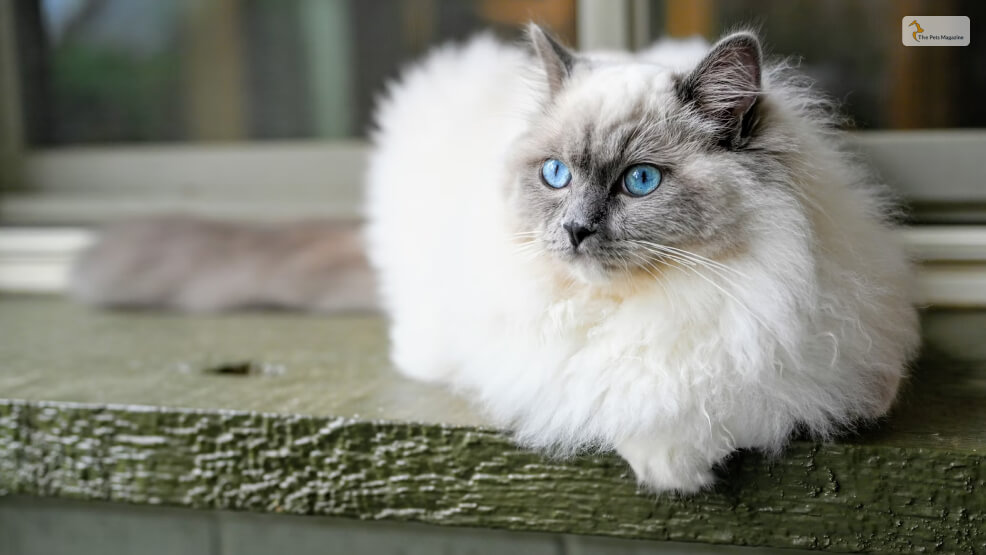
These cats have a semi-long, silky coat that is soft to the touch. Their fur is dense but less prone to matting than other long-haired breeds.
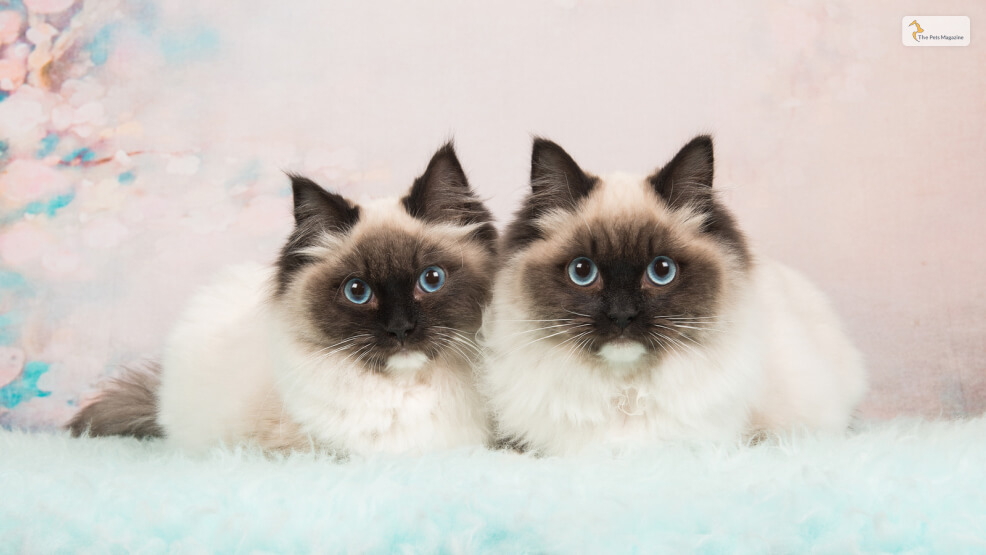
The coat comes in various patterns and colors, such as colorpoint, bicolor, and mitted. A Ragdoll cat also sports various coat colors, from lilac and blue-grey to red and cream.
One of the most captivating features of Ragdoll cats is their striking blue eyes. The eye color ranges from a light, icy blue to a deep, sapphire blue.
This vivid eye color is a hallmark of the breed and adds to their overall enchanting appearance.
The Ragdoll Cats generally mature much more slowly in comparison to the other cats; on the other hand, they tend to have a much longer and lankier appearance.
These cats generally reach 3.5-4.4 lbs within a span of 12 weeks. They often look like baby mice during their initial days.
Eventually, they start to look like a baby kitten. However, this transition does not happen before a span of at least 3 weeks from their birth.
Hence, new owners often find it very difficult to identify ragdoll cats.
2. Personality Of Ragdoll Kittens
One of the best things about Ragdoll kittens is that they are incredibly affectionate and enjoy being close to their human companions.
They are often described as “puppy-like” because they tend to follow their owners around the house and love being held and cuddled.
Their gentle nature makes them excellent pets for families with children and other pets.
They are playful and enjoy interactive games and toys, but they are not overly active or hyperactive.
This makes Ragdolls perfect for indoor living. They enjoy lounging around the house and are often content to relax in a sunny spot or on their owner’s lap.
The rag doll kittens generally take a lot of time to actually mature. Thus, until three weeks of age, they often look like small mice. After 3 weeks, they slowly mature.
The ragdoll kittens become mature enough for interaction with human beings after they reach at least 4 weeks of age.
During this time, the ragdoll kittens develop their consciousness. Hence, during this time, they look around, try to follow their mother to understand what she is doing.
Hence, slowly, they learn from observing and following the actions of their mother. In addition, they also learn to interact with their human friends. You can cuddle them during this time when you want.
3. What Is The Lifespan and Health Issues Of Ragdoll Kittens?
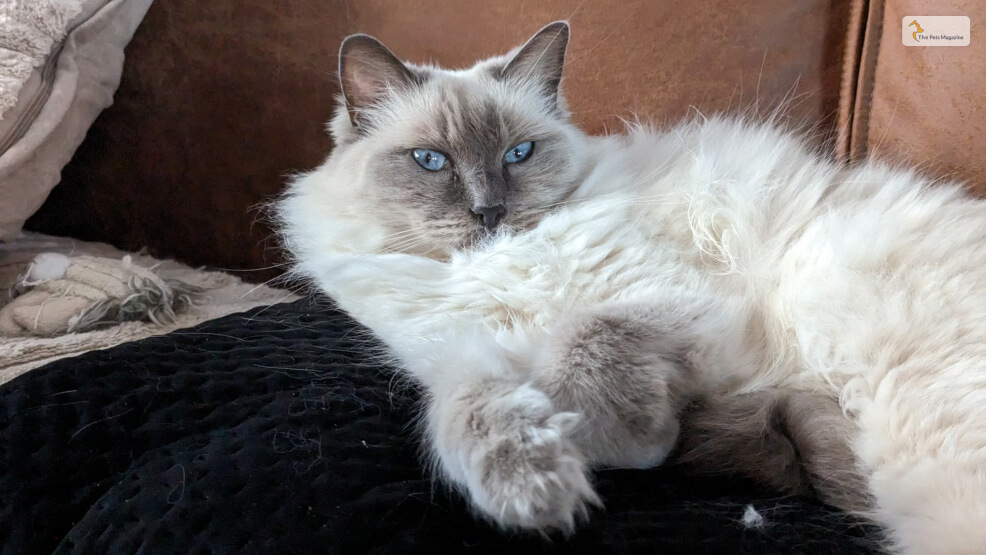
Ragdoll cats typically have a lifespan of 10 to 15 years, though some can live even longer with proper care.
Factors such as genetics, diet, exercise, and regular veterinary check-ups play a significant role in their longevity.
Some Ragdolls have been known to live for over 20 years, especially when kept indoors and receiving consistent, high-quality care.
While Ragdolls are generally healthy, they are prone to certain health issues:
a. Hypertrophic Cardiomyopathy (HCM): This is a genetic condition that causes the heart muscle to thicken, leading to potential heart failure. Regular veterinary check-ups and echocardiograms can help detect this condition early.
Hence, pet parents should never skip the appointments of their ragdoll kittens with the vet.
b. Obesity: Ragdolls are prone to weight gain due to their laid-back nature. Maintaining a balanced diet and ensuring regular exercise can help prevent obesity-related issues such as diabetes and joint problems.
By nature, the Ragdoll cats are very lazy, and they exercise less. Hence, they tend to spend most of their day cuddling with you and spending time with you.
c. Dental Disease: Like many cats, Ragdolls can suffer from dental issues, including gingivitis and periodontal disease. Regular dental check-ups and good oral hygiene practices are essential.
Your veterinary dentist can easily detect the underlying dental issues in your cats when you take them for checkups on a regular basis.
d. Urinary Tract Issues: Ragdolls can be susceptible to urinary tract infections and other related problems. Ensuring they have access to clean water and a proper diet can help mitigate these risks.
Ragdoll Facts That You Should Know!
Here are the major facts about the ragdoll cats that every pet parent should learn about.
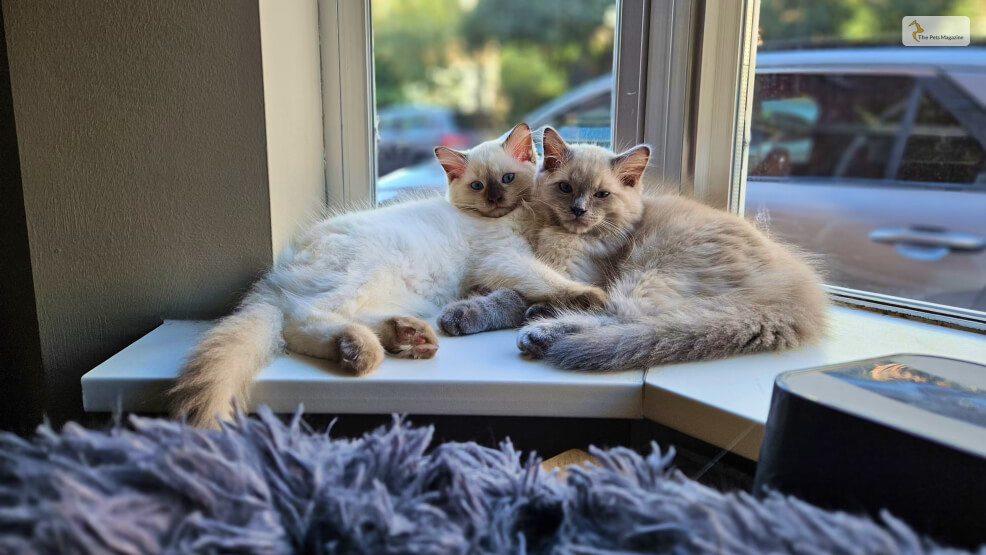
1. They Are Friendly
There is a reason why ragdolls are called one of the most family-friendly cats. They are very peaceful, docile, and affectionate to the owners (especially with the kids).
Because of their docile nature, many people used to think that they were resistant to pain.
2. They Are The Smartypants!
They are very intelligent and are always aware of their surroundings. They are the smarty-paws and are very easy to train. This is the reason why many people tend to buy ragdolls. They are great for
3. Snow White
When they are born, the ragdoll kittens are white. They do not develop the specs that would distinguish them from other cats. The patterns and the color of the coat develop a bit later (varies from 2 to 3 weeks).
4. Eyes Are Pure Blue
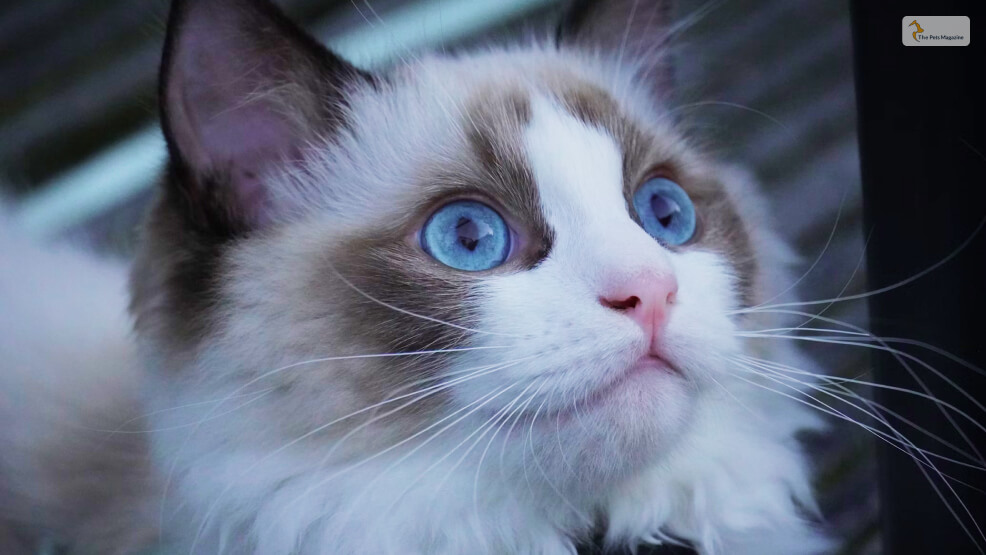
The one thing that you can notice when you see a Ragdoll is the doll-like eyes that are blue in color. No matter the color of the coat or fur, the purebred ragdolls have crystal blue eyes.
If you find any other shades of color in their eyes, know that they are not purebreds. They’re probably mixed.
5. Quiet Ones
These cats are very quiet, which does not mean that they are not that playful. On the contrary, because they are so quiet, they are one of the best cats allowed in apartments. They will only make a sound when they need something or are in pain.
6. They Live Longer
Compared to other cats, the lives of ragdolls are much longer. They live for 12 to 17 years. In many cases, it has been seen that a ragdoll cat went on to live for even 20 years. However, the age might differ from cat to cat. The indoor cats, to be specific, live for a much extended period.
Should You Get A Ragdoll Cat?
If you are looking for some pet animals for your home, it is time that you adopt a cat or a kitten. There are a variety of cat breeds available for you to choose from. From Siamese to Maine Moon, the options are large. But if you want a family-friendly and affectionate cat, you should look for a Ragdoll cat.
These are not only social and affectionate but also extremely smart. Compared to any other domestic cat, they have a higher intelligence level. This is why they can communicate a lot better with their owners than most cats.
Frequently Asked Questions
Here are the answers to some of the most commonly asked questions about Ragdoll Kittens.
If you are looking for a family-friendly cat, the ragdoll cats are the ones that you should adopt. They are often called puppy cats because of their affectionate behavior. Thus, they make excellent pets.
Apart from being extremely cute, one of the best things about the ragdoll cats is that it is incredibly docile. They have a peaceful and affectionate temperament that makes them great house pets.
Considering the fact that they have long hair or fur, you may think that they shed a lot. However, ragdoll cats do not shed as much as you feel, contrary to popular belief. How much they shed depends on the season, temperature, and other environmental factors.
Yes. The Ragdoll cats are one of the happiest when made to stay indoors. However, because they are not very good with roads, it is better to install fences and other boundaries and make your garden or lawn as cat-proof as possible.
Share






Leave A Comment