
Dog Hot Spot Healing Stages: Know The Stages & Help Them Get Better

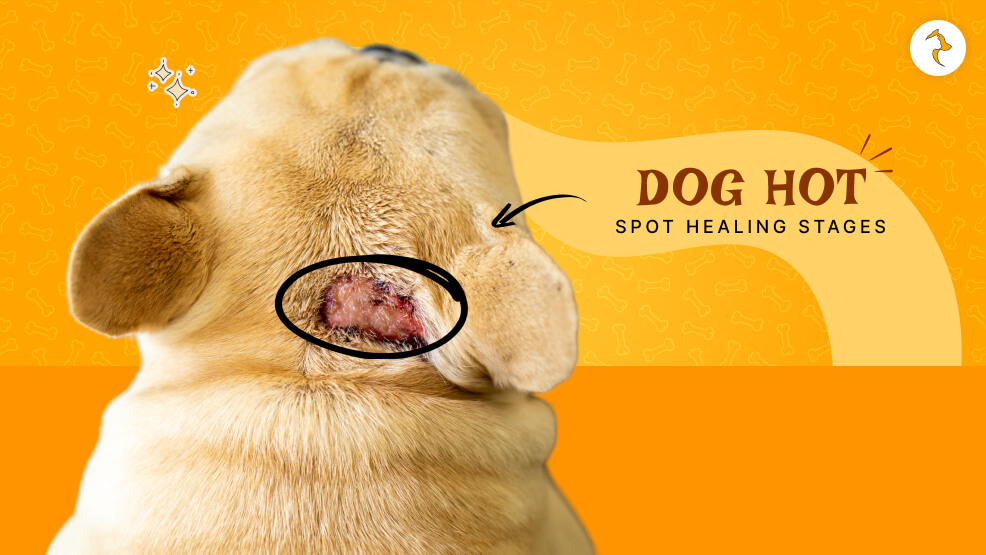
There are various skin conditions that dogs suffer from, and hot spots are one of the common among those. There are various underlying causes behind this condition, and the treatment depends on the severity of the case.
You might be wondering how the condition deteriorated so badly, but there’s no need to worry. It is a bacterial infection that can be treated at home as well.
Additionally, there are different dog hot spot healing stages that you should be aware of, to help them in the best possible way.
What Is A Dog Hot Spot?
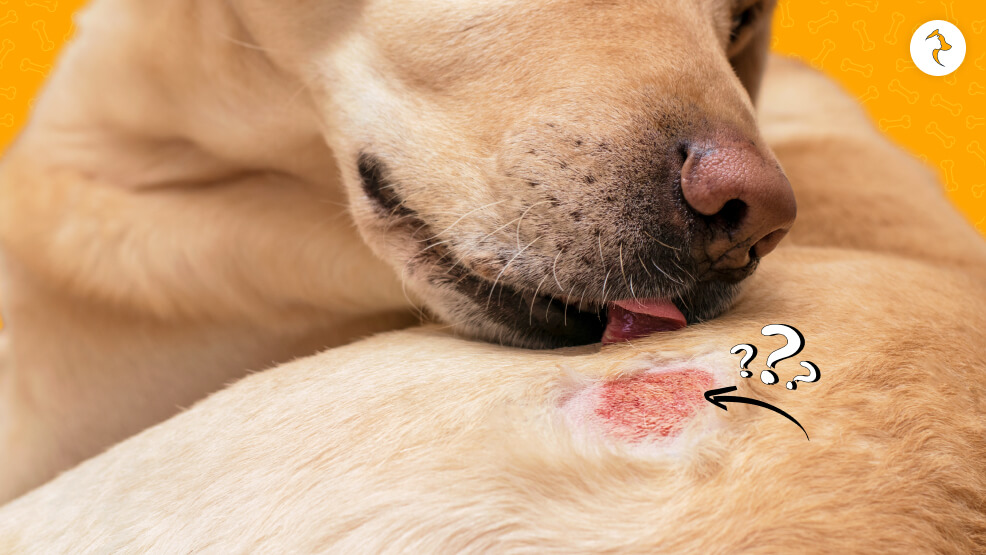
Hot spots are also known as acute moist dermatitis. A patch of their skin gets swollen, and the area turns red and painful. It appears irritated.
These hot spots can occur in any part of the body, but are most commonly found in the hips, face, limbs, or neck. The size can vary depending on the location, but mostly it seems similar in every area.
These appear quickly, and you will notice some amount of hair loss in that area, and it gets bigger with every passing day. It is mostly minor and heals fast. But there is a chance that it might become serious and cause skin ulcers.
What Causes Hot Spots On Dogs?

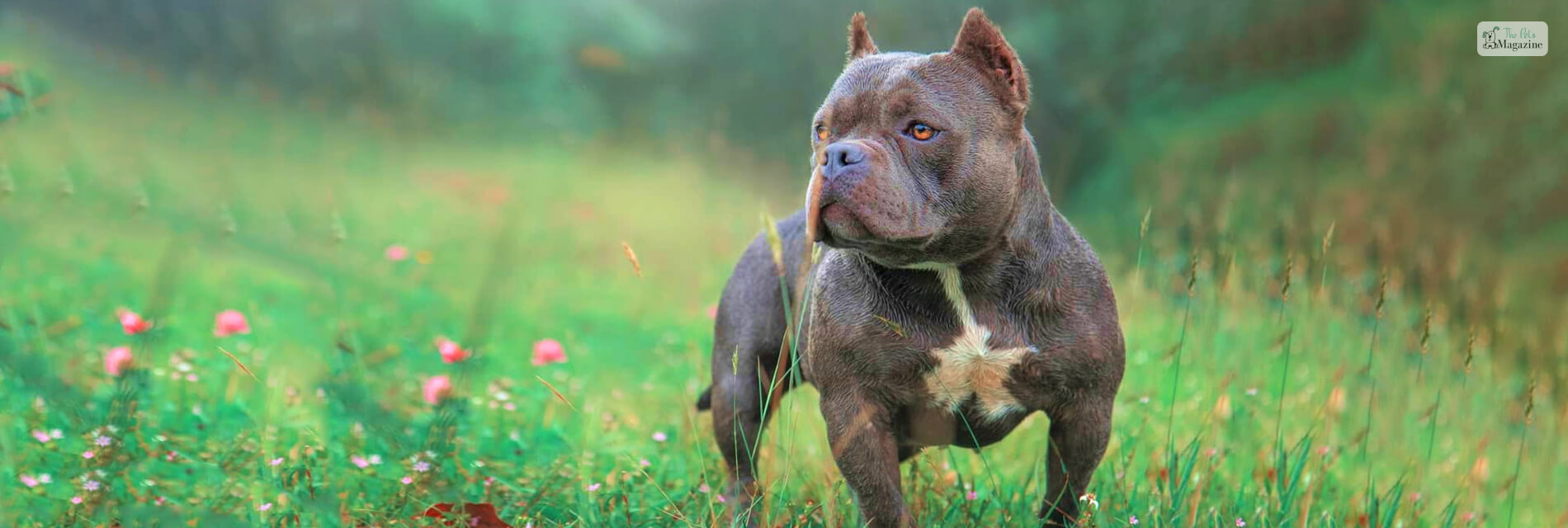
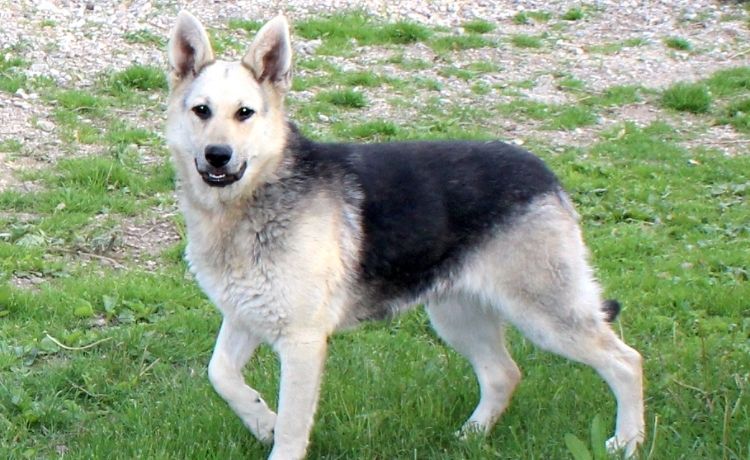
Some dog breeds are already prone to skin conditions, including hot spots. Some of the commonly affected breeds are German Shepherds, Labrador Retrievers, English Bulldogs, and Golden Retrievers.
It is mostly caused by an underlying condition that leads to excessive moisture, itchiness, or excessive licking. It is mostly caused by:
- Poor grooming
- Allergies
- Excessive licking
- Ear infections
- Excessive moisture
How Is It Treated?
The treatment of a hot spot depends on its severity. Most veterinarians treat the area with a combination of anti-itch medication, oral antibiotics, and a recovery cone. They clean the area with an antiseptic and ask you to do that several times a day.
Other medications, such as allergy medication or flea prevention, may be necessary to address the underlying cause. It is best to consult a veterinarian immediately, before the condition becomes serious, to prevent the development of other infections.
Additionally, there are different dog hot spot healing stages that you should be aware of to care for your fur baby properly. You will take care of their grooming, and if needed, get special grooming essentials to aid them.
Dog Hot Spot Healing Stages
Identifying the hot spot is crucial to provide effective treatment and prevent issues, so that it does not develop into something more serious.
If you notice any area that is moist, inflamed, and causing discomfort, you should consult a veterinarian. Let’s get into the different healing stages now.
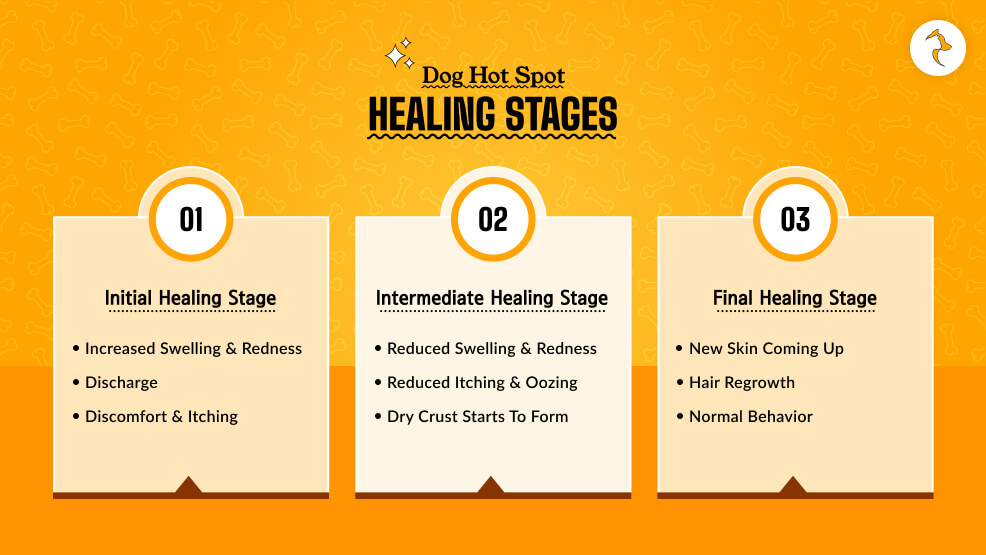
1. Initial Healing Stage
During the initial days, the affected area is irritated and stays inflamed. At this stage, their body begins to heal. This is marked by heightened immune activity and increased blood pressure. Here is what you should be expecting:
- Increased swelling & redness: The affected area will turn red and swollen as the body sends immune cells and more blood to deal with the condition.
- Discharge: A cloudy or clear fluid might even come out of the affected area. This can also mean the condition can turn into a secondary infection.
- Discomfort & itching: They may want to chew on the spot, lick it, or scratch it due to discomfort.
Here is how you should be taking care of your fur baby during this stage.
- Clear the affected area with an antiseptic solution after consulting your vet. This will reduce the risk of any infection.
- Trim their hair around the area to allow air circulation. Keep the wound dry to help the area heal faster.
- During this time, it is helpful if you use an Elizabethan collar, popularly known as a cone, to prevent them from chewing, licking, and scratching the area.
2. Intermediate Healing Stage
There are three different dog hot spot healing stages, and the second stage is known as the intermediate one. During this stage, you will notice important changes in them that indicate healing. Here is what you can expect:
- Reduced swelling & redness: As the surrounding area starts to heal, you will notice a reduction in swelling and redness.
- Reduced itching & oozing: The discharge from the area will significantly reduce, and you will notice reduced signs of discomfort and itching.
- Dry crust starts to form: A dry crust will form over the affected area as a natural barrier protecting the new cells that are regenerating under the area.
This is how you should care for them to ensure they are healing properly.
- Clean the area regularly with the antiseptic recommended by the vet.
- Apply all the medicines the vet prescribed, starting with ointments, creams, sprays, or oral medication. This will prevent the infection from spreading and help with the recovery process.
- Keep a check on their behavior nd do not let them lick or scratch the area. This can delay the healing process.
3. Final Healing Stage
In this stage, the hot spot has almost dried up completely, and the dry crust will fall off naturally. This is a major sign that the body is repairing the damaged skin.
- New skin coming up: When the scab falls off, the new skin comes up in the healed area. The skin will look slightly pink or lighter than the surrounding skin.
- Hair regrowth: The affected area will have hair regrowth, but it will be a while before it completely returns to its natural thickness and length.
- Normal behavior: When the area is completely healed, the dog will not pay attention to that area. They will show no signs of irritation or discomfort.
Even though they are almost healed, you still have to take care of them until your vet recommends stopping the medication.
- A vet often recommends an ointment or moisturizing cream to prevent the flakiness that can happen when the new skin comes. This will prevent peeling or cracking and further irritation.
- Even after the dry crust has fallen, you need to keep a check on the area. Watch out for signs of redness, discharge, infection, or swelling, which might show that the area is not completely healed.
- You can add some supplements to their diet to promote healthy skin growth. Give them a balanced diet rich in vitamins and minerals to maintain healthy skin.
What To Do If It Is Not Healing?

If the hot spot is not healing properly, you need to look out for some warning signs. Even if the hot spots do not heal after the treatment, it could be because of various other factors like inadequate care, infection, or underlying allergies.
Keep an eye out for some of these warning signs:
- Check whether the redness, pain, or swelling is going away after giving them the medicine.
- If the pus is still oozing or a foul odor is emanating from the affected area, it is also an indication of an infection.
- If the hot spot expands or a new one develops in other parts as well, there may be other underlying issues. There could be some other underlying causes, like parasite infection, fungal infection, or allergy.
If you see the condition improving, consult the veterinarian immediately. They might change their current medicine or try another treatment to help them.
Prevention Is Better Than Cure
Now that you are aware of hot spots and the different dog hot spot healing stages, you should try to keep the area clean and healthy to prevent it from happening over and over again.
It can come back if the actual underlying cause is not addressed. So, you need to take proactive steps to reduce the risk factor.
Bathe them regularly and keep them groomed. Moreover, protect them from ticks, fleas, and other parasites that can cause this. Give them a healthy, balanced diet and keep their skin dry.
Frequently Asked Questions
Here are some of the common questions people ask while discussing the different dog hot spot healing stages.
Generally, it takes 3 to 7 days for a hot spot to heal. However, they will need proper treatment and care to complete the healing process.
Yes, you should keep the hot spot clean. It will remove any irritants, debris, and bacteria to help with the healing process. Moreover, this will also prevent any further infection.
Before healing, the hot spot can get worse. The area might turn red with irritated patches and then get worse as your dog might bite, lick, or scratch the area.
Yes, it turns into scabs when the affected area starts to heal. Initially, it appears red and inflamed because of stretching, licking, and chewing. When the healing process begins, it gradually forms a dry crust.
Share





Leave A Comment