
Why Is The DHPP Vaccine Important For Dogs?

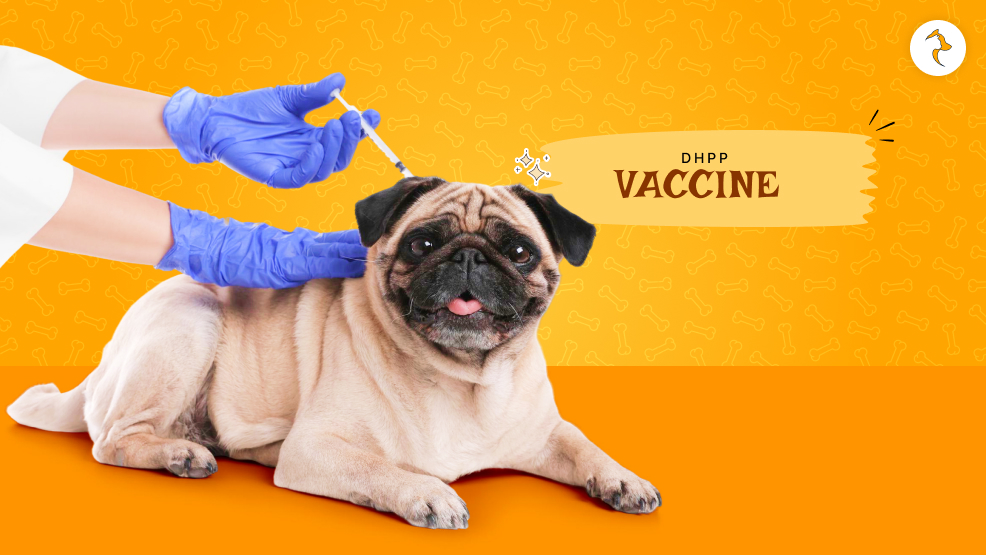
Vaccinating your puppy does not just protect your dog from future problems, but it also shows how responsible you are as a pet parent. Vaccinating the puppy helps it live a long, healthy life.
Moreover, every vet urges the dog parents to vaccinate their puppies with the DHPP Vaccine. Moreover, this vaccine serves as a five-in-one solution that shall protect your dog against multiple types of diseases.
Hence, you can protect your puppies against a wide range of potentially life-threatening diseases. Several people think vaccinating their dogs is unnecessary because they keep a close eye on them.
The vaccination shots for your dogs will cost far less than the total cost of treatment once they get sick. Thus, vaccination shall save you from any issues in the long run.
The DHPP Vaccine can protect your dog from serious viral diseases such as Distemper, Parainfluenza, Adenovirus (Hepatitis), and, most importantly, Parvovirus.
Parvovirus spreads from one dog to another like wildfire. But the other diseases are also life-threatening.
What Is The Difference Between Lifestyle Vaccines And Core Vaccines?
Moreover, pet vaccines fall into two major categories. The vets recommend the lifestyle vaccines to the pets, mostly based on their lifestyle.
1. Lifestyle Vaccines
Some of the most commonly recommended lifestyle vaccines include Lyme disease, leptospirosis, and Bordetella.
The vets recommend these vaccines for dogs that spend time in places like dog day care, outdoor areas, and others. Over there, they have the chance of getting several viral diseases.
The chances of transmission in places where dogs socialize with other pets, such as off-leash parks, remain very high.
2. Core Vaccines
The doctors recommend the core vaccines for all pets to protect against contagious diseases.
Moreover, the vets recommend the core vaccines for all types of pets, grouped by category.
The core vaccines prevent diseases that remain highly contagious and cause severe sickness in the dogs.
Avoiding the core vaccines poses a serious threat to the pet’s longevity. The vets in the North American region highly recommend DHPP as a core vaccine.
Why Is It Important To Complete The DHPP Vaccination For Your Pets?

The DHPP serves as a five-in-one vaccine. Thus, the vaccine protects your doggo against some of the most serious five diseases.
Moreover, the list of diseases includes things like Canine Distemper Virus, Canine Adenovirus CAV-1 and CAV-2, and several others. Here are the main details about the viruses.
1. Canine Distemper Virus (D-Distemper)
Canine Distemper Virus is among the most contagious viruses affecting canines. Moreover, the virus can spread through the air and contaminated surfaces.
The contaminated surface can including dog toys, bedding, bowls, and various other things. Canine Distemper virus can also spread through direct contact with other infected animals.
The distemper virus attacks various systems of the dog’s body. Moreover, this includes the respiratory and gastrointestinal systems, as well as the animal’s nervous system.
Hence, the virus causes a wide range of symptoms in a dog’s body. Moreover, symptoms may include fever, coughing, vomiting, and watery discharge from the eyes and nose, as well as diarrhea.
Distemper can also lead to pneumonia, paralysis, and seizures in the most severe cases.
2. Canine Adenovirus CAV-1 And CAV-2
There are two types of Canine Adenoviruses: CAV-1 and CAV-2. Hence, here are the details about the two types of viruses.
A. CAV-1 Canine Hepatitis(H-Hepatitis)
CAV-1, or the infectious canine hepatitis, acts as one of the most problematic viruses. Moreover, the virus attacks the spleen, lungs, kidneys, liver, and eyes.
The early symptoms can start with minor things like mild fever and congestion. Furthermore, the dogs can also vomit.
Furthermore, the severe symptoms can be like abdominal pain, jaundice, and inflammation in the eyes.
Additionally, you can also see bruises on the dog. The condition quickly becomes very fatal when it is untreated.
B. CAV-2 Canine Adenovirus
CAV 2, on the other hand, remains a milder canine adenovirus. Moreover, the DHPP vaccine protects your dog really well against this virus.
The vets generally do not consider CAV-2 as a serious condition. However, the CAV-2 often causes kennel cough. Moreover, kennel cough can weaken a dog’s immune system.
Further, this can lead to a more serious condition, such as kennel cough. Moreover, the symptoms remain similar to those of a cold, flu, and cough in humans.
3. Canine Parainfluenza (P-Parainfluenza)
Canine parainfluenza is also highly contagious. Moreover, the disease can easily be transmitted through the air.
The virus can easily be transmitted between two dogs, whether in a multi-dog household, an off-leash park, or a multi-dog canal.
The dog generally suffers from flu-like symptoms. The DHPP vaccine can easily prevent this virus from affecting the animal.
4. Canine Parvovirus(P-Parvo)
Canine Parvovirus (P-Parvo) is highly contagious. Moreover, the virus can simply cause symptoms that can cause death in the dogs.
The Parvovirus directly targets the animal’s gastrointestinal tract. Hence, this leads to vomiting, diarrhea, rapid loss of protein and fluids, and loss of appetite in the dogs.
The GI tract of the pup is no longer able to absorb nutrients properly. Thus, the puppy often needs hospitalization and life-saving care.
Parvovirus remains resistant to most of the disinfectants. Moreover, the virus can even live on the soil surface. The virus can survive in soil for up to a year.
Thus, you should not take out your puppy even for a walk if you have not provided it with the DHPP vaccine. A mere walk can cause serious problems for the puppy.
When Should You Get Your Puppy Vaccinated?
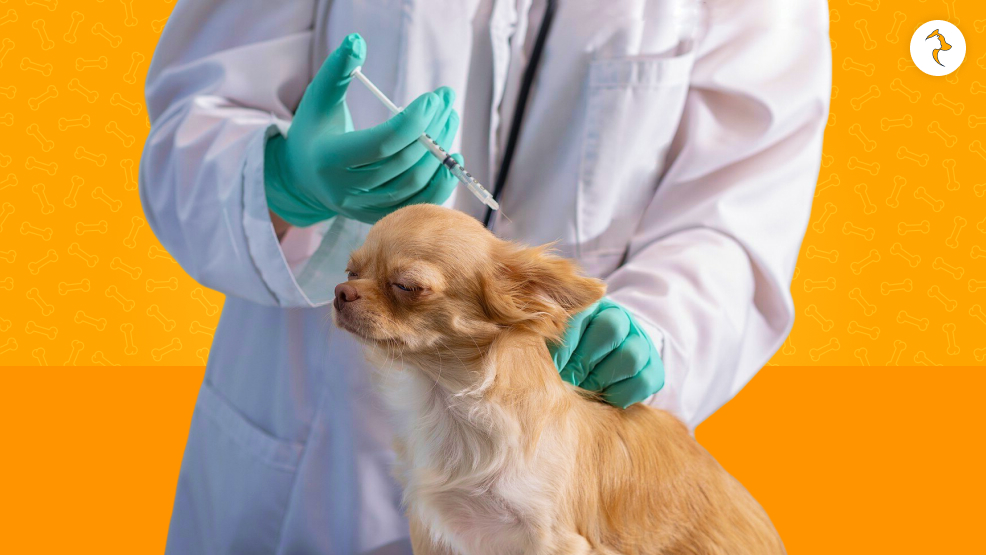
The DHPP vaccine is a five-in-one single-shot vaccine. Moreover, the vets give the DHPP vaccine to the puppies in series.
Vaccination for puppies starts at 2-4 weeks of age and continues until the puppy is at least 16 weeks old.
The vets generally recommend your dog receive a booster shot of the DHPP vaccine, once every three years or once a year.
The DHPP 5-in-1 vaccine allows you to provide optimal care for your dog from the beginning.
While several people try to save money now, they often forget that not vaccinating the dog can lead to some of the most serious conditions in the long run.
Why Is prevention Better Than Cure?
Prevention remains better than cure in multiple ways. Moreover, the vaccine plays a crucial role in supporting the annual routine care.
These viruses can cause death in puppies. Thus, it is important to vaccinate your dog against DHPP to prevent long-term issues.
Frequently Asked Questions (FAQs)
Here are the answers to some of the most commonly asked questions about the DHPP vaccine for dogs.
The effects of DHPP vaccines last for a long time in Canines. However, the Vets generally urge the pet parents to provide their pups with a booster dose once a year.
However, in certain cases, they even ask to provide the vaccine once every three years.
The DHPP vaccine protects against multiple viruses, most contagious, including Distemper Virus, CAV-1, Hepatitis (H-Hepatitis), and CAV-2 (Canine Adenovirus), Parainfluenza, and Parvovirus.
The 3 2 1 Rule For Vaccines serves as a guide for assessing and monitoring the site lumps after vaccination. Hence, people should check the sarcomas associated with the vaccination.
Moreover, they should check whether the sarcoma persists after 3 months, if it is larger than 2 cm, or if it continues to grow after a month of vaccination.
Vaccination for puppies starts at 2-4 weeks of age and continues until the puppy is at least 16 weeks old.
The puppies often feel lethargic and may have a mild fever and decreased appetite after receiving the DHPP Vaccine.
However, these symptoms are common in puppies. The puppy owners should avoid panicking in these situations.
Share








Leave A Comment