
What Is Mastitis In Dogs?

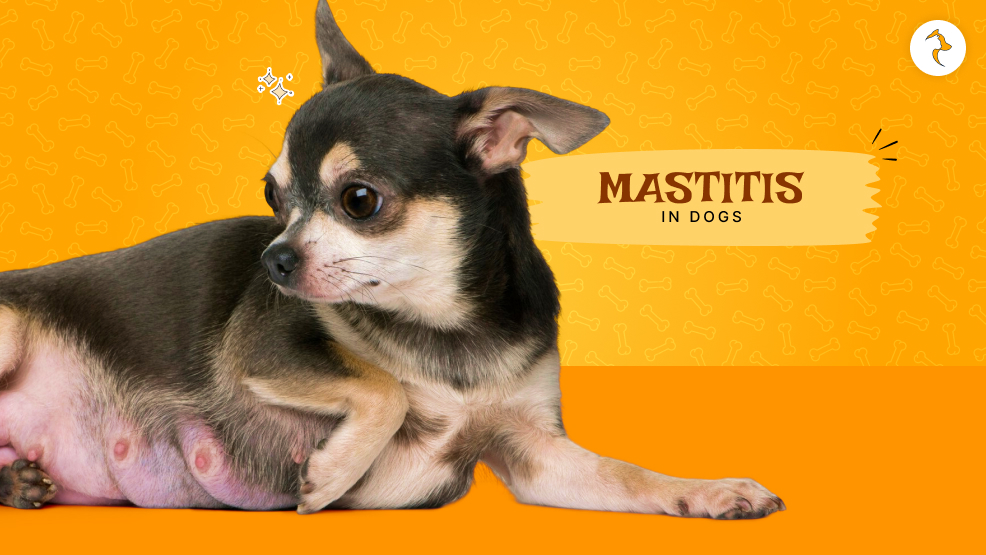
Mastitis in the dogs is an inflammation of the mammary gland. Moreover, mastitis can be caused by several things. However, bacterial infections are often the leading reason behind mastitis in dogs.
The dogs can suffer from mastitis when there is some serious trauma to the mammary gland. Furthermore, the accumulation of milk in the mammary gland of the dog can lead to problems like mastitis.
Postpartum mastitis in dogs is a common phenomenon. The phenomenon is most common in nursing females.
What Are The Clinical Signs Of Mastitis in Dogs?
There are several clinical signs of mastitis in the dogs. Mastitis in dogs can be categorized into three main stages. The three main stages include the early stage, the progressive stage, and the severe stage.
Moreover, the symptoms and signs of mastitis in dogs vary in different stages.
Here are some of the main signs of mastitis in dogs that are evident in various stages.
Early Stage
Since this often happens to postpartum female canines. This mostly affects the mammary gland of the dog and the flow of breast milk.
Thus, this kind of blockage directly affects the weight of the puppies. Additionally, the mammary gland of the dog can also feel slightly inflated.
Progressive Stage
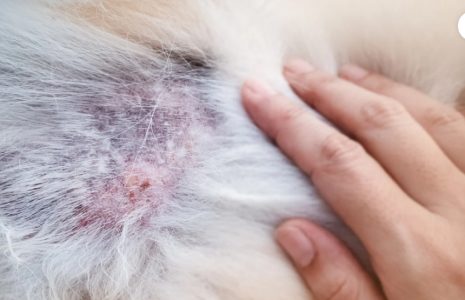
In the progressive stage of mastitis in dogs, the mammary gland becomes increasingly swollen, discolored, and highly inflamed.
Moreover, the mammary gland shall become absolutely ulcerated. Thus, you can trace scabbing and open wounds.
Moreover, when you obtain milk from the affected place, it shall contain pus, blood, and can be heavily thickened.
What Happens In The Severe Stage Of Mastitis In Dogs?
The dog in this stage can act ill. They can even show signs of lethargy. In more severe cases, the animal may also experience fever and vomiting.
Signs of sepsis can be seen when the infection spreads all across the body. The dog can be non-responsive and can also show signs of breathing-related issues.
The dogs often suffer from issues like sepsis once the infection spreads all across the body.
What Is The Diagnostic Confirmation For The Condition?
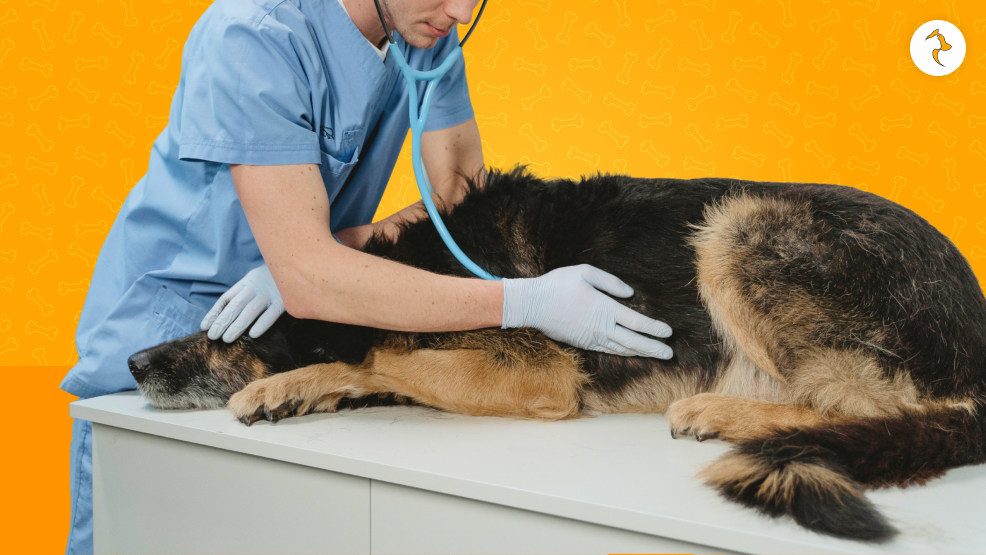
The dog parents should definitely detect the early signs. However, things often get misdiagnosed. Thus, diagnostic confirmation of the condition plays a crucial role before treating the dog.
The vet should do a proper physical examination. Furthermore, they should also do a proper ultrasound of the mammary gland.
The vets should run proper blood work, like a CBC, to avoid problems like infections. In addition to this, the milk of the dog should be sent for milk cytology.
Thus, this will confirm the presence of bacteria in the dog’s milk. Milk cytology also confirms the presence of white blood cells in the breast milk of the dog.
Furthermore, proper bacterial culture and sensitivity are very important for the dog.
Getting Rid Of Mastitis In Dogs
The treatment of mastitis in different stages varies from one another. Here are the treatments for the various stages of Mastitis in the dogs.
Early Stage
The vets treat mastitis in dogs with antibiotics and pain medications. Furthermore, the dogs often have to go through laser therapy with blue light.
The blue light laser therapy generally cuts the healing time of the dogs in half.
The Treatment For Progressive Stage Mastitis In Dogs
The vets shall prescribe the antibiotics that are stronger in dosage. Laser therapy with blue light can be helpful in this situation as well.
Furthermore, the vet needs to perform a wound check of the mammary gland.
Treatment During The Severe Stage Of Mastitis In Dogs
In the severe stage, the vets can prescribe IV antibiotics and pain medication. The doctors rarely perform the removal of necrotic or infected mammary gland. The vets perform this to manage sepsis in case of mastitis in dogs.
Can Pups And Kittens Still Nurse?

Yes, the pups can definitely nurse on the affected nipple. The babies often play an important role in draining the accumulated liquid within the mammary gland of the dog.
The mom can feel a lot of pain while the babies nurse on the affected gland. Thus, the vets often suggest not to allow the babies to suck milk from the affected gland.
The babies often remain malnourished as the gland stops producing milk in adequate amounts. The vets often prescribe certain types of medications that can stop the babies from nursing.
Are Certain Specific Breeds More Susceptible To Conditions Like Mastitis In Dogs?
Dogs of any breed or age can easily suffer from diseases like mastitis. The smaller litters often suggest that the mammary glands are getting engorged. This happens as the dogs start eating less.
On the other hand, larger liters refer to mammary glands remaining open for a more extended period of time, which can increase the inflow of bacteria.
What Are The Prevention Methods For Mastitis In Dogs
Mastitis in the dogs can worsen over time. However, there are several methods that the dog parents can use to prevent this at an early stage.
The caregivers of the mother dog should weigh the puppies on a regular basis. They should also examine the mammary glands on a daily basis.
The dog parents should take their dog to the vet as soon as they see signs of discoloration, swelling, and firmness.
The dog’s parents should also be aware of the dog. The dogs often show signs of pain when their gland are touched. A sudden spike in body temperature can also result in mastitis in dogs.
When Should The Dog Owners Reach The Vet During Mastitis In Dogs?
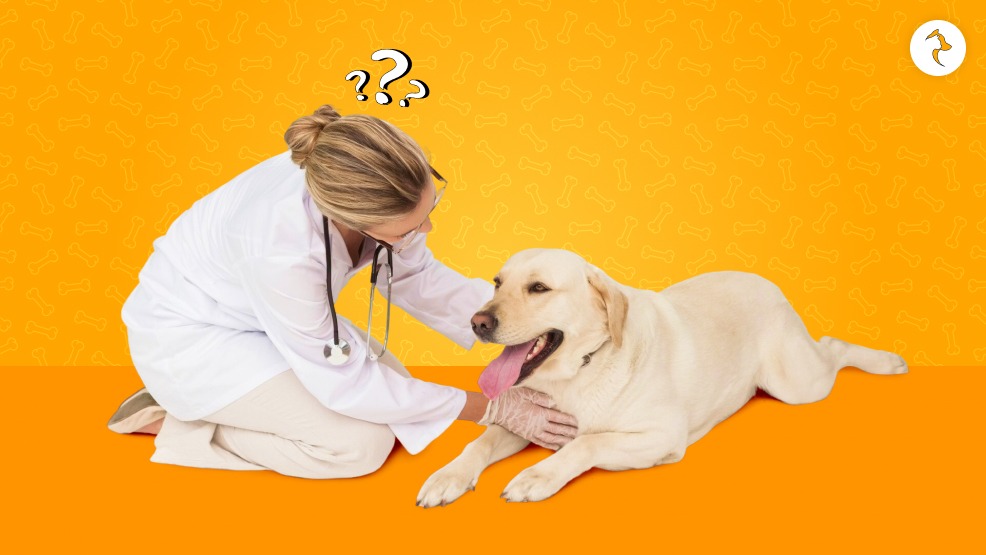
The dog owners should not depend on home remedies and take their dogs to the vet as soon as possible, when they notice even the earliest signs of mastitis in dogs.
The caregivers should immediately take their animals to the vet when they see an open wound on the glandular area. The caregivers should take more prompt action if they find any signs of sloughing of the skin.
Signs like fever, lethargy, and vomiting indicate severity. Thus, the dog parents should immediately take their dogs to the vet in these cases.
Stalling treatment can lead to critical conditions. The vets often address the critical conditions of mastitis with surgical solutions.
Frequently Asked Questions (Frequently Asked Questions)
Here are the answers to some of the most commonly asked questions about mastitis in dogs.
No. Mastitis usually requires veterinary treatment. Delayed care can lead to abscesses or systemic infection.
Yes. Fever, lethargy, vomiting, skin discoloration, or open wounds indicate severe mastitis and require immediate vet attention.
Nursing often helps to drain the accumulated milk, but feeding from an infected gland is usually painful and unsafe. Thus, the vets restrict nursing from affected glands.
Mild cases may resolve within a week. Moderate to severe cases can take several weeks, depending on treatment response.
Share






Leave A Comment