
What Are The Major Types Of Tumors In The Dogs?

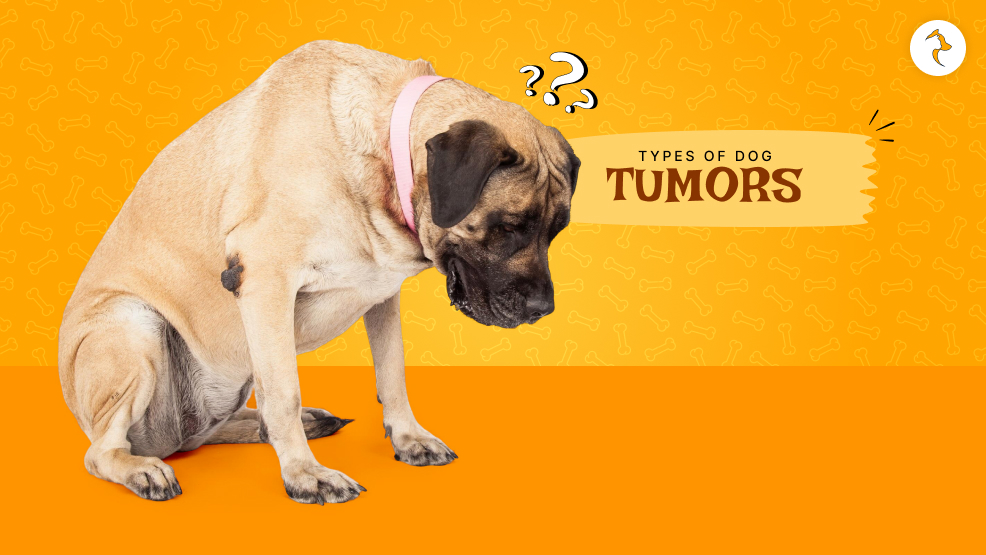
A lump on your fur baby should definitely freak you out. Moreover, you never know whether it is just a lymphoma, a reactive nodule, or some kind of cancer.
Recently, I personally went through a disastrous episode. While I was petting my dog, I found a lump on his back. This got me really scared.
While I was stroking Casper’s back on the spot, he did not seem to be in any discomfort or pain. Thus, this got me even more scared.
Casper is a four-year-old golden retriever who is always ready for petting on the back and belly strokes.
Let me tell you how to navigate through such a situation. Moreover, let’s understand what to do when your dog is in this kind of situation.
Such lumps can be a sign of hidden cancer in the dogs. Moreover, the dogs often come with some of the most reliable options to deal with on the internet.
Which Are The Different Types Of Tumors In The Dog?
Not all tumors in the dogs are cancers. However, there is always the chance of people misinterpreting a cancerous tumor as a normal one, or vice versa.
But you should be aware of the common types of dog tumors that can be cancerous. However, the tumor can simply be a fat deposit or a swollen lymph node.
Thus, you should always consult the vet before reaching any conclusion. Here are some of the most relevant pieces of information I learned when I took Casper to the hospital.
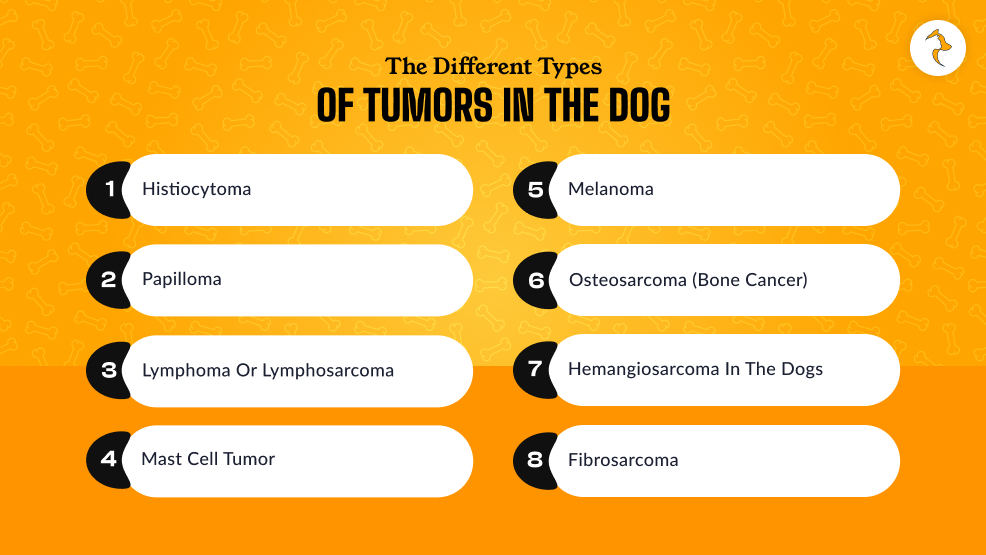
The doctors informed me that there are multiple types of dog tumors, which include.
1. Histiocytoma
Histiocytoma tumors are among the most common types of dog tumors. The tumors occur in dogs that are under three years of age.
These are button-shaped tumors that do not actually grow much in size. Mostly, they do not spread to the other parts of the dog’s body.
The tumor remains hairless, red, and a little raised in size. Mostly, these types of dog tumors do not require much medical intervention. However, in specific cases, the vets can surgically remove the tumor.
2. Papilloma
Papilloma tumors mostly appear benign in dogs. But at the same time, the tumors can be very uncomfortable for the dog.
The tumor often causes a lot of discomfort for your dog. Infections can give rise to multiple hard, pale, cauliflower-like warts inside the mouth and the lips of the dog.
Moreover, these tumors make chewing and swallowing very difficult for the dogs. Generally, Papilloma disappears within a few weeks or a few months.
These types of dog tumors are generally caused by Papillomavirus. Thus, the transmission of the Papillomavirus can happen quite easily from one dog to another.
You should always quarantine your dogs from the rest of the household in case you have more than one dog in the house.
3. Lymphoma Or Lymphosarcoma
Lymphoma is one of the most dangerous types of dog tumors that you should always be aware of.
These types of dog tumors are a very common form of cancer in dogs. There are more than 30 types of lymphoma in dogs.
The vets use lymphoma as a generic word. Moreover, it is a group of cancer cells that emerge from lymphocytes. Lymphocytes are a common type of white blood cell.
Some of the most common types of lymphoma remain multicentric, mediastinal, and extranodal lymphoma. Check for swelling around the jaws, behind the neck, and around the knees.
Reach out to the vet immediately when your dog suffers from this type of cancer. The vet can recommend Kemo therapy and others depending on the situation.
4. Mast Cell Tumor
Mast Cell tumors are generally a type of skin cancer in dogs. Moreover, these tumors generally grow quickly and can be red as well as itchy.
The short-faced dogs, like the French Bulldogs, Boxers, and Pugs, remain more susceptible to these types of dog tumors.
The vets often suggest proper surgical removal of the mast cell tumors in the dogs. However, the vets can find it difficult to perform surgical procedures in certain areas of the dog.
Proper diagnostic examinations can help to determine the aggressiveness of cancer. Thus, this can save your dog from further problems.
5. Melanoma
Malignant melanoma in dogs appears as dark and pigmented spots on a dog’s skin.
These tumors generally show up around the mouth. Melanomas are generally aggressive. Hence, they spread quite quickly.
Moreover, the treatment generally involves chemotherapy and amino therapy in dogs, depending on the progression of the condition.
6. Osteosarcoma (Bone Cancer)
Osteosarcoma mostly occurs in large-breed dogs. Moreover, common signs of osteosarcoma include limping and unusual walking.
Amputation serves as the primary form of treatment in osteoarthritis. Moreover, this is a form of bone cancer.
However, vets perform complex surgeries to save the dog’s limb. Moreover, this involves removing the affected region.
7. Hemangiosarcoma In The Dogs
Hemangiosarcoma is one of the most serious types of cancer in dogs. Moreover, these types of dog tumors generally occur in the blood vessels of dogs.
Moreover, they are generally formed in different organs, such as the heart and lungs. Furthermore, this often causes internal bleeding within the organs.
Dogs can often show signs such as pale gums and rapid breathing due to conditions like hemangiosarcoma.
8. Fibrosarcoma
Fibrosarcoma is a very slow-spreading cancer in dogs. However, cancer is very difficult to treat.
The vets generally use an amputation and radiation technique to save the dog when the dog suffers from this condition.
How To Find Out Which Types Of Dog Tumors Are Cancerous?

In the end, what Casper had wasn’t cancer at all. Hence turned out to be something harmless. Those few days of worry were intense, but now Casper is living a happy, healthy life, and I’m much more at ease.
Hence, sometimes, a little scare teaches us to be extra vigilant, but it’s a relief when everything turns out fine.
You should be observant of the following symptoms in a dog to understand which types of dog tumors are cancerous.
- Persistent wounds that refuse to heal
- Any unusual bleeding or unexpected discharge
- Noticeable decrease in appetite
- Sudden and unexplained loss of weight
- Strong or abnormal odour
- Areas of swelling or enlargement
- Unusual lumps or nodules under the skin
- Fatigue, low spirits, or lack of interest in physical activity
- Labored breathing, coughing, or respiratory difficulty
- Difficulty or straining during bowel movements
- Trouble swallowing or discomfort while eating
- Pain, stiffness, or difficulty walking
When you see any of these signs and symptoms, you should immediately take your pet to the vet instead of trying to handle it yourself.
Share








Leave A Comment