
Why Is My Cat So Skinny? Possible Causes and Solutions

Every cat owner should know that cats come in all shapes and sizes. Commonly recognized are long and slim buildings. However, when one cat exhibits this skinny trait, it could spell trouble for the owner. You might be wondering – why is my cat so skinny?
Like humans, cats have different structures, body shapes, and sizes. However, the owner’s alarm bells ring when a cat doesn’t show signs of weight problems yet has a good appetite.
Several probable causes of cats’ abnormal body weight distribution exist. It may be important to determine these before obtaining veterinary care.
This article discusses reasons why your cat might look so skinny yet eat like a king and possible actions you can take to ensure that your dearest kitty is healthy and happy.
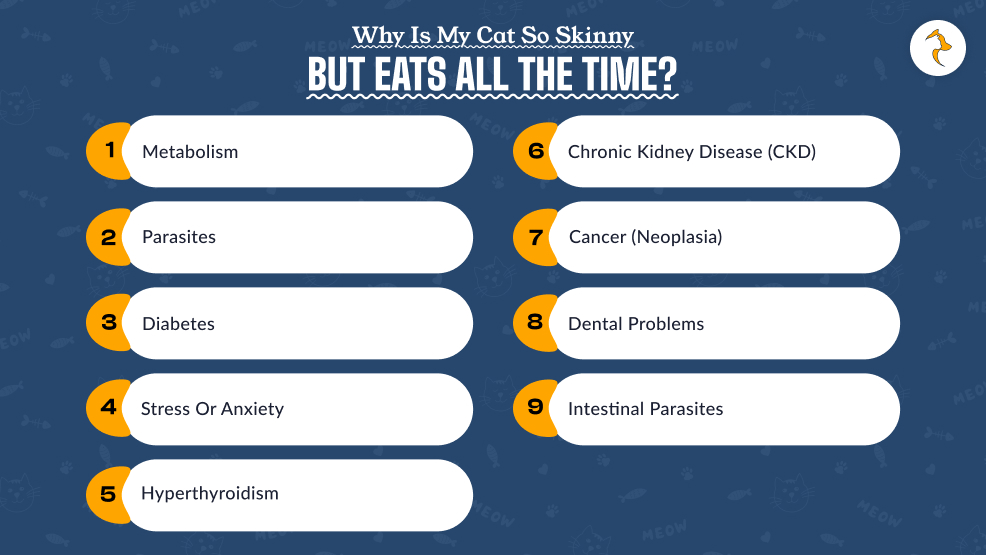
Why Is My Cat So Skinny But Eats All the Time?
Multiple reasons influence the unintentional weight loss in cats. Moreover, these things depend on multiple things. However, the unintentional weight loss in cats despite eating can be caused by various reasons.
This is more concerning when the cat is not a senior citizen. Thus, the parents of senior cats should definitely take them to the vet to ensure proper treatment.
Multiple factors, such as diabetes, cancer, and several others, can cause such issues in cats.
Moreover, this can happen because of something as simple as a dental problem or even mental stress in the felines.
The information on Atlantic Veterinary suggests that cats can experience such problems for a variety of reasons. These reasons include infectious diseases, gastrointestinal diseases, diabetes, and others.
It is as if all cat owners are querying how, it could be that a particular cat can be so thin and eat just like any other kind.
You must be wondering why my cat does not gain weight since it wants its mealtime. There are several reasons: medical, metabolic, and others.
1. Metabolism
Your cat may simply have a high metabolism. Very often, some younger and active cats can burn calories exceptionally quickly while moving up and down, climbing, playing, hunting, and other activities.
They may need to eat far more than a sluggish cat of the same weight because it burns calories when moving.
Therefore, fast metabolism or not, it will not matter much how much you feed him because your cat remains trimmer due to that the high end.
Thus, the cat parents should go to a proper vet in such cases, as the vet can help the cat achieve better results.
Furthermore, a feline nutritionist can help in such cases by suggesting a proper diet chart for your feline that will help it recover from weight loss.
Calculating the calories that your cat consumes or doing simple math can help people manage the food intake of your cat.
You can simply increase or decrease the amount of caloric intake of your cat based on their needs and requirements. Pet MD suggests increasing the caloric intake of the cat by at least 20%.
Why is my cat so skinny? The reason behind it can be issues related to metabolism.
2. Parasites
Another possibility is parasites; worms are the most common, making it impossible for your cat to gain weight. Some parasite infections deprive a cat of nutrition and cause it to eat that cat usually or many times more.
Effective weight loss probably occurs in tapeworm, roundworm, and hookworm infection cases. But there may be further signs, including diarrhea, vomiting, or even poor coat quality.
Parasitism in cats can be of various forms. Moreover, the GI parasitism in cats is one of the most common ones.
Moreover, studies in Veterinary Medicine suggest that the prevalence of gastrointestinal parasites in some cat populations is approximately 45%.
The parasites can cause multiple symptoms, one of which is a lack of appetite. Furthermore, the disease can even show other problems like dull coat, vomiting, and diarrhea.
The consistent diarrhea, discharge of blood through the feces, and other factors can lead to dehydration and loss of weight in the cats.
3. Hyperthyroid
Hyperthyroidism is a condition that increases the secretion of thyroid hormones from the thyroid glands. This leads to an increase in metabolism.
The cat gets hyperthyroidism for reasons well-known to most people. It is just a cat that would ordinarily eat well and then lose a lot of weight.
They usually have symptoms like hyperactivity or excessive drinking. Therefore, if you spot some of these signs, immediately take your pet to the vet for a blood test and treatment.
Hyperthyroidism is one of the most common diseases in cats. Moreover, hyperthyroidism is one of the leading endocrine diseases in cats.
The data provided by the FDA suggests that the cats above 8years of age generally suffer from hyperthyroidism.
Mostly, hyperthyroidism is caused by a non-cancerous tumor on the butterfly-shaped thyroid gland that regulates metabolism in the feline body. Thus, this can cause increased problems with the metabolism of the body.
4. Diabetes
Another one is diabetes, which contributes to the loss of weight despite plenty of eating. These cats, sweet and sugary or diabetic, usually find that the cells in their body cannot absorb glucose. Eventually resulting in weight loss.
The other signs to look for are increasing thirst and frequent urination in a diabetic cat. This disease is manageable by administering insulin or dietary changes, but one can avert serious complications with an early diagnosis.
The data from the College of Veterinary Medicine suggests that cats with diabetes most commonly suffer from the Type II form of diabetes.
Moreover, Type 2 diabetes decreases the ability of cells in the felines to absorb nutrients.
Thus, this can be one of the main reasons for weight loss in cats. The cat parents should immediately go to the Vet when they see their cats going through these types of issues. Why is my cat so skinny? Maybe diabetes is the main reason behind it.
5. Stress Or Anxiety
This denotes a possible loss of weight as well as a loss of appetite. Because of the stress factor, the food may not be absorbed properly or at all.
Some cats will not eat anything under stress, while others will eat far more than their normal appetite and remain thin. Some reasons could be any change made inside an addition to the home of new animals or people, or boredom.
Ensuring that the environment in which one’s cat will live is peaceful, engaging, useful, and free of disturbances will help tremendously relieve that animal’s stress.
Anxiety can happen for multiple reasons. We should understand that domestic cats are solitary in nature.
The research by the National Library of Medicine suggests that the home cat has been domesticated for only 9500 years. However, they find it difficult to resolve conflicts with the other cats, as they have been engineered to be solitary creatures by nature.
Thus, cats often suffer from anxiety when they have to share their house, room, and space with other cats or even other species.
Thus, next time you search for this question on the internet, ”Why is my cat so skinny? “ always remember that stress and anxiety can be one of the leading reasons.
6. Chronic Kidney Disease (CKD)
Kittens’ kidneys start to decline in older cats. Chronic Kidney Disease in more than 30% of cats more than 10 years old.
CKD leads to toxic accumulation in the blood that can lead to nausea, mouth sores, fishy ammonia-smelling breath, and loss of appetite. Muscling away and weight loss become evident over time.
7. Cancer (Neoplasia)
Cancer is also a causative condition, particularly seen in older cats. Cancers, particularly gastrointestinal tract neoplasms, are the etiologies of anorexia, vomiting, lethargy, and weight loss.
Such neoplasms like lymphoma, fibrosarcoma, or intestinal carcinomas are particularly infamous for these presentation.
8. Dental Problems
Cat dental disease like gingivitis, abscess, fractured teeth, or resorptive lesions will be tender during chewing and will attempt to reduce food consumption. Look for dribbling, stench, or cat spilling food from the mouth.
9. Intestinal Parasites
Tapeworm, roundworm, or hookworm infection will emaciate the cat and result in weight loss over a period of time. Indoor cats also acquire parasites through fleas or unclean environment.
Why Is My Cat So Skinny? The Possible Reasons
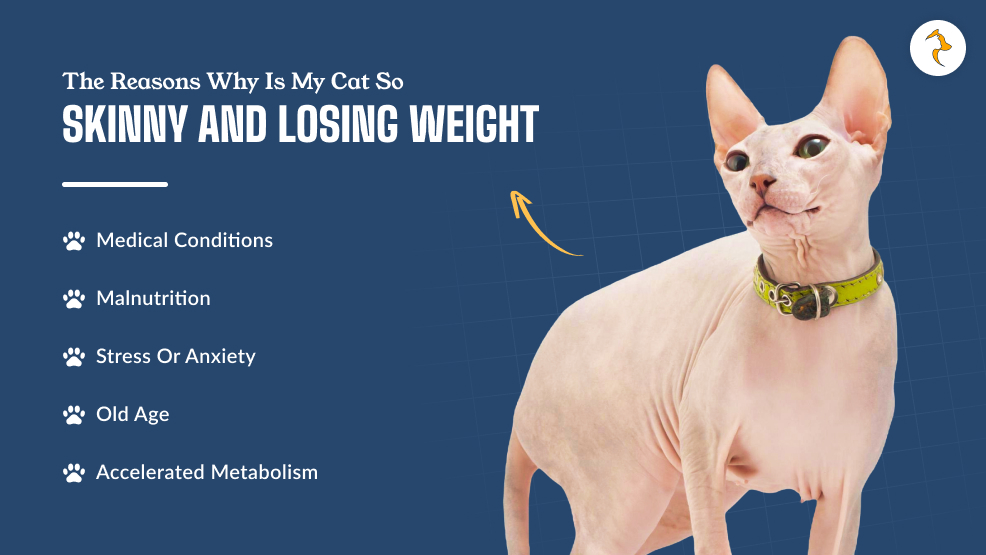
Most of the time, your cat may be skinny and limp, even when you feed her with all the amazing and delicious food.
Either she has a certain medical condition or malfunction that doesn’t allow the body to process the nutrients or absorb anything in the body properly.
1. Medical Conditions
Health problems can be detected by the loss of weight in cats. Common diseases include the following:
- Hyperthyroid Disease: increased appetite weight loss attributed to overactive thyroid;
- Diabetic Condition: weight loss due to an inability to properly utilize glucose and hence proper deprivation of energy;
- Candido-worms: parasites such as intestinal parasites take a lot of nutrients from your cat, causing it to weigh less and less;
- Renal Disease: An old-age illness, an increase in water consumption, and urination may be linked to chronic kidney disease, which could lead to weight loss.
- Cancer: In some cases, the cat could have extreme weight loss in combination with lethargy and/or change in appetite due to certain cancers.
- Dental Affairs: If a cat has dental problems, it could cause injury to eat, and so, weight loss.
2. Malnutrition
Cats lose weight if they do not consume the required calories or nutrients and are not fed proper, rich, high-grade food or too little, leading to malnourishment and unhealthy weight loss.
3. Stress Or Anxiety
When heightened by increased loud noises, changing environments, a new animal added to the household, or moving into another home, it may also result in abandonment of food and, consequently, weight loss.
4. Old Age
Old age’s slow metabolism and other diseases only worsen aching joints and make them less playful, resulting in dental problems. They are also the cause of all weight loss among older felines.
5. Accelerated Metabolism
Cats are characterized by tremendous energy and a faster metabolism; they may look too thin due to a lack of food that keeps up with their energy expenditure.
When Should I Be Concerned?
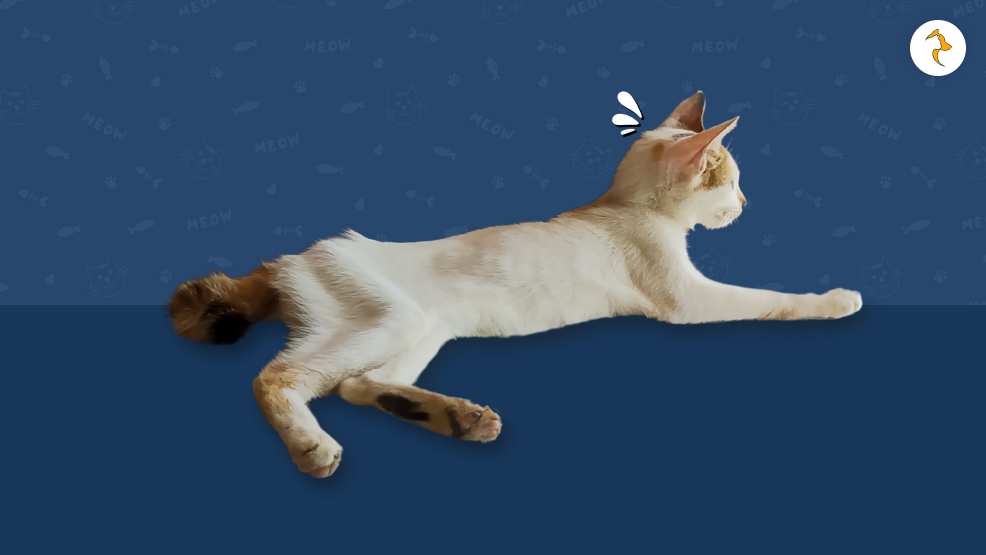
When a previously secure and healthy cat suddenly loses weight, it creates many concerns. At what point is that questionable weight loss so problematic as to warrant bringing it to a vet?
The nature and pace of weight loss in cats usually depend on whether it is gradual or normal. However, there are conditions under which the veterinarian should be consulted.
- Rapid Weight Loss: Rapid weight loss within an extremely short time indicates a frightening internal illness.
- Any Change in Activity Levels/Documents: If your pet is listless, seals itself inside a place frequently, or seems to be in a lot of pain, contact your veterinarian immediately.
- Poor Coat Conditions: A faded or dull coat is a sign of deficient health care, at minimum.
- Changes in Attitude Towards Food and Drinking: An increase or drop in food or water consumption could indicate the probability of diabetes or kidney disease.
- Diarrhea or Vomiting: Continuous stomach internal disturbances can cause weight loss, especially if the cat cannot keep food down.
How to Cure Weight Loss in Cats
- Hyperthyroidism: Oral therapy (e.g., methimazole), transdermal gel, radioactive iodine treatment, or thyroids’ removal.
- Chronic Kidney Disease: Managed with a renal-support diet, subcutaneous hydration, phosphorus binders, appetite stimulants, and anti-nausea medication.
- Diabetes: Involves daily insulin injections, diabetic diet, and regular monitoring of blood glucose.
- Cancer: Managed according to the location and type of cancer by surgery, chemotherapy, radiation, or palliative care.
- Dental Disease: Typically needs professional dental scaling, tooth extraction, and antibiotics.
- Parasites: Provided prescription deworming medication.
- EPI or IBD: Can consist of a hypoallergenic diet, steroids, B12 injections, and enzymes. In general, sooner is better in preventing weight loss and secondary illness.
How To Put Weight on a Cat?
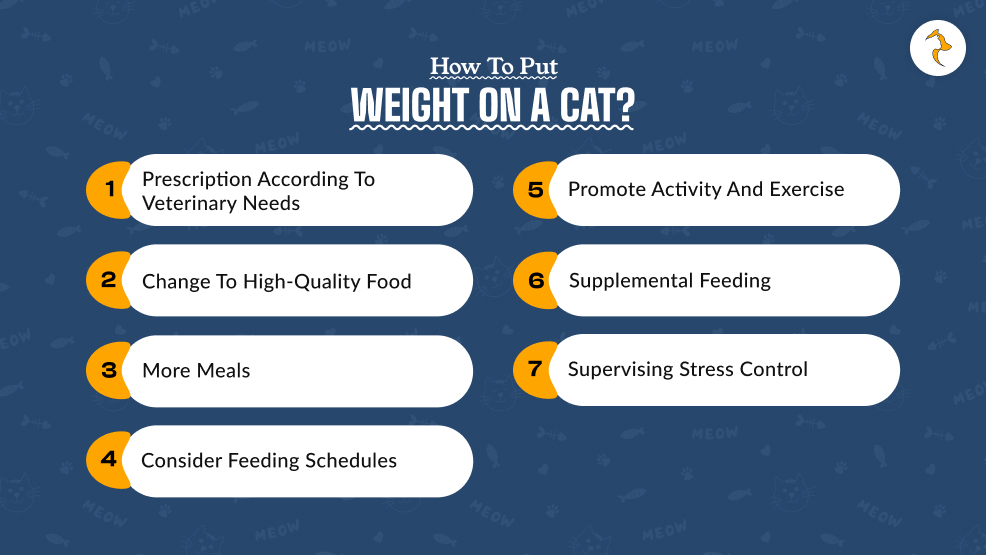
It’s better to discuss your cat’s weight malady or maybe obesity with your veterinarian. Here are a couple of tips that ensure safe weight gain in your cat
1. Prescription according to Veterinary Needs
After a diagnosis, the vet may prescribe medications, special diets, or treatment therapies that may help target the cause of weight loss.
2. Change to High-Quality Food
Shop for cats’ foods rich in calories but with lots of nutrients. Wet food is generally palatable to cats and is easier for those with dental problems to eat. Choose high-protein and high-fat foods for healthy weight gain in your cat.
3. More Meals
Smaller meals can be given to cats at different times during the day. This allows your cat to eat more without the startling big portions that sometimes overwhelm it.
4. Consider Feeding Schedules
A scheduled feeding routine would help establish eating patterns, particularly for the more finicky or erratic eaters.
5. Promote Activity and Exercise
Believe it or not, exercise is essential in your cat’s muscle building. Toys and interactive play would keep the cat busy and maintain physical activity.
6. Supplemental Feeding
If your cat’s appetite doesn’t cooperate, you may opt for supplemental feeding options like specialized weight gain food or even syringe feeding in severe cases. Your vet can help you find the best products.
7. Supervising Stress Control
If stress or anxiety proves to be an issue, reduce the environmental rotor transfers as far as possible. Ensure a quiet area for your cat to eat, including in between noise during quiet time.
Encouraging Your Cat to Eat More

If your cat is stable but won’t eat on its own or is underweight, these veterinarian-recommended tips increase food intake and weight gain.
1. Change to Recovery Diets or High-Calorie Foods
Your veterinarian also will be supplying weight-recovery diet such as Hill’s a/d, Royal Canin Recovery, or canned kitten food. They contain very high protein and fat levels and are highly digestible.
2. Warming Wet Food
Cats employ the sense of smell to induce appetite. Warming food to about 100°F (body temperature) so most aroma and appeal can be released.
3. Offer Aromatic Food Toppers
Mix safe, food-grade ingredients like shredded chicken, tuna broth, bone broth, or freeze-dried liver crumbles into your cat’s daily diet.
4. Use Appetite Stimulants (Under Your Veterinarian’s Care)
Chemically stimulate appetite with drugs like mirtazapine (oral or transdermal) or capromorelin (Entyce).
5. Play with Small, Frequent Meals
Feed small amounts many times a day. Some people like grazing instead of one or two meals.
6. Watch Fluid Intake
Dry animals won’t eat. Offer fresh water, use the assistance of a cat water fountain, or mix broth in the food to enhance fluid intake.
7. Reduce Heat Stress
Environmental changes, new animals, or storms may affect appetite. Develop a quiet place to eat, use the assistance of pheromone diffusers, and implement a regime to reduce stress.
When to Bring Your Cat to the Vet?
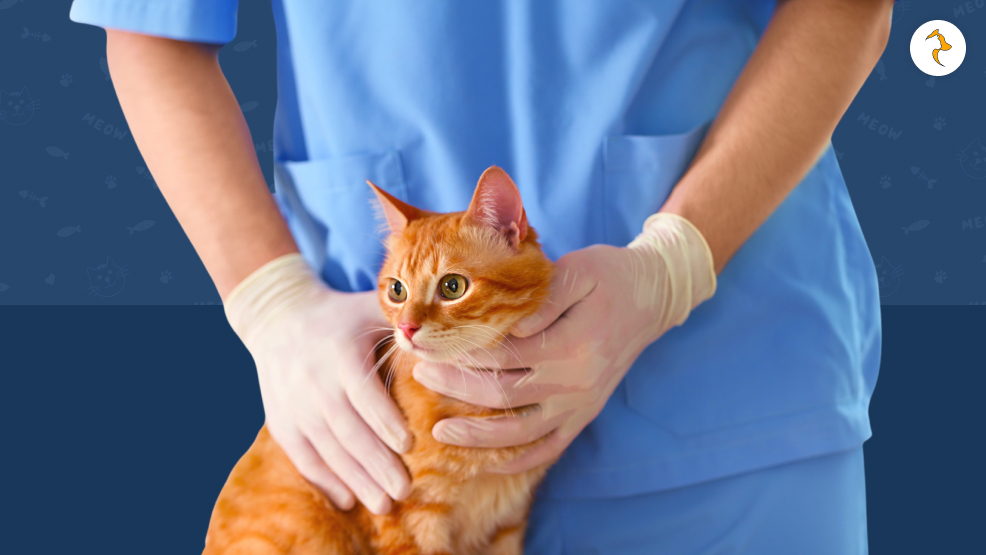
Not all weight loss episodes need your immediate attention with emergency treatment, but having knowledge of when to call the vet now will save your cat’s life.
The Indications You Should Call the Vet Now
- Obvious loss of weight in a short time, e.g., a few weeks or months
- Lack of appetite or refusal to feed for over 24 hours
- Repeated vomiting or diarrhea lasting over 2 days
- Excessive thirst and urination
- Depression or withdrawal, or altered personality
- Ground soiling or excessive grooming of the coat
- Wasting of muscles (especially hip and back)
- Drooling, bad smell, or trouble chewing Your vet will likely start with a physical exam and suggest tests like blood work, urinalysis, X-rays, fecal examination, or ultrasound. They point to underlying illness such as thyroid disease, kidney disease, or cancer.
Why Is My Cat So Skinny? Early Action Does Matter
To understand why, your cat must be skinny but eat normally (or just a lot). Is this all due to high metabolic activity, an illness, or some complication associated with nutrients being unable to be absorbed?
A thin cat is not merely a cosmetic problem—it’s basically always an early indicator of clinical disease. Whatever the problem, metabolic, dental, GI, or behavioral, it’s always best to address the underlying problem before it gets too bad.
Geriatric cats are particularly chronically ill if they’re thinning, where early chronic disease is probably already so in any case.
Frequently Asked Questions (FAQs)
Here are some of the answers to some of the most commonly asked questions about Skinny cats.
Cats lose weight despite a normal appetite for several reasons, such as hypothyroidism, gastrointestinal worms, and multiple other things.
Change the diet of your cat. Moreover, provide it with a protein-rich diet and increase the food intake by 20%.
Cats often become bony due to reasons like hyperthyroidism, diabetes, anxiety, and several other conditions.
Share







Leave A Comment