
Can Cats Eat Strawberries? Is It Toxic To Them?

Strawberries are a summer staple. It is something you cannot miss out on. However, what if your feline baby sneaks in and takes a piece? Do you need to rush them to the hospital? Or can cats eat strawberries?
Well, cats can have strawberries, but in limited quantities. Even though these are not toxic to them, this is not exactly nutritious. As I mentioned in “Can cats eat watermelons?”, cats are obligate carnivores.
They survive on animal protein. So, strawberries are safe for them, but they are not necessary in their diet.
Can Cats Eat Strawberries?
Yes, cats can have strawberries. They can have fresh as well as frozen strawberries, but moderation is the key. However, it is best to remove any leaves and stems as cats might find it difficult to chew. It can cause them digestive problems.
But it is best to avoid canned, dried, and candied strawberries because of the high sugar content. Moreover, you can serve them strawberry-flavoured treats if you do not want to give them the fresh fruit.
Can Kittens Eat Strawberries?

Well, the fruit is safe for cats and kittens as well. It is not toxic to kittens. However, it is best to consult a vet when you introduce something new to your kitten, to ensure it is safe for them.
Moreover, when giving them the fruit, you need to dice it into small pieces so they can enjoy the fruit comfortably without any risk of choking. Also, you can follow a feeding chart for your kitten.
Nutritional Values Of Strawberries
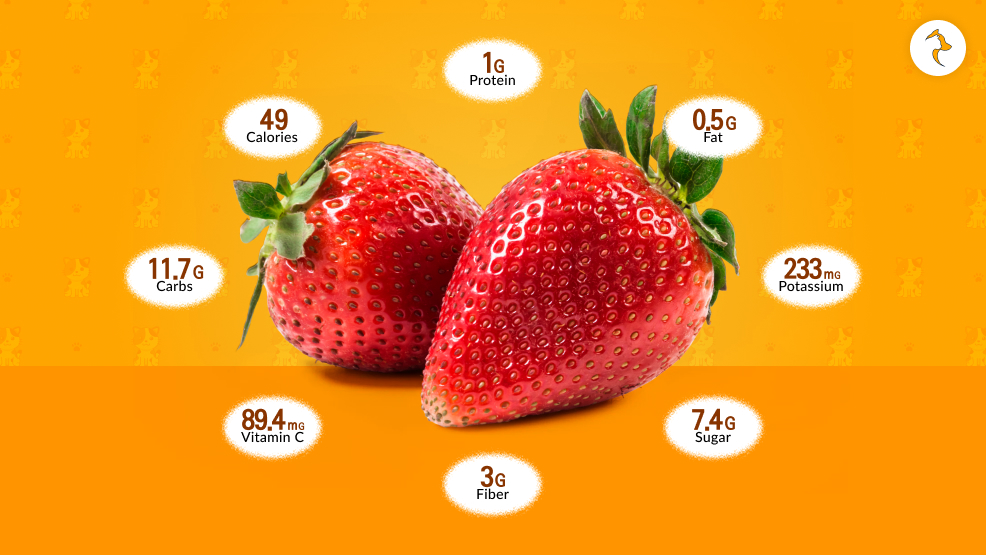
Strawberries are nutritious for humans. However, they are not as beneficial for cats as it is for humans. One cup of strawberries includes:
- Calories: 49
- Protein: 1 gram
- Fat: 0.5 grams
- Sugar: 7.4 grams
- Fiber: 3 grams
- Vitamin C: 89.4 mg
- Carbohydrates: 11.7 grams
- Potassium: 233 mg
Strawberries are rich in antioxidants and boost a cat’s immune system. Fiber supports healthy digestion, and the best part is that it is low in calories. Also, strawberries are 91% water and are one of the most hydrating foods that you can add to your food chart.
Strawberries also contain vitamins A, B6, and C, along with magnesium, folate, and potassium. These nutrients protect the nervous system, support cellular health, and reduce inflammation.
So, if your cat is fond of strawberries, you can give it to them as a treat. However, their nutritional needs are different from humans, and they do not make it a major part of their diet.
Can Strawberries Harm Your Cat? What Are The Risks Involved?
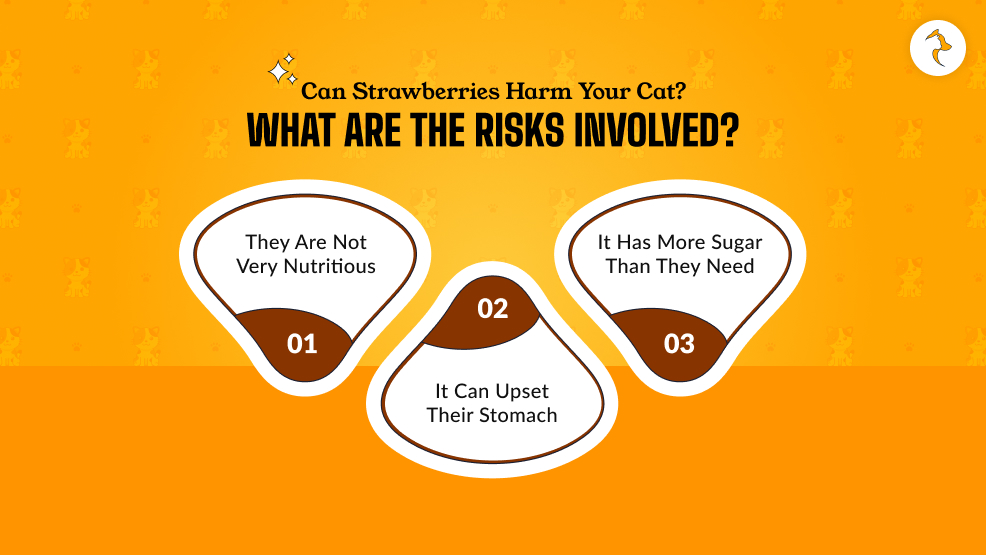
You can give your cat strawberries as treats, but before you give them, there are some downsides to consider.
1. They Are Not Very Nutritious
As I mentioned, cats are obligate carnivores. Their system works best when they consume animal protein. They can digest meat more easily than any other food.
Also, they get the most nutrients from meat proteins. Also, strawberries are rich in carbohydrates and are not going to benefit them much.
2. It Can Upset Their Stomach
If your cat consumes too many strawberries, it can cause gastrointestinal issues, like diarrhea and vomiting.
3. It Has More Sugar Than They Need
Strawberries have less sugar content than grapes and mangoes. But it has more sugar than a cat requires. It can cause problems in overweight cats, especially for those who are sensitive to sugar. If your car has diabetes, it should never have strawberries.
Also, if you are giving them anything new, be aware of allergic reactions. Some of the symptoms include:
- Diarrhea
- Vomiting
- Watery eyes, runny nose, and sneezing
- Coughing or wheezing
Some of the risks of feeding them strawberries are:
- Choking
- Low appetite
- Bacterial infections
- Abdominal pain
How Many Strawberries Can You Give Them?
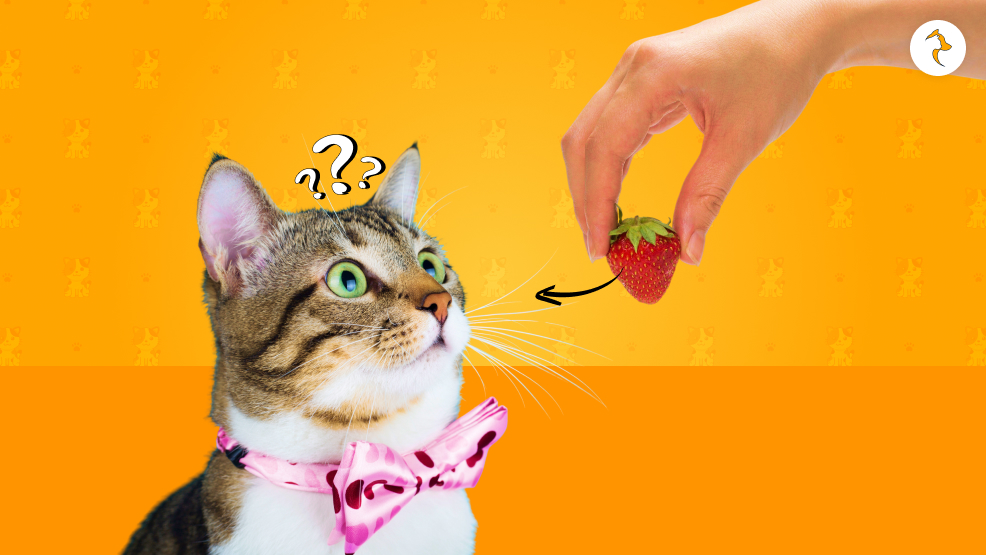
Carbohydrates are not a part of the feline diet. That is the main reason why you should only offer strawberries to them as a treat. A typical 10-pound cat should get 240 to 270 calories a day. And treats should be only 10% of their total calorie intake.
So, let’s consider a medium strawberry has four calories. But six strawberries will have about 24 calories, and that is too much carbohydrate and sugar for a cat’s digestive system. So, you should never get them more than one or two slices.
Consuming too many calories can cause diarrhea and vomiting. This is another reason why you should introduce new food to them in small quantities.
How To Safely Feed Them Strawberries?
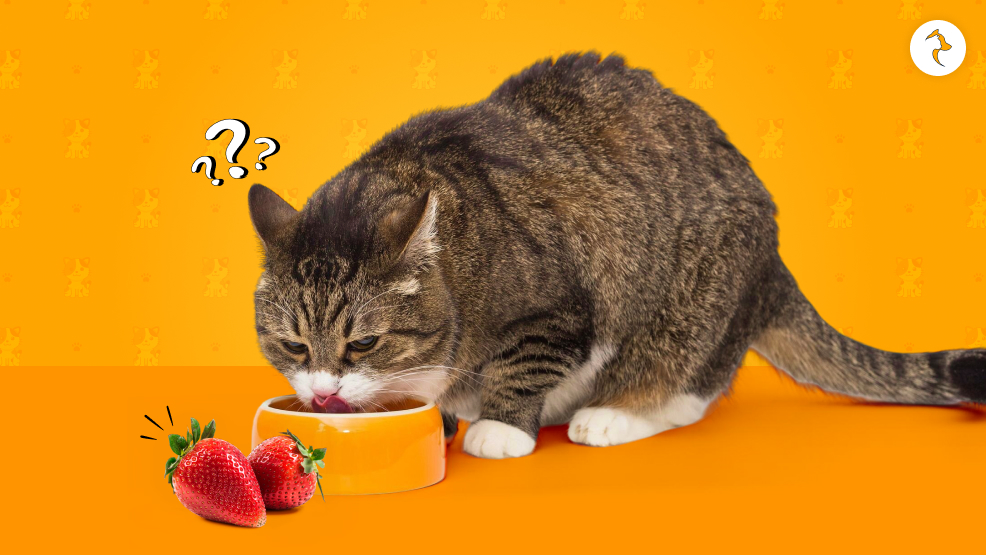
Like other mammals, cats don’t have sweet receptors. So, most cats don’t like the taste of it and will not be interested in it. However, you need to take care if you are serving them strawberries.
Can cats eat strawberries? Yes, but how? You need to prepare it with care to reduce the risks, like digestive issues and choking hazards. You have to follow a few steps to ensure it is safe for their consumption.
- Always give them fresh and ripe strawberries. Never give them sweetened, canned, and chocolate-covered strawberries, as those will have added sweeteners.
- Wash it properly to remove all the dirt, pesticides, and chemical residues.
- Take out the stems and leaves, as those will be difficult for them to digest.
- Lastly, cut it into small, bite-sized pieces to make it easy for them to chew.
Frequently Asked Questions
Here are some of the common questions people ask while discussing whether can cats eat strawberries.
Even though the leaves are non-toxic, you should never give them to your cat. These can cause them to choke, and they will have difficulty digesting them. It can cause gastrointestinal blockage and discomfort.
You can give them strawberry yoghurt if they are not lactose-intolerant. Also, if your cat is obese or has diabetes, you should not give them strawberry yoghurt.
If your cat consumes too many strawberries, it can upset their stomach. There can be side effects from eating too many strawberries, like abdominal pain, diarrhoea, decreased appetite, and constipation.
Generally, cats are not allergic to strawberries. But cats can be intolerant to this, and can experience diarrhoea and vomiting.
In general, you should not give them any human food. However, try to avoid alcohol, chocolate, raw eggs, and other potentially harmful foods from the table.
Share








Leave A Comment