
Whisker Fatigue: How Can You Help Your Cat Get Through It?

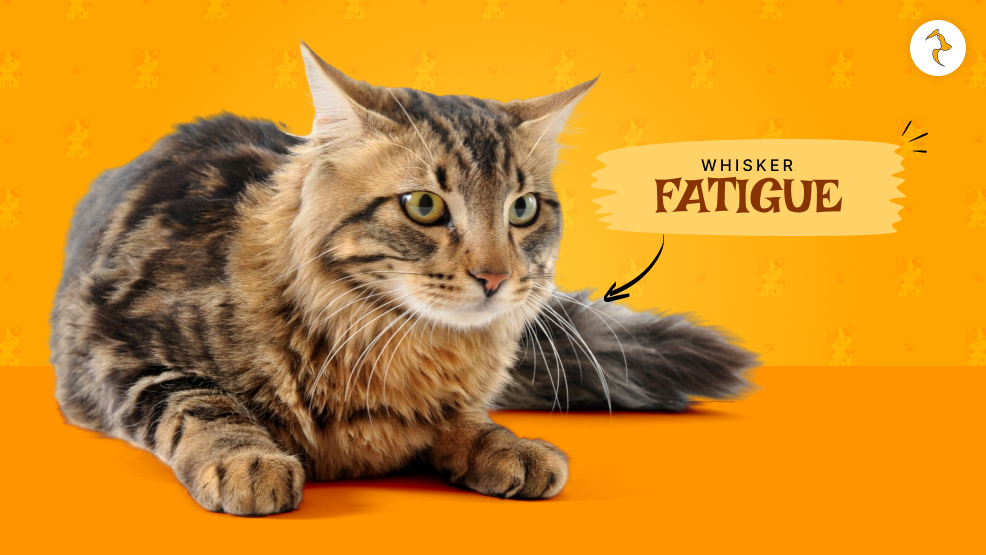
Understanding felines does not always have to be challenging. If you notice your cat being picky about their food, pulling out of their bowl, and eating on the floor, it might not be about the food.
It could be whisker fatigue. Their whiskers are not just there to add to their cuteness. These whiskers are extremely sensitive, and they navigate their environment through them.
They judge the width of an opening with these, the air currents, movements, and how to move in low light as well. Moreover, these help them detect vibrations from objects and sound.
What Is Whisker Fatigue?
Whisker fatigue is something that happens when a can has overstimulated its whiskers. As there are numerous nerve endings in these whiskers, continued contact like brushing against the sides of a food bowl can cause sensory overload.
Every time their whiskers come in contact with an object or even the slightest of movements, they send a message from these sensory organs to their brain.
Dr. Neil Marrinan, DVM, of Old Lyme Veterinary Hospital, told PetMD, “That barrage of messages could stress out your cat and eventually cause whisker fatigue or whisker stress.”
However, this is a controversial topic, and not all veterinarians believe in whisker fatigue. Additionally, they think that not all cats face this. There is not enough scientific proof on this matter. It is used to describe some stimulants that cause unhealthy behavior.
What Are The Common Causes Of Whisker Fatigue?
Whiskers stick out of their face to make contact with different objects that are close to their face. Even though there is purpose to it, there are some items and spaces in the house that can cause whistler fatigue because of everyday use.
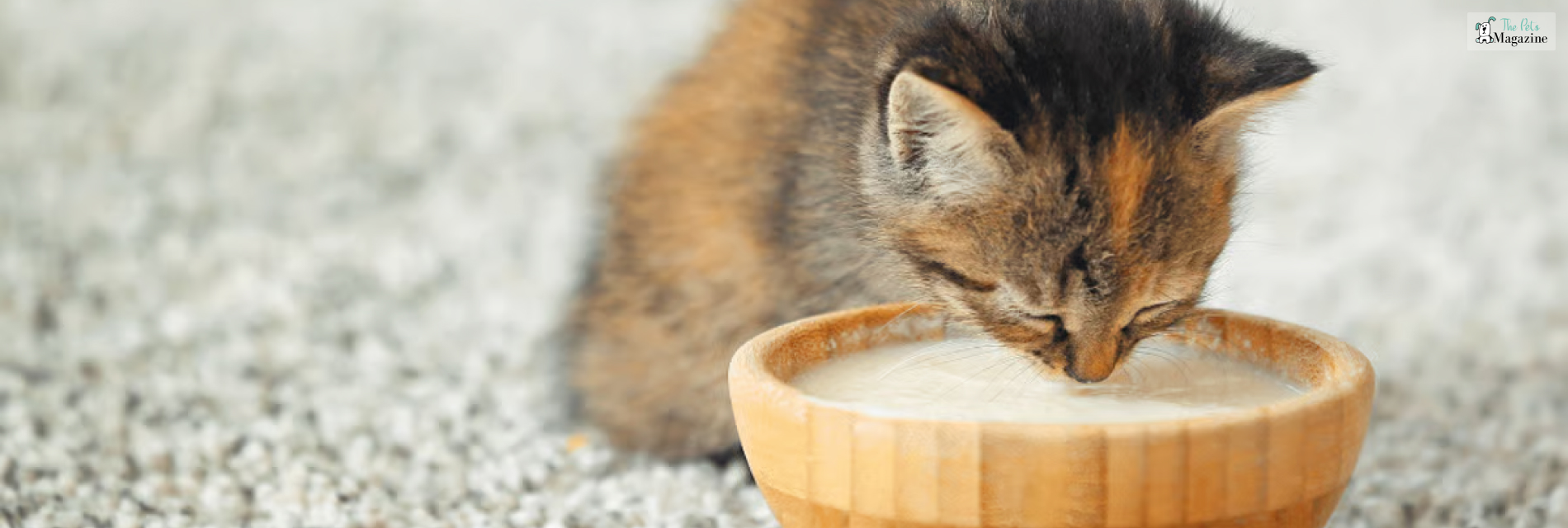
Food and water bowls are one of the major causes behind this. When their whiskers brush against the side of the bowl, it can overwhelm the sensory receptors and cause stress.
Small bowls, or deep, narrow ones, as well as bowls with a high edge and plastic bowls, can cause this. A wrong bowl can cause whisker fatigue.
Use anti-whisker faugue bowls. It is better if you choose saucer-style bowls, stainless steel ones, or one that has a wide opening, which can reduce their irritation a lot.
Signs That Your Cat Has Whisker Fatigue
A cat’s behavior towards their water and food bowl can tell you if your cat is stressed or anxious. If your cat is experiencing whisker fatigue, you will notice some of these signs:
- They are acting hungry, but refusing to eat from a particular bowl.
- Walking back and forth in front of the water or food bowl.
- Moreover, they are showing aggressive behavior towards other pets when they are eating.
- Taking food out of the bowl and eating on the floor.
However, showing this kind of behavior related to eating can be a sign of other health issues as well. You need to rule it out. Take them to a vet if you notice this kind of behavior.
These might happen because of gastrointestinal issues, dental disease, kidney disease, or oral tumors.
How Does It Affect Different Types Of Cats?
Whisker fatigue does not affect all cats the same way. Every cat has their own unique personality, and its sensory tolerance also varies. Some cats show extreme reactions, while others might be indifferent to it.
Some cats are just more sensitive than others. These are cats that like to be in a quiet and calm environment, startle easily, and are picky about their food and litter boxes. These kitties are anxious, and even a small brush against their whisker can be uncomfortable for them.
The moment they are bothered and get uncomfortable, they will let you know from their change in behavior. However, there are some cats that are not bothered by the little changes in their surroundings.
They remain steady even when they encounter strangers, loud noise, and a change in routine. However, this does not mean they are not affected. They also show signs, but those are more subtle ones.
They might be gazing at the food and not getting close to it, avoiding eating altogether, and you might even notice gradual weight loss without any illness. Also, older cats with dental problems and arthritis might even struggle even more with whisker discomfort.
How Can You Make Their Mealtime Comfortable?
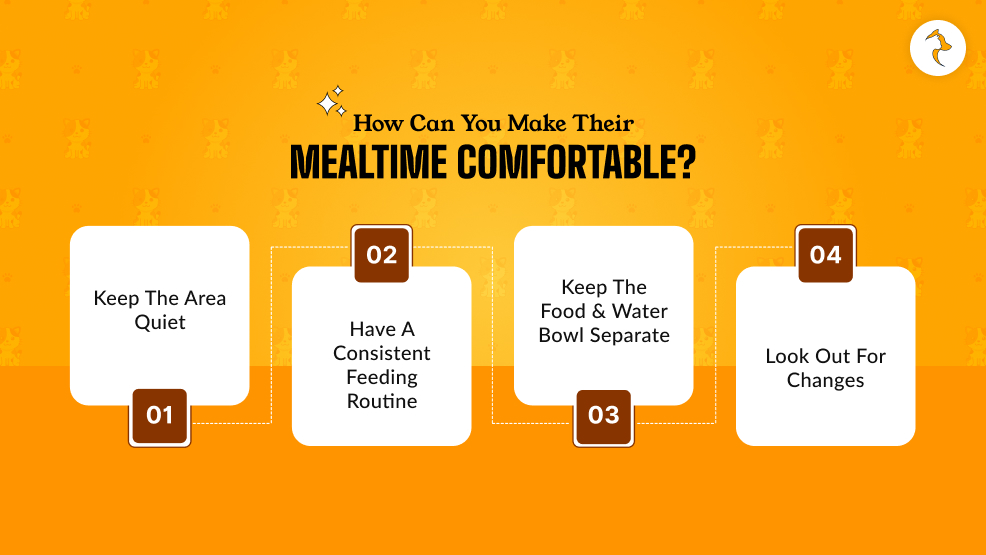
Even though I have mentioned that the condition can improve if you use a different bowl, there are other steps you can take to make things better for your cat. You need to give them a calm and comfortable mealtime.
1. Keep The Area Quiet
Place their water and food bowl in a place where your family members will not pass by. If they are interrupted by movement and noise, it can add to their stress. If they are uncomfortable already, it wil startle them even more.
2. Have A Consistent Feeding Routine
Routines are comforting. Having a consistent feeding schedule will reduce anxiety. Moreover, you will be able to spot any changes in their behavior. They will know when to expect food, and you can look out for signs of discomfort.
3. Keep The Food & Water Bowl Separate
Some cats like to keep their food and water bowls separate. However, do not keep the bowls close. Put those in a separate location to space things out for them and give them more room without feeling crowded.
4. Look Out For Changes
Even if you have changed their bowl, you will have to monitor them during their mealtime. Check how they behave while eating, whether they are finishing their food. Moreover, look for the smallest of changes and improvements. This could mean you are on the right track.
Why Is Whisker Awareness Needed?
As cat parents, I know you spend a lot of time choosing the right kind of food, wet vs dry, the right type of toy, and the right kind of litter box for them. But bowls are something that we often overlook.
When you learn about whisker fatigue, you start noticing the small problems they face, or see the world from a cat’s perspective. When you invest in a whisker fatigue bowl, it means you are paying attention to the little things they need. You are being a mindful parent.
Frequently Asked Questions
Here are some of the common questions people ask about whisker fatigue.
When your cat is experiencing whisker fatigue, you will notice them moving in front of the water or food bowl, acting hungry but not eating, and taking their food out of their bowl.
No, cutting these does not hurt, as it does not have any nerve endings. But it can cause confusion, disorientation, and irritation as it is an important sensory organ.
It does not cause vomiting directly. But it can stress them out, which can cause digestive issues in some cats. If they are avoiding food altogether, they might get sick. If vomiting continues, you should always take them to a vet.
You should choose a shallow but wide bowl that will allow your cat to eat without touching their whiskers to the side. Do not use narrow or deep dishes, and always use separate bowls for food and water.
Yes, these bowls do work. Switching to these bowls actually turns out to be helpful, and you will notice immediate improvements in their behavior.
Share







Leave A Comment