
Why Is My Cat Sneezing? Causes, When to Worry & What to Do

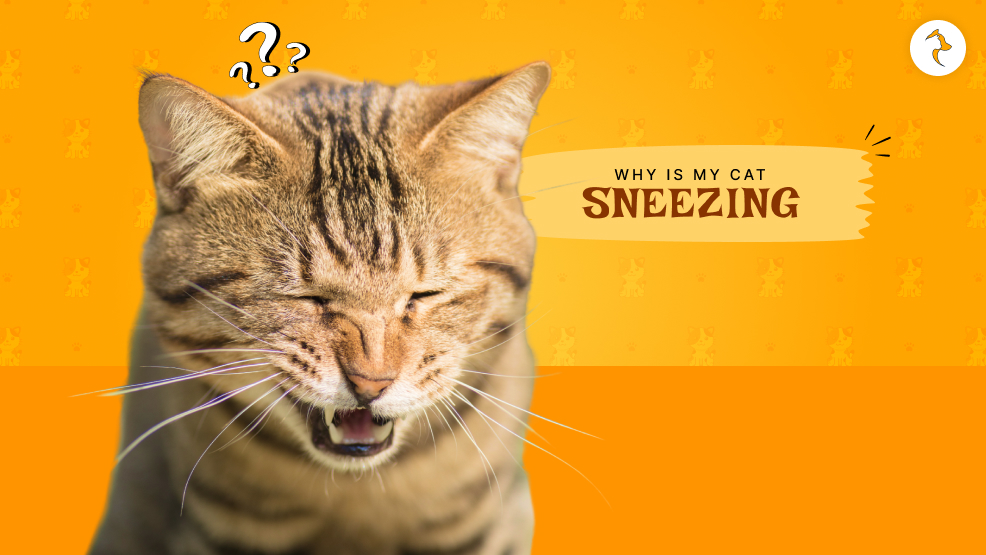
A cat sneezing is normal. Just like humans, they also sneeze to clear their nasal passages and eliminate irritating substances. If they sneeze every once in a while, then there is nothing to worry about.
Cats often sneeze because of movement or excitement. However, if their sneezing persists or you notice any other signs and symptoms of other illnesses, then you need to take things seriously.
You might even need to take them to a vet to understand the cause behind their persistent sneezing. So, you need to know the basics to help your feline friend in the best possible way.
Are They Actually Sneezing?
Before we get to the cause of cat sneezing, you will have to know whether they are actually sneezing. If you have other pets, like a dog, and want to compare their sneezing with your cats, you will be disappointed.
It does not sound similar to a dog. You might consider their sneezing with the following:
- Hiccups
- Coughing
- Reverse sneezing
- Retching
- Wheezing
All of these require medical attention, and you need to take them to a vet immediately. The treatment for every cause is different. Moreover, you can record a video of your cat and take it to your vet, so they can diagnose it primarily and then decide on the course of action.
Common Causes Of Cat Sneezing
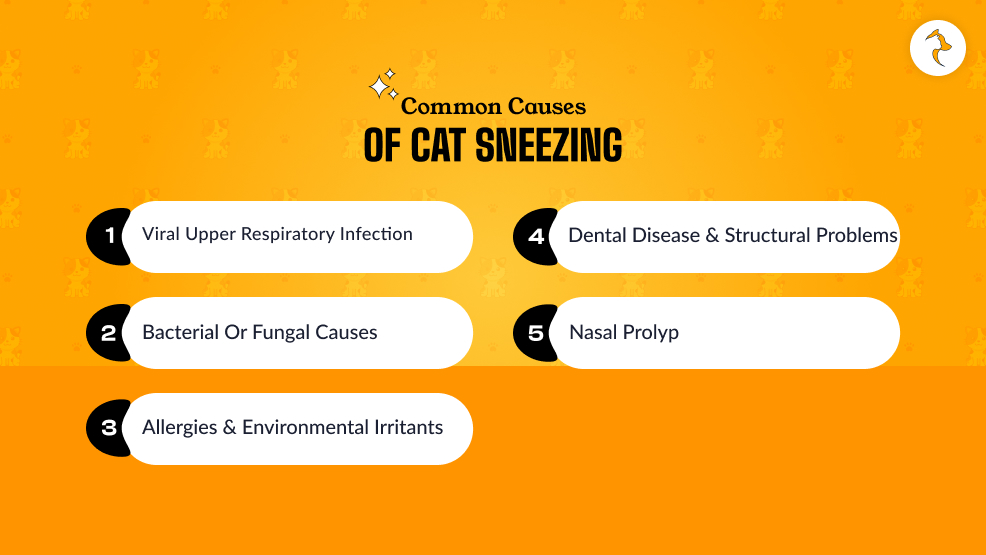
Sneezing is a reflex action that cleans any irritant from a cat’s throat or nose. Inflammation or irritation inside their nasal passage can cause sneezing. However, what are the causes behind cat sneezing? Let’s take a look at those.
1. Viral Upper Respiratory Infection
This is the most common cause of cat sneezing. Different viruses, like herpes and calicivirus, often cause cat upper respiratory infections. Almost 80% to 90% cats have herpes in a dormant form in their nervous system, which often reactivates because of stress.
2. Bacterial or Fungal Causes
Other than viruses, different bacteria also make their nasal passage a cozy space for them. When their nasal passage is infected by fungus and bacteria, it causes cat sneezing and discharge. This discharge is mostly yellow or green in colour.
3. Allergies & Environmental Irritants
Cats are sensitive to many allergens and irritants that they inhale. It could be spices, dust, cleaning products, dust mites, pollens, cigarette smoke, and scented candles that can cause them to sneeze. Moreover, this can also make their eyes red and cause asthma.
4. Dental Disease & Structural Problems
You might be surprised seeing this in this list, but this is true. Dental diseases can cause sneezing. The roots of the upper jaw are quite close to the nasal passages.
If somehow their upper root is infected, it can cause inflammation. This can cause sneezing and nasal discharge. Dental diseases can cause loss of appetite, bloody saliva, chattering teeth, and bad breath.
5. Nasal Prolyp
These are noncancerous inflammatory growths that occur inside their throat and nose. However, the cause of these polyps is not very clear, but you might notice signs such as nasal discharge, sneezing, bad breath, and difficulty breathing.
How Do Vets Diagnose The Cause?
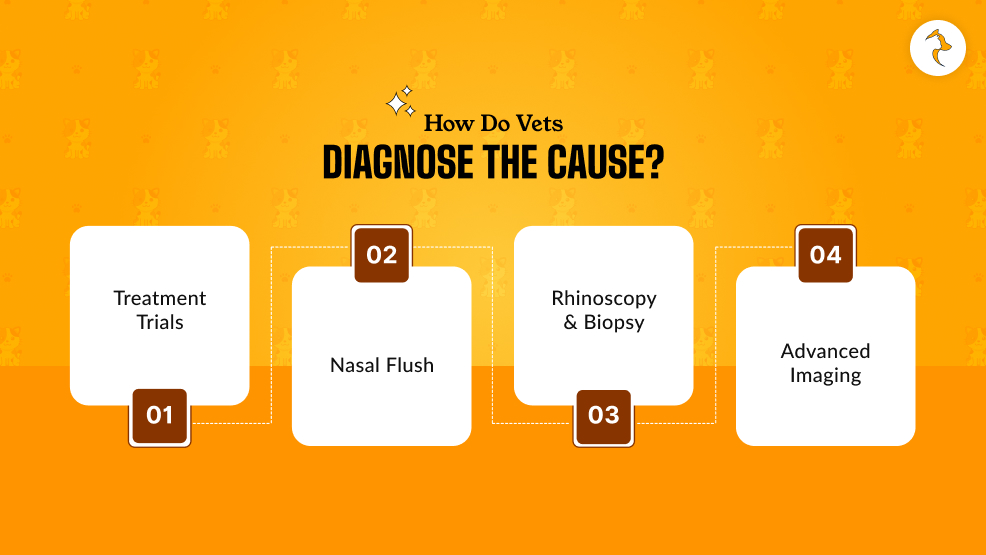
A vet mostly combines different signs and then conducts diagnostic testing to understand the cause of cat sneezing. Some of the diagnostic options vets use are:
1. Treatment Trials
Vets often check how the cat is responding to different medications. They conduct this kind of trial to understand the root cause or determine if there is any underlying reason for their sneezing.
2. Nasal Flush
Vets use a nasal flush to dislodge any irritating debris or foreign objects. This helps in diagnosing the cause and is also therapeutic. However, check whether the vet is performing while your cat is under anesthesia.
3. Rhinoscopy & Biopsy
If your feline baby is not getting better even after their treatment, and their condition does not improve, they often recommend an endoscopy of the nasal passage. This is also done under anesthesia. If the specialist still cannot see the problem, they take samples for a biopsy.
4. Advanced Imaging
When treatment fails, and vets cannot find the underlying cause, or when they suspect cancer, CT scans and X-rays often help. A CT scan is an expensive test, and your cat needs to be put under anesthesia. This is saved for severe times, when everything else does not work.
What Are The Treatment Options?
Cats are prescribed antibiotics initially, as the most common cause of cat sneezing is infections. However, any other feline sneezing treatment is done after the underlying cause of this is clear.
Vets often prescribe anti-fungal medications if fungus is the cause, if inflammation is the cause, vets recommend anti-inflammatories and antihistamines. Moreover, if dental problems cause this, dental surgery is recommended.
If they suspect cancer, they will refer you to a veterinary oncologist. Also, if they have a respiratory infection, it permanently damages tiny structures known as turbinates.
When found out in the initial stage, it can be treated, but it often causes long-term sneezing and inflammation known as chronic rhinitis.
How Can You Take Care Of Them At Home?
When your cat is sneezing, your veterinarian will determine a treatment approach based on the underlying cause and your cat’s unique needs. They will customize the treatment plan after checking their situation.
However, supporting care plays a very important role in promoting healing. This often includes saline solution or nasal rinses to flush their nasal passage. Moreover, you have to make sure they are getting a humidified environment to soothe the respiratory tissues.
Here are a few prevention tips that can help a sneezing cat and improve their respiratory health.
Clean their bedding, living area, and litter box regularly to reduce irritants, dust, and dander.
Try to keep your cat away from dust mites or pollen. If needed, change their surroundings carefully to minimize their exposure to allergens.
You need to get them all vaccinated to keep them safe from any kind of viral infections, which can cause kitten sneezing or cat sneezing.
Moreover, you will have to take good care of their oral health. Go for regular dental check-ups and brush their teeth.
Chronic Sneezing & Long-Term Management
Chronic rhinitis is a major cause of chronic sneezing. It is a long-lasting inflammation in the nasal cavity. You will notice different symptoms like noisy breathing, nasal discharge, and sneezing.
It can happen due to different issues like cancer, prolyp, bacterial or viral infections, and diagnosis most likely needs a veterinary workup that involves various kinds of tests. Even though it is not curable most of the time, you can manage the condition through treatments.
You will need to change their lifestyle a bit and go for regular check-ups. Use steam or a humidifier to manage their congestion. Also, try not to smoke in front of them, or keep them away from those areas.
Apply sterile drops in their nostrils, and use a dust-free litter. You need to take them to the vets regularly for nasal flushing. Also, in some severe cases, you might need a feeding tube. Your cat might even need surgery to remove any obstruction or polyps.
Tools & Resources You Can Use
Well, there are no specific cat sneeze trackers available in the market. However, you can monitor their sneezing by observing their health condition and using pet trackers with health-tracing features.
There are various GPS trackers that have health monitoring features. This will help you track their overall health and find patterns that are often linked to increased sneezing. These apps alert you when there is a change in their sleeping patterns or activity levels.
Also, you find out where they have been spending their time when you are not around. This will give you an idea if they have been to areas with outdoor allergens or high pollen.
You can also do this manually. If you think your cat sneezing is a sign of some underlying issue, then track their symptoms. Keep a note on how often they are sneezing. Notice if they are getting long-lasting attacks. Moreover, look out for other symptoms.
Frequently Asked Questions (FAQs)
Here are some of the common questions people ask while discussing cat sneezing.
If your cat sneezes occasionally, it is normal. But if they sneeze frequently or if it is persistent, then you should consult a vet. Also, look out for other symptoms like coughing, nasal discharge, difficulty in breathing, and lethargy.
Yes, sneezing can spread from one cat to another, but not to humans. Respiratory viruses can spread between cars through droplets from coughs and sneezes, direct contact, litter boxes, or food bowls.
A cat’s cold or URI (upper respiratory infection) mostly lasts from 7 to 10 dats. However, recovery sometimes takes time upto two or three weeks. If their condition does not improve in 3 to 4 days, contact a vet immediately.
Yes, this is possible. Allergies can make them sneeze frequently. Their body tries to take the pollen, smoke, mould, and dust through sneezing.
Vaccines prevent sneezing in cats. It protects them against common bacteria and viral respiratory infections. Vaccines can prevent diseases like calicivirus and herpesvirus, which cause sneezing.
Chronic sneezing can sometimes be cured, but not always. The treatment depends on the underlying cause and is addressed with a specific plan.
Share





Leave A Comment