
Signs Of A Happy Cat: How To Read Body Language, Vocal Cues & Behavior

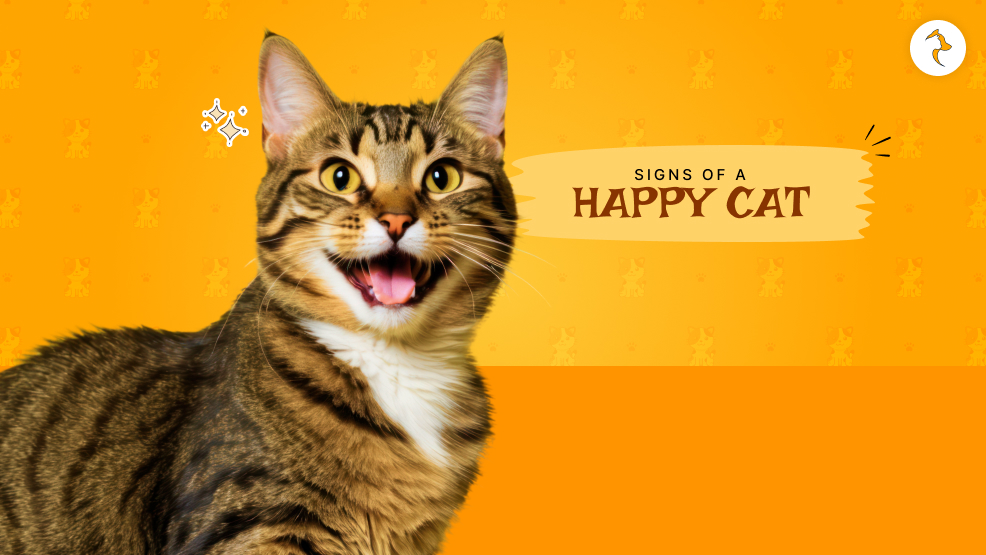
As a cat parent myself, I get a strong feeling when my feline baby is happy. I am sure that if you are a pet parent, you would always want them to live their best lives and be satisfied.
But if you think they will express their emotions the way you do, in any obvious way, you are mistaken. You have to look at the signs. So, what are the signs of a happy cat?
Tom Kirby, a certified animal behavior consultant, told Rover.com, “Happy cats are usually relaxed around their human and cat families, and they freely solicit interactions from them.
He said, “[They] don’t run away when approached, and they display the enjoyment they receive from interactions through purring and reciprocal behaviors like head butting.”
What Does A Happy Cat Look Like?
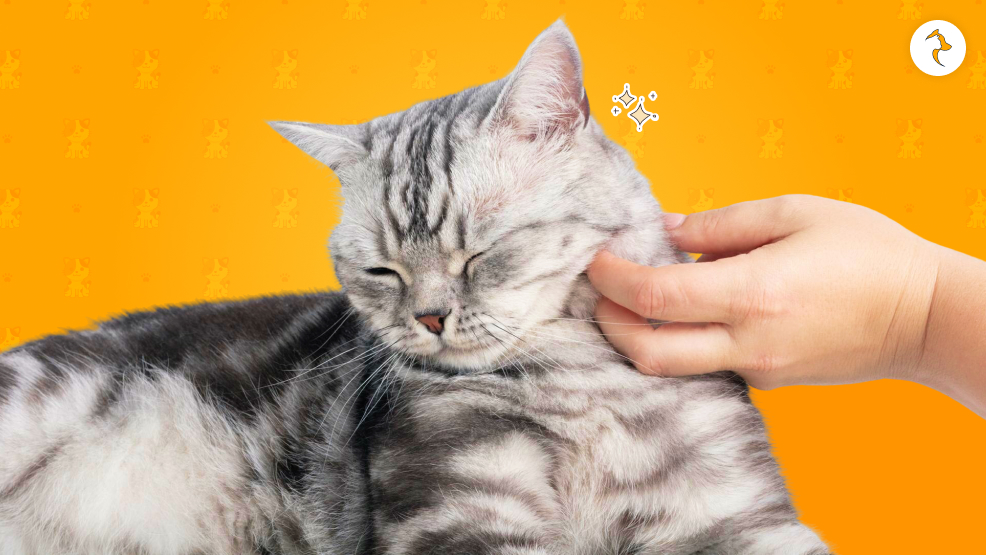
Cats experience a complete range of emotions. When a cat is happy, it will be relaxed, swish its tail gently, blink slowly, and show affectionate behavior like butting heads and kneading.
Moreover, they are playful. They will have a healthy appetite and also be vocal. They will chirp and purr. But you have to know about some of the myths about cat happiness as well.
What Are The Signs Of A Happy Cat?
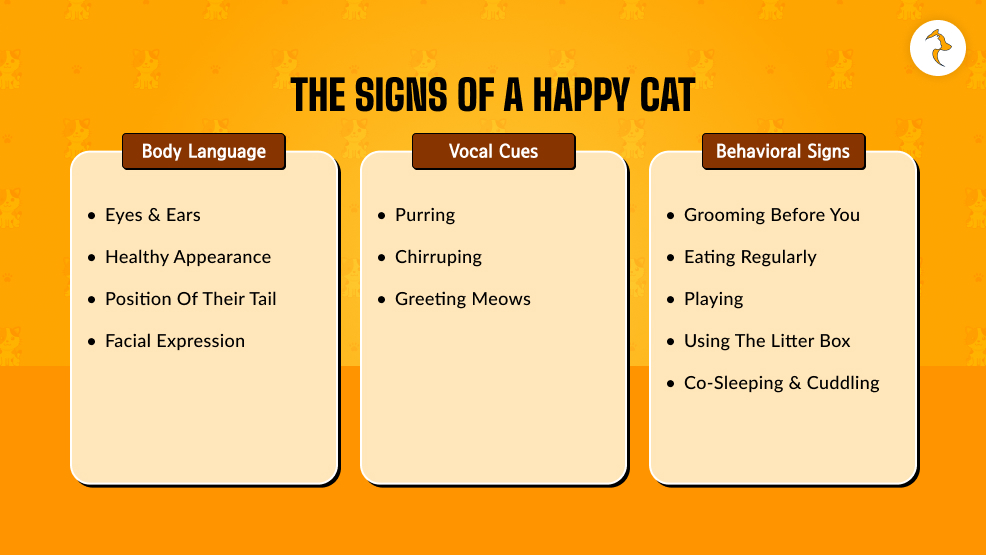
As a cat parent, you will want to make sure that your cat is happy and learn more about their emotional state. So, here are some of the signs of a happy cat that you can look for.
1. Body language
If you notice their body language, you will be able to understand whether your cat is happy. Here are a few things you should check:
- Eyes & ears: If you see their eyes dilated, it means they are happy. Also, when they are happy, their ears will be facing downwards.
- Healthy appearance: If your cat is happy, they will keep themselves groomed. They will groom other cats and lick you as well. This is a sign that they have a positive relationship with you.
- Position of their tail: When a cat is happy, they will have their tail in the upright position. When they are scared or anxious, they will keep their tail lowered or tucked.
- Facial expression: When a cat is happy, its face will be forward and relaxed, and it will have loose whiskers.
2. Vocal cues
Cats are vocal creatures, more so when they are happy. They will try to have long conversations with you, and you might even notice the pitch of their tone changing depending on how they are feeling.
- Purring: A cat generally purrs when they are happy, but not always. They purr when they are in pain, also. So, look out for other signs to confirm whether they are genuinely happy or in distress.
- Chirruping: This is not something you see in all cats. If you have multiple cats at home, you might notice one chirruping and the other not. But this is a sign that your cat is happy.
- Greeting meows: Cats don’t greet other cats with meow, but a happy one does talk and meow to their favorite hoomans.
3. Behavioral signs
If you want to know about the signs of a happy cat, keep an eye on their behavior. Here are a few behavioral signs you need to look out for.
- Grooming before you: If your cat comes out in front of you and grooms themselves there, it means they are comfortable with you. Regular grooming is a sign of a happy cat.
- Eating regularly: if your cat is happy, they will have a good appetite. Moreover, you will notice them enjoying their meals, relishing their treats and being in a good routine. The moment their eating habits change, you will have to consult a vet.
- Playing: A happy cat will show interest in playing. They will keep fidgeting with their toys, play with other cats and bug you to play with them.
- Using the litter box: Your cat will use their litter box when they are happy. They will ignore you if you do not maintain it regularly. But when they are anxious, they will start peeing outside the box.
- Co-sleeping & cuddling: If your cat is happy, then they will try to interact with you. They will come and sit on your lap, give head boops, and try to snuggle with you.
- Kneading: A happy cat kneads their paw into their stomach, bed or blanket.
When “Happy” Might Be A False Positive?
Here are a few false positives you should watch out for if you truly want to know whether your cat is happy or not.
- They rub against you: Yes, kitties rub against you when they are happy, but they also do it when they are trying to mark you.
- Slow-blinking: A happy cat blinks slowly at you. But, notice whether they are blinking or staring blankly at you. If they are making direct eye contact, it means they are challenging you.
- Greets you with meows: Well, a happy cat does greet you with meows and tries to communicate with you. However, remember that a cat also meows when they want attention or when they are stressed and need your help.
Special Cases & Context Matters
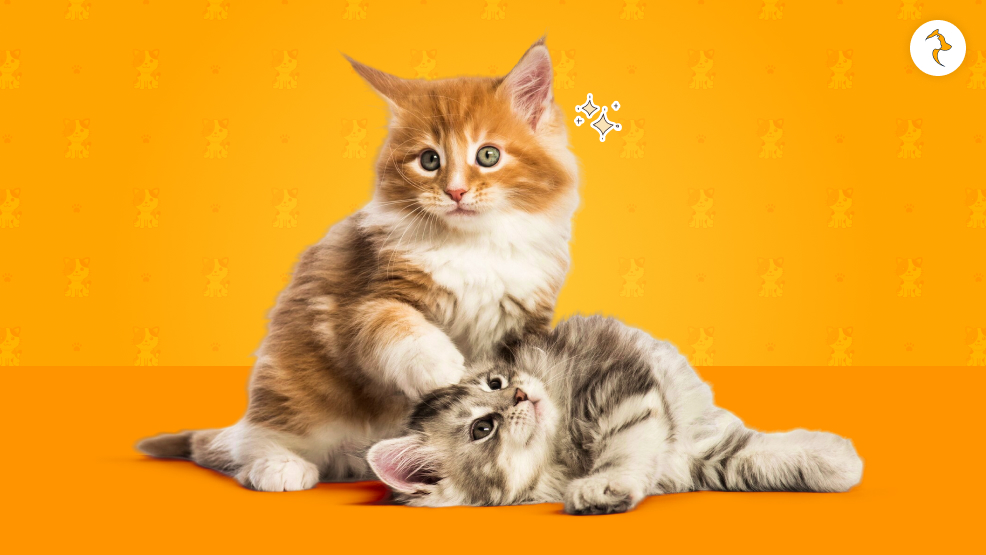
However, when you are trying to know about the signs of a happy cat, you should know about the special cases and contexts.
1. Kittens Vs Adults Vs Seniors
Well, cat behavior changes with age. They have personality and behaviour changes, and they express themselves differently. You will notice a kitten getting close to you, expressing their happiness more than any other cat.
As they grow into an adult, they might get more aloof and not show any physical form of love. But you will in some way or another. And this reduces when they get older. They become more reserved and will not express themselves anymore, even when they are happy.
2. Multi-Cat Households
Not all cats are the same. The way one of your cats behaves, the other one might not. One might be expressive while the other is not.
Cats are known to be private, so if one is not purring around or willing to cuddle with you, that does not mean they are not happy. Look out for other signs.
3. Breed & Personality Differences
As I mentioned, every cat is different, and breed and personality traits also vary. Some breeds are more active, while some are not. Some breeds are more social than others. So, you need to know about their personality details before you expect anything of them.
Frequently Asked Questions (FAQs)
When discussing the signs of a happy cat, here are some of the common questions people ask.
When a cat is happy, you will know it from their body language; they will blink slowly and be in a relaxed posture. But if they are sleepy, you will notice physical cues like a “sleepy smile,” a yawn, or tucking in their paws to get into a more comfortable position.
Adult cats need around 15 to 20 minutes of interactive play to stay happy. But make sure you divide it into two short sessions. However, if you have a younger cat who is more active, they might want some more playtime.
Yes, it can. It provides physical and mental stimulation and reduces boredom and stress. If you include an appropriate outlet for natural behaviors like hunting, climbing and scratching, you will improve their quality of life.
Yes, different cat breeds express happiness differently. They have a unique personality that makes them stand out. It is their genetic influence that makes them act this way.
If you want to keep your shy cat happy, give them a place to hide and maintain a routine. Be patient with them, and always be calm and gentle around them.
Share






Leave A Comment