
Best Dog Breeds For Families: Top Picks For Every Lifestyle


Just because you like a breed, or your friend has one that you love, does not mean you should get that breed. There are various things that you have to consider before you bring home a dog.
It is not just about picking a cute companion. Choosing the best dog breeds means choosing ones that match your lifestyle and are comfortable living with you. It is not just about you; it is about them as well.
Every breed has its ideal physical traits, temperament, and considerations. Here we have listed some of the best dog breeds for families with kids, based on their lifestyle, which you should check out before bringing one home.
What Makes A Dog Family-Friendly?

In general, dogs are social animals and love spending time with humans and other pets. So, when you are choosing a dog breed that will suit your family, here are some of the key traits that you should consider.
- Temperament: When choosing a dog breed, check whether the breed is gentle, patient, and not easily irritated by kids. Moreover, you will need them to be resilient and confident, as they might have to manage unexpected situations without fear.
- Trainability: Check whether they can socialize with kids and other pets. If not, whether they can be trained. Consistent training along with positive reinforcement should manage this behavior.
- Energy level: Ensure the dog matches your family’s lifestyle. If you have an active family, get a highly energetic dog breed. But if you live alone, you should pick a calmer breed.
- Space & size needs: Consider your living space before bringing home a dog. If you have a small space, get a dog that does well in it and is also small. If you have a space to accommodate a larger breed, then go for it.
- Tolerance to noise & play: If you have small kids at home or a loud household in general, bring a breed that will do well in that noise and love playing with your kids.
Best Dog Breeds For Families
Getting the right dog is necessary, as friendly dog breeds not only bring affection and joy into the family but also thrive in households with other pets, dogs, and kids. Their affectionate character and gentle nature make them ideal for families.
Active Families
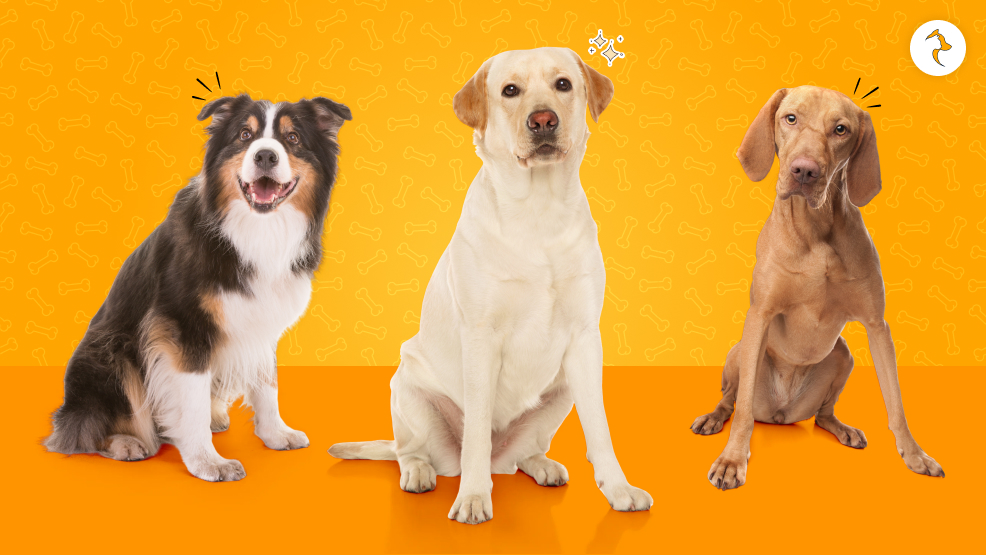
A major part of successful ownership is choosing a breed that goes with your lifestyle. If you have an active lifestyle and love being outdoors, you will need a dog that will keep up with you.
You will want one that goes with you for yoga, running, and hiking. Here are some of the best dog breeds that match your active lifestyle.
- Australian Shepherd: Australian Shepherds are energetic, intelligent, and loyal. They like to stay busy and thrive on stimulation with daily exercise. Moreover, they love long walks, playing Frisbee, and hiking.
- Labrador Retriever: This is one of the easiest-going breeds, but energetic. They will accompany you, no matter if you are playing fetch, going swimming, or teaching them some tricks. They need mental stimulation and are excellent service dogs.
- Vizsala: Vizsalas are majestic creatures, loyal, smart, and active. They like being outdoors and burning energy. They love swimming, hunting, tracking, going for a long jaunt, and running a complete agility course.
Apartment Living
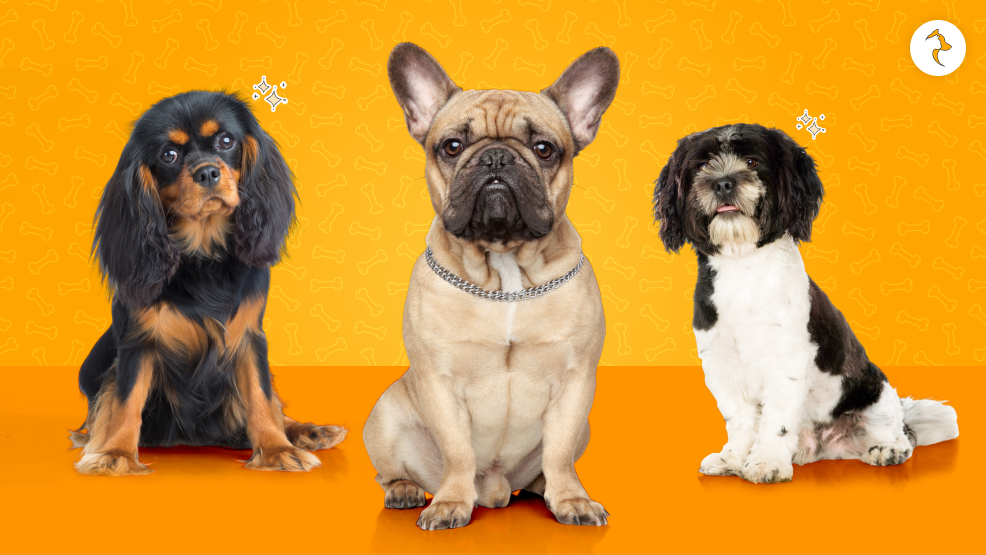
If you live in an apartment and think that the size of the living space is the only thing that you have to consider, then you are mistaken. There are various large dog breeds with a lower activity level that manage well in small spaces.
Also, there are small dog breeds with high energy levels that do well with a brisk walk or indoor playtime.
Moreover, you have to think of your neighbours as well, and get one that will not bark all day and is patient. Here are some of the best dogs for apartment living with kids.
- Havanese: This affectionate dog breed thrives in palatial estates, small apartments, and urban environments. They are quite adaptable and need regular exercise, but not a lot. They are small, love playing indoors, and, best of all, they are hypoallergenic.
- French Bulldog: French Bulldogs are a medium-sized dog breed with a moderate energy level. They need regular exercise, but are not very active. A daily walk with some exercise will keep them in shape. And the best part is that they rarely bark.
- Cavalier King Charles Spaniel: They are calm and gentle, along with a happy and upbeat character. They have a medium energy level and will thrive with regular walks and some games. They are moderately vocal but also love being couch potatoes.
Families With Infants And Toddlers
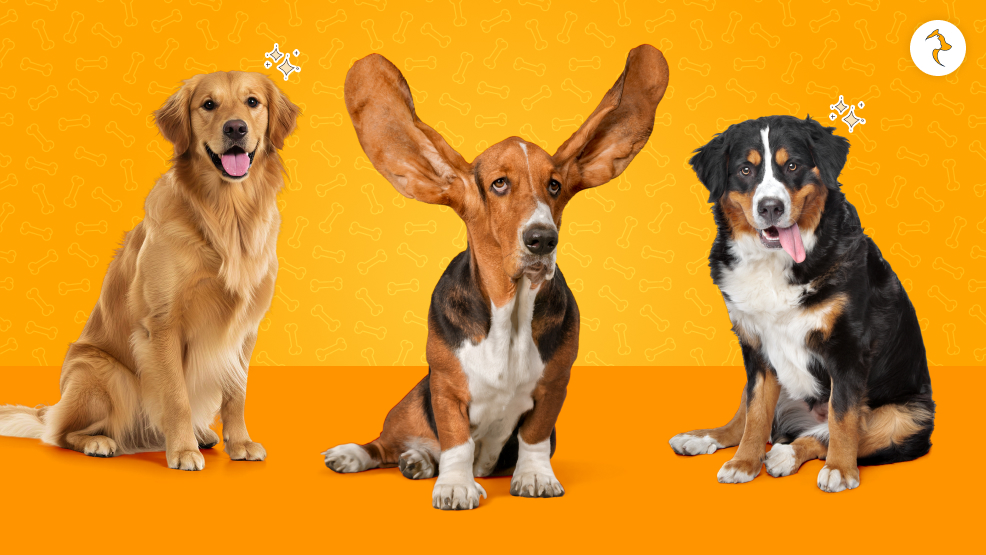
Your kids will have a memorable childhood if they have a loyal, loving dog by their side. They will have a playful companion, a cuddle buddy, and a patient listener. Moreover, they bring an extra dose of happiness and love to your home.
Here are some of the best dogs for apartment living with kids, or for families that have toddlers and infants at home.
- Basset Hound: The Basset Hound is low on energy and is good-natured. They are friendly and affectionate with kids and other animals. You might have to train them a bit, but they learn fast.
- Burmese Mountain Dog: Do not judge them by their size. They are sturdy and strong, but gentle with kids, specifically. Moreover, they are soft and affectionate and love exploring the outdoors with your little one. They are one of the best dog breeds for toddlers.
- Golden Retriever: Golden Retrievers retain a puppy-like attitude even as adults. They are synonymous with friendliness and warmth. They are patient and gentle with them and love playing with them. Moreover, you can take them with you on trips.
Multi-Generational Home
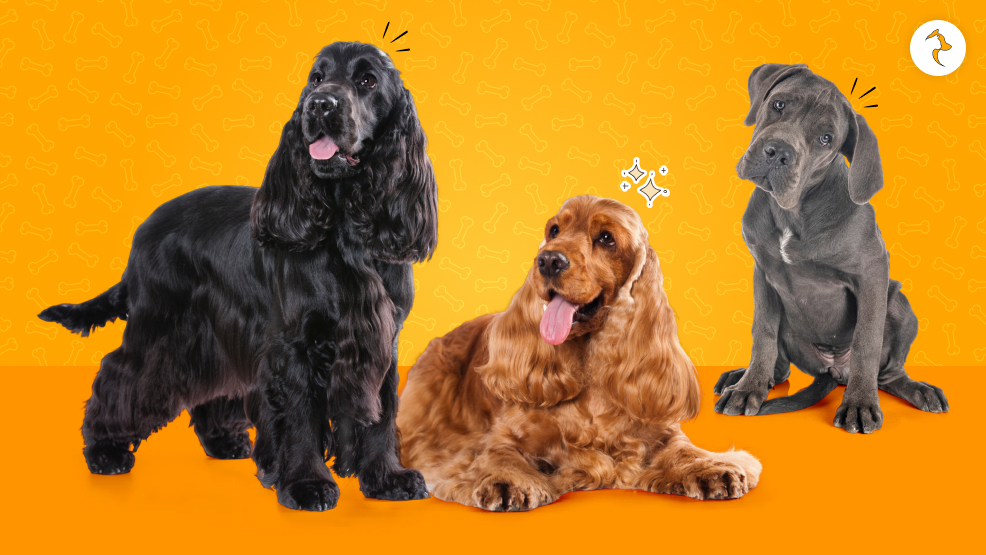
If you live with your family and have members of different age groups, you need a dog breed that will get along well with everyone. Here are some of those dog breeds mentioned.
- Beagle: Beagles connect well with all; it is in their nature. They are loving and affectionate and adapt to family life easily. They love being around people and are effective guard dogs, and will do well if you have elderly people at home.
- Cocker Spaniel: This breed does well with people of all ages, whether you have kids at home or senior members. Their gentle and affectionate nature makes them amazing family companions.
- Great Dane: Great Danes are known as gentle giants, and they live up to their names. They are perfect for a multi-generational home because of their friendly, patient, and affectionate nature. They are wonderful and loyal companions.
Multi-Pet Household
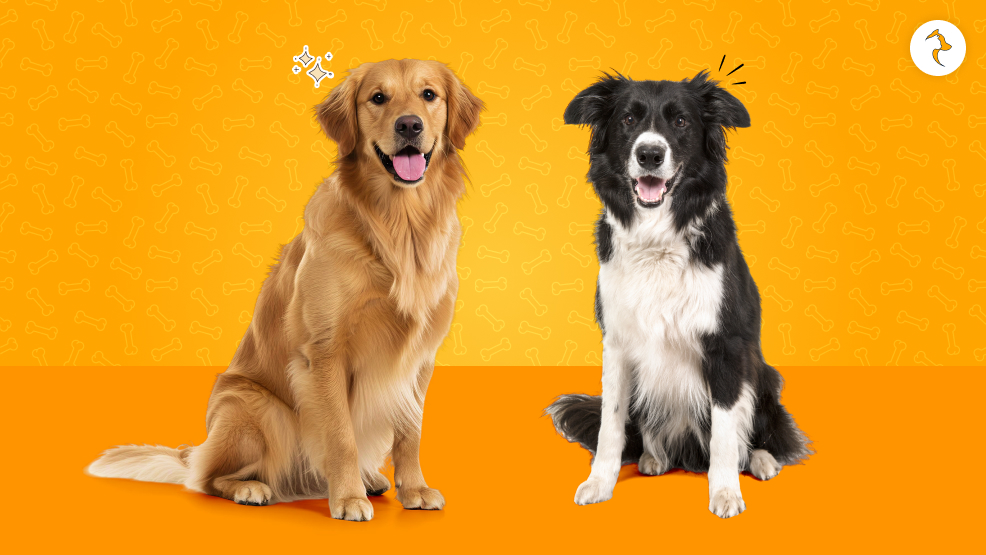
If you already have a dog, cat, or any other animal at your home, you need to make sure that the next dog you bring home gets along with your other pets.
You have to ensure they do not have territorial issues, become aggressive, or have any other problems. Here are some of the best dog breeds to get in a multi-pet household.
- Golden Retriever: Goldens justify their names in every way possible. They have a heart of gold and want to love everyone around them, be it kids or other animals. They love being around other animals and will make sure they never hurt them.
- Beagle: People generally associate them with hunting, but they are known for their affectionate nature and smartness. Beagles have a playful temperament and prefer company, whether it is a human or another pup. They get depressed when left alone.
- Collie: They are calm and social and love interacting with other animals. If you have a multi-pet household, you need to introduce them carefully and from the moment you bring them home.
Allergy-Friendly Dog Breeds
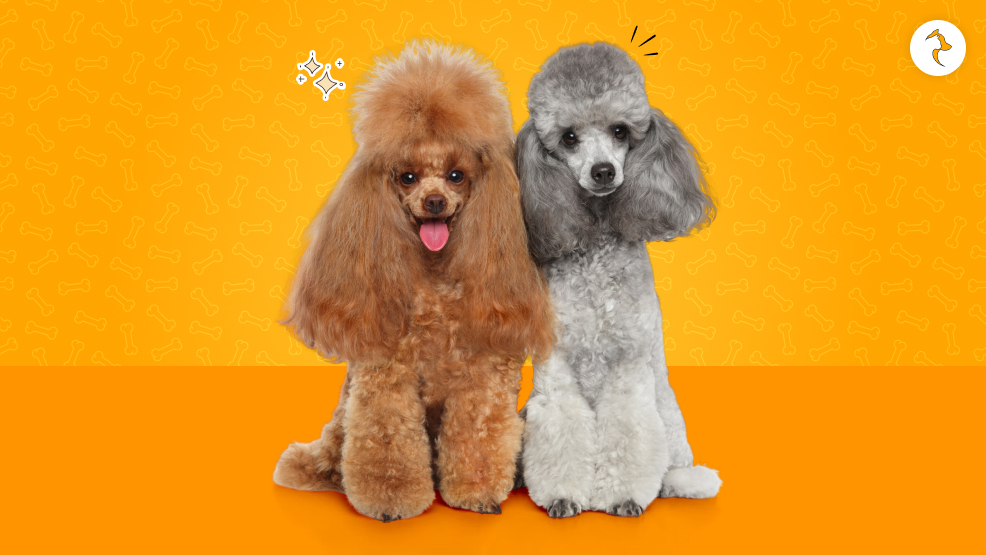
Love dogs but get allergies when around them? Well, that does not mean you have to be deprived of the joy of getting their loving company. This is why you should get a hypoallergenic dog.
Even though no dog is 100% allergen-free, hypoallergenic dogs produce fewer allergens. Here are some of the best dogs for families with allergies.
- Poodle: There are three types of Poodles, available in different sizes, and all are known for being hypoallergenic. No matter what size you get, you will need a proper dog comb to brush those curls and prevent them from getting matted and tangled.
- Soft Coated Wheaten Terrier: This Irish breed has a silky soft coat and does not shed much. They are best suited for active families as they need a lot of stimulation and exercise to be on their best behavior.
- Portuguese Water Dog: They are one of the best family dogs that don’t shed and are hypoallergenic. They are high on energy and need regular exercise to stay happy and healthy. This is one of the best dogs for families with allergies.
Grooming Tips
If you are allergic to dogs, it is best to have a hypoallergenic dog at home. But if you have one that sheds a lot, here are some grooming tips that can help.
- You need to brush them 2-3 times a week with a soft brush and preferably outside.
- Use a hypoallergenic dog shampoo to reduce allergens. Moreover, wipe their paws to remove other allergens and pollen.
- Use a HEPA vacuum to clean your house, and wash their bedding with hot water.
- Moreover, use a HEPA pet air purifier to reduce allergens.
Regional Suitability
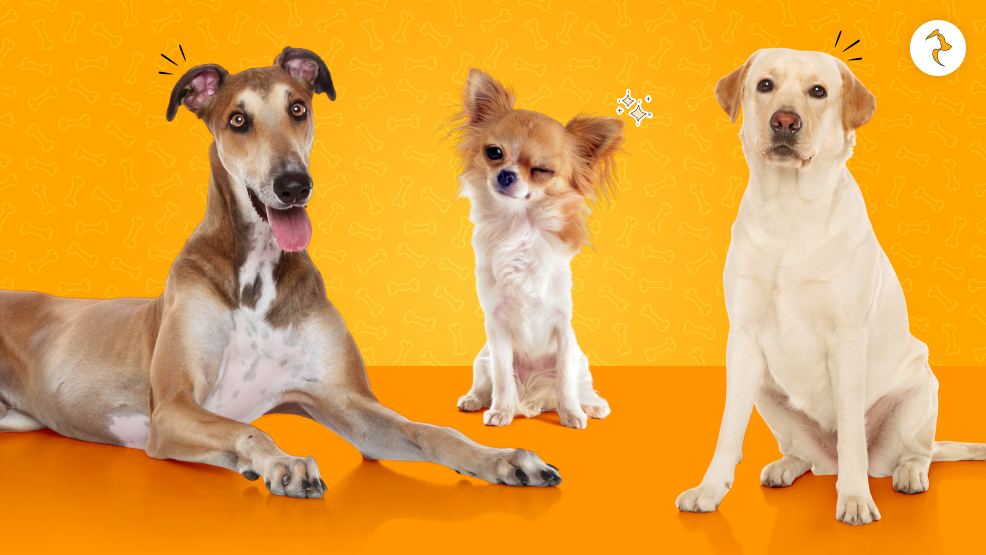
You also need to choose a dog breed based on the region where you live. Climate and culture should also play major roles in selecting a dog breed. So, if you live in a hot, humid place, like India, here are some of the dog breeds that you should choose.
- Rajapalayam
- Greyhound
- Dalmation
- Beagle
- Labrador Retriever
- Golden Retriever
Here is a distinction of breeds that thrive in rural vs urban Indian homes.
| Rural India | Urban India |
|---|---|
| Indian Pariah | Doberman |
| Rajapalayam | Golden Retrievers |
| Mudhol Hound | Labrador |
| Dachshund | German Shepherd |
| Beagle | Indian Spitz |
What Is ATTS? Why Does It Matter?
ATTS, or the American Temperament Test Society, evaluates dogs on friendliness, protectiveness, and stability.
This is done to assess their temperament through a series of 10 tests. They stimulate different scenarios and expose them to various situations to assess their confidence and stability.
If you are bringing a dog home to live with your family, you need to check this out. Breeds that pass with a higher rate are safer for families. Going by the ATTS Breed Statistics, here are some of the breeds and their pass rate.
| Breed | ATTS Pass Rate |
|---|---|
| Australian Shepherd | 82.5% |
| Labrador Retrievers | 92.4% |
| Vizsala | 86.9% |
| German Shepherd | 84% |
| Cavalier King Charles Spaniel | 85.7% |
| Golden Retrievers | 85.6% |
| Basset Hound | 87.5% |
| Boxer | 88% |
| Beagle | 80.5% |
| Cocker Spaniel | 82.4% |
| Great Dane | 82.7% |
Breed Cost Breakdown For US Families
If you are planning to bring a dog home, you should have an idea of how much it will cost you each year. Here is an approximate cost breakdown to get you a clear picture.
| Breed | Initial Cost (Adoption + Supplies) | Monthly Expenses (Food, Toys, Insurance, etc.) | Annual Vet Bills | Training | Grooming (per session or annual est.) | First-Year Cost | 5-Year Cost (Est.) |
|---|---|---|---|---|---|---|---|
| Australian Shepherd | $1,000 – $2,500 | $100 – $150 | $600 – $800 | $300 – $600 | $50 – $100/session | $3,000 – $4,500 | $10,000 – $13,000 |
| Labrador Retriever | $800 – $2,000 | $120 – $180 | $500 – $700 | $250 – $500 | $40 – $80/session | $2,800 – $4,200 | $12,000 – $14,000 |
| Vizsla | $1,200 – $2,000 | $100 – $140 | $400 – $600 | $300 – $600 | $40 – $60/session | $3,000 – $4,200 | $9,000 – $12,000 |
| German Shepherd | $1,000 – $2,500 | $120 – $180 | $600 – $900 | $500 – $1,000 | $60 – $100/session | $3,500 – $5,000 | $12,000 – $16,000 |
| Cavalier King Charles Spaniel | $1,200 – $3,000 | $90 – $130 | $700 – $1,000 | $200 – $400 | $50 – $80/session | $3,000 – $4,800 | $11,000 – $13,500 |
| Golden Retriever | $1,000 – $2,500 | $120 – $180 | $600 – $800 | $300 – $600 | $60 – $100/session | $3,200 – $4,800 | $12,000 – $15,000 |
| Basset Hound | $800 – $1,800 | $100 – $140 | $500 – $700 | $200 – $400 | $50 – $80/session | $2,600 – $3,800 | $9,000 – $11,500 |
| Boxer | $800 – $2,000 | $120 – $160 | $600 – $800 | $300 – $600 | $40 – $70/session | $3,000 – $4,200 | $11,000 – $13,000 |
| Beagle | $500 – $1,200 | $80 – $120 | $400 – $600 | $200 – $400 | $30 – $60/session | $2,000 – $3,200 | $8,000 – $10,000 |
| Cocker Spaniel | $800 – $2,000 | $100 – $140 | $600 – $800 | $250 – $500 | $50 – $100/session | $2,800 – $4,200 | $10,000 – $12,500 |
| Great Dane | $1,000 – $3,000 | $180 – $250 | $700 – $1,000 | $400 – $700 | $60 – $100/session | $4,000 – $6,000 | $15,000 – $18,000 |
Rescue Vs. Breeder: What’s Best For Families?

You can give a dog a home when you bring them from a shelter, and you can choose a reputable breeder as well. Here are the pros and cons of both that will help you make a sound decision.
Pros & Cons Of Adopting A Rescue Dog
Choosing to adopt or buy from a breeder depends on your priorities and lifestyle. Here are the pros and cons of adopting a rescue dog.
| Pros | Cons |
|---|---|
| You are saving a life and helping reduce overpopulation. | The history and the breed may not be clear, which can be risky for a family with kids. |
| This is a more affordable option. | Some might have health and behavioral issues from neglect. |
| You will get older, calmer dogs, which is beneficial for multi-generational homes and homes with kids. | If you are looking for a particular breed, you will have limited options. |
Pros & Cons Of Buying From A Breeder
Buying a dog from a reputable breeder also comes with its own set of positives and negatives.
| Pros | Cons |
|---|---|
| You can choose a specific breed with a predictable health history, traits, and temperament. | This option is more expensive. |
| If you are looking for some particular characteristics, like hypoallergenic, this is your choice. | Some breeds may be prone to certain health issues. |
| You get a guaranteed health history. | If the breeder is not reputable, there is a risk of supporting puppy mills. |
Training & Socialization Tips
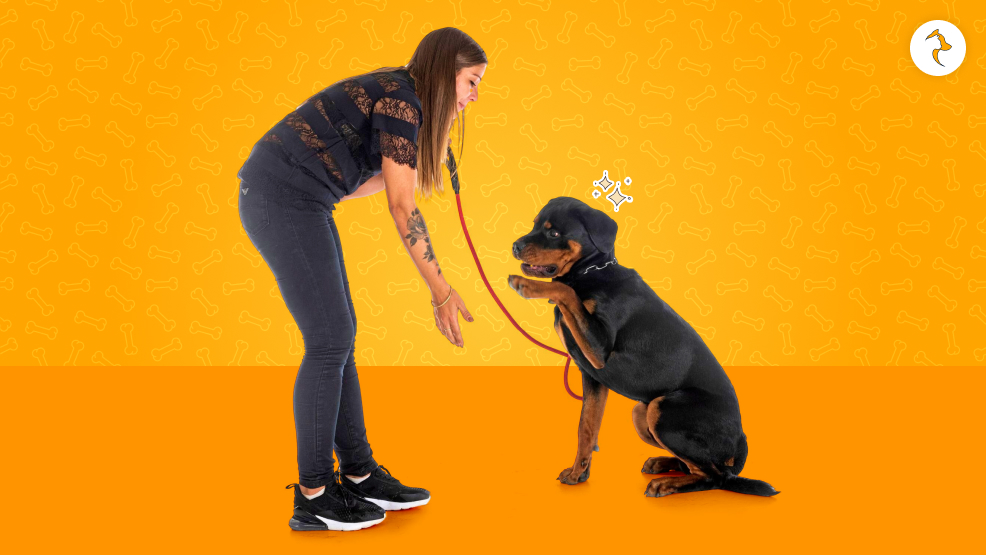
You need to train both your dog and your kid. They should get along, and you have to make sure of it. Dogs are genetically friendly, but you have to make sure how your kid behaves around them. Here are a few tips to teach your kids to be respectful.
- Teach your kids to be gentle around them. They should pet the dog gently and avoid touching its face, nose, tail, or ears. Tell them not to squeeze or hug them tightly.
- Do not leave them unattended till they are well accustomed.
- Tell them not to bother the dog when they are sleeping or eating.
- Moreover, you can get them a few stuffed toys first to practice. Explain the dog’s body language and teach them the signs that indicate when they need to back off or leave them be.
- Involve your kids in training the dog. Have them command the dog or reward them, which fosters respect.
- Teach your kids to be calm around them and not make loud noises, run, or jump. This can scare or overexcite the dog.
- Use positive reinforcement to train a dog. Reward them for being friendly and gentle with kids.
- Start socialization early and create a positive association with experiences, people, and sounds.
- Maintain a positive, calm environment around them. Try not to stress them.
Common Mistakes People Make While Training
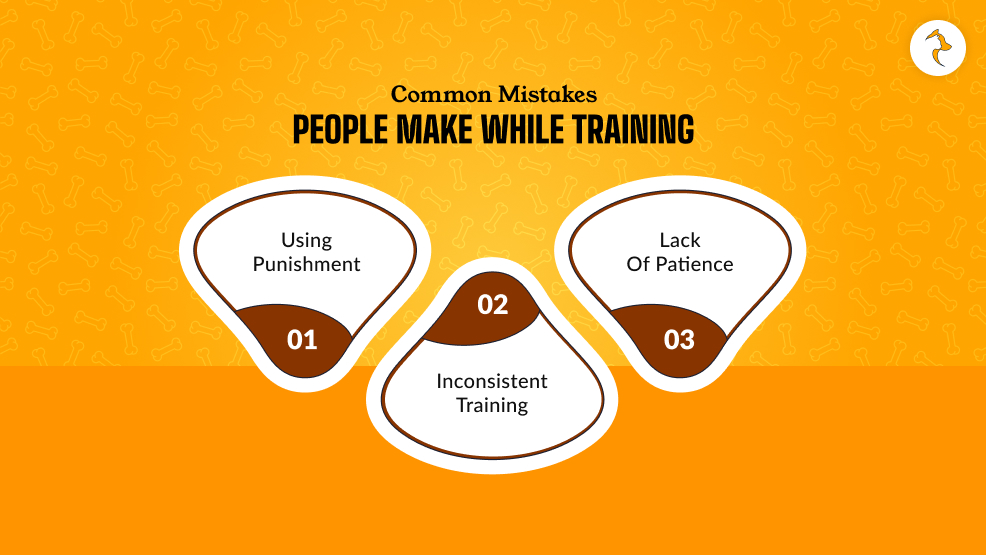
Common dog training mistakes include punishing rather than using positive reinforcement, being inconsistent, and either training for too long or not long enough.
- Using Punishment: Hitting a dog, yelling at them, or being harsh to discipline them can make them fearful of you. They might not want to bond with you.
- Inconsistent training: Using different commands or rules for the same behavior is confusing. Be consistent about the cues and the rewarding of a behavior.
- Lack of patience: Do not expect results too soon. It will take time to make some progress, and expect setbacks.
Bring A Friend Home

Have a busy lifestyle and spend most of the day out of the house? That does not mean you should be deprived of those adorable sloppy cuddles when you get back. There are low maintenance dogs for busy families, like the Dachshund, Boston Terrier, and Pug.
So, next time you think of getting a dog, think of the best dog breeds suitable for your particular lifestyle. It matters a lot. If you live in a hot and humid region and get a Husky, just because you like the breed, the pup will suffer. Think it through.
Frequently Asked Questions (FAQs)
While discussing the best dog breeds, here are a few common questions people ask.
If you have a kid and are thinking of getting a dog, you should get a kid-friendly breed like a Golden Retriever, Labrador Retriever, Basset Hound, or Boxer. Their ATTS pass rate is also high and will suit your family well.
Big dogs are generally more trainable, patient, and calm than smaller dogs. Smaller breeds are often considered aggressive and anxious. But this depends on what breed you are choosing.
When you bring home a dog for your kids, take things slowly. Introduce them and let them interact when you are close. Let the pup approach your kid, and teach your kids to interact safely and to be respectful of the pup.
The best time to introduce a dog to your child is around 5 to 7 years old. This is when they will learn how to interact with animals, help them, and take care of those in need. However, initially you wil have to supervise when they are close.
Labrador Retrievers and Golden Retrievers are considered the most family-friendly dogs because of their outgoing and patient nature. However, there are various other breeds like Beagles, Poodles, Collies, and Bulldogs that are family-friendly.
Share








Leave A Comment