
Decoding The Cavapoo: A Guide To Their Many Colors & Patterns

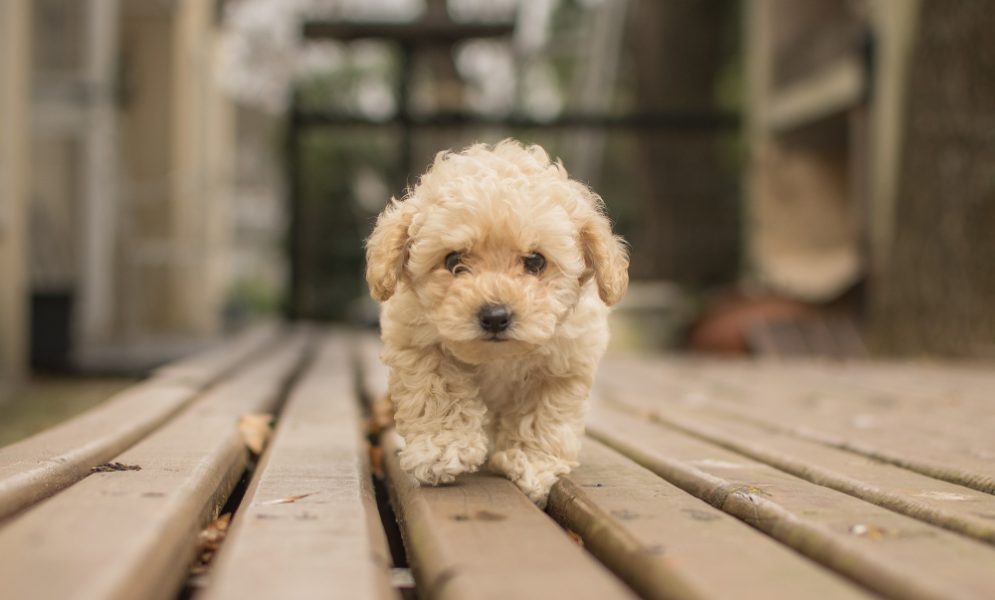
“I so wanted to bring a Cavapoo home, and till then I only knew that it would be a teddy bear furry ball in apricot color. Little did I know that I would end up bringing home Jade with a Blenheim color. The chestnut patches on white fur grabbed my attention.”
This is what Simi, a proud human of an adorable Cavapoo, told me. And it’s true, most of us don’t know that no two Cavapoo are the same. You will find one with a ruby fur and the other in red. The differences are something worth exploring.
Also, I have noticed another common concern among Cavapoo parents. Many of them remain confused about how the fur colors will change as the puppy grows up.
Let’s decode the common Cavapoo colors and the simple genetics behind them.
Genetics 101: Why Cavapoos Aren’t Just One Color
Cavapoos combine the distinct gene pools of their two parent breeds. They don’t just inherit a ‘look’; they inherit a complex set of genetic instructions for color, pattern, and fading.
The Cavalier King Charles Spaniel Contribution
The Cavalier parent provides the genes for the breed’s most famous patterns. Cavaliers have four distinct, traditional color combinations.
| Blenheim | Primarily Pearly White FurChestnut Red Patches |
| Tricolor | Primarily White FurTan MarkingsBlack Patches |
| Ruby | Solid, Rich Red Coat |
| Black and Tan | Solid Black CoatTan Markings |
The Poodle Contribution
Cavapoos with Poodle parents have many solid color genes. The most common colors are:
- Deep Brown
- Deep Black
- Cream
- Apricot
More importantly, Poodles contribute two key genetic traits:
| Type of Genes | Effects |
|---|---|
| Fading Gene | Progressive GreyingBlack or Dark Ruby Furs Getting Lighter (like blue, silver, or light apricot) as the Dogs Get Matured |
| The “Parti” Gene | Inherited from Both Parents Causes Large White Patches on a Solid-Colored Caoting |
The combination of these parent genes means a single Cavapoo litter can have puppies of many different colors and patterns.
The Solid Colors: The “Teddy Bear” Palette
Solid-color Cavapoos are highly sought after, often getting their uniform coat from the Poodle side of the family. These colors range from warm, rich reds to striking blacks and soft creams.
The Red & Brown Family
These warm tones are arguably the most in-demand, creating the quintessential “teddy bear” look.
A red Cavapoo, a member of the Red & Brown Family, is often used as a general “catch-all” term by breeders for any puppy in the red spectrum, from a dark Ruby to a medium Apricot.
The search for Red Cavapoo puppies for Sale in USA is one of the most common, but it means buyers must be extra careful to find breeders who prioritize health over just producing a trendy color.
Like ‘Red’, ‘Brown’ is often a general term. It can describe a true Chocolate, but also lighter brown shades that might be called ‘Cafe au Lait’. These pups are beautiful but may not have the matching brown nose of a true Chocolate.
Furthermore, here are more details about the Cavapoo colors in the Red & Brown family.
| Colors | Features |
|---|---|
| Ruby Cavapoo | Deepest and Richest Red Mahogany-Like Hue Comes Directly from Dolid Ruby Cavalier No White Markings |
| Apricot Cavapoo | Softer and Lighter Shade of Red Also known as Creamy Reddish-Orange Can Range from a Pale, Creamy Apricot to a Deeper, More Saturated Hue |
| Chocolate Cavapoo | Deep, Rich Brown CoatingCaused by a Recessive Gene (the ‘b’ locus) Inherited from Both ParentsA Brown or Liver Nose |
| Gold Cavapoo | Warm, Honey-Like SheenThe Color is between Reddish Apricot and Pale Cream |
| Tan Cavapoo | Light Fawn or Beige Color |
The Black, White & Cream Family
Beyond the popular reds, these solid colors offer a different kind of striking elegance.
Black Cavapoo
A solid, glossy Black Cavapoo can be incredibly beautiful, especially when the coat is wavy or curly, as it highlights the texture. A true solid black with no white markings at all is less common than you might think and is very elegant.
White Cavapoo
A solid White Cavapoo looks like a little cloud. It’s important to distinguish a true White (which often has dark black pigment for its nose and eye rims) from a very light Cream or a Blenheim with minimal markings.
Cream Cavapoo
Cream is a soft, off-white color that is distinct from pure white. It has warm, buttery, or ivory undertones. This color can also be influenced by the fading gene and may lighten or darken as the dog matures.
The Patterned Coats: A Nod to Cavalier Heritage
Many Cavapoos inherit the beautiful, multi-colored patterns of their Cavalier King Charles Spaniel parent. These coats are complex and unique, often featuring distinct patches of white or tan.
Blenheim Cavapoo
This is the most famous and classic Cavalier pattern, named after Blenheim Palace. It consists of a pearly white base coat with rich chestnut or reddish-brown patches (that can be Ruby or Apricot in color). Typically, these patches are on the ears and back, and many have a white “blaze” running up the face between the eyes.
Tricolor Cavapoo
A “Tri” puppy has three distinct colors. The body is primarily black and white (like a Blenheim, but with black patches instead of red), combined with well-defined tan or ruby markings (called ‘points’). These tan points are typically found over the eyes, on the cheeks, and under the tail.
Black And Tan (Phantom) Cavapoo
This pattern is a solid black (or sometimes chocolate) coat with the same tan “points” seen in a Tricolor, but without any white markings. It’s a very defined and dramatic look, often called a “Phantom” coat in the Poodle world.
The Rare & Unique: Merle
One of the most visually stunning but also most complex colors is Merle. This is not a color itself, but a dominant gene that acts as a ‘dilution’ pattern, creating dappled or marbled patches of a darker color (like black or blue) splashed across a lighter base.
The merle gene is not native to either Cavaliers or Poodles, meaning it was introduced into some Cavapoo lines from another breed further back. This makes it rare and requires extreme caution from breeders.
Special Considerations: Fading & Health
A puppy’s color at eight weeks is not always its final color! There are two major factors all buyers should know about.
The “Fading Gene” (Progressive Greying)
Poodles carry a dominant gene (the G locus) that causes their coat color to “clear” or lighten with age.
Many Cavapoos inherit this. That deep Ruby puppy might soften into a light Apricot by age two. A solid Black puppy could mature into a beautiful, silvery Blue or Grey.
Health & The Merle Gene
For 99% of Cavapoos, coat color has no connection to health or temperament. The one major exception, as mentioned, is Merle.
The gene is dominant, which is fine, but if two merle dogs are bred together (creating a “double merle” or ‘MM’ puppy), the puppies have a very high risk of serious eye defects (like microphthalmia or blindness) and deafness.
A Veterinarian’s View: “The Merle gene is a powerful modifier that should be handled with respect and genetic knowledge.
While a single-merle dog (Mm) is generally healthy, breeding two merles is irresponsible and can result in devastating, preventable disabilities in the puppies. Always ask for genetic testing.”
For more on breed-specific genetics, you can check resources from major canine organizations like the American Kennel Club (AKC). Always ensure a breeder who produces merles is aware of these risks and tests their parent dogs.
Your Final Choice: Temperament Over Color
Choosing a color is the fun part of the journey, but it’s important to remember that it’s secondary to the two most important factors: health and temperament.
A responsible breeder will always prioritize producing healthy, well-socialized puppies over chasing a specific, trendy color.
Ask about health tests, meet the parents if possible, and fall in love with the puppy’s personality-the beautiful coat is just a bonus on top of an amazing companion.
Decoding The Cavapoo Colors: Frequently Asked Questions (FAQs)
Here are the frequently asked questions and answers about Cavapoo colors.
A Phantom Cavapoo has a specific two-color pattern, typically a solid black or chocolate base with distinct tan ‘points’ (markings) on the eyebrows, muzzle, chest, and paws.
Yes, Merle is one of the rarer and more complex patterns. It requires a specific gene and must be bred responsibly, as breeding two merle dogs together can cause serious health issues.
Many do! A ‘fading gene,’ often inherited from the Poodle parent, can cause a dark red puppy to lighten to a softer apricot color over their first two years. Always ask your breeder about this.
Share






Leave A Comment