
Black Spots On Dog Skin: Common Causes, Treatments, Prevention Tips

Disclaimer: The advice provided in this post is intended for informational purposes and does not constitute medical advice regarding pets. Please make an appointment with your vet to accurately diagnose your pet’s condition.
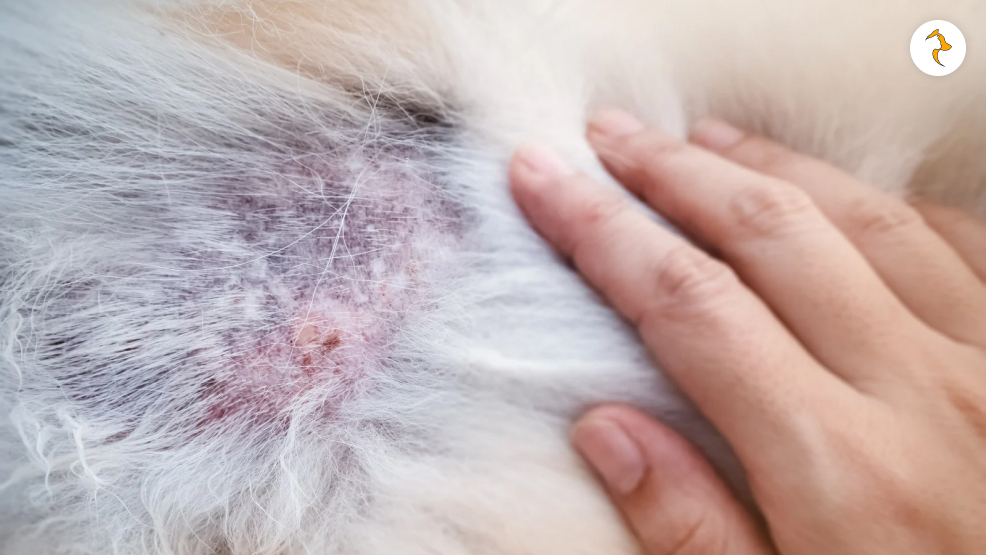
As a proud dog parent, I know how worrying it is to find black spots on your dog’s skin – or any change in their well-being, for that matter.
While it is only normal to get anxious, it is also crucial to understand the potential causes behind these black spots. More importantly, you need to know when to seek professional help.
Today, I’m here to discuss:
- The common causes behind black spots on dog skin.
- What these spots mean for your dog’s overall health.
- When should you consult a vet?
Stay tuned.
Black Spots On Dog Skin? Common Causes
If black spots are cropping up on your dog’s skin, then it’s not really a good thing. You can’t help but ask, ‘why is my dogs skin turning black?’
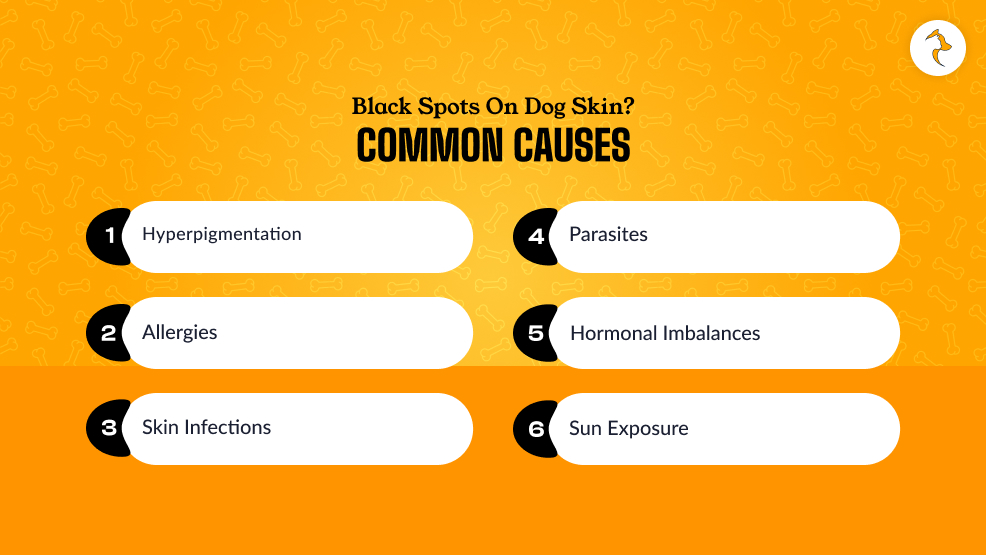
And there is more than one reason that could lead to black spots, such as:
- Hyperpigmentation.
- Allergies.
- Skin Infections.
- Parasites.
- Hormonal Imbalances.
- Sun Exposure.
While these are the most common causes, it’s best to check with your vet to find out the exact reason behind black crusty spots on your dog’s skin.
Having said that, let’s check out the most common causes in detail:
1. Hyperpigmentation:
Perhaps one of the most common causes of black spots on your dog’s skin, Hyperpigmentation typically occurs when there is a significant increase in melanin production.
FYI, melanin is the pigment that is responsible for your dog’s skin color. Moreover, it is a response to various factors. This includes:
- Age: As your dog ages, their skin will naturally begin to darken.
- Friction: Areas on a dog’s body that get rubbed against other surfaces or skin, such as the collar areas or under the legs, can get dark over time.
- Inflammation: Chronic inflammation can result from infections, allergies, or other irritants, leading to increased melanin production.
Also, hyperpigmentation isn’t really harmful, but it does act as an indicator for some underlying condition that needs your attention.
2. Allergies:
This is also a very common cause for black spots on your dog’s skin. If a dog is having an allergic reaction, it causes licking, biting, and scratching of the skin. This sort of constant irritation leads to inflammation, which in turn causes hyperpigmentation.
Moreover, allergies are typically triggered by:
- Fleas: Bites from fleas can lead to severe allergic reactions and itching in some dog breeds.
- Environmental Factors: Mold, Dust Mites, and Pollen are common environmental factors that cause allergies in dogs.
- Food: There are certain ingredients in your dog’s diet that can trigger an allergic reaction in your dog.
As a result, it is crucial to identify and manage allergies in your dog. This way, you can protect your dog from getting skin issues and facing discomfort.
3. Skin Infections:
Skin infections – fungal or bacterial – can lead to black spots on your dog’s skin. And these infections, in turn, cause inflammation.
Once the skin starts healing, dark patches begin to develop – the black spots on the dog’s skin look like dirt. In this context, the most common skin infections that can lead to black spots are as follows:
- Bacterial Infections: Scrapes or cuts become infected and can easily cause black spots during the healing process.
- Yeast Infections: Such infections typically take place in moist regions like the paws, skin folds, and ears.
As a result, treating any underlying infection is vital for preventing any skin damage or discomfort.
4. Parasites:
Parasites like mites and fleas can lead to heavy skin irritation – this, in turn, can cause black spots. Moreover, flea infestations specifically can lead to intense scratching and itching, which leads to hyperpigmentation over a period of time.
In addition, mites like the ones that cause mange lead to severe discoloration and other skin reactions.
5. Hormonal Imbalances:
Hormonal imbalances like the ones caused by Cushing’s disease or hypothyroidism can impact your dog’s coat and skin. This, in turn, causes black spots.
Moreover, these conditions are typically accompanied by other symptoms like fluctuations in appetite, lethargy, and weight gain. So, if you can spot these symptoms and black spots, it is best to consult your vet.
6. Sun Exposure:
Excessive exposure to the sun can cause darkening of the dog’s skin, particularly in regions that have less coverage and fur.
Much like humans, a dog can also experience fluctuations in its skin pigmentation. This happens because of prolonged exposure to the sun. As a result, it’s important to ensure your dog has access to shade to avoid excessive sun exposure.
Black Spots On Dog Skin: Should You See A Veterinarian?
It’s crucial to track changes in your baby dog’s skin, and get in touch with a vet if you see any sudden changes – in color, texture, or size of the spots. In addition, take into consideration other symptoms like swelling, redness, behavioral changes, hair loss, or itching.
Moreover, if you see that the black spots are only worsening with time, then it’s best to see a vet. Remember, early diagnosis followed by proper treatment can highlight any underlying condition – all while preventing further issues.
A comprehensive examination by a medical professional is vital to diagnose the causes behind the black spots. Plus, this way the vet will have your dog’s medical history. Also, they will be able to conduct a thorough physical examination to assess the overall health conditions of your dog.
Diagnostic Tests:
Depending on what your vet finds out, they might recommend some diagnostic tests. These include:
- Skin Scrapings: To find out if your dog’s skin has parasites (like mites).
- Blood Tests: To find out if your dog has any infections or hormonal imbalances.
- Biopsies: To check if your dog’s skin tissue is suffering from any abnormalities.
- Allergy Tests: To check if your dog’s skin has any potential allergens.
In this context, please note that these tests can highlight the exact causes behind black spots and help you find the right treatment.
What Are The Treatment Options For Black Spots On Dog Skin?
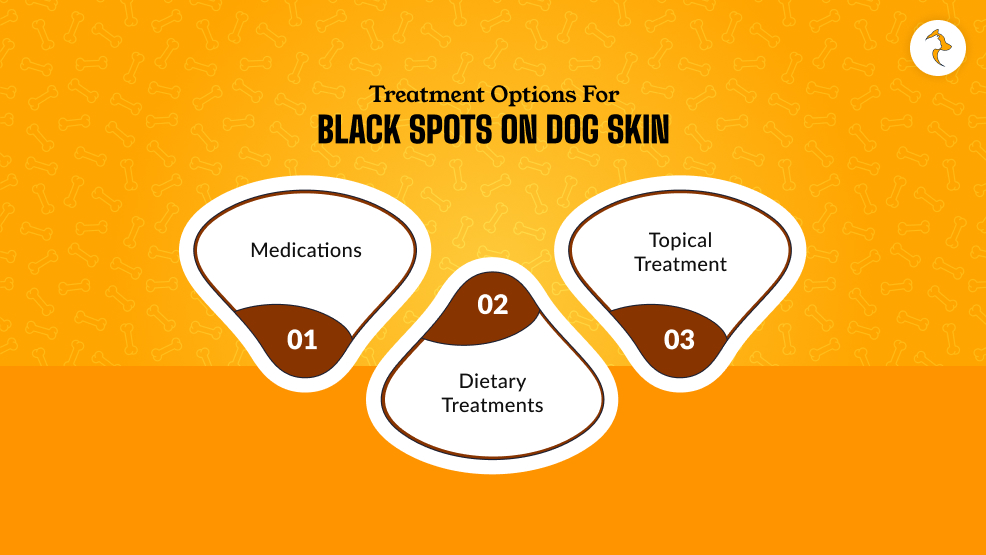
It starts with taking care of the underlying conditions that led to the black spots in the first place. Depending on the vet’s diagnosis, the treatment options might include:
- Medications: Antihistamines are given for allergies, antifungals or antibiotics for infections, and hormonal replacement therapy is given for hormonal imbalances.
- Dietary Treatments: The vet can ask you to switch your dog’s diet if they suspect any food allergy. In that case, you will have to plan a hypoallergenic diet.
- Topical Treatment: Shampoos or creams to soothe your dog’s skin and treat severe inflammation are recommended.
Home Care Tips:
While it is essential to always consult a vet for proper diagnosis and effective treatment plans, here are some home care tips that will help you take care of your pet’s skin health:
- Always clean your dog’s coat and ensure it is free from mats.
- Implement standard flea prevention approaches to avoid any type of infestation.
- Offer to share and avoid exposing your dog to excessive sun.
Preventing Skin Issues In The Future:
Preventing any skin issues in the future involves standard tracking and proactivity. This includes regular visits to the vet to ensure that you can catch any potential problem early.
In addition, maintaining a good hygiene schedule, addressing environmental factors that can trigger skin problems, and offering a balanced diet can really help to protect your dog from skin problems.
Frequently Asked Questions:
Check out the most frequently asked questions about black spots on your dog’s skin:
Progress in this case is usually slow and time-consuming. In fact, it might take several weeks or even months for your dog’s skin to heal and get back to how it used to be.
Moreover, your vet can actually tell you whether you need any follow-up check-ups. This is because such follow-ups mostly focus on treating the underlying causes behind the black spots.
Some of the most common conditions that lead to hyperpigmentation in your dog include:
• Hypothyroidism.
• Allergies.
• Malassezia (a kind of yeast infection).
• Demodicosis (parasitic mites cause this condition).
• Systemic Lupus Erythematosus (a rare but chronic immune-mediated disease).
• Pseudo-Cushing’s Syndrome (an endocrine disorder that older dogs usually get).
Brown spots on the dog’s belly usually happen due to hyperpigmentation. FYI, hyperpigmentation is the darkening of skin due to allergies, genetics, chronic irritation, or underlying skin problems.
Yes. A black spot could be cancer, particularly melanoma, which happens to be a risky kind of skin cancer. Melanoma typically appears like a new mole – it could even appear as changes in an existing one. Also, it can be red, pink, black, or brown.
Share








Leave A Comment