
Are Turtles Reptiles? A Complete Turtle Care Guide

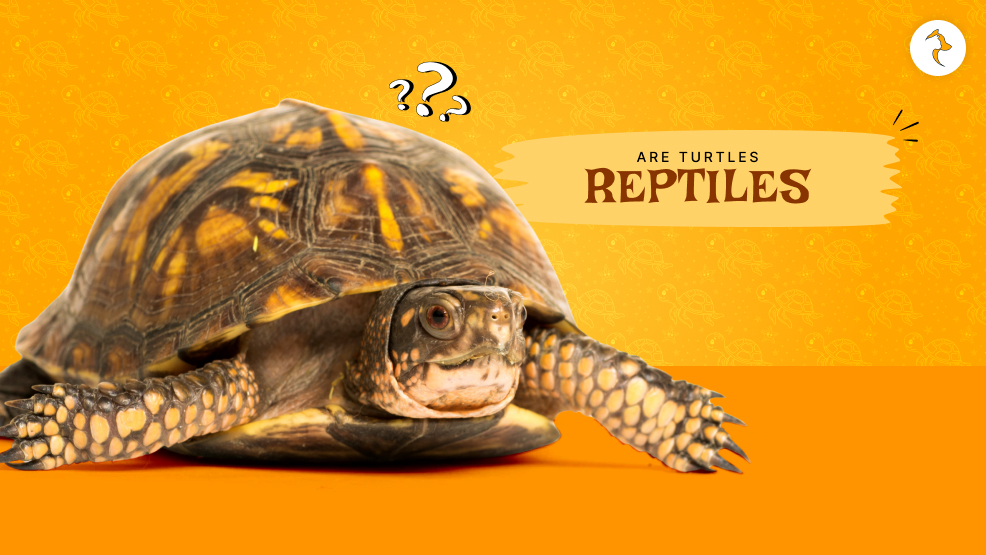
People often ask, “Are turtles reptiles?” Moreover, this is probably taught in the biology classes of schools. However, this question keeps popping up online.
However, people keep asking the same question, as turtles spend most of their lives underwater.
Thus, people often get confused and think that turtles are like amphibians. Moreover, to get answers to the question “ Are turtles reptiles?” you will have to focus more on how the turtles breathe.
You should not draw any conclusions from how the turtles live. Instead, you should focus on how the turtles breathe.
The respiratory system of an animal basically determines whether that animal is an amphibian. Furthermore, you will also have to consider the reproductive process in turtles.
In addition, you should consider factors such as a turtle’s lifecycle, how turtles grow, and other relevant details.
Thus, when you take these things into consideration, you will find several similarities between a snake and a turtle. On the other hand, there can be almost zero similarities between a frog and a turtle.
This article seeks to answer the question “Are turtles reptiles?” Read this article in detail to understand what makes turtles reptiles.
What Makes Turtles Reptilians?
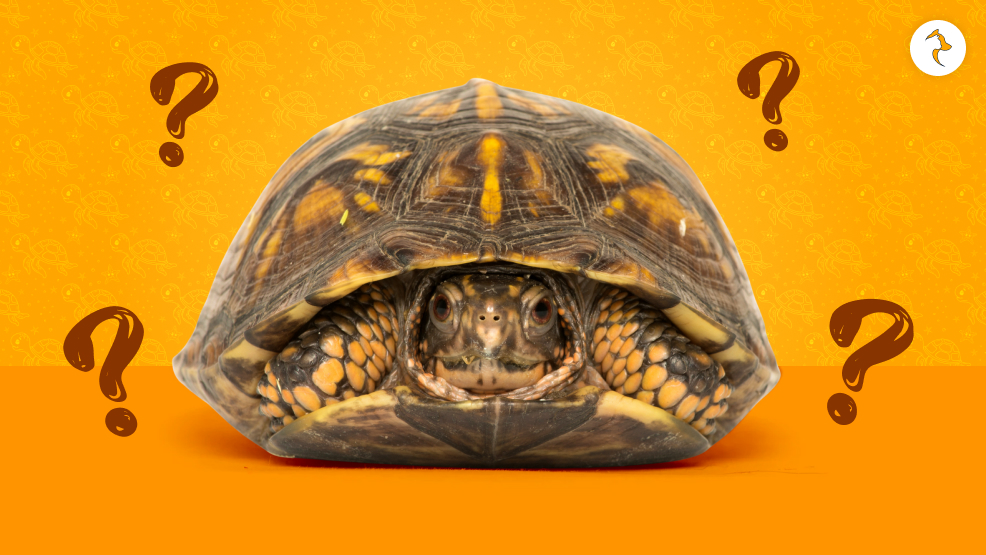
While you ask the question, “Are turtles reptiles?”, you should also know the criteria that place turtles in the reptile family.
Turtles have scaly skin, a reproductive system, a lung-based respiratory system, and a hard shell. Thus, all these factors place them in the reptile family.
Furthermore, the turtles lay their eggs on land. Hence, this process of reproduction is common among the reptiles.
Even the sea turtles, like the olive ridley turtles, reach the beach during the breeding season to lay eggs.
Are Turtles Reptiles? How Are They Different From Amphibians?
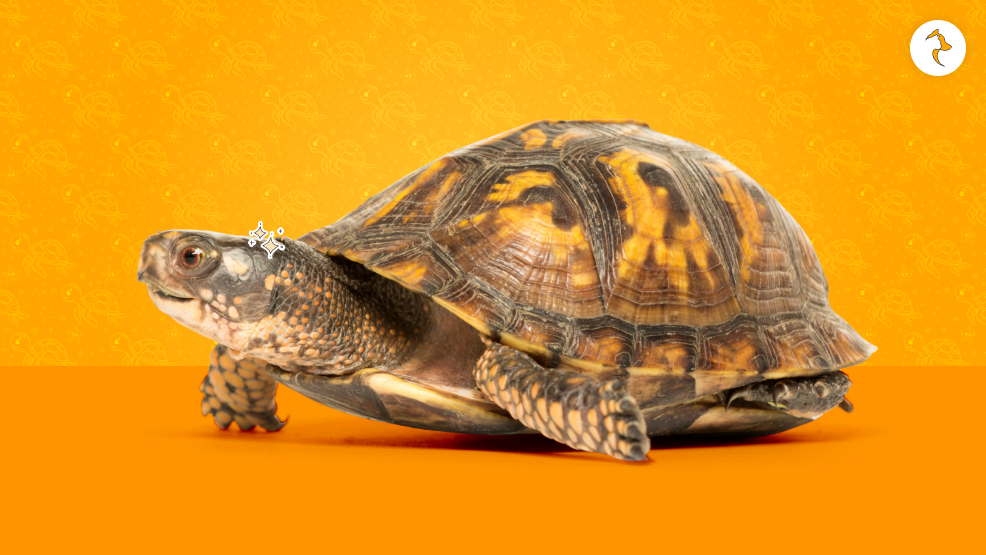
Are turtles reptiles or amphibians? Despite their aquatic lifestyle, turtles are reptiles. The scientific community uses the term “turtles” to refer to diverse animals in the order Testudines.
Moreover, this group includes the species that live mostly in water. Furthermore, the group includes species that live only in water, on land, or entirely on land.
Furthermore, scientists often refer to this order of species as Chelonia. Thus, turtles, tortoises, and terrapins are collectively called chelonians.
However, generally think that only amphibians can dwell in water and on land. However, that is not the case. Hence, an animal’s classification is never determined by its habitat.
For example, a whale is a mammal despite dwelling in the oceans. Turtles are cold-blooded animals with scaly skin, unlike amphibians.
Moreover, amphibians generally have smooth, moist skin that allows them to breathe through their skin.
Furthermore, the respiratory systems of turtles differ markedly from those of amphibians. Amphibians generally breathe through their gills before developing lungs, which typically appear later in life.
For example, frogs breathe through their gills before developing lungs and continue to breathe through them into adulthood, gradually developing lungs.
What Mistakes Do People Commit While Thinking Of Turtles As Amphibians?
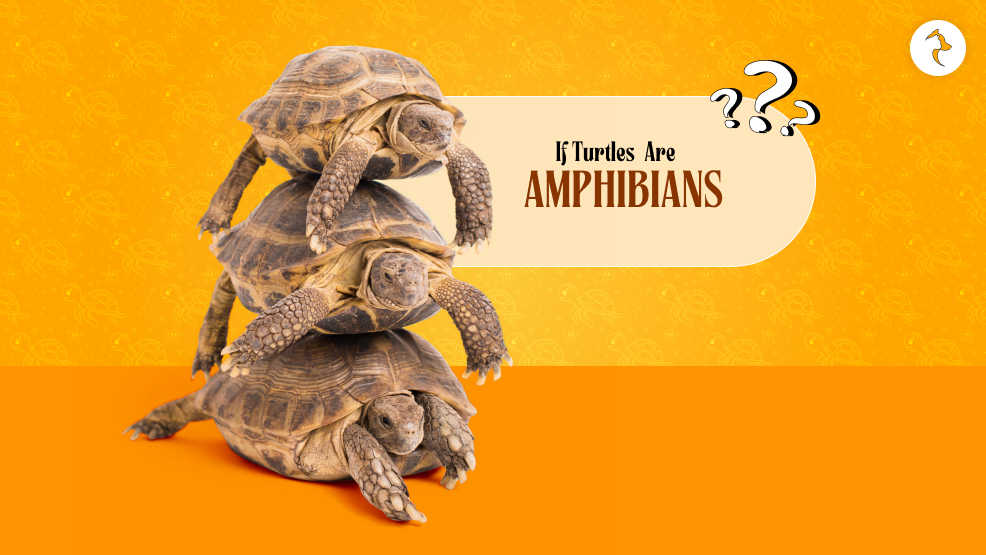
The fact that several people still ask this question, “if turtles are amphibians,” shows how generally less educated people are regarding turtles.
However, turtles such as red-ear sliders are among the most common animals available in pet shops.
Thus, many become fascinated by it and bring a palm-sized turtle home, not realizing it will not remain that small throughout its life.
People often make some of the most serious mistakes when treating turtles as amphibians. Thus, they get the smallest aquarium from the pet shop and simply dip their turtles into it.
Furthermore, I have seen many people keeping the aquarium in a dark corner of the room. However, they fail to recognize that turtles and other reptiles require adequate basking time in the sun.
Turtles need UVB rays from the sun to produce Vitamin D3 and calcium for the health of their shells, skin, and other tissues. Additionally, the turtles bask in the sun to regulate their body temperature.
Thus, turtle owners should maintain a basking area within the turtle’s enclosure to allow the turtles to bask in the sun.
Furthermore, the turtles are not amphibians. Therefore, turtles do not breathe underwater.
They must come to the surface to obtain oxygen, since they have a lung-based respiratory system. Thus, basking rock really helps them to rest when they do not want to rest.
What Is An Ideal Setup For A Turtle?
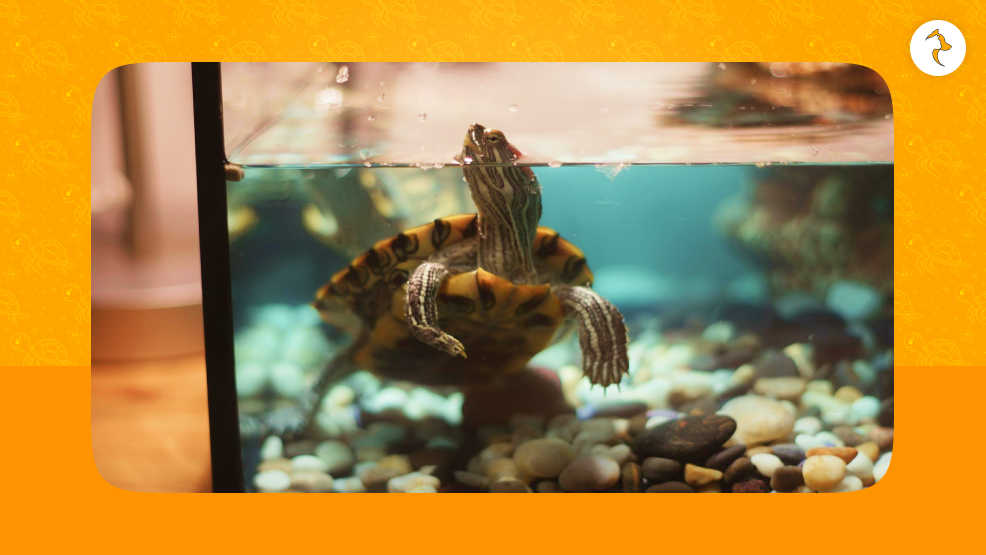
The turtles should be kept near natural light sources. Ideally, at a place where the turtle can bask in the sun. However, that is not always the case.
1. What To Do When You Can Not Place The Turtle Near The Sun?
Often, turtle owners cannot provide their turtles with natural UV light. Thus, they can always purchase UVB lamps for the turtles.
UVB lamps primarily meet a turtle’s basking needs. Furthermore, UVB lamps play a crucial role in the winter. Keeping turtles without a UVB light can be fatal during winter.
Additionally, a proper basking area for the turtles is also required throughout the year. The turtles should get at least 8-10 hours of basking in the sun.
2. Do Turtles Need A Heater During The Winters?
You already know the answer to the question “Are turtles reptiles?” Yes, they are reptiles. Hence, their bodies cannot regulate their own temperature.
Thus, they generally slow their metabolism and enter hibernation during colder weather. However, that is not feasible in a terrarium or in an artificial setup.
Therefore, the turtles should be provided with an appropriate heater during these periods.
Do Turtles Work Well With Children?

Turtles are reptiles and are not like other pets, such as cats or dogs. Moreover, turtles require space and should be given privacy.
Only children trained to handle turtles should be allowed to interact with them. Turtle bites can cause terrible injury. Thus, children should avoid placing their fingers near their mouths.
Species such as Red-Eared Sliders and North American Painted Turtles can be great pets for young children.
However, do not get turtles such as the common snapping turtle or the American Snapping Turtle for your child.
Species such as common snapping turtles and alligator snapping turtles can cause severe injury to children if they bite.
Are Turtles Reptiles? Things To Consider About The Difference Between Reptiles And Amphibians
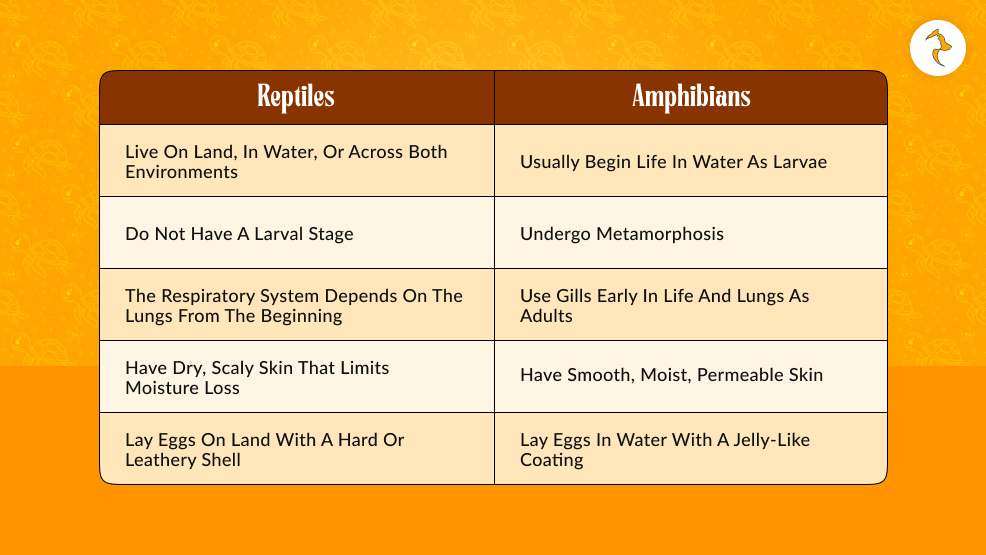
People should understand the key differences between reptiles and amphibians to determine whether turtles are reptiles.
Here are the key differences between a reptile and an amphibian.
Reptiles
- Live on land, in water, or across both environments
- Do not have a larval stage
- The respiratory system depends on the lungs from the beginning
- Have dry, scaly skin that limits moisture loss
- Lay eggs on land with a hard or leathery shell
Amphibians
- Usually begin life in water as larvae
- Undergo metamorphosis
- Use gills early in life and lungs as adults
- Have smooth, moist, permeable skin
- Lay eggs in water with a jelly-like coating
Frequently Asked Questions (FAQs)
Here are the answers to some of the most asked questions about turtles.
Yes, a turtle is a reptile. Several criteria make a turtle a reptile. It breathes air using lungs. Furthermore, turtles have dry, scaly skin and shells, and they lay eggs on land.
Therefore, unlike amphibians, turtles do not undergo a larval stage, placing them firmly in the reptile group.
Yes, tortoises are reptiles. They belong to the same order as turtles and share similar biological traits.
The main difference between the Turtles and tortoises is in their habitats. Turtles live in water, while tortoises live on land.
A turtle belongs to the reptile order Testudines. This group includes turtles, tortoises, and terrapins, all of which share a bony shell and similar development patterns.
Turtles show moderate intelligence. They can learn routines, recognize familiar people, and move confidently in their environment. However, their intelligence is subtler than that of mammals.
Turtles mainly need Vitamin A and Vitamin D3. Vitamin A supports eye health and immunity, while Vitamin D3 helps with calcium absorption for strong bones and teeth.
A balanced diet usually covers these needs. Turtles also absorb vitamins from the UVB rays of the sun.
Yes, most pet turtles need a basking light. It helps them regulate body temperature, dry their shells, and digest food properly. Without a light source, turtles often develop health issues in the long run.
A basking light should be on for approximately 10–12 hours per day. This schedule supports a natural day-and-night cycle. Many owners use timers to maintain a consistent routine.
Share








Leave A Comment