
Is Miralax Safe For Cats?

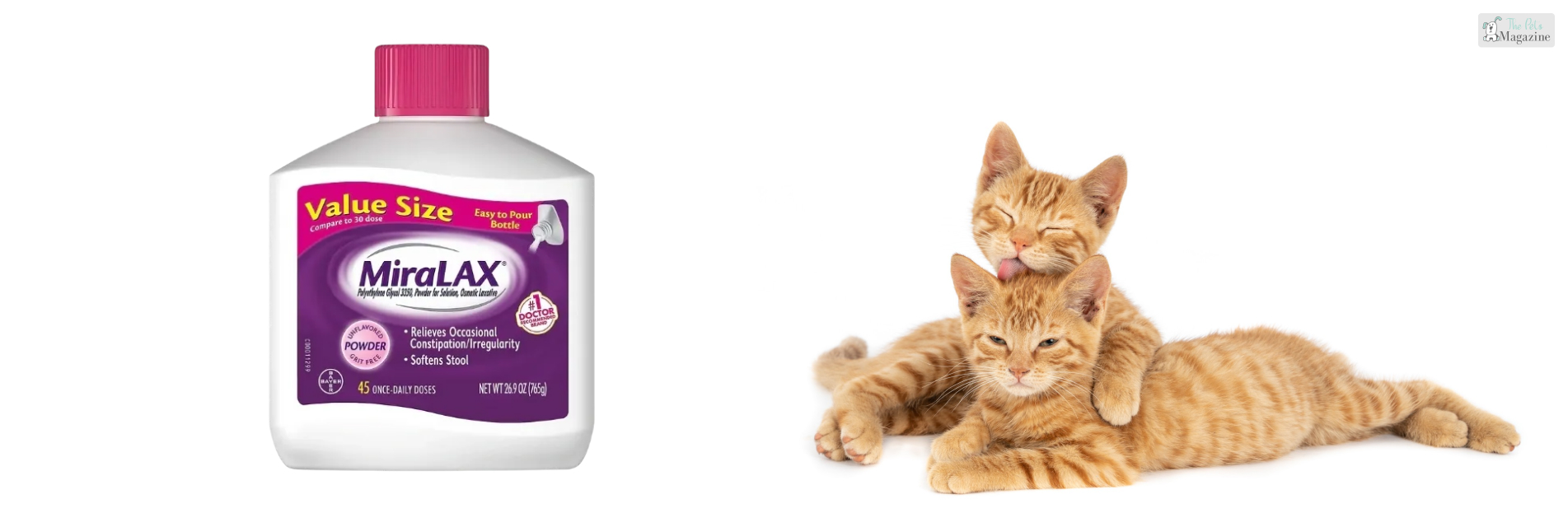
Constipation is an uncomfortable problem for humans. Your cat could get it too. The laxative Miralax is used in humans to treat those hours spent on the toilet.
If your cat is having a “hard” time due to constipation, people may advise you to use Miralax, which is used in humans. But is it safe to use Miralax for cats? Is human medication good for our felines too?
Today we are going to delve into the safety of using this laxative medicine for cats. You will, by the end of this article, know everything about Miralax and its use in cats.
What Is Miralax?
This medication is an osmotic laxative that draws water into the intestine to soften stuck stools and, in turn, stimulates bowel movements. It eases constipation with its active ingredients being either polyethylene glycol 3350 or PEG 3350. The FDA approved Miralax to be used in humans to help bouts of constipation. Its over-the-counter use was approved in 2006.
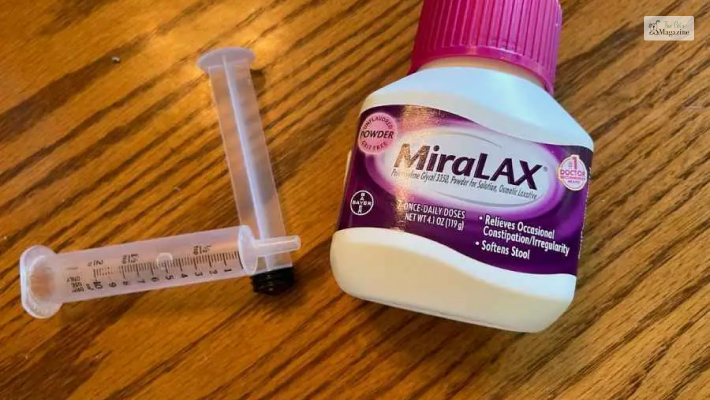
Usually, the recommended forms of this medicine are available for pet parents to buy over the counter without a prescription. The formulation that contains PEG 3350 contains more levels of electrolytes and is available only on prescription. Whatever is used for cats is the same as the ones used for humans.
Is Miralax Safe For Cats?
This medicine is considered safe in general for cats, although it’s advisable to consult your veterinarian about the safety of its use in your particular feline. Miralax should not be administered in cats that are already dehydrated because it could cause further dehydration and electrolyte anomalies.
If a cat is suspected of having gastrointestinal troubles such as obstruction, bowel perforation, gastric retention, toxic colitis, or ileus Miralax should be avoided. Instead, PEG 3350 solutions with electrolytes such as CoLyte® and GoLytely® could be used on prescription for cats suffering from inflammatory bowel disease.
What Does Miralax Do In Cats?
It is used to cure and relieve constipation in cats. PEG 3350, which contains electrolytes, is usually used to flush out the bowels before an endoscopy or clean the toxins out of cats’ gastrointestinal tract when they ingest something harmful.
Miralax for cats is reportedly more effective than lactulose in the treatment of hepatic encephalopathy, which is a nervous system disorder that comes on through liver disease. Miralax could be effective in treating this condition, but there isn’t any substantial proof.
How To Mix Miralax For Cats?
This laxative comes in a powder satchel meant to be dissolved in liquid. But it is not a problem if you mix this powder into the cat’s food, especially wet or canned food. Miralax is odorless and tasteless, so it’s easy to feed your cat without too much fuss.
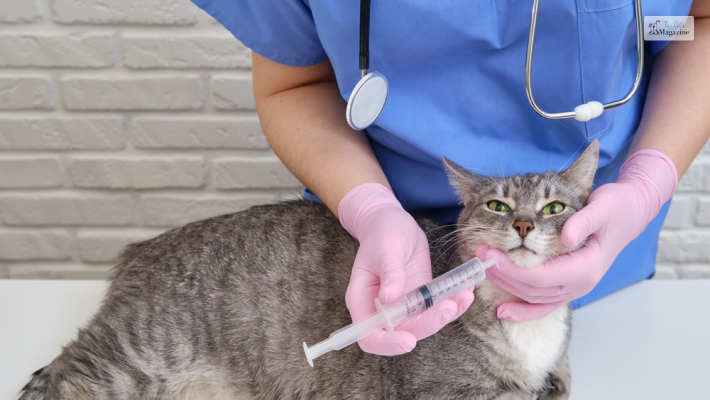
When used for treating severe conditions of constipation or an endoscopy procedure, Miralax is administered as a liquid suspension. However, it must be supervised by a trained veterinary specialist.
Side Effects Of Miralax In Cats
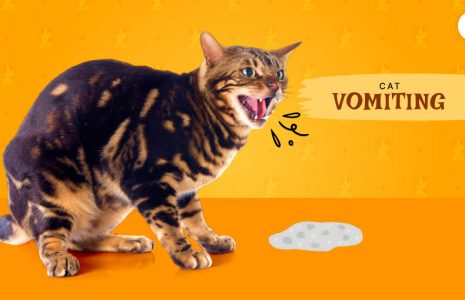
Till date, there has been just a single published study that has examined the safety and usage of Miralax in six cats over the course of 4 weeks. It’s no wonder the side effects of this medicine aren’t well known. The study recorded that five of the six cats adapted well to the medicine without side effects. One of them, however, developed sporadic vomiting.
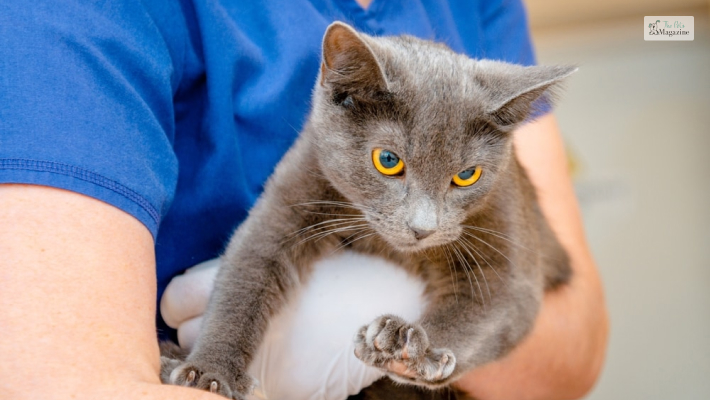
Other than vomiting, cramping, and nausea could be possible side effects of cats on Miralax. It is also pictured that using Miralax on a long-term basis could cause low sodium levels, dehydration, and high potassium levels. Miralax is known to draw out body fluids to help soften stools which also makes it a dehydrating solution. It is advised to feed cats Miralax with wet food or canned foods that can help avoid dehydration.
Other drugs cannot be given to cats while Miralax is being administered because the laxative speeds up how quickly things move through the intestines. It could lead to interactions. Other medicines must have a window of over an hour.
Miralax also should not be used with other laxatives and stool softeners. Other medications that destabilize electrolytes should be used with caution when giving Miralax. Diuretics and ACE inhibitors are certain medicines to keep in mind to avoid.
Miralax Dosage
The recommended dose of Miralax is usually ⅛ to ¼ teaspoon mixed with cat food twice daily. But your vet can give you more detailed instructions to follow depending on your cat’s health and needs.
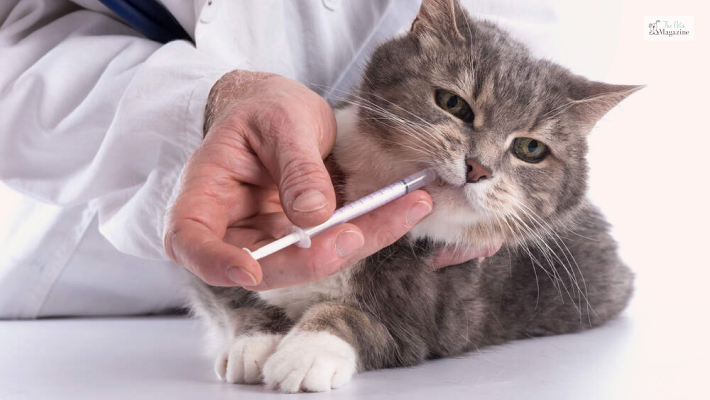
Consult your vet before giving your cat Miralax. Any treatment for constipation must also find the underlying cause, requiring a lab test with an X-ray being the minimum.
Avoid giving your cat the over-the-counter dosage of Miralax, which is meant for humans and is too heavy for cats.
Laxative Medication Details
Medication Type:
Laxative, bowel cleansing agent
Form:
Powder for oral solution
Prescription Required:
Available with or without prescription
FDA Approval:
No
Life Stage:
All
Brand Names:
Miralax, ClearLax, GaviLAX, Gialax, GlycoLax, PEG3350, SunMark, ClearLax, HealthyLax, CoLyte, GoLytely, NuLytely, MoviPrep
Common Names:
Polyethylene glycol 3350, PEG 3350
Available Dosage:
Over-the-counter products are available in either pre-measured 17g packs or bulk powder.
Frequently Asked Questions (FAQs)
Here are a few questions and queries on the topic of is Miralax is safe that others have asked and you might find helpful at the same time.
Yes, Miralax (polyethylene glycol 3350) is commonly used off-label by veterinarians to treat constipation in cats.
It works by drawing water into the intestines, which softens stool and makes it easier to pass.
The same over-the-counter Miralax sold for humans is typically what vets recommend for cats. There is no separate “cat version.”
Miralax is an osmotic laxative. It pulls water into the colon, softening dry, hard stool.
Unlike stimulant laxatives, it does not directly stimulate bowel contractions. Instead, it makes bowel movements easier and less painful, which is particularly helpful for cats with chronic constipation.
Miralax usually works within 8 to 24 hours, although some cats may take up to 48 hours to show improvement.
If your cat hasn’t had a bowel movement within two days of starting treatment, contact your vet.
Yes, especially if it causes diarrhea. Because Miralax draws water into the colon, it can contribute to fluid loss if stools become too loose.
Ensure your cat has constant access to fresh water, and monitor hydration closely.
Cats with kidney disease are already prone to dehydration. While Miralax is sometimes used in kidney patients, it must be carefully monitored.
Since fluid balance is critical in these cats, never administer Miralax without veterinary supervision.
Miralax can sometimes be used in kittens, but dosing must be extremely precise. Because kittens are smaller and more sensitive to dehydration, veterinary approval is essential before use.
Yes, in some cases. Cats with chronic constipation or a condition called megacolon may require ongoing treatment.
However, long-term use should always be managed by a veterinarian, as the underlying cause must be addressed. Simply relying on laxatives without diagnosis can worsen the issue over time.
Yes. Many veterinarians recommend Miralax as a first-line treatment for mild to moderate constipation.
It is widely used in feline medicine due to its effectiveness and relatively low risk when properly dosed.
Both are osmotic laxatives, but they work slightly differently. Lactulose is a prescription syrup that also softens stool but may cause gas or bloating.
Some cats tolerate Miralax better because it is tasteless and easier to mix into food. Your veterinarian will determine the best option.
To Conclude
Some common symptoms that help you detect that your cat may be constipated are:
- Loss of appetite
- Frequent trips to the litter box without any stool in sight
- Abnormal behavior while in the litter box (digging, crying, uncleanliness)
- Vomiting
- Lack of energy and playfulness
And yet how much your cat is pooping depends on various factors such as diet, age, and even their personality. We have seen how cats refuse to go when the litter box is placed at even the slightest “wrong” angle!
Before you think about administering Miralax for cats, try some home remedies to see if it’s really constipation or just your cat being a cat. You could try making them drink more water, clean and add more litter boxes, add probiotics or fiber into their diet, and reduce their stress and anxiety if you think your cat is feeling affected by a change of environment or people around. Some calming pheromones such as Feliway or supplements like Zylkene can help relieve your cat from both stress and poop!
If you liked this article or found it helpful, leave a comment below. Share your thoughts with us; we would love to hear from you.
Have you read these?
Share






Leave A Comment