
Can Cats Have Chicken Broth? Mystery Solved!

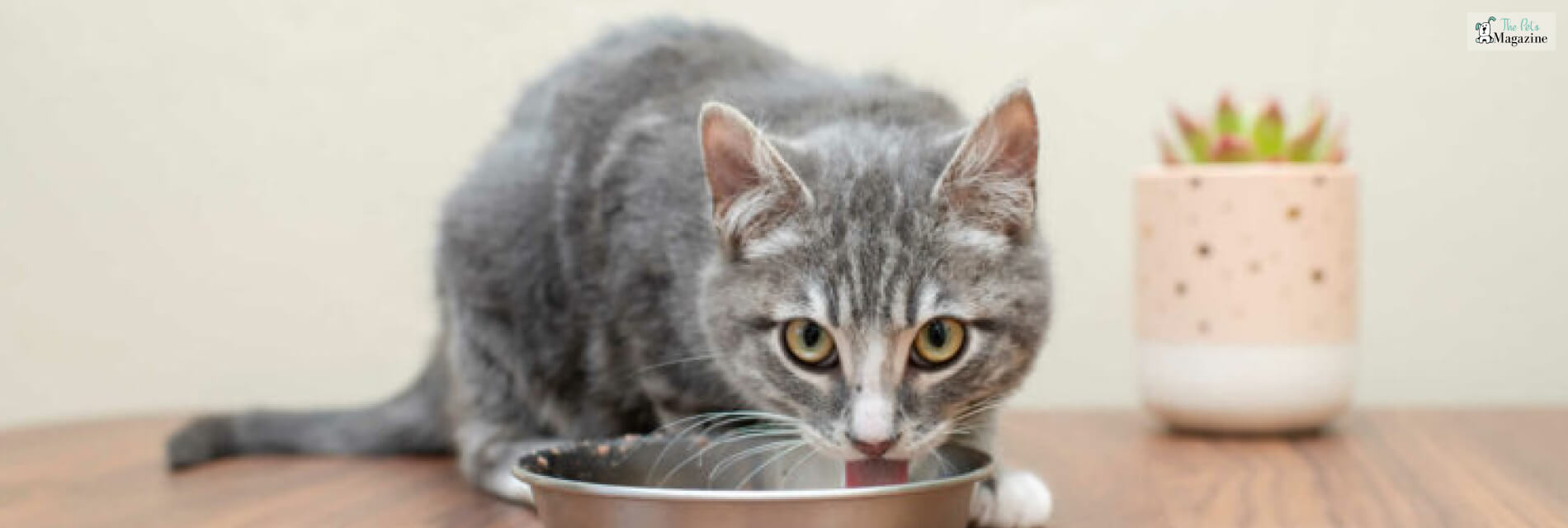
Is your cat always trying to sneak a taste test from your plate when you are sitting down to enjoy a delicious bowl of chicken soup? While trying to save your bowl of soup from your cat’s sneaky attacks, you may have wondered can cats have chicken broth and whether broths and soups for humans are safe for them or not.
As a cat parent, it is quite natural for you to want to know which food is safe for your cat and which food should be avoided. So in this article, we will try to answer the question – can cats have chicken broth. In addition, we will also talk about how to prepare the broth so that it is perfectly safe for your Kitty. Read on to uncover the mystery behind – can cats have chicken broth?!
Can Cats Have Chicken Broth?
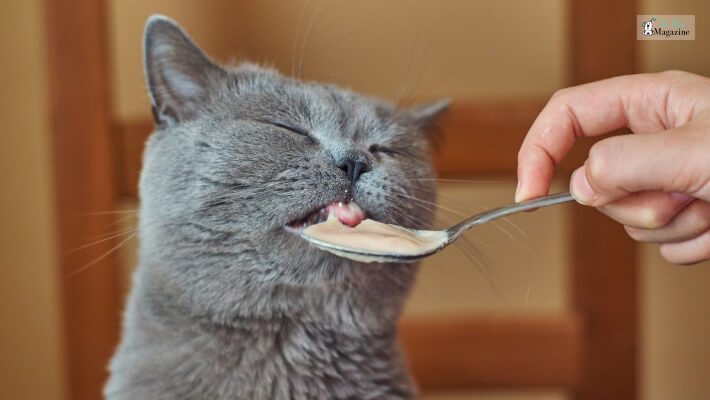
First things first, yes, cats can have plain chicken broth and it can be a good addition to their regular diet.
Chicken broth is an excellent way of adding some more nutritional value and moisture to their daily food. You can add a small amount of chicken broth every day to your cat’s food to promote hydration.
Chicken broth also has a lot of essential nutrients like Glucosamine, Glycine, calcium, potassium, Chondroitin, etc. These nutrients have a lot of health benefits for your cat. In addition, if your cat is a picky eater, then the additional flavor from the chicken broth may also convince your kitty to finish their meal.
The flavourful chicken broth that you are making at home or maybe buying from the store may not be good for your cat. This is because it contains salt, spices, and other ingredients that may not be good for your feline friend.
Is Chicken Broth Good for Cats?

Chicken broth is not only safe for cats but it is also good for them for a variety of reasons. These are as follows:
Improves Immunity
Chicken broth is rich in amino acids such as arginine, proline, and glutamine . These amino acids play a significant role in repairing cells thereby improving your cat’s immunity. Amino acid glycine also helps in detoxifying the liver and restoring gut health.
Aids In Hair Growth
Chicken broth is rich in collagen. This is one of the proteins found in abundance in your cat’s body. It also has a wide range of health benefits. Collagen helps in maintaining skin and hair health by promoting hair growth, reducing shedding, and improving skin elasticity.
Promotes Bone And Joint Health
The collagen present in chicken broth contains amino acids such as Glycine, proline, and arginine. This amino acids help in improving bone and joint health by providing structural support and maintaining elasticity. The minerals present in chicken broth also help in restoring muscle and tissue health by building muscle tissue. On the other hand, protein in chicken broth helps in muscle growth and building cartilage. Protein is also one of the most important sources of energy for cats. So slurping on chicken broth will provide your cat with some much-needed energy.
How To Prepare Chicken Broth For Cats
While making chicken broth for your cat, you should avoid using human-grade chicken stock cubes. These cubes are high in sodium content. You should either use a chicken stock cube for pets or preferably chicken stock safe for cats. These cubes are available in pet stores or you can make one at home.
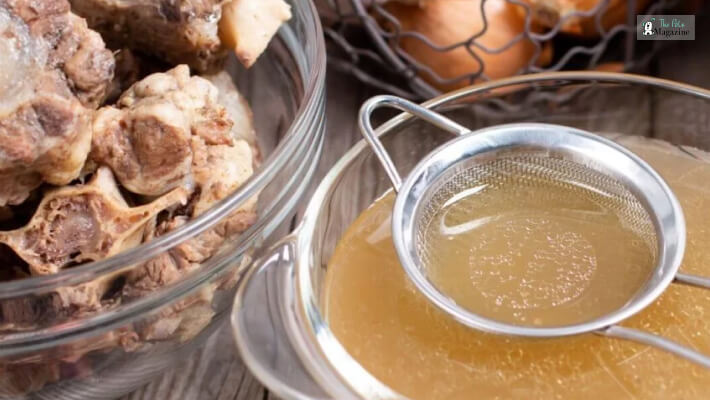
The procedure for making chicken stock for cats is the same as the one used to prepare chicken stock for humans. The only difference is that no spices or salt should be added to the chicken stock or broth for cats. Here is a step-by-step guide on how you can prepare a chicken broth that is safe for your cat to eat:
Step 1: Prepare The Chicken Stock
To make the chicken stock, add chicken or turkey bones and vegetables like celery and carrots to a large soup pot. Add enough water so that the bones are completely covered. Then cover the pot and let it simmer for around 5-6 hours. Once the stock is done, remove the bones and the vegetables and pour the stock into a bowl after passing it through a mesh strainer. Once the stock is cooled down, you can store it in the refrigerator and use it when you want.
Step 2: Gather All Your Ingredients
To make a chicken broth for your cat, you will need ingredients such as bite-sized chicken pieces. Make sure to use only boneless pieces to avoid the risk of choking. You can also add organs like chicken liver and heart and finely chopped vegetables that are safe for your cat (if your cat likes vegetables).
Step 3: Mix All The Ingredients Together
In a large pan, soup pot, or Dutch oven, add the chicken stock and the above-mentioned ingredients. Also, add four to eight cups of water according to the type of concentration you want for your broth. Let the mixture simmer for around 30 minutes to an hour or until the chicken pieces and vegetables are properly cooked.
Don’t serve the hot broth to your cat as soon as it is cooked as it will burn your cat’s tongue. Allow the broth to cool for a while before serving it to your cat. You can the chicken broth to your cat separately as a replacement for water or as a meal topper
When Can You Give Chicken Broth To Your Cat?
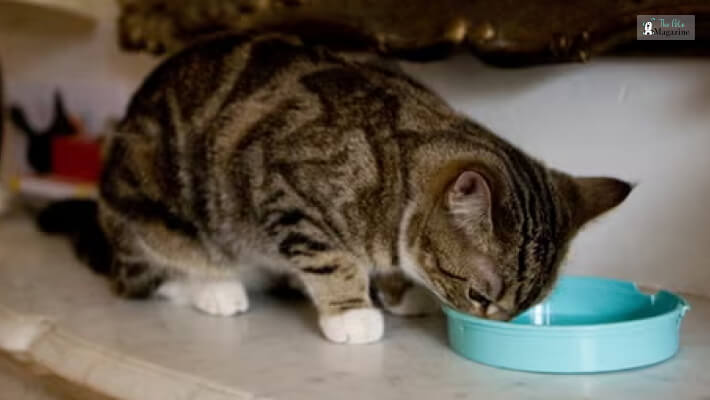
The chicken broth can be a part of your cat’s regular diet or you can give them chicken broth during the following situations –
Your Cat Is Recovering From An Illness
Just like us, our cats lose their appetite when they are recovering from an illness. While recuperating, your kitty may not want to or may find it difficult to eat their regular dry kibble but it may be easier for them to lap up the warm chicken broth. The nutrients present in a bowl of chicken soup will also help them to recover quickly.
Your Cat Is Suffering From A Disease
You can give chicken broth to your cat if they are suffering from health issues like the common cold or gastrointestinal issues. In the case of the common cold, antioxidant properties and other essential nutrients present in chicken broth will help improve your cat’s immunity. If your cat is suffering from gastrointestinal problems like diarrhea or excessive vomiting, then drinking chicken soup will provide your cat with essential nutrients. It will also help them to stay hydrated.
Wrapping Up
Cats can have chicken broth as part of their regular diet or when they are not feeling well. But you should also consult your vet regarding the amount of chicken broth that you can feed to your feline friend on a regular basis. You should also start by feeding a small amount of broth and make sure that they are not having any adverse reactions.
Frequently Asked Questions (FAQs)
Here are a few questions and queries on the topic of can cats have chicken broth safely that others have asked on the topic that you might find helpful.
Yes, cats can have chicken broth if it’s plain, unseasoned, and free from harmful ingredients like onion, garlic, and excess salt. The main risks come from additives commonly found in store-bought broths. Therefore, always check the label carefully before offering it to your cat.
Most store-bought broths contain sodium, onion powder, garlic, or preservatives that are unsafe for cats. Although some “low-sodium” versions exist, they may still contain harmful seasonings. For this reason, homemade chicken broth is usually the safest option.
Onion and garlic whether fresh, powdered, or cooked are toxic to cats and can damage red blood cells. Additionally, high sodium levels can strain a cat’s kidneys. Artificial flavorings, preservatives, and MSG are also best avoided.
Even low-sodium broth may contain more salt than a cat with kidney disease should consume. Cats with kidney problems require carefully controlled diets. Therefore, you should consult a veterinarian before offering broth to cats with renal conditions.
Kittens can have small amounts of plain, homemade chicken broth as an occasional treat. However, it should never replace mother’s milk or kitten-formulated food. Because kittens have sensitive digestive systems, moderation is key.
Chicken broth primarily acts as a flavor enhancer and hydration booster. While it may contain small amounts of protein, collagen, and minerals, it is not nutritionally complete. Therefore, it should only complement not replace a balanced cat diet.
Bone broth contains collagen and gelatin, which may support joint health and digestion in senior cats. However, scientific evidence in cats is limited. While it can be a gentle supplement, it should not substitute veterinary treatment for arthritis or digestive issues.
A few teaspoons to one tablespoon is generally safe for an average adult cat. It should be served occasionally, not daily, unless recommended by a vet. Overconsumption could lead to digestive upset.
Yes, plain chicken broth can encourage hydration and stimulate appetite in sick or recovering cats. Because it smells appealing, it may entice cats that refuse regular food. However, always confirm with your vet during recovery periods.
Hydration is essential for cats with urinary tract issues. Adding small amounts of safe broth to water or food may encourage fluid intake. Still, it should be approved by a veterinarian to avoid worsening the condition.
YOU MAY ALSO LIKE:
Share







Leave A Comment