
The Power Of Pets: Choosing Easy Companions For Rehabilitation Support

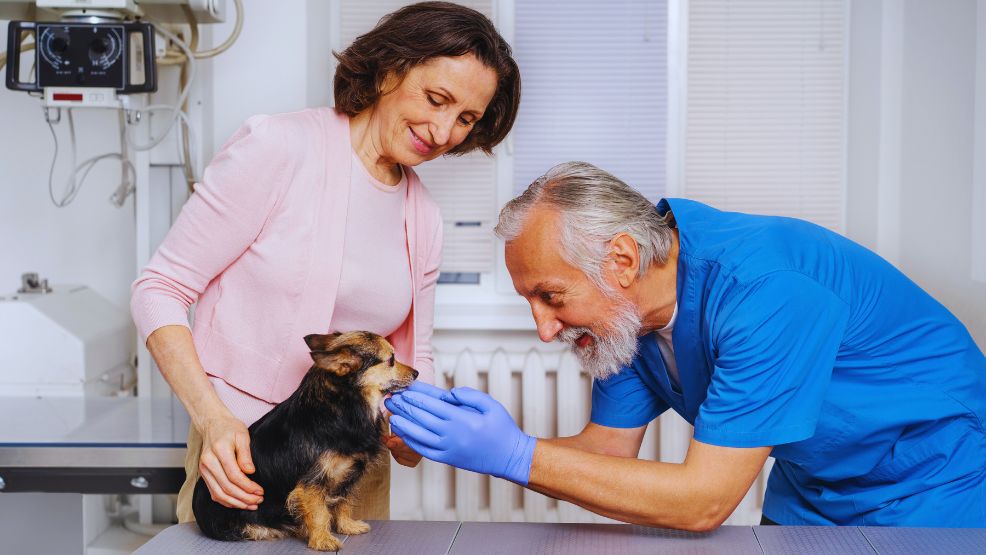
When I first walked into rehab, I didn’t think much about pets. I was too busy trying to keep my head above water. But somewhere between the noise of my own thoughts and the quiet of the evenings, I noticed something — people with pets seemed lighter. Calmer. I didn’t understand it then, but I do now.
Animals have this way of meeting you right where you are. No judgment, no awkward silences, no need to explain the mess behind your eyes. They just sit there — breathing, blinking — and somehow, you start breathing a bit easier too.
That’s what this is really about: finding the kind of pet that helps you heal without adding more chaos to your life. Something gentle. Something easy to love.
So, if you want a list of pets that can really help with rehab, supported by alcohol rehabilitation centres, focusing on their ease of care, you have come to the right place.
In this article, I will talk about:
- The benefits of having pets for rehabilitation support.
- The best pets you should choose for rehabilitation support.
- Why does having pets matter in rehabilitation support?
Therefore, if these are some of the things that you want to know, keep on reading this blog till the end…
The Benefits Of Pets For Rehabilitation Support
There’s something different about waking up and knowing a small life depends on you. It pulls you out of yourself. Makes you get up, move, do something.
I remember this one guy, quiet type, barely spoke. Then one day they brought in a therapy dog — small, golden, tail always wagging. Within a week, that man started smiling. Real smiles, the kind that reach your eyes.
Science can talk all day about endorphins and reduced cortisol, and sure, that’s true. But the truth I’ve seen — the one you feel — is that pets bring rhythm back into days that feel lost. You feed them, you walk them, you talk to them. And in return, you get a kind of stillness you didn’t know you needed.
Top Easy-To-Manage Pets For Rehabilitation Support
When it comes to choosing the pets for rehabilitation support, you need to pick the right one. While most people might think that any pet can help them and provide them with the mental support that they need, that’s really not how it works.
Here are the pets that you would want to stick to:
1. Cats
Cats are perfect for people who want company but not pressure. They mind their own business, which honestly feels like a gift when your brain’s been running on overload. A cat will curl up near you, not asking for anything, just existing beside you — and that kind of quiet presence can be healing in ways words can’t touch.
I remember this gray tabby we had at the center. She’d nap on windowsills, stretch, purr, and somehow everyone’s heart rate just… slowed down. You’d stroke her fur and feel your own tension melt. She didn’t fix anyone’s problems, but for a few minutes, she made them feel smaller.
2. Small Dogs
Small dogs are like tiny emotional barometers — they feel everything. The joy, the grief, the silence. And they love you anyway. You don’t need to take them on miles-long walks. Sometimes a stroll down the hallway or sitting together in the sun is enough.
I used to help walk a little Shih Tzu named Coco. On the bad mornings, she’d just sit next to me, tail tapping, waiting. She didn’t ask why I was quiet or distant — she just waited. That quiet companionship was a kind of therapy all its own.
3. Fish
Now, fish might sound boring, but there’s a strange peace in caring for them. You stand there, just watching them move — slow, steady, back and forth. It’s like time pauses. You breathe with them, without realizing it.
Setting up a small tank gives you something to build — water, plants, color, life. Maintenance is simple, almost meditative. Feed them, clean the tank, repeat. It gives you purpose without demanding too much. And some days, that’s exactly the kind of balance you need.
4. Rabbits
Rabbits are gentle souls. At first, they keep to themselves, shy and careful. But if you’re patient, they warm up. They’ll hop closer, nudge your hand, maybe even rest beside you. It’s a quiet trust, earned slowly, and that makes it all the more meaningful.
I had a roommate once who kept a rabbit named Willow. Every morning, he’d sit on the floor while she chewed her hay. That was his ritual. It grounded him. Gave him something predictable in a life that hadn’t felt steady for years.
5. Guinea Pigs
Guinea pigs are tiny bundles of personality. They squeak when they see you, chatter when they’re excited, and honestly — it’s hard not to smile around them. They don’t need much space or effort, just care and a clean cage.
What’s funny is, they recognize you. After a few days, they start reacting to your voice. I’ve seen people light up when that happens — “She knows me!” It’s a small thing, but in recovery, small things can be huge.
Why The Right Pet Matters For Rehabilitation Support?
Choosing a pet in recovery isn’t about filling time. It’s about learning how to care again — slowly, safely. Each one, whether a cat or a goldfish, gives you a little piece of that back. They remind you what gentle responsibility feels like.
I’ve seen people start smiling again because of these animals. Seen them laugh, even cry, in a good way. Caring for something alive creates this quiet shift — it turns the focus from “What’s wrong with me?” to “What can I do today?”
And honestly, that’s how healing often begins.
A Small Step Toward Wholeness
Bringing pets into rehab spaces isn’t just about comfort — it’s about connection. These animals don’t care who you were before. They meet you in the moment. They teach patience, consistency, forgiveness — all the small, human things that recovery asks of you.
It’s not dramatic, the way they help. It’s subtle. You feed them, they trust you. You show up, they stay. And one day, you realize you’re starting to trust yourself again, too.
In case you were wondering about the pets for rehabilitation support, I hope this blog was helpful! Please let me know in the box below if there’s anything else that you want to know about the same.
Share





Leave A Comment