
Can Cats Eat Ice Cream? Is It Toxic To Cats?

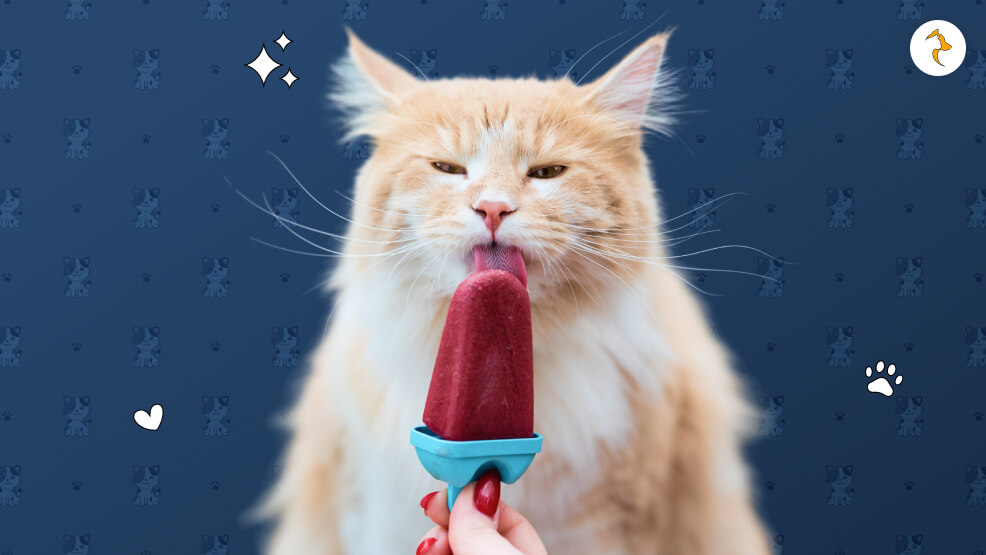
Most pet owners are undoubtedly tempted to give a scoop of ice cream to the cat. You might think, can I let my cat lick my ice cream?
However, you have to consider whether ice cream may be fed safely to cats. Can cats eat ice cream? The reality is that the creamy and icy dessert is not cut as suitable for cat food. This is because:
Even though a little ice cream won’t do any immediate damage to your cat, giving ice cream to your cat in its entirety is not advisable. Cats are obligatory carnivores.
Their digestive system has been constructed to break down meat and proteins rather than dairy or other sweet treats. In this respect, ice cream can provoke many digestive problems and other health issues for your cat.
Can Cats Eat Ice Cream?
Cats can eat ice cream if they are served in small quantities. If you consult a nutritionist or a veterinarian, average-size act breeds like Persian and Siamese should never be given more than a teaspoon of ice-cream at a time.
Larger breeds like Maine Coons or Ragdolls can have two teaspoons of ice cream at a time. Also, ensure that you give it to them as a treat, and it should not be more than once a month.
What Happens If A Cat Eats Ice Cream?
Cats can have ice cream, but in limited quantity. Here are some of the common risks of feeding them too much of it:
- Brain freeze
- Gastrointestinal issues
- Nutritional imbalance
- Dairy allergy
- Fussy eating habits
Brain Freeze
If you search the internet, you will come across various videos of a cat getting brain frozen after having ice cream. Even though these are considered funny and adorable, veterinarian will let you know that a brain freeze can be a traumatic experience for them.
The pain is temporary and short, but this sharp pain can cause them tooth sensitivity. If they have experienced brain freeze once, do not give it to them again. Avoid giving them any kind of chilled treats.
Gastrointestinal Issues
Cats are carnivores, and their system does not do well if they eat anything outside their natural diet. If they have too much of the treat it can disrupt their digestive balance and can cause:
- Diarrhea
- Excessive regurgitation and retching
- Flatulence and bloating
Most cats will get sick after eating ice cream because of lactose intolerance. Wearing kittens can still tolerate it if they are weaning of their mother’s milk, but they lose this ability as they transition to solids.
Nutritional Imbalance
Here are some of the basic nutritional characteristics of ice cream:
- Fat: 11grams
- Cholesterol: 44 milligrams
- Protein: 3.5 grams
- Sodium: 80 milligrams
- Carbs: 24 grams
- Calories: 207 calories
This is an approximate amount per 100 grams, and they have too much of it, they can suffer from overdose of carbohydrates, sodium, fats and cholesterol.
Dairy Allergy
A diary allergy is not like lactose intolerance. Intolerance is when their system cannot digest the ingredient, but an allergy is when their immune system is reacting to something, which it detects as harmful.
If your cat is allergic to dairy, then consuming even a small dose can cause respiratory issues, hair loss, inflammation and gastrointestinal issues.
Fussy Eating Habits
Can cats eat ice cream? Well, they do like some unhealthy snacks but feeding them high-fat food can cause food obsession and make them fussy during their meals.
They get addicted to these fatty treats and start rejecting their regular food that has a balanced fat content.
Common Ingredients in Ice Cream That React to Cats
Most of the following ingredients are present in ice cream that is harmful to your cat:
- Milk and Cream: The most used dairy product in ice cream. Most cats are proven to be lactose intolerant; hence, they cannot metabolize the present lactose in milk appropriately.
- High sugars: In most cases, ice creams are characterized by high sugars that are not good for your cat, and after some time might end up with obesity or diabetes.
Some artificial sweeteners may contain xylitol in some ice creams, and though tiny, it might be poisonous to your cat
- Chocolates: In some cases, the ice cream may have chocolate, which is poisonous to your cat and may bring severe health issues.
- Caffeine: Some ice creams, especially the coffee flavor, contain caffeine that is toxic to cats, too.
Dangers to Health
It is very tempting to give your cat a treat that seems so harmless, but there are several dangers from the ingredients in ice cream:
- Lactose Intolerance in Cats: Most adult cats are lactose intolerant. They do not produce much of the enzyme called lactase that breaks down the lactose in milk. Dairy can cause digestive upset.
- Sugar and artificial sweeteners: Cats do not metabolize sugar well; sugar in high quantity has led to obesity, diabetes, plus dental cavities. Artificial sugars xylitol is a toxin for cats, even in minuscule quantities.
- Other Toxic Ingredients: Chocolate or caffeine ice creams are dangerous to cats. It is toxic, which causes shock, fit, and death.
Why Ice Cream is Hostile to Cats?
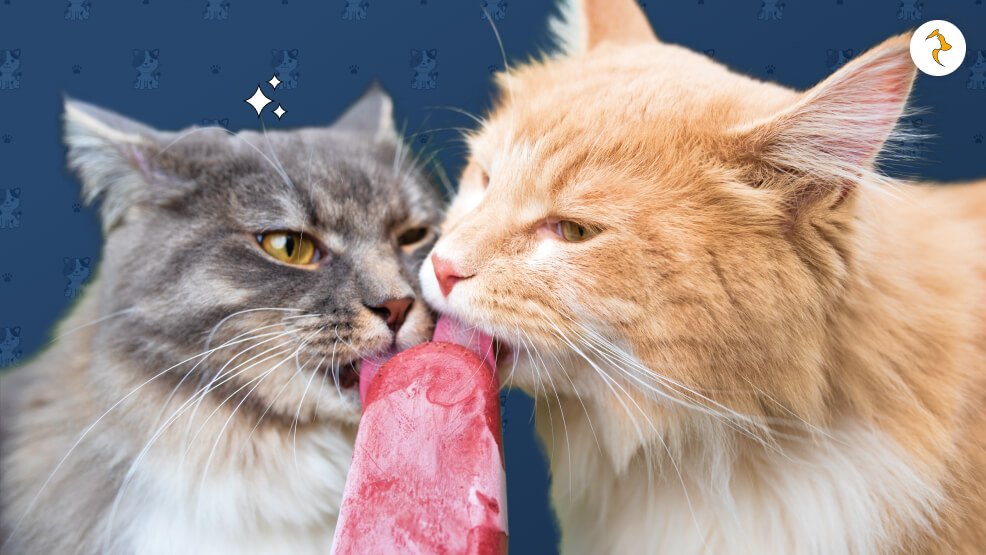
A cat is lactose intolerant. Most felines lack the proper ability to digest lactose, and most have lost the ability by adulthood; therefore, their dairy products, like ice creams, cause discomfort or gastrointestinal upset.
Sugar and artificial sweeteners
Cats don’t need sugar. Too much sugar makes them obese and causes diabetes later in life. More importantly, sugar-free ice cream products contain artificial sweeteners that can poison a cat and make it dip rapidly in blood sugar, thereby resulting in hypoglycemia.
Other Toxic Substances
Ice cream contains chocolates, caffeine, and nuts. All of these are dangerous for a cat. Chocolates have a group called theobromine and caffeine. The toxins in it are harmful to cats. They might lead to some heart issues or even fatal with extreme instances of tremors.
Symptoms of Ice Cream Toxicity in Cats
The other toxic ingredient in ice cream responsible for cat poisoning is milk or any other toxic ingredient. Your cat can display some of the following symptoms after eating ice cream.
Lactose Intolerance Signs and Symptoms
Lactose intolerance can also happen in cats. However, it is different than dairy allergy. Here are some of the common symptoms of lactose intolerance.
- Vomiting
- Abdominal cramps or distension
Other Possible Effects
Apart from lactose intolerance, there are some common symptoms that you might notice if they are having a toxic reaction to ice cream. Here are some of the symptoms.
- Somnolence
- Hyperactivity, possibly from sugar
- Restlessness or anxiety
- Salivation (more with chocolate or xylitol)
If your cat exhibits one or more of the signs mentioned above, examine your cat’s health status.
When to Take Your Cat to the Vet?
If your cat exhibits any of the following: vomiting, diarrhea, lethargy, or seizure, call your veterinarian right away. If it’s an ice cream that contains chocolate, xylitol, or caffeine, the sooner your cat is treated, the better his chances of survival.
Safer Alternatives to Ice Cream for Cats
Well, no point in giving it away and feeding your cat your ice cream. There are those safer alternatives anyway:
- Cat-Friendly Frozen Treats: The pet store can find frozen cat-friendly treats. Products that would likely quench the desire without harm for the cat include cool effects.
- Homemade Cat Treat Recipes: Mix cat-friendly ingredients, such as pureed tuna or chicken, with low-sodium broth or water. These may be frozen in an ice cube tray to provide a refreshing time.
- Commercially available cat treats: A few commercially available cat treats seem to compare to the experience of ice cream, such as frozen yogurt meat-flavored treats or fish treats.
Tips to Feed Human Food to Cats
Let us go through the general guidelines for feeding human food to cats. This will give you a better idea of how to feed food that humans consumes to the cats!
- Only a small quantity of safe human food should be offered.
- Do not give your cat poisonous foods like chocolate, onions, garlic, alcohol, etc.
- Do not give your cat processed foods containing high sugar, salt, or artificial additives.
Don’t Feed These Foods
- Dairy products since they suffer from lactose intolerance
- Sugar-based foods or items that have artificial sweeteners, such as xylitol
- Chocolate, coffee, onions, garlic, grapes, and raisins.
Why Do Cats Like Ice Cream?
If you think that your cat has a sweet tooth, you are mistaken. They do not have taste buds that can sense sweetness.
However, if your cat is asking for ice cream frequently, it is because they have become addicted to the fat content or they just like the texture of the food. This is a major reason why you need to keep all the junk human treats away from your feline baby.
Wrapping Up!
Scooping ice cream and feeding it to your cat will be hilarious, but surely, this is neither healthy nor safe. Cats are sensitive not just to sugars but to other ingredients as well, being lactose intolerant. So, to answer your question, can cats eat ice cream, no they cannot.
Cats can choose other frozen cat-safe treats or even home-cooked recipes to cool down and save. Proper wellbeing and good health should match up with a well-balanced diet for this cat. Then and ever, human food shall only try toward good health and well-being.
Up Next..
Share







Leave A Comment