
When Can Kittens Eat Dry Food: A Guide For First-Time Cat Parents


As a proud new kitten owner, you want to ensure that your little furball grows up to be healthy and strong. One of the important milestones in a kitten’s life is the transition from milk to solid food. If you are a first-time cat parent, then you probably want to know when can kittens eat dry food and how to introduce dry food into their diet!
This article will guide you through the process, from understanding the nutritional needs of kittens to choosing the right dry food and avoiding common mistakes along the way.
Understanding the nutritional needs of kittens
Before we dive into the topic of when can kittens eat dry food, it’s essential to understand the nutritional needs of kittens. During their first few weeks of life, kittens rely solely on their mother’s milk for nourishment. This milk provides them with the necessary nutrients, antibodies, and hydration they need to grow. However, as they reach around four weeks of age, their bodies start to develop the ability to digest solid food.
At what age can kittens start eating dry food safely?
Kittens can begin nibbling softened dry food at around 4 weeks of age during the weaning phase.
However, fully dry (unsoaked) kibble is usually appropriate closer to 6–8 weeks old, once their teeth are stronger and chewing skills are developed.

At this stage, kittens require a diet that is high in protein, as it supports healthy growth and development. Look for cat food Dubai specifically formulated for kittens, as it will provide them with the right balance of nutrients. Additionally, ensure that the dry food you choose is AAFCO (Association of American Feed Control Officials) approved, as this ensures it meets the required standards for a complete and balanced diet.
Signs that your kitten is ready for dry food
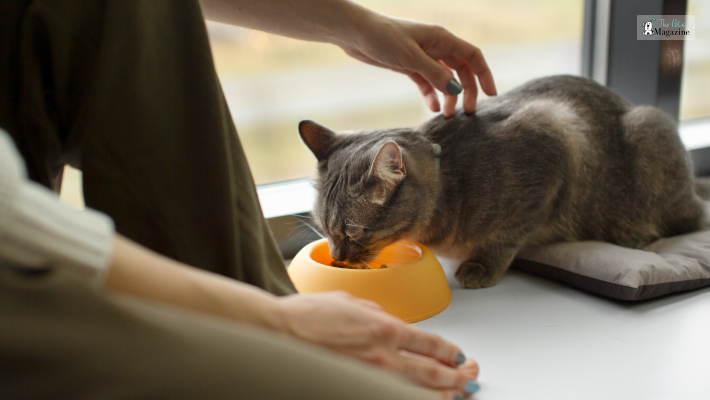
Generally, a kitten is ready to eat solid food when it’s around four weeks old. But there are also other signs that will help you to understand that your kitten is ready for solid food or dry food.
When should kittens stop drinking their mother’s milk?
Most kittens naturally wean between 6 and 8 weeks old.
By 8 weeks:
- They should be fully eating solid food.
- Milk consumption naturally decreases.
After this stage, cow’s milk should not be given, as it can cause digestive upset.
Let’s explore the signs that indicate when can kittens eat dry food:
Increased interest in their mother’s food bowl
One of the first signs is an increased interest in their mother’s food or other solid foods. You may notice them sniffing around their mother’s bowl or attempting to take a nibble. This curiosity is a good indicator that their taste buds and digestive system are maturing.
Another sign is the presence of teeth. Kittens start to develop their baby teeth at around three to four weeks old, and by the time they are six to seven weeks old, they will have a full set of sharp little teeth. These teeth are necessary for chewing and consuming solid food. If you notice your kitten gnawing on objects or showing an interest in chewing, it may be a sign that they are ready for dry food.
Presence of Teeth
Another sure sign that your kitten can eat dry food is the presence of teeth. Kittens start to develop their baby teeth at around three to four weeks old, and by the time they are six to seven weeks old, they will have a full set of sharp little teeth. These teeth are necessary for chewing and consuming solid food. If you notice your kitten gnawing on objects or showing an interest in chewing, it may be a sign that they are ready for dry food.
How to introduce dry food to Kittens
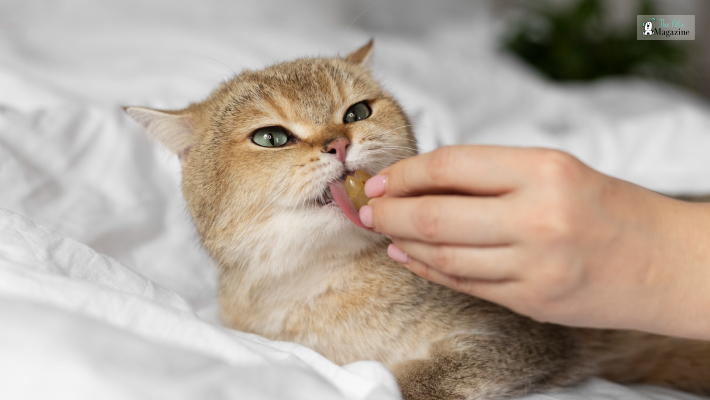
Now that you know when can kittens eat dry food, it’s time to introduce it to them gradually. Abruptly switching from milk to dry food can cause digestive upset, so it’s important to take it slow. You can follow the steps below to slowly introduce dry food to your kitten:
Step 1: Start by mixing a small amount of wet kitten food into their milk, creating a soupy mixture. Allow them to lap it up and get accustomed to the texture.
Step 2: Over the course of a week or two, gradually decrease the amount of milk and increase the amount of wet food in the mixture. This will help their digestive system adjust to the change.
Step 3: Once they are comfortable with the wet food, you can start introducing dry food by mixing it with the wet food. Slowly increase the ratio of dry food to wet food until they are primarily eating dry food.
Remember to monitor their progress closely and make adjustments as needed. Some kittens may take longer to transition than others, and that’s okay. The key is to be patient and allow them to adapt at their own pace. Providing a calm and stress-free environment during mealtime can also help facilitate the transition to dry food.
Here are some additional tips that will help your kitten to smoothly.
Choosing the right dry food for kittens
When it comes to choosing the right dry food for your kittens, it can be overwhelming with the plethora of options available. However, there are a few key factors to consider that will help you make an informed decision.
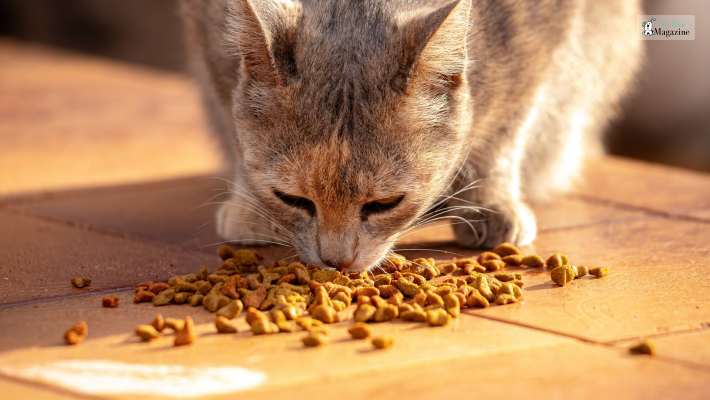
Check for AAFCO Label: First and foremost, check the label for the AAFCO statement. This ensures that the dry food meets the required nutritional standards for kittens.
Opt for dry food for kittens: You should look for dry food that is specifically formulated for kittens. These formulas are designed to provide the ideal balance of nutrients needed for their growth and development. Ingredients such as high-quality animal protein, essential fatty acids, and vitamins and minerals should be prominently listed.
Avoid food containing fillers and additives: Avoid dry foods that contain excessive fillers, artificial additives, or by-products, as these may not provide the necessary nutrition.
It’s also a good idea to consult with your veterinarian for recommendations. They can take into account any specific dietary needs or health concerns your kitten may have and guide you toward the most suitable dry food options. Remember, a healthy diet is the foundation of a healthy cat, so investing in high-quality dry food is an investment in their overall well-being.
How do I transition my kitten from milk to dry food?
The weaning process typically happens between 4 and 8 weeks:
Step-by-step transition:
- Start with a gruel (dry kitten food + warm water or formula).
- Offer it in a shallow dish.
- Reduce liquid gradually each week.
- Introduce small amounts of fully dry kibble by 6–8 weeks.
Patience is key every kitten progresses at a slightly different pace.
Is wet food better than dry food for young kittens?
Wet food is often easier for young kittens because:
- It’s softer
- It contains higher moisture
- It’s easier to chew and digest
However, high-quality dry kitten food is perfectly safe once they can chew properly. Many owners choose to mix both for balanced nutrition and dental stimulation.
How do I know if my kitten is ready to chew dry food?
Signs of readiness include:
- Eruption of baby teeth
- Interest in mother’s food
- Attempting to chew softened solids
- Reduced nursing frequency
If your kitten confidently chews softened food, you can slowly introduce firmer kibble.
Frequently Asked Questions (FAQs)
Here are a few questions and queries on the topic of when can kittens eat dry food, that others have asked and you might find helpful at the same time.
At 4 weeks, it’s generally too early for hard kibble. Their baby teeth are still developing, and chewing ability is limited.
No, developmental readiness matters more than feeding situation. Orphaned kittens require kitten milk replacer until at least 4 weeks.
They should follow the same gradual weaning timeline. Introducing solids too early can cause digestive issues.
Not necessarily. Grain-free diets are not required unless your kitten has a diagnosed sensitivity.
Most kittens should eat kitten food until around 12 months of age.
Large breeds may benefit from kitten formula slightly longer, depending on growth rate. Always consult your veterinarian before switching.
Yes, mixed feeding is common and beneficial. But ensure total daily calorie intake remains appropriate.
Breed does not significantly change the starting age for dry food. However, larger breeds may require higher calorie intake. While smaller breeds may need smaller kibble sizes.
Conclusion
Introducing dry food to kittens is an important step in their journey toward a healthy and independent life. By understanding their nutritional needs, recognizing the signs of readiness, and following a gradual transition process, you can ensure a smooth and successful switch.
Remember to choose high-quality dry food that meets their specific dietary requirements and monitor their progress closely. With patience, love, and proper nutrition, you’ll be setting your kittens up for a lifetime of good health and happiness.
Recommended Reading..
Share








Leave A Comment