
What Kills Ear Mites In Cats Instantly? Is There Any Particular Medicine?

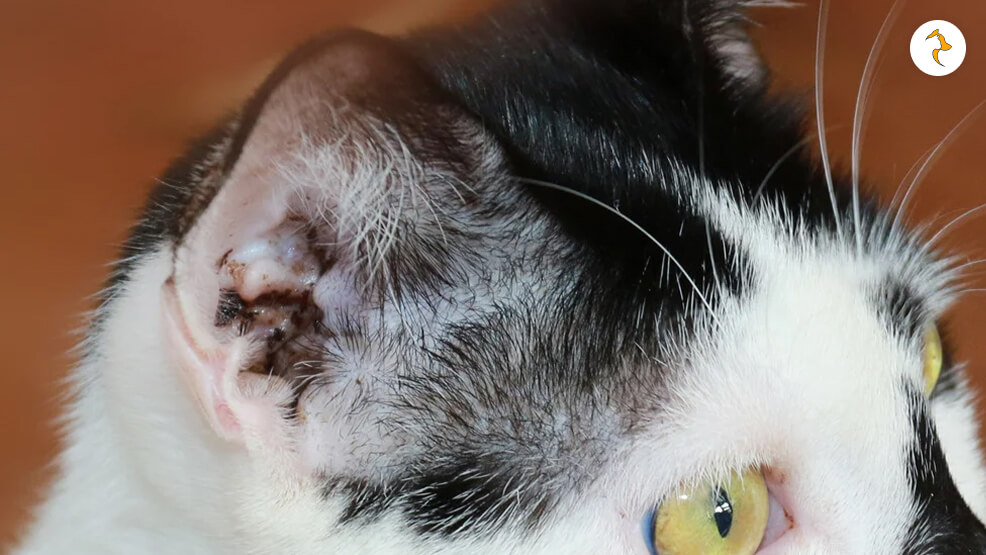
Seeing your feline friend in distress will cause you discomfort as well. If you see them shaking their head more than usual or scratching their ears a lot, it could mean they have ear mites.
I know it is not easy to see them in trouble, and the very first thing that you would search for is what kills ear mites in cats instantly. However, even at the risk of disappointing you, let me inform you that no treatment can kill ear mites instantly.
But there are other effective treatments and medicines that will take a while, but will provide them relief. You might not be able to notice these small fleas on your cat because of their small size, but there are ways that can actually help them.
What Are Ear Mites In Cats? What Kills Ear Mites In Cats Instantly?
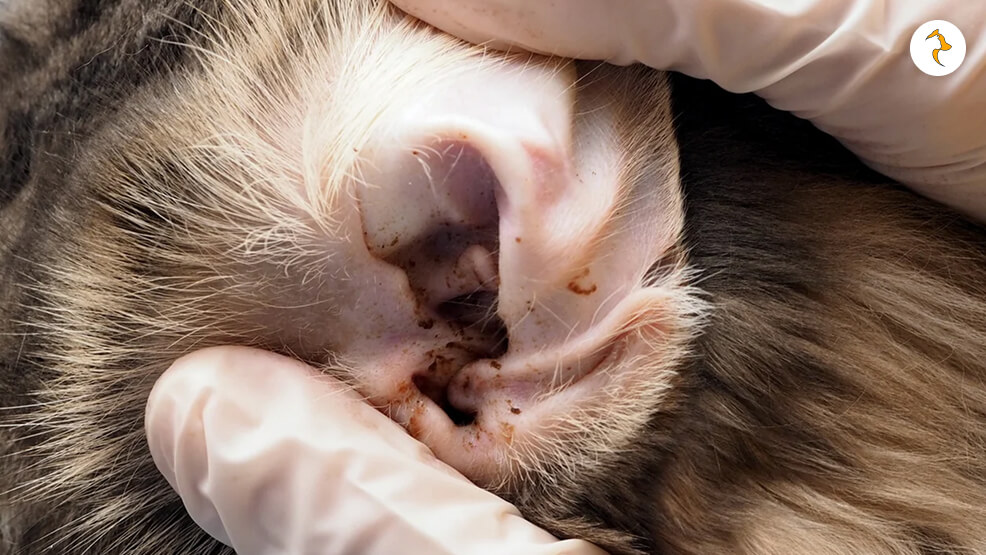
Ear mites are popularly known as Otodectes cynotis. They are microscopic parasites that live in the warm, dark ear canal of a cat. These are highly contagious and can spread from one cat to another easily.
These mites cause itching and inflammation, followed by head shaking and excessive itching, along with an abnormal ear discharge. These are not life-threatening, but can cause extreme discomfort.
However, there is no instant remedy for an ear mite. It will take its own time with medication and heal. When left untreated for a long time, it can cause severe inflammation, secondary bacterial infections, and pain.
Symptoms Of Ear Mites
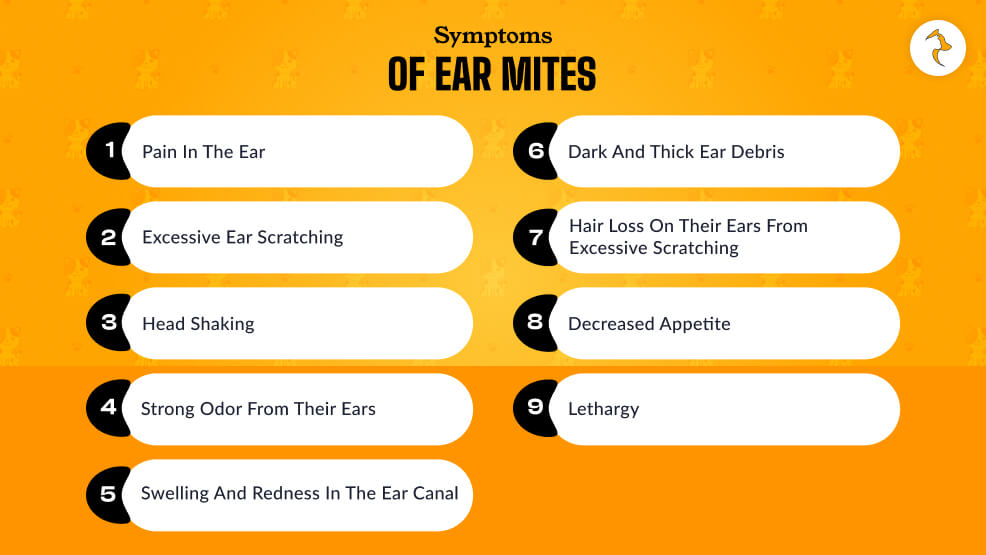
You must know the signs and symptoms of ear mites in cats to help them get the required treatment and prevent any further complications. Here are some of the common symptoms:
- Pain in the ear
- Excessive ear scratching y
- Head shaking
- Strong odor from their ears
- Swelling and redness in the ear canal
- Dark and thick ear debris
- Hair loss on their ears from excessive scratching
- Decreased appetite
- Lethargy
What Are The Probable Causes Of Ear Mites?
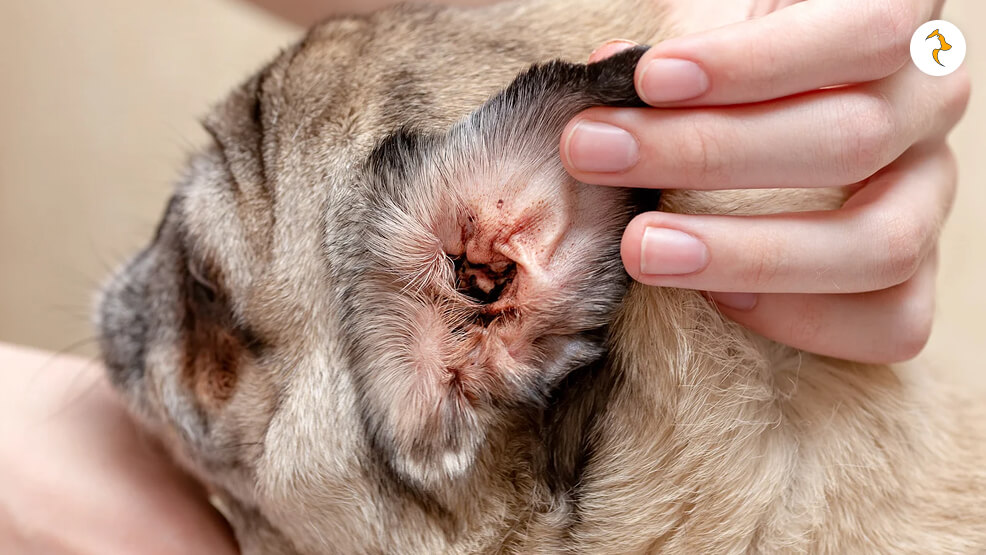
It is not easy to see ear mites with the naked eye. You might notice black or dark brown discharge from their ear. It looks like a combination of mite debris, ear wax, and dried blood.
In some cases, you might see specks moving inside their ear canal, and those are the mites. These are highly contagious and easily spread from one animal to another. This is one of the most common issues in cats.
Here are some of the common causes behind your cat getting cat mites.
- Direct contact with another infected cat. This is extremely common in shelters and multi-cat households.
- Sharing contaminated grooming kits and bedding.
- Direct contact with other infected animals like rabbits, dogs, and ferrets.
- Moreover, kittens can get it from their mothers as well.
- When cats roam outside, they can come in contact with animals carrying ear mites.
Diagnosis Of Ear Mites
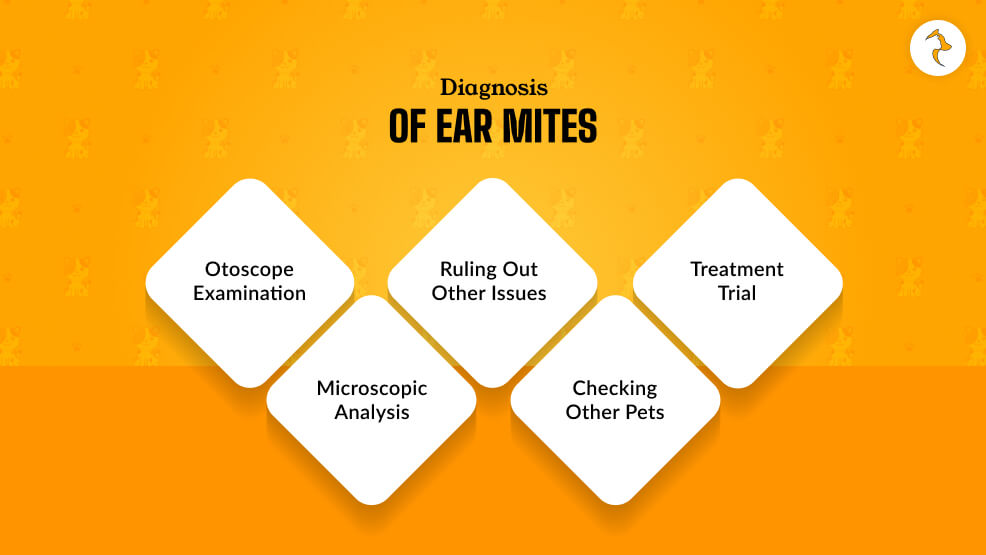
If your cat is showing symptoms of ear mites, you need to take them to a vet for a proper diagnosis. The veterinarian will ask you if they are on monthly preventatives and whether you have other pets in your house, or whether your cat spends time outdoors.
Here is what you should expect from the vet during your visit:
1. Otoscope Examination
There is a particular tool known as the otoscope, which vets use to check the insides of their ears. They will be able to check any excess wax buildup, swelling, or redness. Moreover, it detects movements as well that indicate mites.
2. Microscopic Analysis
In this test, the doctor collects a sample of the ear debris with a cotton swab and then checks it under a microscope. This is one of the best ways to detect mites and any other kind of secondary infections.
3. Ruling Out Other Issues
Both fungal and bacterial infections show similar kinds of symptoms. The vet might recommend some additional tests, like cultures or cytology, to make sure that it is ear mites and nothing else.
4. Checking Other Pets
If you have a multi-pet household, your vet will recommend that you get them checked, too. Ear mites are extremely contagious and spread easily between animals.
5. Treatment Trial
As I have mentioned earlier, these mites are not visible to the naked eye. Something a vet might even miss, but start the treatment depending on the symptoms. If their symptoms get better, then they confirm the diagnosis.
Treatment For Ear Mites
Treating ear mites is not a complicated process. However, it is important that you complete the entire course of medication to make sure they are eliminated. Ear mites can cause a lot of irritation and lead to secondary infections. Here is how ear mites are treated.
1. Ear Drops
These drops contain parasitic agents that help kill ear mites and reduce inflammation. Mostly, you will have to apply it for 7 to 10 days. However, you have to make sure you are exactly using it as they were prescribed.
2. Tropical Treatments
These are medicines that are applied to their skin between their shoulder blades, and these are quite effective in killing the parasites after one dose. Moreover, these protect them against any future infestation.
3. Oral Medications
If their condition is quite serious, doctors often recommend oral medications to kill the mites. They are often accompanied by ear drops to make the treatment more effective.
4. Keeping Their Ears Clean
Before starting with the medicines, a vet will recommend you clean their ears for any mite debris and wax. This will make the medicine work better. Moreover, you will have to clean their ears regularly to prevent reinfestation.
You will notice positive results within 24 to 48 hours. However, it may take up to three weeks to completely eliminate the mites. You might need to take them back to the vet for a follow-up to see if they are doing well.
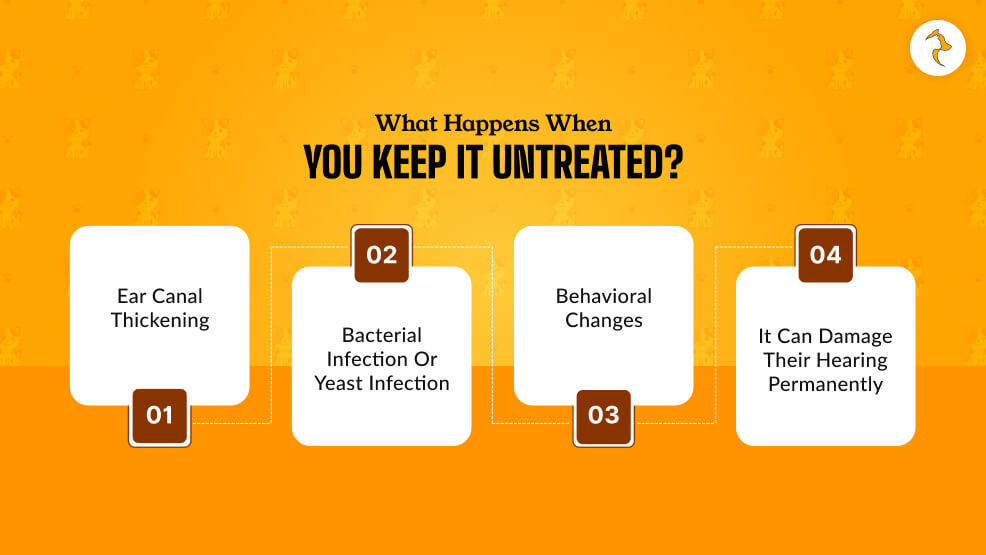
What Happens When You Keep It Untreated?
When mites are left untreated for a while, they can cause complications. This can cause feline mange. It is one of the most serious conditions that is caused by the spread of mites from the ears to other body parts.
This can cause widespread itching, inflamed skin, and hair loss. Moreover, there are a few other complications that can happen:
- Ear canal thickening
- Secondary bacterial infection or yeast infection inside their ear
- Behavioral changes because of discomfort
- In some severe cases, it can damage their hearing permanently
Recovery & Management
When they are undergoing treatment, you will have to monitor them and clean their ear regularly. Otherwise, it can bring back the infection again. Their irritation will remain for a while, and they will keep scratching.
However, if the symptoms are not going away, you will have to consult a vet again. To ensure they recover completely, here are a few things that you will have to take care of.
- Ensure you give them their prescribed medicines as directed by the vet.
- Look for any signs of reinfection.
- Also, keep their bedding and surroundings clean.
How To Prevent It From Happening Again?
Now that you have the answer to what kills ear mites in cats instantly, you should try to prevent them from happening. Although it may not be life-threatening, it is quite uncomfortable for them.
One thing you can try is to give them monthly tick and flea preventives all year long, along with regular checkups.
Moreover, you need to avoid them getting close to any other animal or cat you know is infected. Keep their grooming kits and bedding clean to prevent contamination.
Frequently Asked Questions
Here are some of the common questions people ask while discussing ear mites in cats.
There is no medicine that can kill ear mites instantly. Medication helps with this, but it takes some time. You can administer their medicines on time and keep them groomed to expedite their recovery process.
Ear mites affect animals, and not infest humans. However, in some rare cases, they can cause mild irritation when they come in contact with human skin.
The cost varies widely, depending on the vet clinic, the location, pet insurance, and the seriousness of the condition. So, it’s difficult to specify a number. If you have multiple pets, the cost will increase significantly to treat them all.
It is unlikely that ear mites will kill a cat. However, when left untreated, it can cause complications like severe inflammation, secondary bacterial infection, and even permanent hearing loss.
Indoor cats can also get ear mites if they come in contact with an infected animal or some contaminated object, like grooming tools and bedding.
Share









Leave A Comment