
Spaying A Cat: Age, Cost, Procedure & Aftercare Guide


If you are a seasoned cat parent, you know what spaying a cat means. However, if you are a brand-new cat parent, your vet might recommend neutering your cat during your first visit.
This is a routine preventive surgery for controlling the pet population and also reduces the risk of getting some unwanted conditions like mammary cancer and pyometra. You can get this done in consultation with the local veterinarian or any specific neuter clinics.
However, if this is your first time with a cat, you will have a lot of questions, and that is only natural. You have to prepare them for surgery and care for them after the procedure.
Spaying A Cat: What Is It?
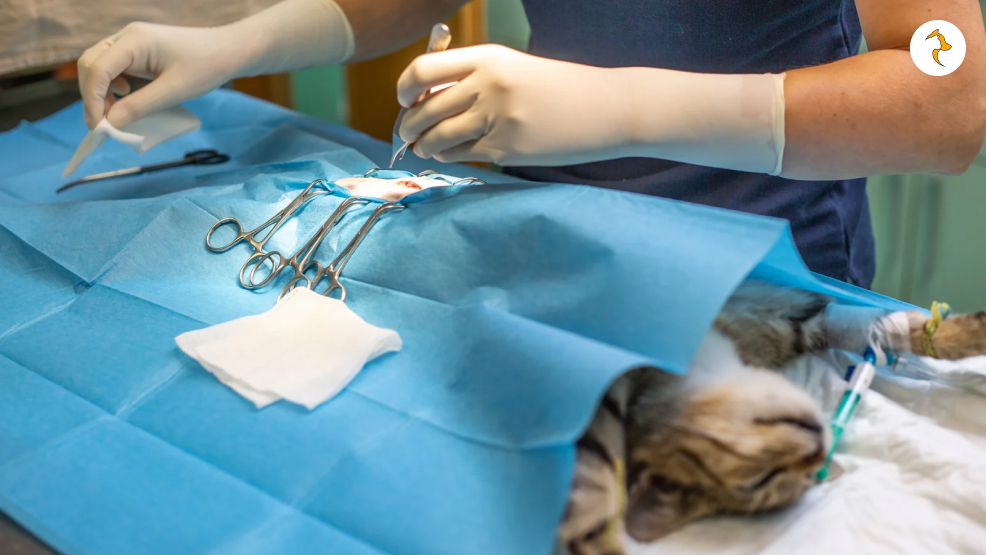
Spaying a cat is a surgical process that the vet does to remove a cat’s uterus and ovaries. This way, there is no chance for a cat to get pregnant. Moreover, it reduces the risk of developing mammary cancer later in life.
Medically known as an ovariohysterectomy, this will prevent a cat’s heat cycles. This procedure is more common among household cats, and cat parents have it done while their kittens are still kittens.
What Is The Best Age To Spay A Cat?
Animal shelters also spay cats routinely before pet parents adopt them. It is best to spay cats before they get into their first heat cycle. They can also be spayed during thier heat cycle, but that is not something a vet would recommend.
Spaying a cat during their heat cycle comes with a lot of risks, like excessive pain, excessive blood loss, and longer recovery periods.
Most vets recommend spaying a cat between 6 and 7 months old. However, if you have adopted an older cat, make an appointment and discuss the best time to spay them.
Why Do Cats Need To Be Spayed?
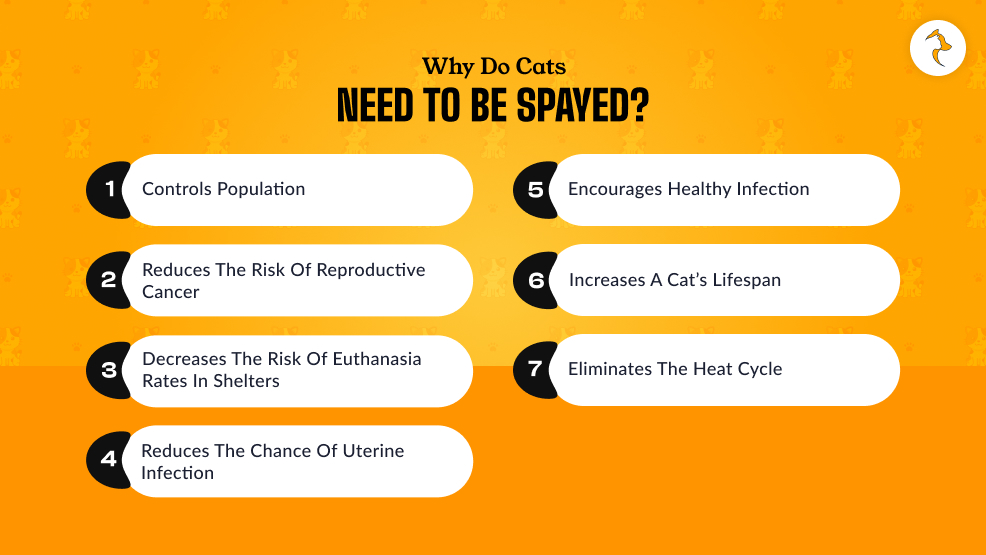
Cats are generally spayed to prevent pregnancies and to promote their overall well-being. However, spaying a cat comes with a few benefits.
- Controls population
- Reduces the risk of reproductive cancer
- Decreases the risk of euthanasia rates in shelters
- Reduces the chance of uterine infection
- Encourages healthy infection
- Increases a cat’s lifespan
- Eliminates the heat cycle
What Does The Procedure Involve?
During the spaying procedure, a cat will undergo general anesthesia. A veterinarian does a few routine physical exams. They listen to their hearts and lungs closely to detect any abnormalities that could complicate anesthesia.
They often suggest a urinalysis or blood work to ensure they do not have any underlying health issues. After checking the reports, they decide whether the cat will be safe during anesthesia, and then proceed with the entire process.
- The vets give them some medication to keep them calm, then shave a small area around their forearms.
- They clean the entire area to place a catheter into their vein. This is used for emergency access and to get them fluids and medicine during the surgery.
- The anesthesia is injected directly into their vein. They place an endotracheal tube into their throat for anesthesia and oxygen during the surgery.
- Moreover, they attach a pulse oximeter or an EKG to make sure they are safe during the process.
- After they are anesthetized, they are monitored for a while.
- Then, a small portion of their belly is shaved and cleaned before the vet begins the actual process.
- The vets make a small cut in their lower belly through which they remove their uterus and ovaries. Then they close the area with stitches, and after a while, your cat will wake up from the anesthesia.
Preparing For Surgery: Pre-Op Checklist
The night before the spaying, you will need to follow your vet’s instructions regarding their food and water. They mostly recommend withholding food for around 12 hours before the surgery, but it varies from case to case.
However, you can give them water, but ensure you ask whether there are any specific instructions about your cat if they are on medication. Some cats are anxious about traveling in a carrier, and your vet can suggest a light sedative to keep them calm and relaxed.
Aftercare & Recovery Timeline
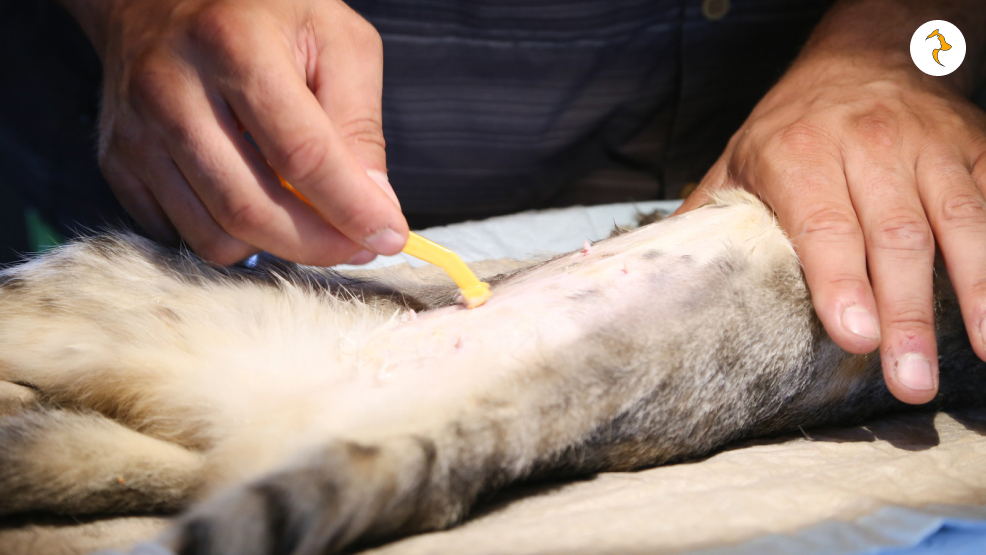
It takes around 10 to 14 days for a cat to recover after the surgery. You will have to make them wear a cone to prevent them from licking the surgical area. Moreover, keep them in a quiet area and limit their activities, such as jumping and running.
You will have to take them for a follow-up after 10 to 14 days to make sure the area has healed. Doctors often recommend pain medication to keep them calm and comfortable. Look out for any signs of inflammation and infection at the site. Some of the symptoms include:
- Redness and swelling
- Stitches are coming out and making an open wound
- Hot or warm skin
- Soreness and pain
- Discharge like pus or blood
The moment you see any of these signs, consult a pet to prevent any complications.
Risks & Complications
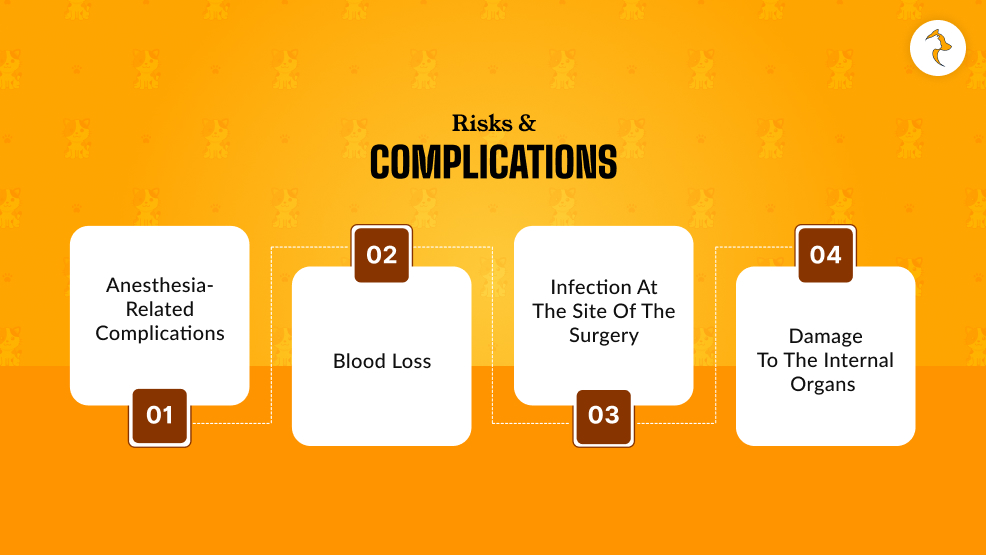
Spaying a cat is quite a safe procedure, and there are few complications. According to studies, the risk of developing some serious complication, like death, is as low as 0.05%.
In general, spays are done when cats are young and healthy, as it reduces the chance of any complications. Even though it is rare, some of the potential risks are:
- Blood loss
- Infection at the site of the surgery
- Damage to the internal organs
If there are any concerns, your vet will communicate them to you and explain what may happen after the surgery and how you can manage it.
Special Cases
When you are spaying a cat, you have to consider different scenarios before you do it. Consult a vet and ask whether it is safe to proceed with the procedure in the following situations.
- Senior cats: It is safe to spay a healthy senior cat. However, your vet might recommend some blood work before going through the surgery and some other tests as well to make sure the cat is safe to undergo anesthesia.
- Pregnant cats: It is also safe to spay a pregnant cat. But it is a serious decision that comes with a lot of significant implications that need vet consultation. It will terminate the pregnancy as well.
- Cats with health issues: This is something that carries a higher risk, and with any other conditions. You will have to discuss their condition with a vet, and they will be able to tell you whether it is safe for them to go through the procedure.
Frequently Asked Questions (FAQs)
Here are some of the frequently asked questions about spaying a cat.
Yes, you have to keep their activity restricted for around 10 to 14 days after the operation. This will not strain the area, as there is a chance of a tear or infection.
It takes around $50 to $500 to spay a cat, and the amount depends on the location and the type of facility you choose for the surgery.
Cats often gain weight after they are spayed. Their appetite increases, and their metabolism rate decreases. This is why you need to keep a check on their diet after their surgery and manage their activity levels as well.
If there is a complication after the surgery, you will notice signs like excessive lethargy, reduced appetite, and refusing to eat for more than 24 hours, hiding or shaking, and increased redness, bleeding, or discharge from the area of surgery.
Before you schedule a spaying surgery, ask the vet how you should prepare them for the surgery, how much it will cost, what the expectations about recovery are, and whether there are any risks involved.
Share









Leave A Comment