
What Is Tapeworm In Cats? How To Treat It?

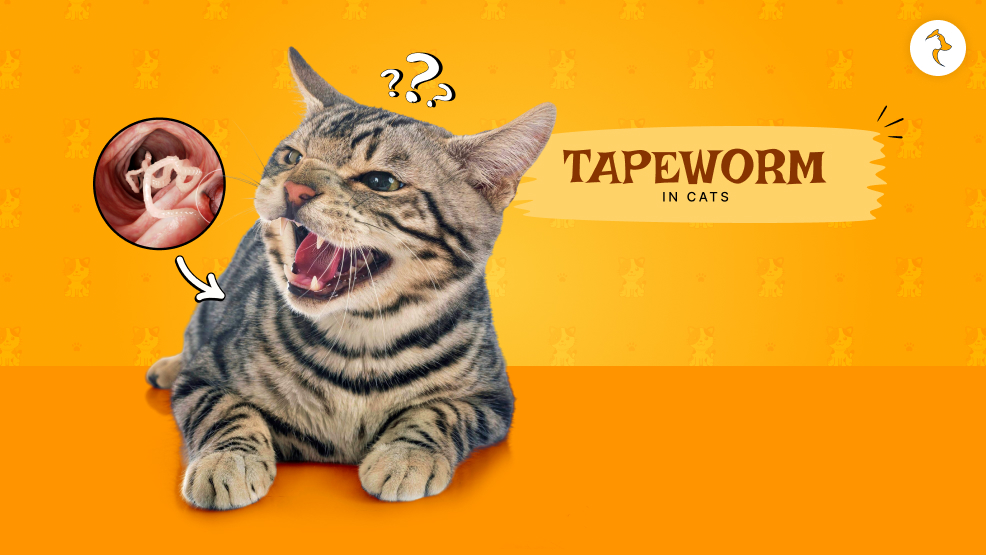
Tapeworms are one of the most common types of worm-related infections in cats. The tapeworms generally live in the small intestine of a cat.
The two most common types of tapeworm in cats are the flea tapeworm and the cat tapeworm. The scientific name of the flea tapeworm is Dipalidium caninum, and the scientific name for the cat tapeworm is Taenia taeniaeformis.
In this article, we will learn about the different types of tapeworms. We will also discuss when it becomes important to search for professional help in these situations.
How Do Cats Get Tapeworms?
Tapeworms in cats are one of the most common issues. A cat can get tapeworms in various ways.
But the most common way to get tapeworm is through the consumption of fleas that contain a tapeworm in the immature stage.
This condition is called cysticercoid. The cats love to groom themselves. Hence, in this process, they often end up consuming fleas that give them parasites.
The cats also love to hunt down rodents and other small animals. These small animals often contain immature stages of tapeworm.
As a result, this also becomes one of the most common reasons for tapeworms in cats. The cats that keep going out get the opportunity to hunt.
Thus, tapeworms are more common in them. The completely domesticated cats that are not allowed to go out generally remain safe.
The cats get cat tapeworms through hunting down the small mammals.
What Are The Main Signs Of A Tapeworm Infected Cat?
There are various signs of tapeworm in cats. But the most common sign of infestation is the presence of small, rice-like white things in the excrement of a cat.
You can also find it around the anal part of the cat. These white seeds are generally fragments containing eggs.
These cats generally scoot their bottoms and the area around the anus on the floor. They often use things like carpets to scratch their bottom.
When the condition becomes severe, the cats generally lose appetite and begin losing weight.
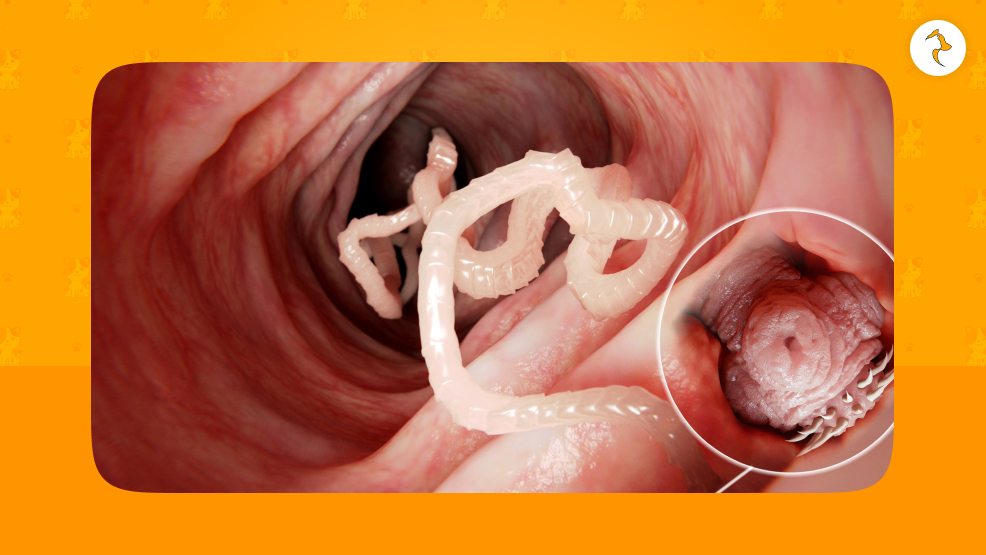
1. What Does Tape Worms Look Like?
The flea tapeworm is generally white and very small. The flea tapeworm is generally 15-70 cm in length. On the other hand, the cat tapeworm is generally long and flat.
Typically, the worm grows up upto 60 cm in length. The adult tapeworms generally live in segments.
The segments containing eggs get passed through the feces. These segments generally look like white grains of rice that can move by themselves.
2. What Are The Main Symptoms Of Tapeworms In Cats?
Generally, tapeworms in cats do not show any early signs. However, the cat may eventually show signs of abdominal pain, vomiting, diarrhea, and itchiness around the anus and other areas.
However, cats generally tend to hide their pain and irritations. Thus, you should be observant of their behavior, such as scooting on the carpet.
How To Take Care Of Tapeworms In Cats?

There are several ways to treat tapeworms. You can take various precautionary steps. On the other hand, the treatment for tapeworm in cats that are already infested requires veterinary supervision.
1. How To Treat A Cat Infested By Tapeworms?
Treatment of tapeworm in cats generally requires proper deworming. The regulation and administration of the deworming product should be done under veterinary supervision.
The medication should contain an active deworming agent, such as praziquantel.
2. How To Prevent Tapeworms In Cats?
Tapeworms are terrible for cats. As a result, the cat parents should take precautionary steps to protect their fur babies from tapeworm infestation.
Deworming does not only protects cats against tapeworms, it also protects cats from fleas, mites, ticks, lung worms, and heartworms.
We all have a perception that whenever a rat or a mouse enters your house, it is the responsibility of your cat to hunt it down.
But let me be very clear, this can be terribly dangerous for your cat. The rodents can contain larvae of tapeworm. Hence, this will make your cat sick.
You should try to control the rodent population through other means. On the other hand, proper grooming can prevent cats from ingesting fleas infested with fleaworms.
You should bathe your cat from time to time and make it more comfortable. Using the correct cat flea shampoo can save your kitten from fleas and ticks.
3. Are There Vaccinations For Tapeworm Infestation?
There are no vaccinations available for tapeworms in cats. However, you can easily deworm your cat.
Deworming a cat on a regular basis shall bring down the chances of the infestation becoming fatal.
Which Types Of Cats Are More Prone To Tapeworms?

Cats can get infested with tapeworms depending on the situation in which they live. Some cats are more susceptible to tapeworms.
The cats that go out a lot often hunt more than the house cats. Thus, there is an increased chance for them to get tapeworms.
The cats that live in a flea-infested house can get tapeworms easily. Thus, pest control plays an important role in bringing down the hazards.
Can Tapeworms In Cats Be Contagious To Human Beings?
Certain types of tapeworms can be contagious to human beings. In addition, they can spread to other types of pets.
Young children can also get diphylidium caninium when they swallow a tapeworm-infected flea by mistake.
Human beings can also get infested by other types of tapeworms, like Diphyllobothrium tapeworm species and Echinococcus multilocularis.
Things To Remember About Tapeworm In Cats?
Tapeworms can cause several illnesses in cats, including diarrhea and other symptoms. The symptoms mainly depend on the degree of infection.
Hence, it can range from mild to severe. However, you can easily cure it with medication.
You should deworm your kittens. This reduces all the chances of contracting tapeworms. But you should be consistent about taking your pet to the vet for checkups throughout its life.
This reduces the chances of tapeworm infestation. You should also keep your house clean and perform proper pest control. This will reduce the risk of fleas.
Frequently Asked Questions
Here are the answers to some of the most commonly asked questions about tapeworms in cats
Deworming a cat with a medication that has an active deworming agent, such as praziquantel, can help reduce the amount of infestation.
The administration of the medication should be done under proper veterinary supervision.
Yes, you can touch a cat that has been infested with tapeworms. But cats often get tapeworm due to tick and flea infestation.
Thus, you should provide them with proper grooming and deworming to prevent tapeworm infestation.
Certain types of tapeworms can be contagious to human beings. In addition, they can spread to other types of pets.
Hence, you should maintain proper hygiene around a cat that contains tapeworms.
The risk is generally less. But there are several types of tapeworms that can infest human beings as well.
Cats often have the habit of scooting when they get tapeworms. Thus, you should not allow them on your bed as they can spread eggs on your bed sheet.
Share









Leave A Comment