
Dog Hiccups: Causes, Remedies, Prevention, And When To See A Vet

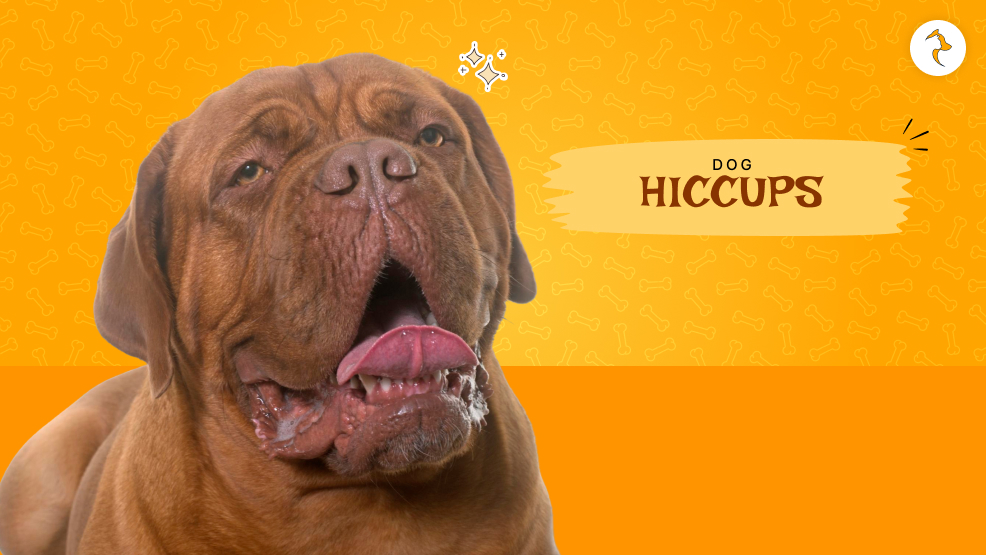
Like us humans, dogs also get hiccups. Dog hiccups are a real thing, and they make a high-pitched squeak, which is quite similar to how we sound when we get hiccups.
However, it can be worrisome at times. There are times when their hiccups does not go away on their own and they start to look distressed. This can happen in puppies and dogs.
They are mostly harmless, but they can occur for various reasons, such as eating too fast or drinking too much. You need to know when things get serious and when you should take them to a vet.
What Are Dog Hiccups?
Dog hiccups look like an uncoordinated breath, making a squeaky sound like “hic-cup.” This mostly happens when the diaphragm spasms. This is an organ made from muscle that separates the abdomen and the chest. It gets smaller and bigger during breathing.
If there is an issue with the diaphragm, both dogs and humans will have difficulty breathing. The spasms that cause hiccups are involuntary, and a dog cannot control them.
This often happens when they drink or eat too fast. This usually resolves within a few minutes and can occur in dogs of all ages, breeds, and shapes.
Common Causes Of Dog Hiccups
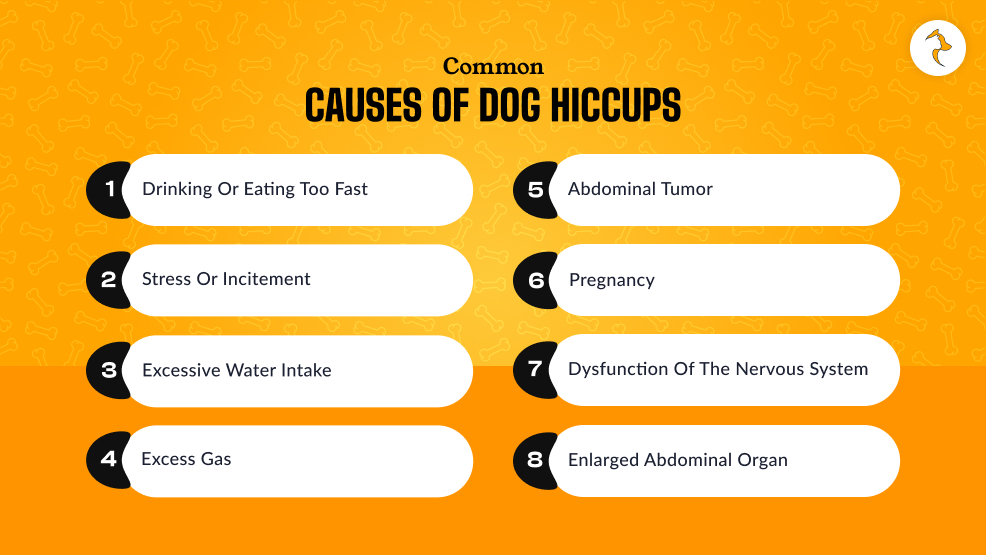
Generally, hiccups occur when the muscles used for breathing contract. To be precise, when the intercostal muscles and diaphragm contract. When the muscles contract suddenly, the air is pulled back into the lungs, and the vocal cords begin to close, producing that sound.
This is mostly spontaneous and resolves on its own within a few minutes. There are various reasons behind a dog’s hiccup. Some of those are:
- Stress or incitement
- Excessive water intake
- Excess gas
- Abdominal tumor
- Pregnancy
- Dysfunction of the nervous system
- Enlarged abdominal organ
However, sometimes hiccups can occur when something damages or irritates the part of the brain or the nerves responsible for triggering contractions of the diaphragm and related muscles.
For instance, if there is a brain injury, tumor, or injury in the brainstem or spinal cord that somehow impairs the nerves that stimulate the intercostal muscles or diaphragm, it can cause hiccups.
Another possible, but unusual, cause of dog hiccups is distemper encephalitis. This can cause involuntary spasms or muscle contractions. However, dogs are actually vaccinated for distemper during their core vaccine series.
Who Gets Hiccups Most Often?
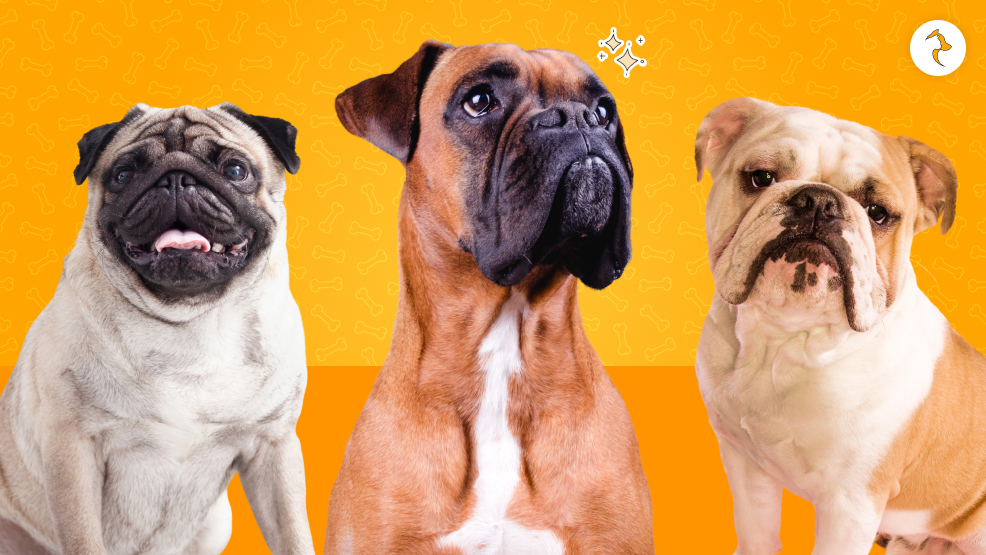
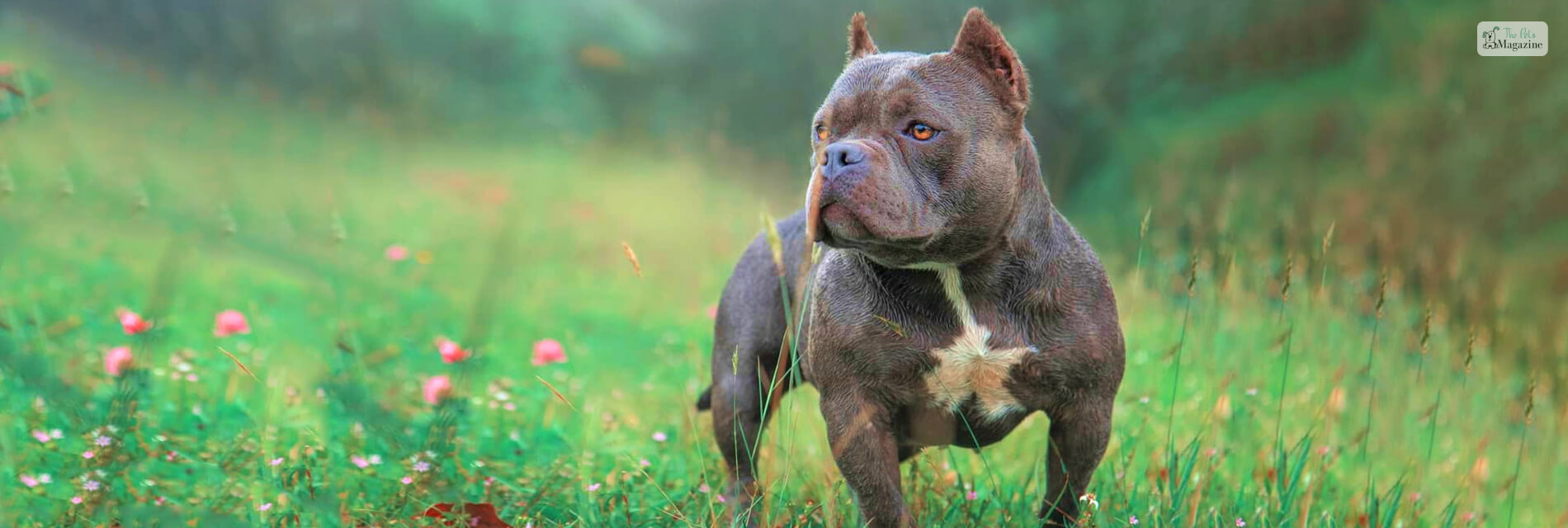
Brachycephalic dogs like Boxers, Pugs, and Bulldogs are prone to more hiccups than other breeds with longer faces. It is their anatomy that causes hiccups because of a constriction in their airway.
Moreover, hiccups are more common in puppies than in adults. They also get hiccups while asleep. However, most of the time, this is harmless. This also happens when they inhale a lot of air while eating quickly or when they get too excited.
They also hiccup when they are cold or tired. Their muscles are weaker than those of adult dogs, which is why it is more common in them. It is normal for a puppy to hiccup daily, but ensure the hiccup accompanies no other symptoms.
How To Stop Dog Hiccups At Home
Mostly, hiccups go away quickly on their own, especially if you know what is causing them and fix that cause. However, there are a few things that you can do at home to help with their recurrent hiccups.
- A soft belly rub or cuddle can distract their mind from the hiccups.
- If this happens when they are drinking or waiting, take them away from there and let them relax.
- A short walk or some playtime can also help.
- Moreover, you can try to give them some water, but make sure they drink it slowly.
When To See A Vet
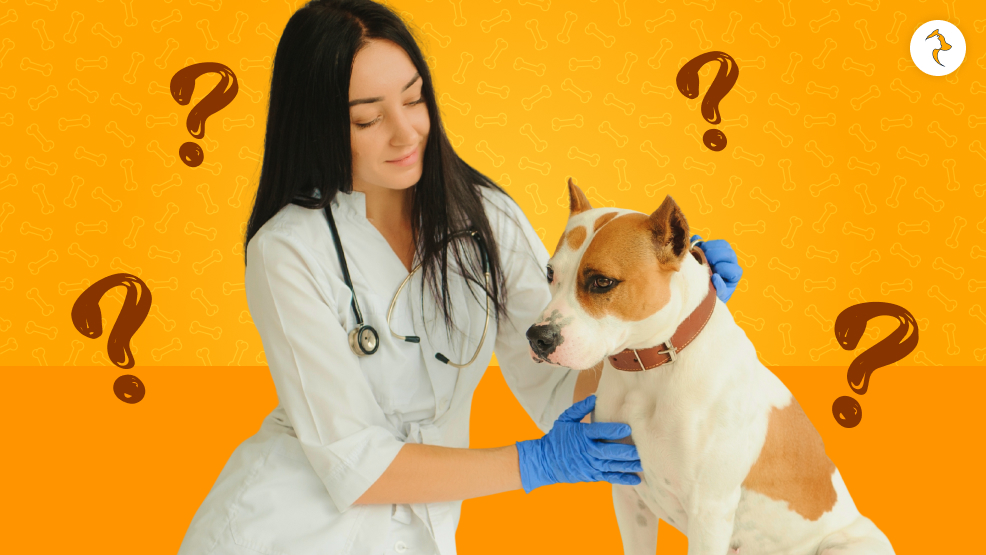
You need to consult a vet in the following instances:
- If their hiccups last more than an hour
- If you notice signs of distress
- Some other signs of illness, like lethargy, vomiting, poor appetite, diarrhea, seizures, or twitching
The moment you notice any of these signs, consult a vet. Also, try not to wait 24 hours if they are in distress and have been having hiccups continuously.
Treatment Options For Persistent Hiccups
Treatment for a persistent hiccup depends on what the vet finds out after the checkup. Everything depends on the diagnosis.
Hiccups are often a sign of an underlying issue, and treatment aims to resolve the primary problem, which will also resolve the hiccups.
Moreover, they might even recommend blood tests, chest X-rays, and an abdominal ultrasound to check exactly what is going on inside their body.
If the diagnosis shows that the hiccups are caused by irritation in the stomach or esophagus, they will prescribe medication to resolve the issue. If the medicines do not work, they will suggest an endoscopy to look at the esophagus and stomach wall closely.
Your vet might even refer you to a neurologist to check whether the hiccups are due to neurological symptoms. Most conditions are treated with medication, but in rare cases, the pup might need surgery.
Prevention Tips For Dog Hiccups
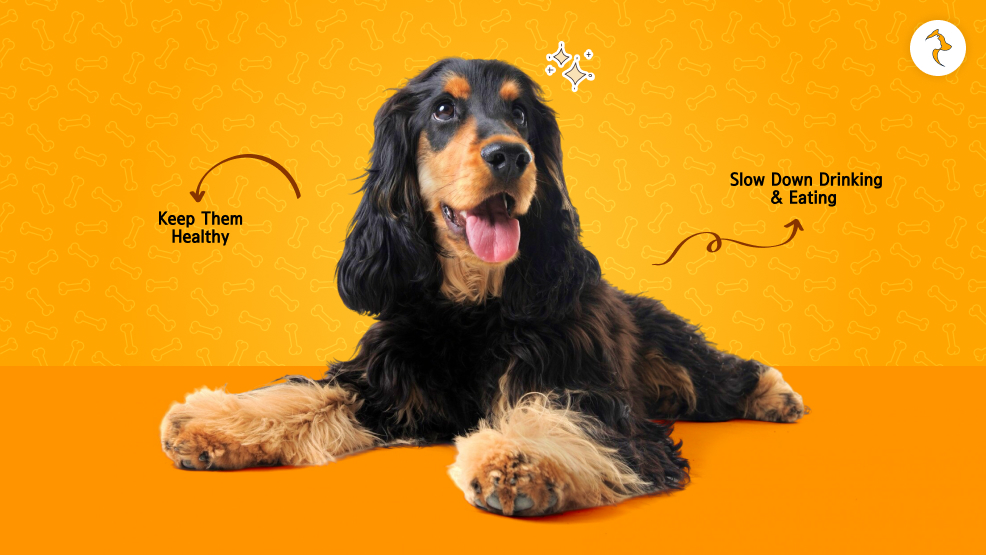
Hiccups are normal in most cases, and there is nothing you need to do in particular to prevent them. However, as a parent, you can try a few things to avoid dog hiccups.
Keep Them Healthy
It might be difficult to prevent some of the most unnatural causes of hiccups because these are caused by underlying issues. Provide them with proper nutrition, get them enough exercise, and get them checked out in regular intervals to prevent any serious conditions.
Some breeds are prone to back and neck injuries, such as shih tzus, yorkies, beagles, chihuahuas, and dachshunds. If you have any of these breeds, take precautions to prevent these injuries.
Moreover, it is better to use a harness rather than a collar to prevent them from pulling their necks and to train them not to jump off the furniture to avoid high-impact landings. But mostly, hiccups are natural and go away quickly.
Slow Down Drinking & Eating
If your dog gets hiccups often, especially after drinking or eating, then you need to teach them techniques to slow down the process. There are bowls available in the market, and automatic pet feeders or dispensers, which will make them work on their food better.
They will not gulp their food too quickly. You can offer them water in small quantities, and the dispenser will also prevent them from drinking water quickly.
Frequently Asked Questions (FAQs)
Here are some of the questions people commonly ask while discussing dog hiccups.
Dog hiccups mostly last for a few minutes, and they can last upto an hour, and this is mostly harmless. However, you might notice other signs of overexcitement or stress. If there are any other symptoms, take them to a vet.
No, it is not painful. It happens because the involuntary muscles spasm, which is similar to how it happens in humans, and it is harmless.
Yes, you can offer your pup water to calm their breathing and soothe the diaphragm. However, make sure they drink it calmly and slowly.
Yes, a change in their diet can prevent hiccups. However, ensure that you introduce the food gradually and avoid giving them spicy or high-grain food. Also, make sure the food is at a moderate temperature.
5. Can Medications Stop Hiccups?
Yes, medication can stop hiccups if it is caused by any underlying issue like acid reflux. This is something a vet will understand from their diagnosis.
Share




Leave A Comment