
Irish Dogs: The Remarkable Dog Breeds of Ireland

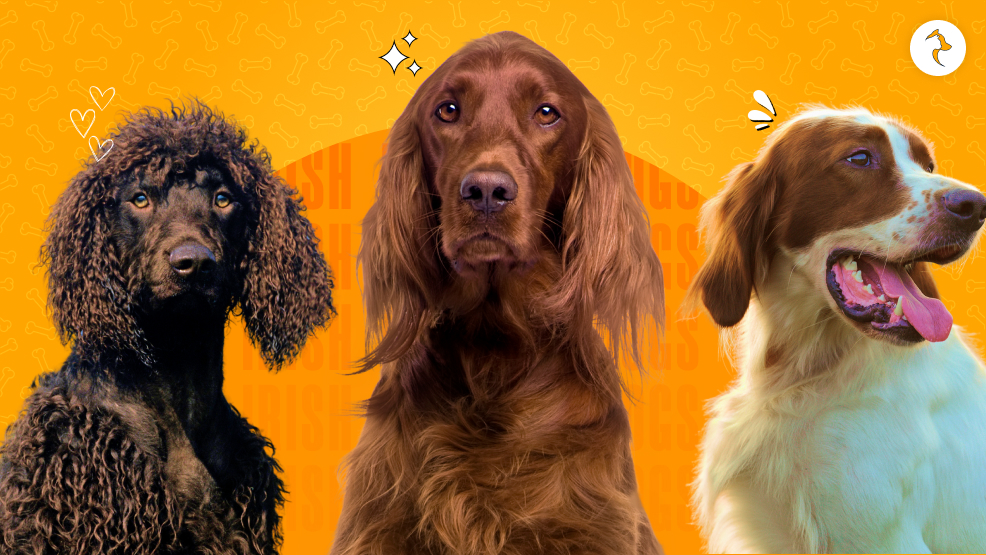
With its gorgeous rolling hills and a meadow of green, Ireland holds dog breeds that have deep roots in that country’s history, culture, and climate.
For thousands of years, Irish dogs have earned their names through intelligence, strength, and loyalty in the first place and for the tasks that have been traditionally assigned their names: hunting, defending, or herding.
Following this article will feature various selected Irish breeds, along with what they were used for, and interesting features about them.
Furthermore, the gentle giant of all Irish dogs, from the Irish Wolfhound to the working Kerry Beagle, is related to the Irish heritage.
This article also aims to inform people about the differences between the Irish climate and other places’ climates, as climatic changes can severely affect the health and other conditions of canines. We will also learn about the health issues affecting Irish dogs and what their owners can do to prevent them.
1. The Glen of Imaal Terrier: Quiet but Brave
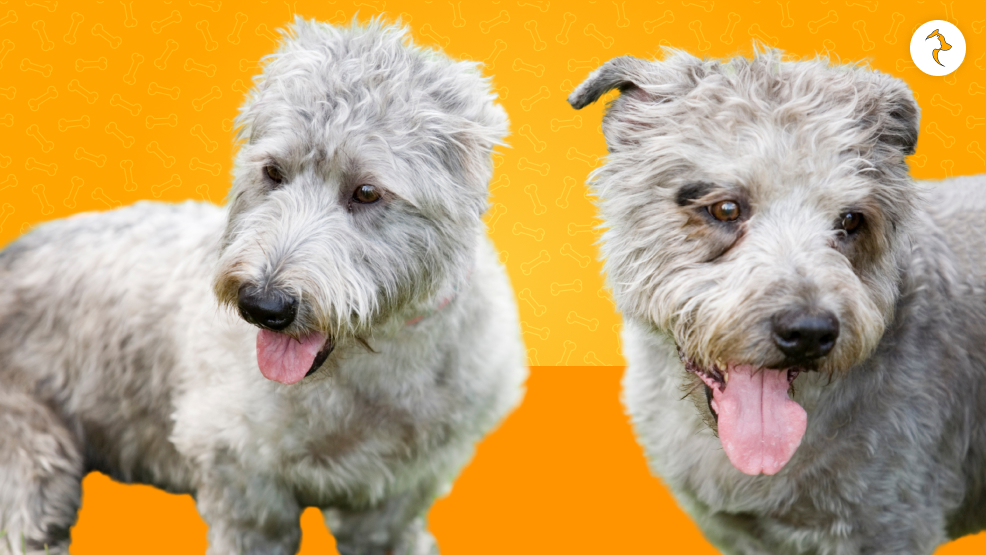
Known for being one of the rarest breeds from Ireland, the Glen of Imaal Terrier was originally developed to catch small game in and around the Glen of Imaal in County Wicklow.
As can be seen, they are stout, very short and dense, and have a mellow personality. Traditionally, terriers should have a lot of energy, but the Glen of Imaal has fewer barking skills and is the most relaxed Terrier.
Breed Overview Table
| Characteristics | Details |
|---|---|
| Size | Medium (12 –14 inches) |
| Weight | 35 – 40 pounds |
| Coat Type | Short, wiry, dense |
| Color | Blue, wheaten, brindle |
| Temperament | Quiet, loyal, courageous |
| Exercise Needs | Moderate |
| Life Expectancy | 12 – 15 years |
| Common Health Problems | Hip Dysplasia, Hypothyroidism |
What Are The Main Health Issues Of The Glen Of Imaal Terrier?
Glen of Imaal Terriers suffer from several health issues. But the most common problem in the Glen of Imaal Terrier is hip dysplasia.
The information published by the Glen of Imaal Terriers Liberty Kennel suggests that at least 30% of the Glen of Imaal actually suffer from hip dysplasia.
However, dog parents find it very difficult to identify the problems in the Glen of Imaal. The low-lying terrain in the Glen of Imaal masks most issues related to hip dysplasia.
Hence, by the time the dog parents figure things out, it is already too late. The Glen of Imaal Terrier is one of the most popular Irish dog breeds.
The Glens also develop progressive blindness due to the inherited disease known as CRD3. Moreover, the problems develop in the later stages of the canine’s life.
But many people in the United States have their communities, which provide people with access to some of the best breeders and vets.
2. Irish Red and White Setter: A Setter of Royal Elegance
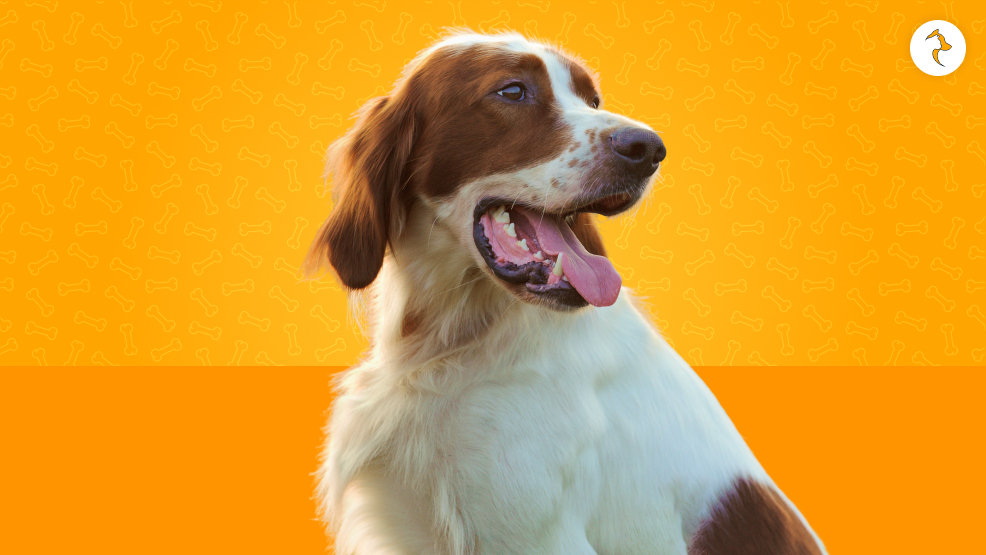
The dog enthusiasts can trace back the origin of the Irish red and white setter to the 17th century. Interestingly, the breeders had bred the dog to hunt down the game birds.
Accordingly, Red-and-whites and the abilities of a hunting dog make the Irish Red and White Setter one of the earliest setter breeds in the world.
A little less showy than its Irish relative, therefore, it is a breed that will fight to the last drop of blood for those who appreciate its hunting prowess and temperament.
Breed Overview Table
| Characteristics | Details |
|---|---|
| Size | Medium to Large (24 – 28 inches) |
| Weight | 45 – 60 pounds |
| Coat Type | Medium length, fine coat |
| Color | Red and white |
| Temperament | Friendly, energetic, loyal |
| Exercise Needs | High |
| Life Expectancy | 12 –14 years |
| Common Health Problems | Hip Dysplasia, Eye Conditions |
Health Issues In The Irish Red And White Setter
The Irish Red and White Setter is one of the most unique breeds among all the Italian dogs. However, the dog breed also comes with their fair share of health concerns.
Thus, we have come up with a summary of all the relevant problems and diseases that the Irish Red and White Setter can face.
Additionally, the dogs are susceptible to certain infections, such as parvovirus and rabies. However, vaccinations can prevent most diseases.
3. Irish Setter: Majestic and Energetic Hunter
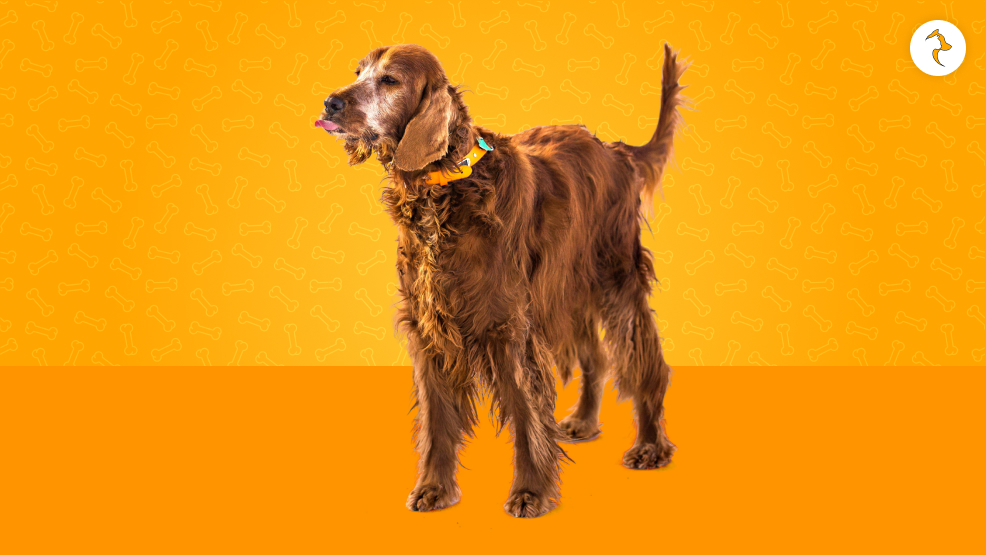
The Irish Setter was developed in 18th-century Ireland. Moreover, the breed is a mix of spaniels, setters, and pointers.
It is a typical Irish breed renowned for its beautiful reddish coat and energetic spirit. The bird dog reigning was bred, and now it is taking place as a friendly family pet because of its affection for human beings and zest for life.
It is also famous for its speed and grace. As a result, Irish Setters do exceedingly well in agility and obedience competitions and in just about every other canine sport.
Breed Overview Table
| Characteristics | Details |
|---|---|
| Size | Large (25 – 27 inches) |
| Weight | 60 –70 pounds |
| Coat Type | Long, silky coat |
| Color | Mahogany, chestnut |
| Temperament | Energetic, friendly, intelligent |
| Exercise Needs | High |
| Life Expectancy | 12 – 15 years |
| Common Health Problem | Hip Dysplasia, Bloat |
What Are The Leading Health Issues In The Irish Setters?
The Irish Setter faces problems such as hip dysplasia, epilepsy, progressive retinal atrophy (PRA), and hypothyroidism. Thus, the dog parents should watch out for these problems in their Irish Setters. The breed can also suffer from other diseases like heart problems and others.
4. Irish Terrier: Fiery and Brave Companion
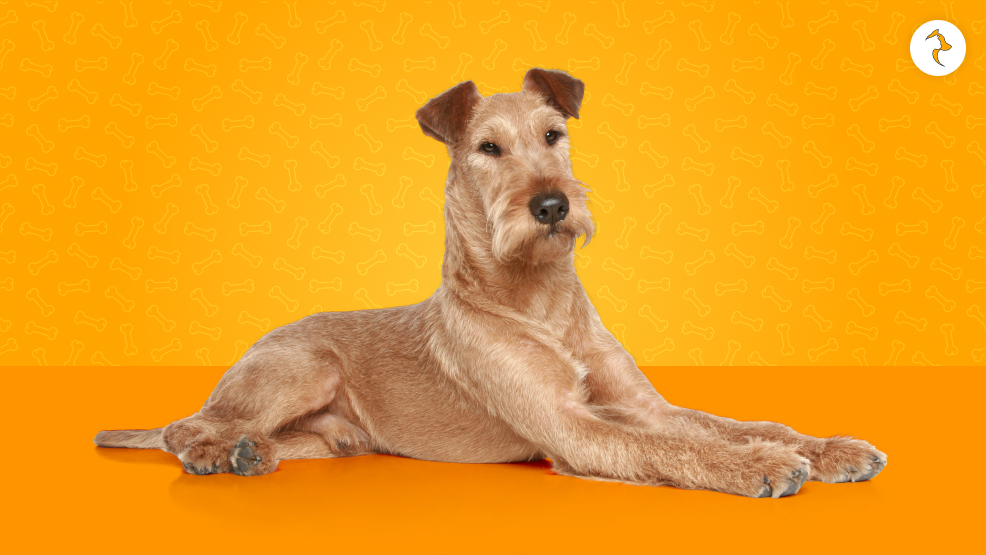
To the best of its names, an Irish Terrier is one of the oldest terriers, although now well recognized for bravery, intelligence, and friendliness.
While originally bred for small game hunting, they are known to enjoy great popularity as family dogs.
Given that some other hyper types of terriers, the Irish Terrier has a much more relaxed, easygoing attitude. The dog served as one of the most loyal and useful messengers during World War I. Moreover, the dog lovers often call the breed the red devil within their community.
Breed Overview Table
| Characteristics | Details |
|---|---|
| Size | Medium (18 – 19 inches) |
| Weight | 25 – 27 pounds |
| Coat Type | Coarse, wiry |
| Color | Red, red grizzle |
| Temperament | Brave, friendly, loyal |
| Exercise Needs | Moderate |
| Life Expectancy | 12 – 15 years |
| Common Health Problems | Hip Dysplasia, Cataracts |
What Are The Common Health Issues In Irish Red Terrier?
The Irish Red Terrier is prone to various diseases and conditions. Moreover, these potential health risks include hyperkeratosis, cystinuria, Hip dysplasia, and others. Thus, the dog parents should be aware of these issues.
Hence, whenever they see signs of any of these issues, they should go to the vet immediately.
5. Irish Water Spaniel: The Real Retrieving Water Dog
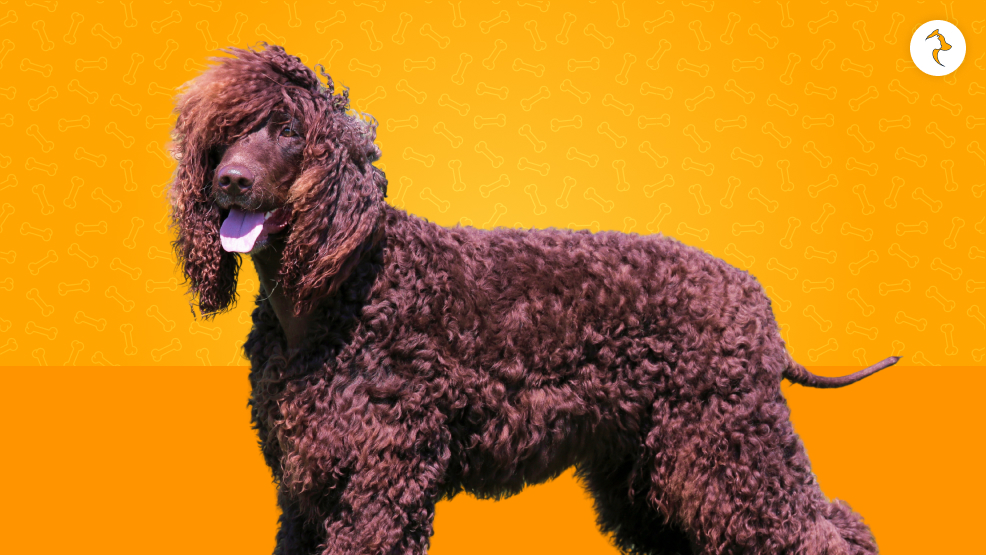
An energetic and intelligent breed known for loving the water, the Irish Water Spaniel would do well at retrieving some waterfowl and has a uniquely curly coat that repels water.
Along with being quick and agile and able to reach through harsh conditions, the Irish Water Spaniels, with their friendliness and exuberance of nature, also make great family companions.
Breed Overview Table
| Characteristics | Details |
|---|---|
| Size | Medium to large (21 – 24 inches) |
| Weight | 45 – 56 pounds |
| Coat Type | Curly, dense, water-resistant coat |
| Color | Liver, dark brown |
| Temperament | Intelligent, friendly, energetic |
| Exercise Needs | High |
| Life Expectancy | 12 – 14 years |
| Common Health Problems | Hip Dysplasia, Ear infections |
6. Irish Wolfhound: The Majestic Goliath
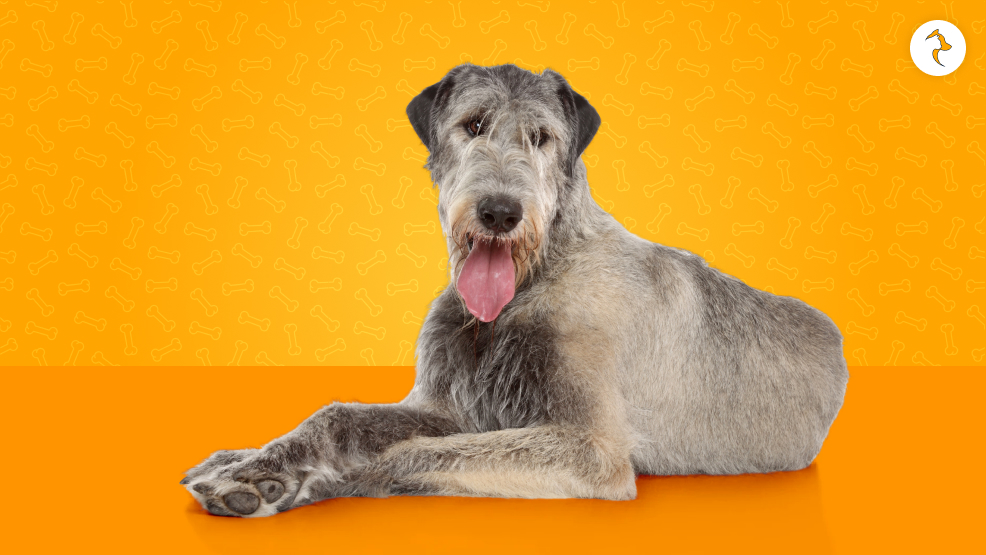
Known to be one of the largest breed dogs in the world since the Irish Wolfhound got to be one of them for sheer size, power, and dignity.
Bred to hunt down prey so large as to include a wolf, these dogs are gentle giants that are also true companions, loyal and affectionate.
From their distinctive appearance, these Irish wolfhounds behave quite calmly and gently among the family.
Breed Overview Table
| Characteristics | Details |
|---|---|
| Size | Very Large (30 –35 inches) |
| Weight | 105 – 180 pounds |
| Coat Type | Rough, wiry coat |
| Color | Gray. Brindle, red, white |
| Temperament | Gentle, noble, affectionate |
| Exercise Needs | Moderate |
| Life Expectancy | 6 – 8 years |
| Common Health Problems | Heart problem, heart disease, bloat |
What Are The Health Issues In Irish Wolfhound?
The dog is susceptible to multiple types of health risks. Moreover, the kinds of health risks include things like Bone Cancer, hip dysplasia, elbow dysplasia, and dilated cardiomyopathy (DCM).
7. Kerry Blue Terrier: A Multi-purpose Working Terrier
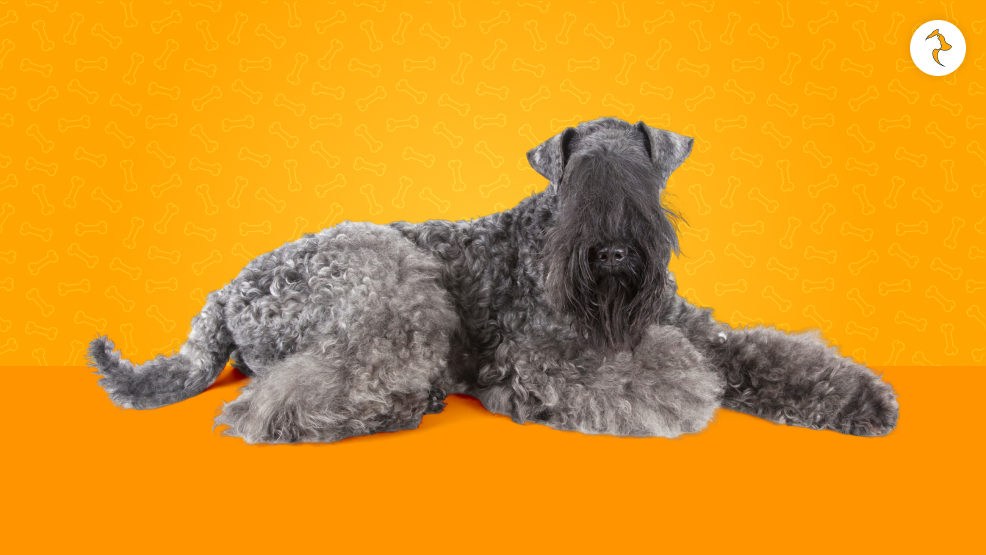
The Kerry Blue Terrier, also known as the Kerry Blue, is a heartless working terrier from Ireland.
Together with beautiful blue grey is a trait of this dog, and moreover, it is excellent at doing multiple tasks, such as hunting, herding, and guarding.
Kerry Blue Terriers are known to be smart, independent, and protective; however, they compensate for this by loving dispositions, making them wonderful family pets.
Breed Overview Table
| Characteristics | Details |
|---|---|
| Size | Medium (18 –19 inches) |
| Weight | 33 – 40 pounds |
| Coat Type | Soft, curly coat |
| Color | Blue |
| Temperament | Intelligent, protective, affectionate |
| Exercise Needs | Moderate to High |
| Life Expectancy | 12 – 15 years |
| Common Health Problems | Hip Dysplasia, Progressive Retinal Atrophy |
8. Soft-Coated Wheaten Terrier: It’s the Cheerful Family Dog

Granted that this breed is very vivacious and has cordial characters. Soft Coated Wheaten Terriers are loved very much as they have this soft, silky coat and lively, along with a happy-go-lucky attitude.
Originally bred for working on the farm, Soft Coated Wheaten Terriers nowadays are more treasured as companion animals.
Regardless, these dogs make excellent companions for families with children, as they are gentle and playful.
Breed Overview Table
| Characteristics | Details |
|---|---|
| Size | Medium (17 –19 inches) |
| Weight | 30 – 40 pounds |
| Coat Type | Soft, silky coat |
| Color | Wheaten (light tan) |
| Temperament | Friendly, playful, affectionate |
| Exercise Needs | Moderate |
| Life Expectancy | 12 – 14 years |
| Common Health Problems | Kidney disease, hipdysplaia |
What Are The Common Health Risk Factors In The Soft-Coated Wheaten Terrier?
The Soft Coated Wheaten Terrier often suffers from conditions such as Addison’s disease.
Moreover, the disease occurs in Irish dogs and other breeds due to kidney-related problems. The adrenal gland stops producing the essential hormones like cortisol and aldosterone.
These hormones help to regulate the electrolyte balance, stress response, and metabolism in the body. Thus, when the levels drop, it moreover affects the entire body.
9. Kerry Beagle: A Dog Blessed with Enduring Hardiness

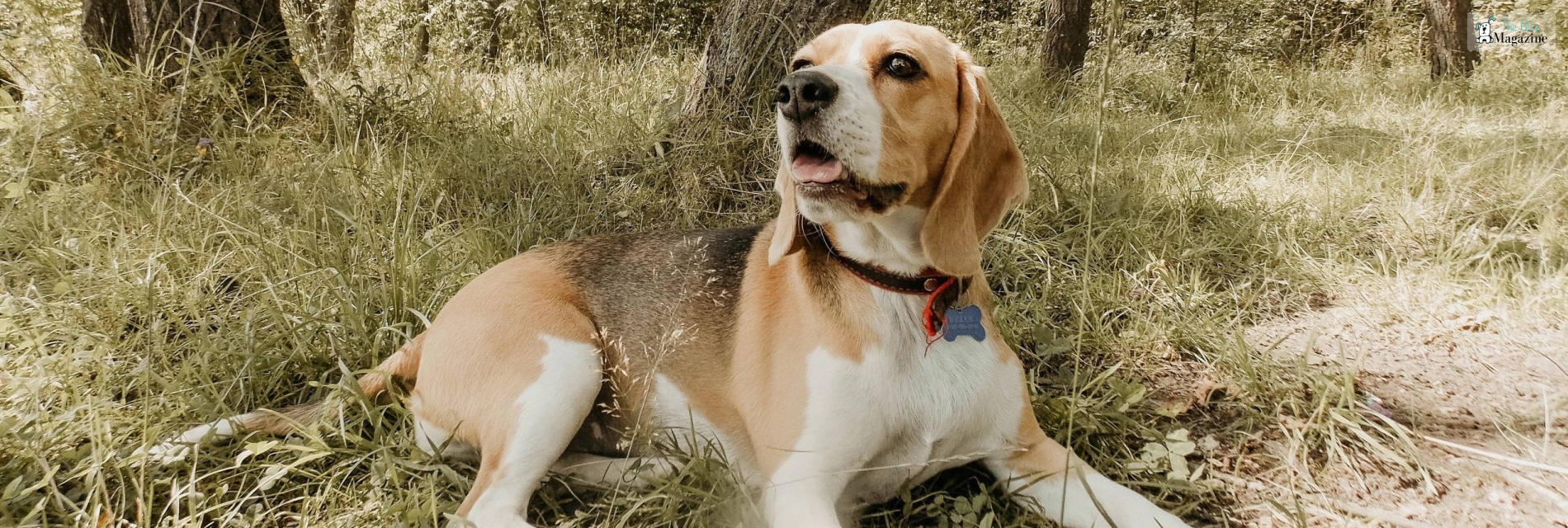
The Kerry Beagle is very different from the much more famous English Beagle. This breed especially comes from the Kerry part of Ireland and has been bred traditionally as a hunting dog used by the Irish terrible countryside.
Given that this breed has endurance, stamina, and a keen hunting instinct. The Kerry Beagle usually works as a follow-hound; at the same time, it also cherishes the hound-human bond as a treasured family pet.
Breed Overview Table
| Characteristics | Details |
|---|---|
| Size | Medium (18 –21 inches) |
| Weight | 35 –45 pounds |
| Coat Type | Short, dense coat |
| Color | Tri-color, tan and white and black |
| Temperament | Loyal, energetic, intelligent |
| Exercise Needs | High |
| Life Expectancy | 12 – 14 years |
| Common Health Problems | Hip dysplasia, heart disease |
What Are The Main Health Risk Factors In Kerry Beagles?
Kerry Beagles suffers from several health risks, like IVDD, that they have inherited from their breeds of origin.
Thus, the dog parents should look out for Intervertebral Disc Disease (IVDD) in their dogs. Furthermore, they should take their pets to the vet whenever they notice early signs of these diseases. Delayed response can lead to increased problems.
Adaptability to the Irish Climate

Given that the climate in which Ireland now lies is mild temperate, as is most effective for such breeds.
For this reason, dogs thrive in wet, windy, and cooler conditions. Take, for example, the Irish Water Spaniel and the Irish Wolfhound that loves the rain and cold.
By all means, they are cognizant of their thick, water-resistant coats, but so is the Kerry Blue Terrier with its curliness in weather fluctuations.
Notably, Terrier breeds, such as the Glen of Imaal and Irish Terrier, simply hold they’re thanks to their sturdiness.
Grooming Needs
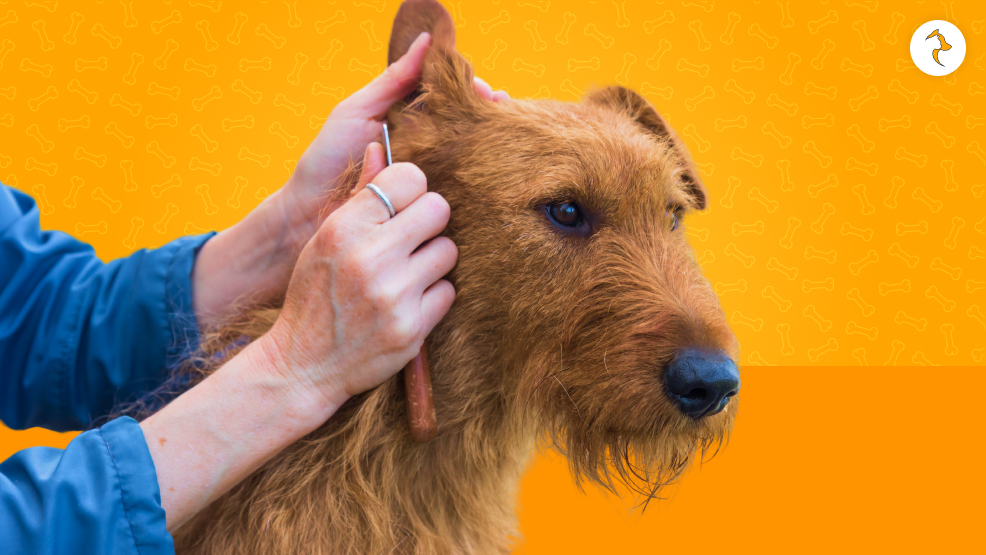
Nevertheless, grooming needs vary greatly between the Irish breeds. Most, like the Irish Setter, which has a long silky coat, require brushing to guard against mats and tangles.
Regardless, soft-coated wheaten terriers also require maintenance to maintain good coat hygiene. Curly breeds like Kerry Blue Terrier and Irish Water Spaniel need special attention paid to their coats’ texture and matting prevention aspects.
In the hope that all other requirements, like ear and nail care, are also among the priority issues for most Irish breeds.
Health and Exercise Needs
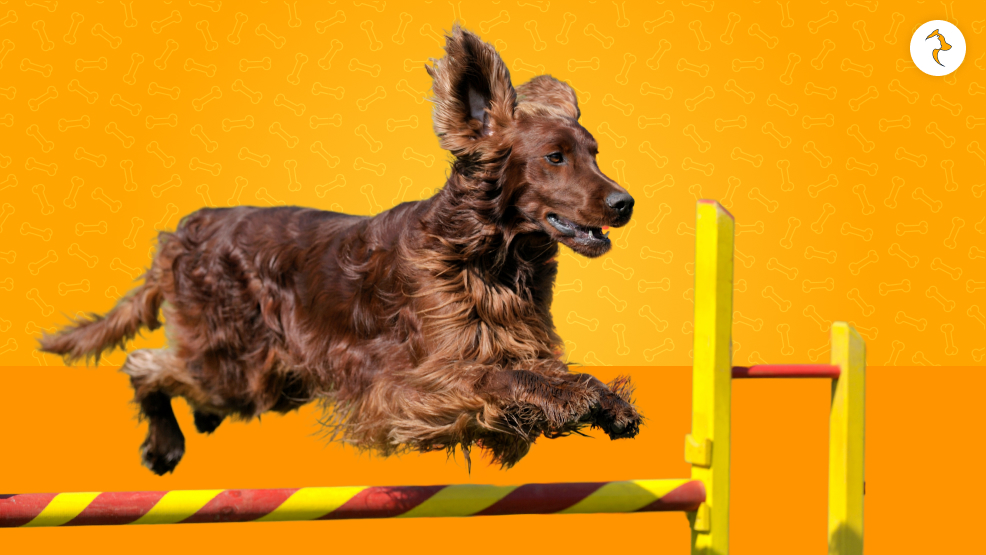
Of course, many Irish dogs are rather active and range from moderate for some breeds to downright high for others.
For example, some people, such as the Irish Setter and the Kerry Beagle, need more exercise to burn off energy.
Then again, the Soft Coated Wheaten Terrier and the Irish Wolfhound would do well on relatively low exercise.
Even though caring for healthy Irish dogs usually means regular visits to the veterinarian, some breeds might suffer from specific conditions, like hip dysplasia, bloat disorders, or eye disorders.
Diet and Nutrition
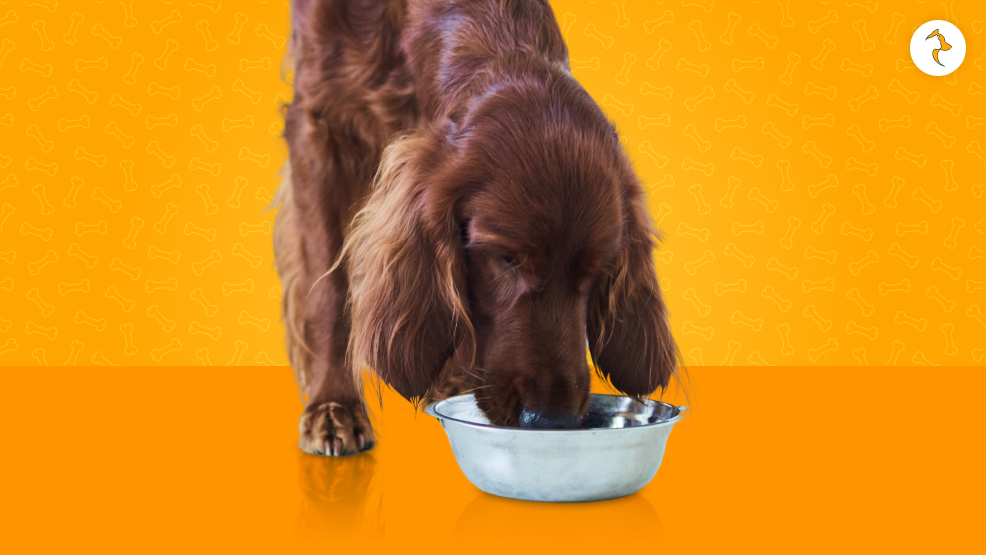
As a matter of fact, balance and diet quality are both important factors for Irish dogs when it comes to their health and energy.
Firstly, Protein is crucial, especially in the diets of active breeds such as the Irish Setter and the Kerry Beagle. Secondly, Fiber and fats could be part of the diet of less active dogs.
Thirdly, portion sizes and muscles, along with the choice of dog food, should be ideal for the pet’s age, size, and energy levels, so consultation with the veterinarian about these factors is encouraged.
Are Irish Dogs the One for You?
In the light of things, Irish dogs are a wonderfully diverse breed-from the giant Irish Wolfhound, the ever-present Irish Setter, to the very loyal, such as the Glen of Imaal Terrier.
Moreover, each breed carries something unique: hunting skills, intelligence, or companionship. As well as understanding their grooming, exercise, and diet requirements ensures these breeds remain viable as pets and working dogs.
Additionally, Irish dogs are far more than just creatures; they are the treasured heritage of Ireland.
Frequently Asked Questions
Here are the answers to some of the most commonly asked questions about Irish Dogs.
Multiple dog breeds originate from Ireland. However, breeds like the Glen of Imaal Terrier, Irish Red and White Setter, Irish Setter, and Irish Terrier are among the most common dog breeds from Ireland.
The Irish Terrier shows a high level of temperament, making it the best dog for families and children. Thus, the dog breed is one of the friendliest ones.
Irish terriers are a breed with high intelligence and a great temperament. The dog, moreover, served as a great companion and messenger to the soldiers during the First World War.
Share



Leave A Comment