
Lhasa Apso Price in India (2026): Puppy Costs & Monthly Maintenance Guide

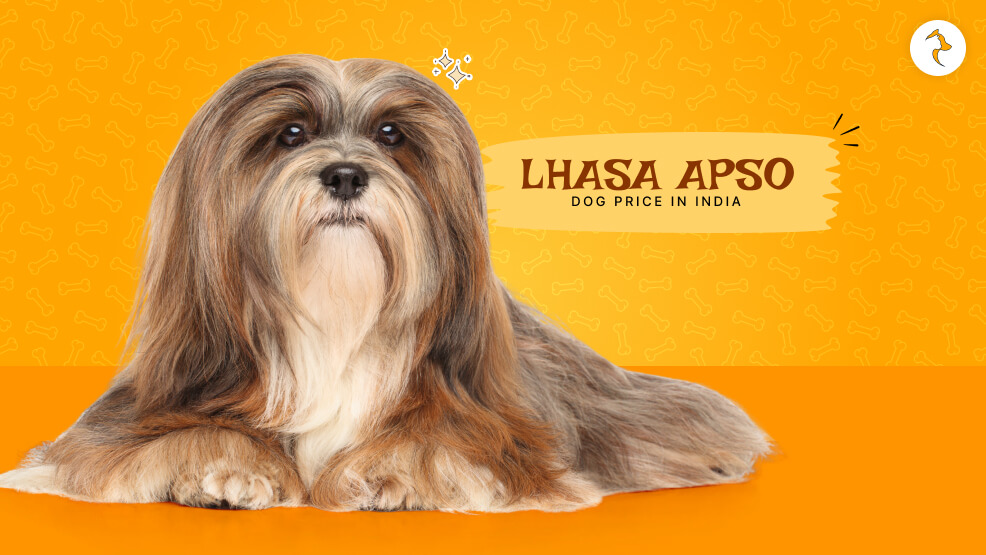
With their magnificent, floor-length double-coats, proud head carriage, and dark, deeply intelligent eyes looking out from beneath a cascade of soft fur, the Lhasa Apso carries the unmistakable aura of an ancient Eastern legend. Known natively as the Apso Seng Kyi (Hairy Barking Lion Dog), this beautiful companion breed spent thousands of years serving as an indoor sentinel watchdog inside the sacred Buddhist monasteries and royal palaces of Tibet.
Working in perfect harmony with the giant Tibetan Mastiffs who patrolled the outdoor walls, the lightweight Lhasa sat indoors, alertly using its sharp hearing to sound a warning bark at the slightest unfamiliar sound. For families across India looking for a compact, fiercely loyal companion with a proud heart, the Lhasa Apso stands out as an incomparable symbol of history and dedication.
However, moving a Tibetan treasure into a standard Indian apartment requires a realistic look at your daily schedule and financial resources. The initial lhasa apso price in india is simply the first investment in a highly unique grooming and parenting journey. Because they boast a dense, fast-growing double-coat, they require daily brushing and regular visits to professional pet salons to prevent painful matting and skin issues under humid weather conditions.
Furthermore, managing their sensitive eyes and independent, strong-willed personality means they require a patient owner who understands how to set consistent, gentle boundaries.
Whether you seek to bring home a balanced, loving family companion or an elite, show-prospect puppy backed by multi-generation champion credentials from the Kennel Club of India (KCI), making an informed choice is vital.
This comprehensive guide breaks down current, city-wise cost matrices in Indian Rupees, pulls back the curtain on true monthly grooming and nutritional bills, highlights the essential health screenings you must verify, and helps you navigate the responsibilities of raising this ancient Tibetan guardian safely and responsibly.
City-Wise Price Matrix (Online vs. Offline)
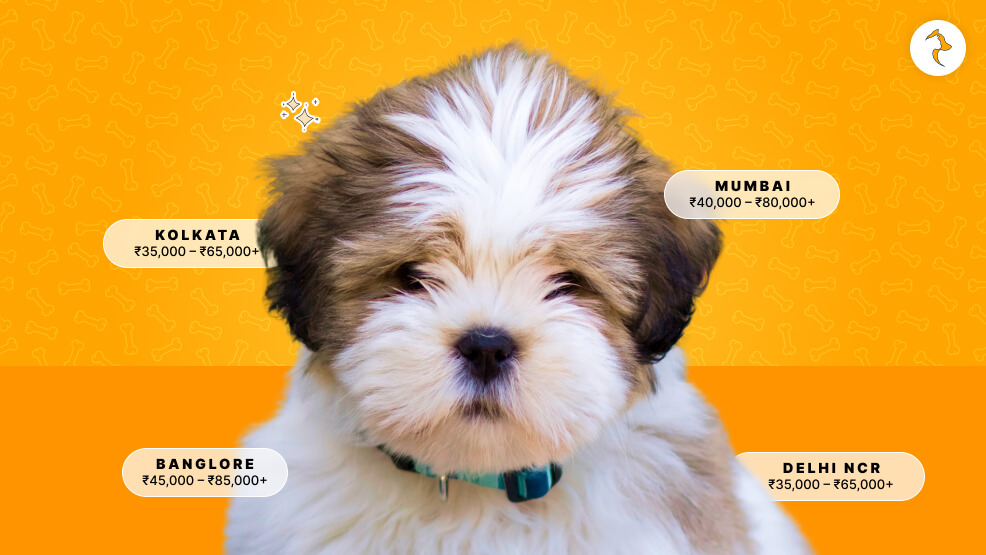
Real market tracking shows that while unverified online classified channels trade high-risk stock at low price points, professional preservationists charge appropriate premiums to ensure physical soundness and stable temperaments.
| Indian Region / Metro | Online Broker Price (High Genetic/Coat Risk) | Ethical Offline Breeder Price (KCI Registered & Evaluated) |
|---|---|---|
| Delhi / NCR | ₹15,000 – ₹25,000 | ₹35,000 – ₹65,000+ |
| Mumbai | ₹18,000 – ₹30,000 | ₹40,000 – ₹80,000+ |
| Bangalore | ₹20,000 – ₹32,000 | ₹45,000 – ₹85,000+ |
| Hyderabad | ₹18,000 – ₹30,000 | ₹40,000 – ₹80,000+ |
| Chennai | ₹18,000 – ₹28,000 | ₹40,000 – ₹75,000+ |
| Kolkata | ₹15,000 – ₹25,000 | ₹35,000 – ₹65,000+ |
| Pune | ₹15,000 – ₹26,000 | ₹35,000 – ₹70,000+ |
Urgent Editorial Warning: Don’t but a backyard puppy mill Lhasa Apso for INR 10,000
Color & Lineage Pricing Dynamics
Because the Lhasa Apso is defined by its long, dense coat, coat variations and pedigree status shift market valuation considerably.
Tiers of Lineage
- Basic Pet Tier (₹15,000 – ₹30,000): Purebred physically but completely lacks KCI registration certificates or documented lineage charts. High risk for crossbreeding.
- KCI Registered Pedigree Tier (₹35,000 – ₹65,000): Microchipped, vet-checked, and accompanied by certified Kennel Club of India tracking logs proving ancestral purity.
- Show Potential / Champion Bloodlines (₹70,000 – ₹1,20,000+): Sired by heavily awarded show champions or imported lines. These puppies possess standard low-slung alignment, accurate bites, and exceptional coat density.
Coat Colors & Sourcing Realities
- Golden & Honey/Wheaten: The traditional, historically revered coat color that mirrors the look of a miniature lion. Highly popular and priced at baseline market tiers.
- Part-Color / Bi-Color (White & Brown / Black & White): Striking, high-contrast coat work that is highly requested by modern apartment owners. Easily sourced within standard pricing parameters.
- Solid Jet Black & Pure White: Solid, uniform coat shades are genetically recessive in purebred Lhasa lines. If an ethical breeder manages to secure a litter with clean, solid white or deep black coats without inbreeding close relatives, they can command a 20-25% price increase.
Ideal Lineages & Genetic Health Markers to Inspect
Educate your audience that a small companion dog must be structurally sound. Buyers should request to see these vital health and lineage clearances from the breeder:
- Ophthalmic Screening Panel: Lhasa Apsos are genetically prone to Progressive Retinal Atrophy (PRA) and Cherry Eye. Request confirmation that the parent lines have clear ophthalmology profiles.
- Patellar Luxation Clearing: Small toy and companion breeds are vulnerable to sliding kneecaps (luxating patella). Ensure a vet has structurally cleared the sire and dam’s joints.
- Jaw Malocclusion Inspection: True Lhasas have a slight undershot bite standard. However, backyard mills often breed dogs with deformed, crooked jaws that hinder their ability to chew food comfortably. Always request a clear physical bite inspection.
Reputed & Active Lhasa Apso Breeders in India
To maximize your platform’s trust, link your readers to verified preservationists who focus on structural safety rather than high-volume trading.
- Montrose Kennels
- Breeder/Contact: Dr. Arun Vijayan
- Location/Base: Coimbatore, Tamil Nadu (Arranges secure climate-controlled transit across India)
- Specialty: Heavily respected show-quality program. Offers exceptional lines line-bred to international imports, focusing on perfect breed conformation and excellent temperaments.
- Elixir Kennels
- Location/Base: Kundalahalli, Bengaluru, Karnataka
- Specialty: Known for high-pedigree champion bloodlines, providing puppies completely vet-checked, microchipped, and accompanied by official KCI papers.
Real-World Maintenance Costs (INR)

While a small breed like a Lhasa Apso consumes less food than a mastiff, their long coat introduces significant grooming expenses.
Upfront Gear Setup Cost
- Ergonomic Y-Shaped Step-In Harness & Leash: ₹1,200 – ₹2,500 (Never walk a Lhasa Apso on a neck collar; they have a delicate windpipe vulnerable to collapse).
- Professional Comb & Undercoat Slicker Kit: ₹1,500 – ₹3,000 (Mandatory tools for daily coat maintenance).
- Anti-Stain Facial Cleansing Rinses: ₹800 – ₹1,500 (Essential for managing tear staining around their eyes).
Recurring Monthly Upkeep Budget (Adult Stage)
| Expense Category | Itemized Deep-Dive Inclusions | Estimated Cost per Month (INR) |
|---|---|---|
| Professional Grooming & Blowouts | Monthly visits to a specialized pet salon for deep bathing, professional dematting, sanitary trimming, and nail clipping. | ₹2,000 – ₹4,000 |
| Premium Small-Breed Food | High-protein, nutrient-dense small breed kibble formulas (e.g., Orijen Small Breed, Royal Canin Lhasa Apso/Small Puppy, Farmina). Consumes ~3–4 kg/month. | ₹1,500 – ₹3,000 |
| Ophthalmic & Veterinary Care | Routine veterinary health checks, vaccine booster allocations, and regular tear-duct cleaning drops. | ₹1,000 – ₹2,500 |
| Coat Supplements & Skin Oils | High-potency Omega-3 & 6 Salmon oil to support their heavy coat length and maintain a soft, glossy texture. | ₹1,000 – ₹2,000 |
| Ectoparasite Protection | Monthly weight-appropriate flea and tick preventatives (NexGard or Bravecto small tier). | ₹500 – ₹1,000 |
| Total Monthly Upkeep Commitment | Comprehensive routine maintenance | ₹6,000 – ₹12,500 |
15 Critical Realities of Owning a Lhasa Apso in India

- A True Sentinel Nature: They are not gentle, passive lapdogs. They possess a natural watchdog instinct, alertly barking at unfamiliar sounds or unexpected visitors.
- Demanding Coat Grooming Requirements: Their long, flowing double-coat will quickly mat into a painful block if it isn’t brushed and combed thoroughly every single day.
- Fragile Trachea System: They have a delicate windpipe that is highly vulnerable to structural injury. You must always use a padded chest harness rather than a neck collar for walks.
- Prone to Severe Tear Staining: Their large, expressive eyes produce regular tearing that can stain the surrounding facial fur a deep reddish-brown and cause skin irritation if not wiped daily.
- Independent and Strong-Willed: They possess an independent, cat-like personality. Training requires consistent patience and positive, reward-based methods rather than forceful commands.
- Vulnerability to Environmental Heat: While they manage indoor living well, their long, thick double-coat means they cannot tolerate intense tropical summer heat wave cycles outdoors.
- Prone to Dry Eye (KCS): This breed faces notable genetic risks for Keratoconjunctivitis Sicca, a condition where the tear glands fail to produce enough moisture, requiring daily lifelong eye drops.
- Slow and Steady House-Training: Because of their independent nature and small bladders, consistent house-training can take longer compared to eager-to-please breeds like Golden Retrievers.
- Vulnerability to Dental Crowding: Their small jaws crowd 42 adult teeth into a tiny mouth, which leads to rapid tartar buildup and requires regular veterinary dental cleanings.
- Aloof and Reserved with Strangers: They are deeply devoted to their immediate family but tend to remain cautious, aloof, and suspicious around unfamiliar visitors.
- High Risk of Patellar Luxation: Their hind legs are genetically prone to sliding kneecaps, an orthopaedic condition that can cause lameness and require corrective joint surgery.
- Excellent Longevity Promise: They are an exceptionally long-lived companion breed, frequently reaching a lifespan of 12 to 15+ years.
- Vulnerability to Ear Infections: Their heavy, drop-down ears block airflow to the canal, creating a warm, moist environment prone to painful yeast and bacterial infections.
- Potential for Separation Anxiety: They form intense, loyal bonds with their owners and can display destructive chewing behavior or loud barking if left isolated for long stretches.
- A Fortnightly Nail Grooming Requirement: Because they are lightweight apartment dogs, their nails do not wear down naturally on floors and must be clipped every two weeks to prevent painful overgrowth.
Legal Blueprint: Is Sourcing an Imported Lhasa Apso Legal in India?
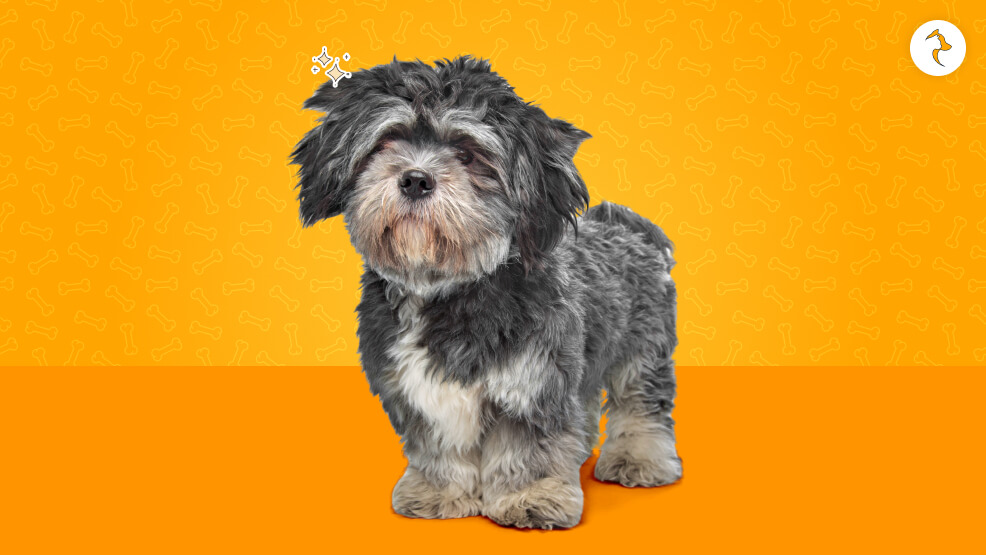
No, for commercial retailers. Yes, exclusively for personal pet owners under strict relocation frameworks.
The Directorate General of Foreign Trade (DGFT) alongside Indian Customs enforces an absolute ban on commercial live animal imports to prevent foreign retail puppy milling.
INDIAN OFFICIAL IMPORT DIRECTIVE
Commercial Import for Breeding / Resale = ILLEGAL
Sourcing Puppies via Foreign Broker Sites = ILLEGAL
│
Legal Entry is ONLY Allowed for Indian Citizens
Returning Permanently via Transfer of Residence.
The Legal Channels:
- Transfer of Residence (TR): Returning citizens or expats must prove a continuous stay of at least two years outside India to import up to two personal pets as accompanied or unaccompanied baggage.
- The Age Gate: India strictly bars the import of young puppies. The incoming dog must be at least 7 to 8 months old because it must complete its 3-month rabies shot followed by an official 30-day post-vaccination wait period before departure.
Reputed Pet Relocation Agencies (Logistics Only):
- Carry My Pet — Extensively trusted across India for managing the 15-day pre-arrival Advance No Objection Certificate (NOC) from AQCS and handling airport cargo logistics.
- PetFly Logistics — Experts in handling live-animal customs clearances and airline flight-crate compliance at major airport terminals.
Total Fee Structure for a Legal Import (INR)
- International Base Puppy Price (FCI Breeder): ₹80,000 – ₹1,80,000
- IATA Travel Crate & Vet Preparation: ₹20,000 – ₹40,000
- International Air Freight (Live Cargo Manifest): ₹80,000 – ₹1,50,000
- Relocation Logistics & AQCS Handling Fee: ₹40,000 – ₹70,000
- Customs Duty and Local Port Clearance: ₹15,000 – ₹30,000
- Total Estimated Investment: ₹2,35,000 – ₹4,70,000+
21 Essential FAQs on Lhasa Apso Price in India
A healthy companion-tier Lhasa Apso puppy from a reputable source costs between ₹15,000 and ₹30,000. Show-prospect puppies from elite, health-screened KCI-registered champion bloodlines can easily range from ₹45,000 to over ₹80,000.
Their premium price reflects their long lineage history, the extensive grooming and maternal care required to raise them, and the investment ethical breeders make to maintain pure, documented lines.
No. Any puppy offered at this price point is a red flag for backyard breeding or crossbreeding. Producing a healthy Lhasa Apso litter with proper parental nutrition and medical care cannot be sustainably done at that price.
While not mandatory for a companion pet, KCI registration provides documented proof of your puppy’s purebred lineage and family history, protecting you from buying from unverified, high-risk puppy mills.
Because they are small and eat minimal amounts, a single 3kg bag of premium small-breed dry kibble can last a month. Expect to spend roughly ₹1,500 to ₹3,000 monthly on their specialized nutrition.
No. They are highly welcome in apartment communities due to their small size and modest physical space requirements, though their vocal watchdog instincts require consistent early training.
The Lhasa Apso is a slightly larger, sturdier breed featuring a longer snout and an alert, independent sentinel personality. The Shih Tzu is smaller, has a completely flat face, and possesses a soft, eager-to-please royal lapdog temperament.
Their heavy double-coat will quickly form tight, painful mats close to the skin if left unbrushed, trapping dirt and moisture which can lead to severe bacterial skin infections.
Yes, provided they live indoors with proper ventilation or air conditioning. Their long coats insulate them well, but they should never be left outside during intense summer heat waves.
Common medical expenses stem from treating patellar luxation, hereditary eye conditions like Dry Eye (KCS), and dental cleaning routines, with specialized eye or joint treatments often costing ₹15,000+.
Due to their fast-growing coat, a professional dematting, bathing, and trimming session at a specialized pet salon generally costs between ₹2,000 and ₹4,000 per month.
Females often carry a 10-15% premium from breeders due to their potential for breeding, though males are popular with families seeking a full, heavy show coat.
With proper care, high-quality nutrition, and regular veterinary support, a healthy Lhasa Apso generally enjoys an impressive lifespan of 12 to 15+ years.
Yes, they have a natural sentinel instinct and will bark sharply to alert their owners of any unfamiliar sounds or approaching visitors. Early training is essential to manage this behavior.
Collars place direct pressure on their windpipe when they pull. Because small companion breeds have delicate tracheal rings, a padded chest harness is essential to protect them from respiratory distress.
They are deeply loyal companions that do wonderful with older children who understand how to respect a small dog’s physical boundaries. They may tolerate rough handling from toddlers poorly.
Tear stains are dark reddish-brown discolorations underneath the eyes caused by facial hair rubbing against the eye. Regular face trimming and wiping the area daily with a specialized eye cleaner will keep the skin healthy.
Yes. Because inexperienced owners sometimes underestimate their extensive grooming needs, purebred Lhasa Apsos occasionally enter local shelter networks. Adoption processing fees generally range from free to ₹5,000.
Because preventative treatments are dosed by weight, small-size oral chewables (like NexGard or Bravecto) are quite affordable, typically costing between ₹500 and ₹1,000 per dose.
Yes, provided you are fully committed to their daily coat brushing and professional grooming needs. Their small size makes them manageable, but their independent nature requires consistent patience during training.
The breed originated thousands of years ago in Tibet, where they were bred as indoor sentinel watchdogs for Buddhist monasteries and palaces, alertly working alongside the massive Tibetan Mastiffs who guarded the outdoor perimeters.
Share





Leave A Comment