
Tibetan Mastiff Price in India (2026): Puppy Costs & True Maintenance Manual

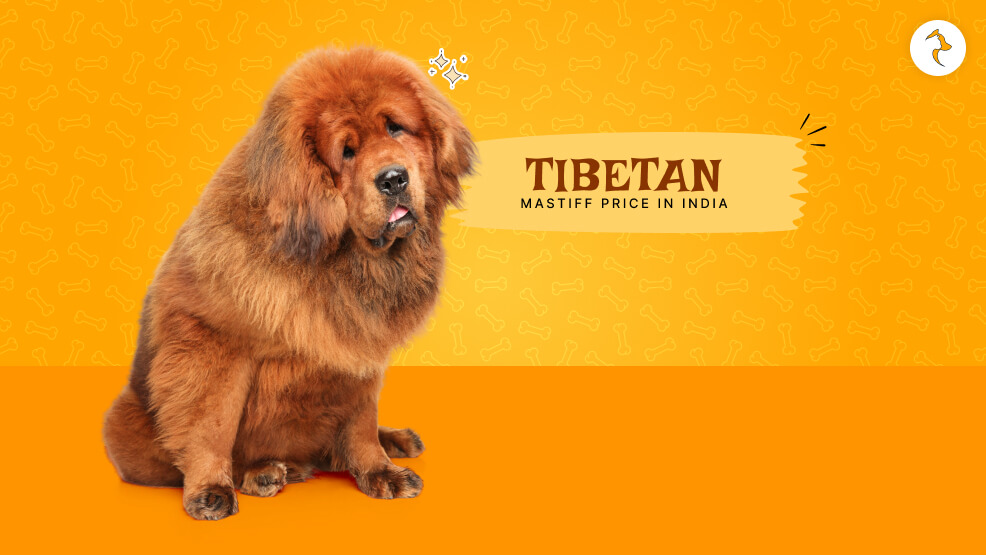
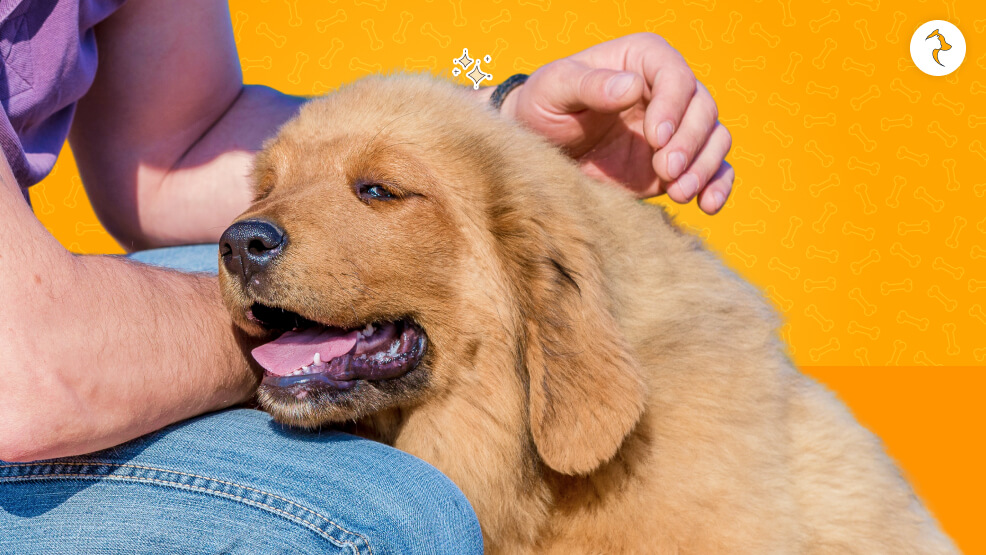
Few dogs evoke the same sense of ancient mystery, raw power, and breathtaking majesty as the Tibetan Mastiff. Known natively as the Do-Khyi (Nomad’s Dog), this legendary giant has spent thousands of years serving as an unyielding guardian across the freezing, high-altitude plateaus of the Himalayas, quietly protecting remote monasteries and livestock from snow leopards and wolves.
Often described as looking more like a lion than a canine, their massive bone structure and striking, dense mane effortlessly command respect wherever they go. For experienced dog owners in India looking for an ultimate, fiercely loyal property protector, the Tibetan Mastiff stands out as an incomparable symbol of security and prestige.
However, moving this primitive working breed from the cold mountain passes into a standard Indian home requires a major lifestyle and financial shift. The initial Tibetan Mastiff price in India is only the first milestone of a significant long-term commitment.
Because they possess a thick, heavy double-coat designed for sub-zero temperatures, they require dedicated, round-the-clock air conditioning to stay safe during intense tropical summers. Additionally, their independent guarding instincts mean they need expert socialization and spacious homes rather than standard apartment living.
Whether you want to bring home an authentic, athletic working-line companion or an elite, show-prospect puppy backed by multi-generation champion credentials from the Kennel Club of India (KCI), making an informed decision is crucial.
This definitive guide breaks down current, city-wise market costs in Indian Rupees, details true monthly upkeep bills, highlights the essential genetic clearances you must verify, and helps you navigate the responsibilities of raising this ancient giant safely in India.
City-Wise Spectrum of Tibetan Mastiff Price in India (Online vs. Offline)
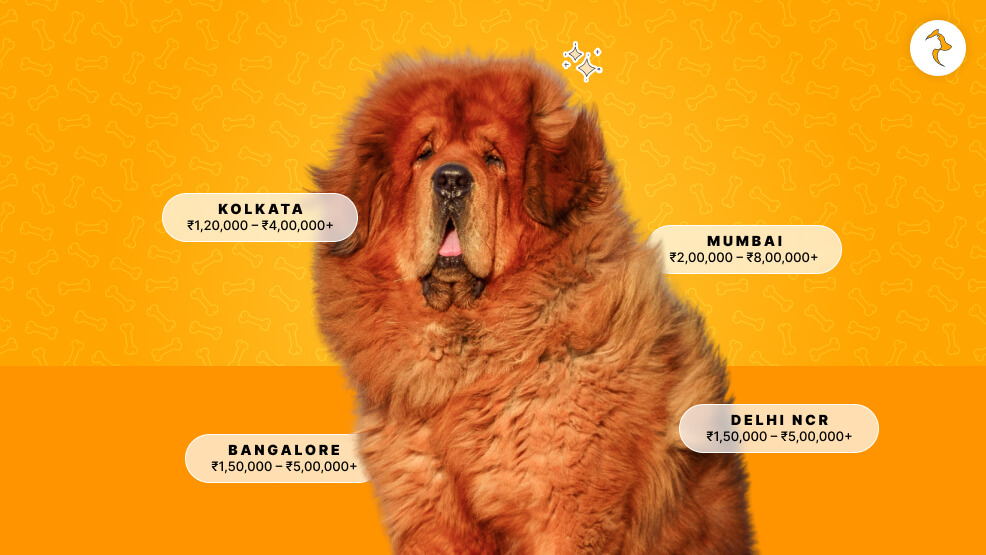
The financial layout for a Tibetan Mastiff puppy depends heavily on geography. Sourcing from the plains or unverified online brokers introduces extreme health risks, whereas ethical, mountain-adjacent preservation kennels charge premium rates for sound, authentic genetics.
| Indian Region / Metro | Online Broker Price (High Genetic/Climate Risk) | Ethical Offline Breeder Price (KCI Registered / Verified Lineage) |
|---|---|---|
| Delhi / NCR | ₹80,000 – ₹1,50,000 | ₹1,50,000 – ₹5,00,000+ |
| Mumbai | ₹1,00,000 – ₹1,80,000 | ₹2,00,000 – ₹8,00,000+ (Extreme air conditioning overheads) |
| Bangalore | ₹90,000 – ₹1,60,000 | ₹1,50,000 – ₹5,00,000+ |
| Chandigarh / Punjab | ₹60,000 – ₹1,20,000 | ₹1,00,000 – ₹3,50,000+ (Historically active breeding hub) |
| Himachal / Uttarakhand | ₹25,000 – ₹70,000 (Working types) | ₹80,000 – ₹2,50,000+ (Native climate sourcing) |
| Kolkata / Pune | ₹70,000 – ₹1,40,000 | ₹1,20,000 – ₹4,00,000+ |
| Chennai / Hyderabad | ₹90,000 – ₹1,70,000 | ₹1,80,000 – ₹6,00,000+ |
Urgent Editorial Warning: Advise your pet parents to stay far away from online listings offering a “Tibetan Mastiff” for ₹30,000 in hot coastal zones. These are almost always backyard crossbreeds (often mixed with local Bhutia or Gaddi dogs) that lack the correct physical bone integrity and predictable guard temperaments.
Reputed & Active Tibetan Mastiff Breeders in India
To provide your users with elite domain value, list direct contacts of established preservationists who prioritize structural safety rather than high-volume trading.
- Saras Tibetan Mastiffs
- Breeder/Contact: Mr. Himmat Singh Sekhon
- Location: Amritsar, Punjab (Successfully coordinates transport to approved homes globally)
- Website/Reference: sarastibetanmastiffs.com
- Specialty: The country’s premier, globally recognized preservation program. Breeds strictly to maintain true historical types, massive bone structure, and impeccable mountain-stable temperaments.
- Monu Garg Elite Puppies
- Breeder/Contact: Mr. Monu Garg
- Phone: +91-98158-66061
- Location: Mansa, Punjab (Arranges secure transport to major metros)
- Specialty: Offers impressive size specimens from verified champion lines. Provides deep de-worming, initial vaccinations, and comprehensive pre-applied KCI registrations.
Color, Coat, & Lineage Pricing Dynamics of Tibetan Mastiff in India
Aesthetically and structurally, Tibetan Mastiffs vary deeply, which heavily drives the financial pricing tier.
The Head & Coat Type Split
- Lion Head (Tsang-Khyi Type): Features an exceptionally thick, long, woolly double-coat that creates a massive, lion-like mane framing the head. Because this represents the highly dramatic “mythical” look, they command a major premium in India (₹2,50,000 – ₹8,00,000+).
- Tiger Head (Do-Khyi Type): Features a tighter, shorter coat with a less pronounced neck ruff. They are sleeker, more athletic, and functionally more agile. They are priced at standard baseline levels (₹1,00,000 – ₹3,00,000).
Coat Colors
- Standard Solids: Pure Black, Rich Gold, and classic Black-and-Tan are highly stable and widely available.
- Exotic Recessives: Solid Blue (Slate/Grey) and rich Chocolate/Brown variants require specific, non-inbred genetic pairings. These rare coat colors routinely demand a 30% to 50% premium if the breeder can prove documented ancestral health.
Ideal Lineages & Genetic Health Markers to Inspect in Tibetan Mastiff
Prospective owners must demand these veterinary clearances:
- Severe Hip & Elbow Scoring: Due to their massive weight (up to 75kg), Tibetan Mastiffs are genetically vulnerable to crippling hip dysplasia. Breeders must show passing OFA or veterinary imaging scores for both parents.
- Thyroid Panel Screening: This breed suffers from high rates of congenital hypothyroidism. Ensure the lineage has a clean bill of metabolic health.
- Entropion & Ectropion Eye Cleared: Check the parents’ records for inverted or sagging eyelids. This structural defect causes the eyelashes to rub the cornea continuously, leading to blindness if not corrected surgically.
- No Inbreeding Tracking: Examine the KCI pedigree sheet. Ensure there are no overlapping names across three generations to prevent severe inbreeding depression.
Real-World Monthly Maintenance Costs (INR) of Tibetan Mastiff in India
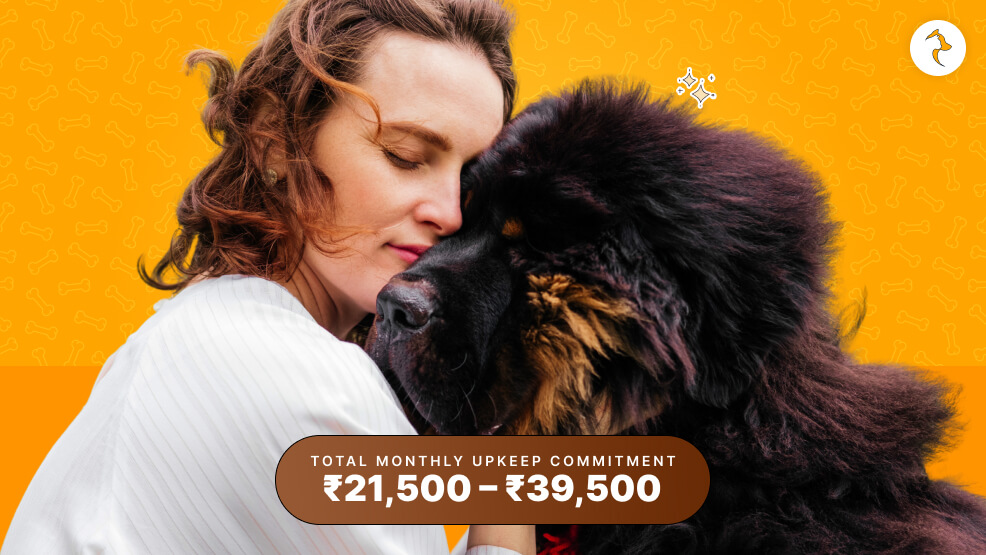
Owning a Tibetan Mastiff in non-mountainous regions of India is financially intensive, primarily driven by climate control and giant-breed skeletal upkeep.
Upfront First-Year Capital
- Heavy-Duty Tactical Harness & Leash: ₹3,500 – ₹6,000 (A standard nylon leash will snap instantly under the lunging force of an adolescent Mastiff).
- Professional Undercoat Deshedding Tools: ₹2,500 – ₹5,000 (High-grade slicker brushes and undercoat rakes are mandatory).
- Elevated Heavy Metal Feeders: ₹3,000 – ₹5,500.
Recurring Monthly Upkeep Budget (Adult Stage)
| Expense Category | Itemized Deep-Dive Inclusions | Estimated Cost per Month (INR) |
|---|---|---|
| Giant-Breed Nutrition | Ultra-premium, low-grain giant breed kibble rich in clean proteins (e.g., Orijen Giant, Royal Canin Giant). Consumes ~18–25 kg/month. | ₹10,000 – ₹16,000 |
| Dedicated Air Conditioning | Electrical overhead to run a dedicated cooling unit 24/7 during Indian summer cycles to prevent fatal heatstroke. | ₹5,000 – ₹10,000 |
| Joint & Skeletal Supplements | Heavy therapeutic doses of Glucosamine, Chondroitin, MSM, and Salmon oil to support rapid bone growth. | ₹2,500 – ₹4,500 |
| Professional Grooming | Deep professional blow-outs and undercoat removal at a specialized grooming salon to prevent skin rot. | ₹2,000 – ₹5,000 |
| Weight-Scaled Vet Care | Routine de-worming, vaccines, and localized anti-tick preventative applications (NexGard XL). | ₹2,000 – ₹4,000 |
| Total Monthly Commitment | Comprehensive routine upkeep | ₹21,500 – ₹39,500 |
15 Critical Realities of Owning a Tibetan Mastiff in India
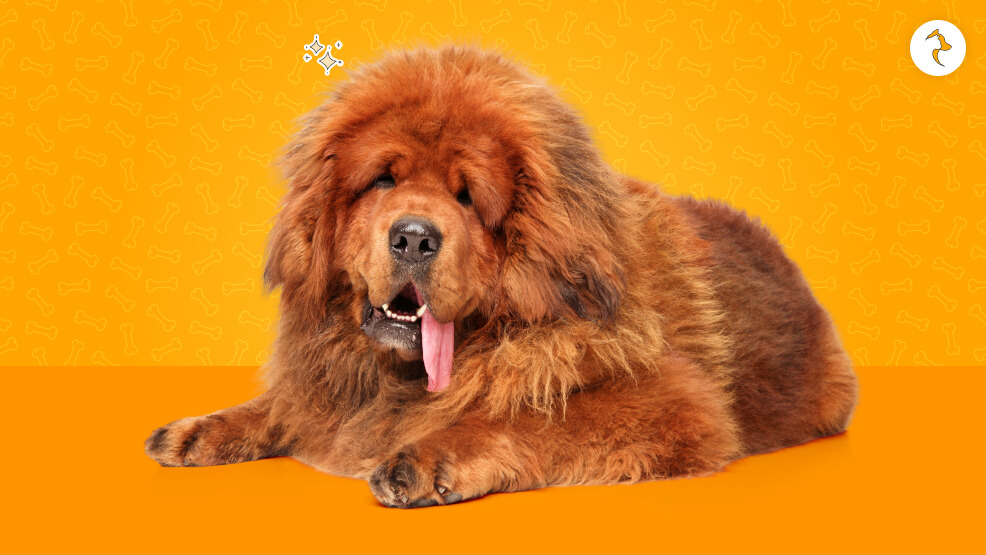
- Severe Heat Intolerance: Possessing a dense, arctic double-coat designed for freezing high-altitude plateaus, they face severe distress in the hot, humid plains of India. Continuous air conditioning during the summer is non-negotiable.
- Primitive Guarding Instincts: They do not look to you for commands when a stranger approaches; they make autonomous decisions to protect their property. This requires highly experienced handling.
- The Nocturnal Barking Cycle: Historically bred to guard camps throughout the night, they naturally become hyper-vigilant and bark loudly after dark, which can create significant friction with nearby neighbors.
- Massive Seasonal Blow-Outs: Once or twice a year, they shed their entire dense undercoat in massive clumps. The volume of loose fur can easily overwhelm ordinary households without professional grooming tools.
- Extreme Aloofness with Strangers: They do not seek out affection from visitors or family friends. They remain deeply reserved and suspicious of anyone outside their immediate household circle.
- Immense Adult Strength: Reaching weights of up to 75 kg, an untrained Tibetan Mastiff can easily pull a grown adult off balance on a leash. Thorough loose-leash training must begin during puppyhood.
- Destructive Extended Adolescence: They mature slowly, often remaining destructive chewing puppies up to the age of three. Their exceptionally powerful jaws can easily destroy standard household woodwork and furniture.
- Not Ideal for Public Dog Parks: Their natural territorial instincts make them poorly suited for off-leash areas with unfamiliar dogs, where they may perceive normal play as a physical threat.
- Independent Will: They are highly intelligent but possess an independent, stubborn nature. They rarely display the eager-to-please obedience seen in breeds like Golden Retrievers.
- High Risk of Bloat (GDV): Their deep, heavy chest structure puts them at high risk for fatal gastric torsion. They must never exercise or run within 60 to 90 minutes of eating a meal.
- Prone to Hot Spots: In humid Indian coastal cities, trapped moisture within their thick undercoat can quickly lead to painful, rapidly spreading bacterial skin infections known as hot spots.
- High Veterinary Medication Costs: Because medical treatments, sedation, and anti-tick preventatives are billed by body weight, care costs for this breed are double or triple those of standard dogs.
- Strict Spatial Boundaries: They require spacious homes with large, securely fenced yards. They are poorly suited for small, cramped apartment living.
- Intense Early Socialization Needs: To prevent their natural protective instincts from turning into dangerous aggression, they must be exposed to a wide variety of sights, sounds, and people during their first 16 weeks.
- A Decade-Long Guardian Commitment: With a typical lifespan of 8 to 12 years, welcoming a Tibetan Mastiff means committing to a massive lifestyle and financial routine for a decade.
Legal Blueprint: Is Sourcing an Imported Tibetan Mastiff Legal in India?
No, for commercial retail trade. Yes, exclusively for returning citizens under strict personal baggage parameters.
The Directorate General of Foreign Trade (DGFT) alongside Indian Customs enforces an absolute ban on commercial live animal imports to eradicate retail puppy milling.
INDIAN OFFICIAL IMPORT DIRECTIVE
Commercial Import for Breeding / Retail = ILLEGAL
Sourcing Pups via Import Brokers/Shops = ILLEGAL
│
Legal Entry is ONLY Granted to Indian Citizens
Returning Permanently via Transfer of Residence.
The Legal Channel:
- Transfer of Residence (TR): Returning NRI families or citizens must prove a continuous stay of at least two years abroad to import up to two personal pets as accompanied or unaccompanied baggage.
- The Age Limit: India completely bars the import of young puppies. The incoming dog must be at least 7 to 8 months old to fulfill mandatory rabies vaccination schedules and the official 30-day post-vaccination wait period.
Reputed Pet Relocation Agencies (Logistics Only):
- Carry My Pet — Highly regarded for managing the 15-day pre-arrival Advance No Objection Certificate (NOC) from AQCS and coordinating live-cargo manifests.
- AirPets International India — Expert handlers for giant-breed IATA-approved flight crate regulations.
Total Fee Structure for an Imported Tibetan Mastiff (INR)
Because of their size, an 8-month-old Tibetan Mastiff requires a massive, custom-built wooden giant travel crate, driving airline airfare to premium tiers.
- International Base Puppy Price (FCI Breeder): ₹2,00,000 – ₹5,00,000
- Giant IATA Crate & Vet Prep: ₹40,000 – ₹70,000
- International Air Freight (Live Cargo Volumetric Charge): ₹2,00,000 – ₹4,00,000
- Relocation Logistics & AQCS Handling Fee: ₹50,000 – ₹80,000
- Customs Duty and Local Port Clearance: ₹25,000 – ₹45,000
- Total Estimated Investment: ₹5,15,000 – ₹10,95,000+
21 Essential FAQs on Tibetan Mastiff Price in India
A healthy, companion-tier Tibetan Mastiff puppy ranges between ₹1,00,000 and ₹2,50,000. Show-prospect puppies from elite, health-screened KCI-registered bloodlines typically range from ₹2,50,000 to over ₹5,00,000.
Their premium price reflects their rare numbers, slow maturation rates, and the substantial cost ethical breeders incur to maintain and health-screen these primitive mountain lineages.
No. Any puppy offered at this price point is likely a backyard crossbreed, often mixed with local Himalayan herding dogs, or suffers from severe genetic health defects due to unregulated breeding.
Lion Head Tibetan Mastiffs feature a dramatic, heavy mane and coat, which is highly sought after and commands top prices (₹2,50,000 – ₹8,00,000). Tiger Head variants have a shorter, more athletic coat and are priced at standard baseline tiers (₹1,00,000 – ₹3,00,000).
Between 2011 and 2014, a massive speculative luxury bubble in China drove prices to absurd heights, with one specimen famously selling for equivalent to ₹9 crore. That artificial market bubble has since collapsed, and prices today reflect realistic breeding costs.
An adult Mastiff consumes 18 to 25 kg of premium, large-breed kibble monthly. Expect to budget between ₹10,000 and ₹16,000 per month solely for their high-quality nutrition.
Yes. Standard colors like solid Black and Gold are more accessible. Rare, recessive coat colors like clean Steel Blue or rich Chocolate command notable premiums from breeders.
Yes. For rare and primitive breeds like the Tibetan Mastiff, KCI documentation provides critical validation of purebred status and helps ensure you aren’t purchasing a high-risk mixed breed.
Only if you commit to providing a continuously air-conditioned indoor environment. Their arctic undercoats make them highly vulnerable to fatal heatstroke in hot, humid climates.
Common medical costs stem from treating hip dysplasia, entropion eye conditions, and deep hot spot skin infections, with specialized corrective surgeries often costing ₹50,000+.
To support their massive, heavy bone structure, high-quality joint protectants containing Glucosamine and Chondroitin add roughly ₹2,500 to ₹4,500 to your monthly care routine.
Males typically command a 15-20% premium because buyers seek out their notably larger size, substantial bone structures, and heavier, more dramatic neck manes.
No. They are large, independent guardian dogs that require spacious homes with large, securely fenced yards to remain physically and mentally healthy.
As an ancient nocturnal guardian breed, their natural instinct is to remain highly alert and protect their territory after dark, which often manifests as loud barking.
Due to their massive size and thick double-coat, a professional deshedding and blowout session at a specialized salon costs between ₹2,000 and ₹5,000 per visit.
While fiercely loyal and protective of their immediate human family, their massive size and independent nature mean they are best suited for families with older children who understand how to respect a large dog’s boundaries.
Without extensive early exposure to different people and environments, their natural protective instincts can develop into dangerous, unmanageable territorial aggression.
With high-quality care, a proper diet, and strict climate control, a healthy Tibetan Mastiff typically lives between 8 and 12 years.
It is extremely rare to find purebred Tibetan Mastiffs in standard rescues, though they occasionally become available through specialized giant-breed networks when an owner relocates. Adoption processing fees typically range from free to ₹15,000.
Because preventative treatments are dosed by weight, extra-large oral chewables (like NexGard or Bravecto) cost between ₹1,500 and ₹2,500 per dose.
Absolutely not. Their immense strength, independent nature, and strong guarding instincts require experienced handling from owners who understand how to confidently manage primitive working breeds.
Share





Leave A Comment