
The Ultimate Rabbit Diet Chart: Hay, Pellets, And Safe Veggies

Well, we all do understand that cartoons are not real after a point in time. However, at times, we can not get out of the world of cartoons even when we become adults.
Moreover, one of our most beloved cartoon characters, “Bugs Bunny”, has popularized the biggest myth about rabbits.
However, in reality, carrots do not really play the role of a staple for the rabbits. Rabbits draw nutrition from several other sources.
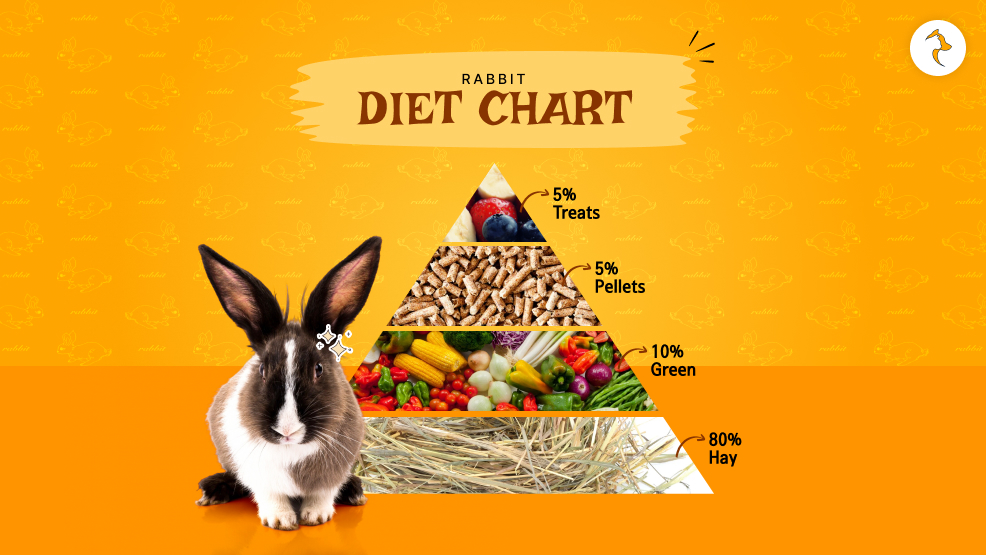
Moreover, ideally a rabbit’s diet should consist of 80% Hay, 10% Green, 5% Pellets, and the rest 5% Treats.
Thus, carrots act like candies for the rabbit as they are high in sugar content. Thus, the caregivers should give carrots to their rabbits as treats.
This article seeks to provide you with a detailed rabbit diet chart to provide your bunny with the best health.
Why Should The Base Of A Rabbit’s Diet Always Be Hay?
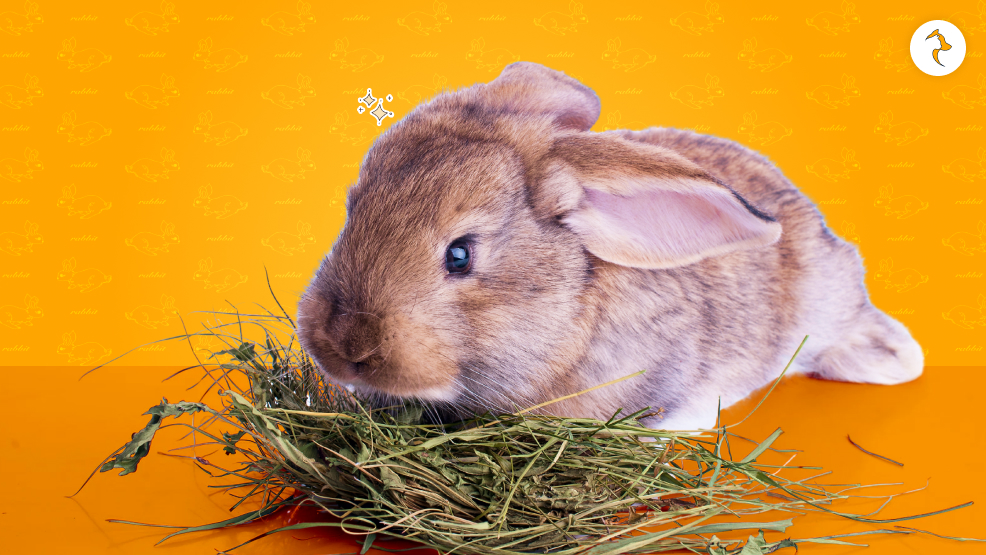
In any rabbit diet chart, the base of the diet should always be hay. Hence, hay should be in at least 80% quantity.
Moreover, this generally has a number of reasons. One of the biggest reasons behind this is the dental health of a rabbit.
The teeth of a rabbit generally grow throughout their life. Hence, it requires proper grinding. Hay allows a rabbit to grind their teeth properly.
Another big reason is gut motility. Hay contains high amounts of fiber. Thus, this helps in gut motility for rabbits.
Moreover, this prevents fetal gastrointestinal issues like GI Stasis. Caregivers should also provide adequate water.
1. Timothy Vs. Alfalfa
While we all know that hay plays a crucial role, people often remain confused about which hay they should go for.
Primarily, the rabbit experts and the exotic vets suggest providing rabbits with two types of hay, Timothy and Alfalfa.
Moreover, Alfalfa is great for rabbits at a young age. Alfalfa is rich in protein and calcium, which is good for bone density and growth in the bunnies.
Thus, the rabbit parents should provide Alfalfa to rabbits that are between zero and six months of age.
On the other hand, the rabbit diet chart for the adults should have timothy or orchard grass, which is low in protein and calcium. However, it helps to grind the teeth of a rabbit in the best way.
It also enhances the gastrointestinal motility of a rabbit. Moreover, it is absolutely green in color and also has a sweet smell.
2. How To Detect “Bad” Quality Hay?
While you seek the best rabbit diet chart on the internet to provide the best nutrients to your bunny. You should also learn how to select the best quality hay for the best results.
Good quality hay generally smells sweet and should have a coarse structure and appear green in color. On the other hand, you can detect bad quality hay easily.
Poor-quality hay is generally dusty. Furthermore, it also appears to be yellowish in color. Furthermore, the hay generally smells musty.
Why Should You Provide Fresh Vegetables To Your Rabbits?
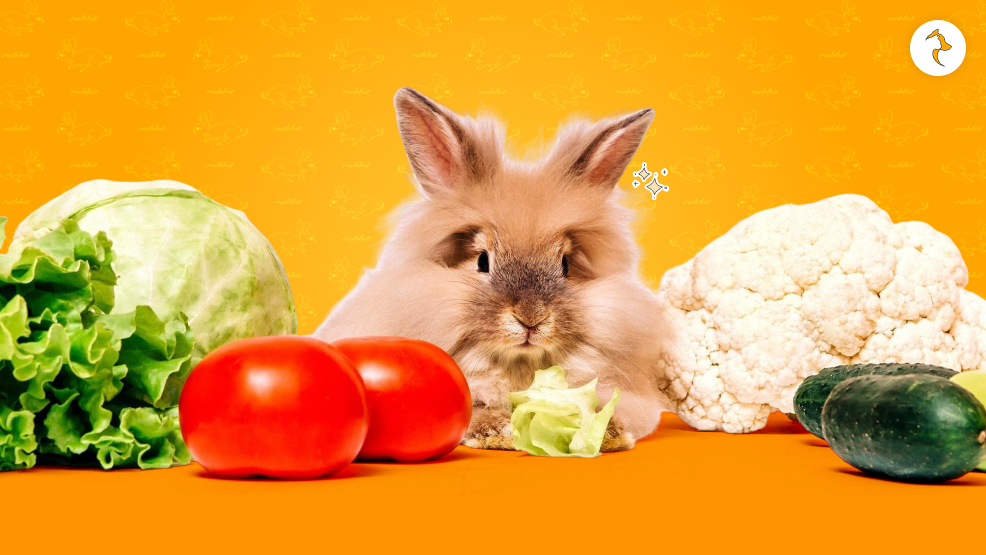
A proper rabbit diet chart should include vegetables in adequate amounts. Moreover, rabbits get about 10% of their vitamin intake from fresh vegetables.
Hence, you should provide your rabbits with diverse types of vegetables. Here are some of the main types of vegetables that you should definitely provide your rabbits with.
1. Vegetables That Are Low In Oxalate
Pet parents should provide their rabbits with low-oxalate vegetables. Moreover, these vegetables help rabbits manage their calcium and oxalate intake.
Hence, the pet parents should include options such as romaine lettuce, cilantro, green peppers, endive, bok choy, fennel, and others. Hence, the rabbit should consume these veggies regularly.
2. Vegetables High In Oxalate
You should provide vegetables high in oxalate and calcium on a rotational basis. Hence, you should only feed these vegetables once or twice throughout the week to your rabbit.
These vegetables include Kale, Parsley, Spinach, and others. When you provide these vegetables to your rabbit in high quantities, it can cause complications related to the kidneys, potential toxicity, and various other issues.
3. What Is The Portion Size Rule For Your Bunny? Rabbit Diet Chart
The proportion of rabbit food should be absolutely perfect. Improper portion size can often lead to kidney and other issues in the rabbits.
The golden rule suggests one cup of green vegetables for every 2 lbs. of the rabbit’s body weight. And the rabbit should consume moderate amounts of high-oxalate vegetables.
Why Does The Rabbit Diet Chart Contain 5% Pellets?
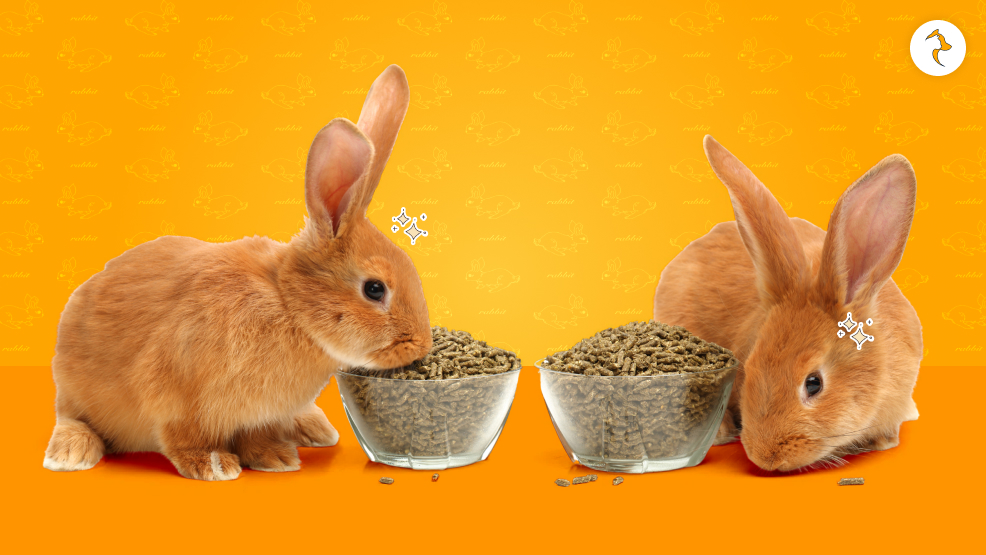
A proper rabbit diet should consist of at least 5% pellets. The pellets contain supplements that can fill gaps in the rabbits’ nutrition.
You should never mix sugary, tasty treats with healthy food. Moreover, the rabbits often tend to pick the sugary things and leave the healthy fibers. The rabbit should consume ¼ cup for every 5-6 lbs. of the rabbit’s weight.
What Should be The Quantity Of Treats?
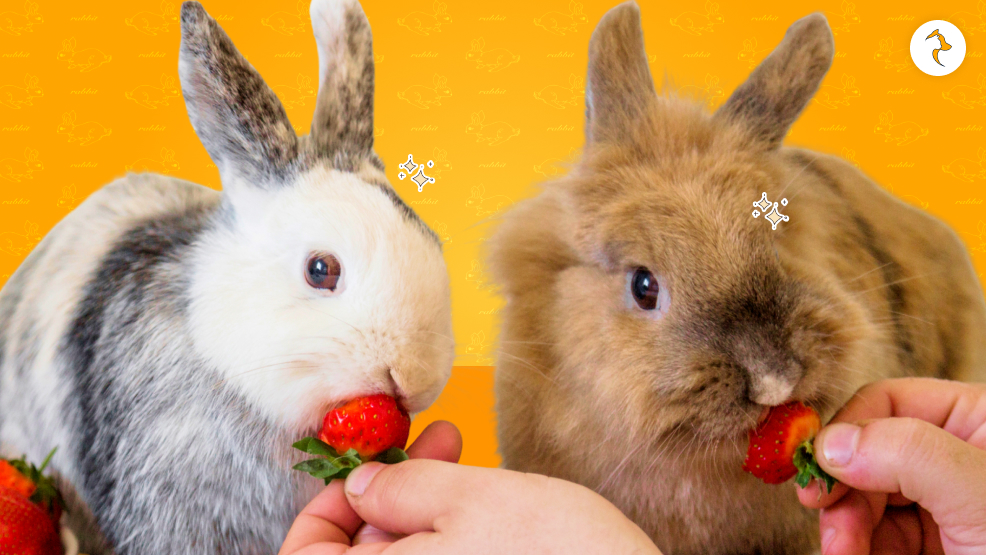
Treats act as the most important thing in a rabbit’s diet. Moreover, it allows you to perfectly bond with your rabbit. Moreover, fruits generally act as candies for the rabbits.
Rabbits really enjoy the mild sweetness of the fruits. Hence, you can provide your rabbits with fruits in moderate quantities.
Apples without seeds, bananas in small quantities, berries, and other fruits can be great for rabbits.
Which Is The Most Toxic Food For The Rabbits?
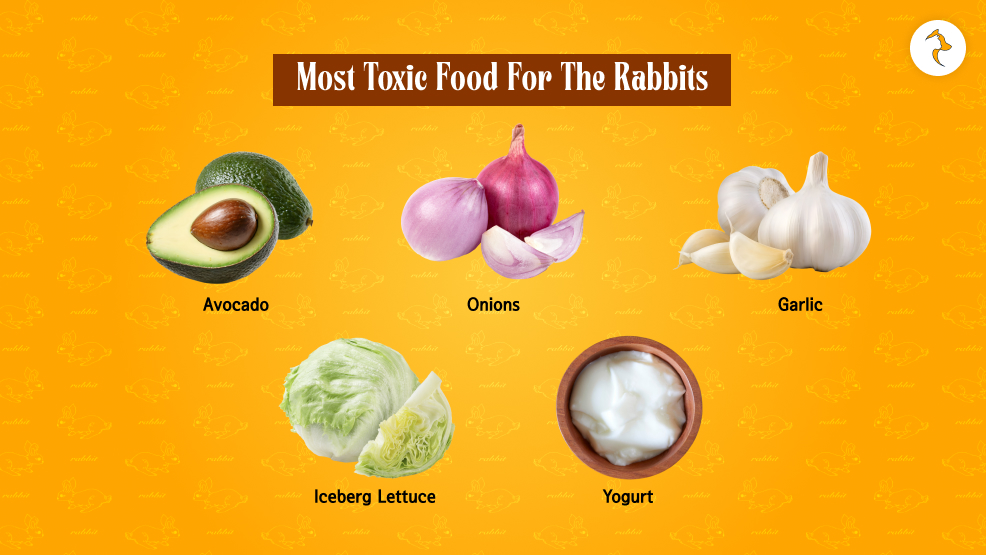
The rabbit parents should avoid giving their rabbits several things. They should ensure that the rabbit does not consume these things even by accident.
These things include Avocado, onions, garlic, iceberg lettuce, yogurt, and some others.
Why Should We Provide Water In Adequate Amounts To The Rabbits?
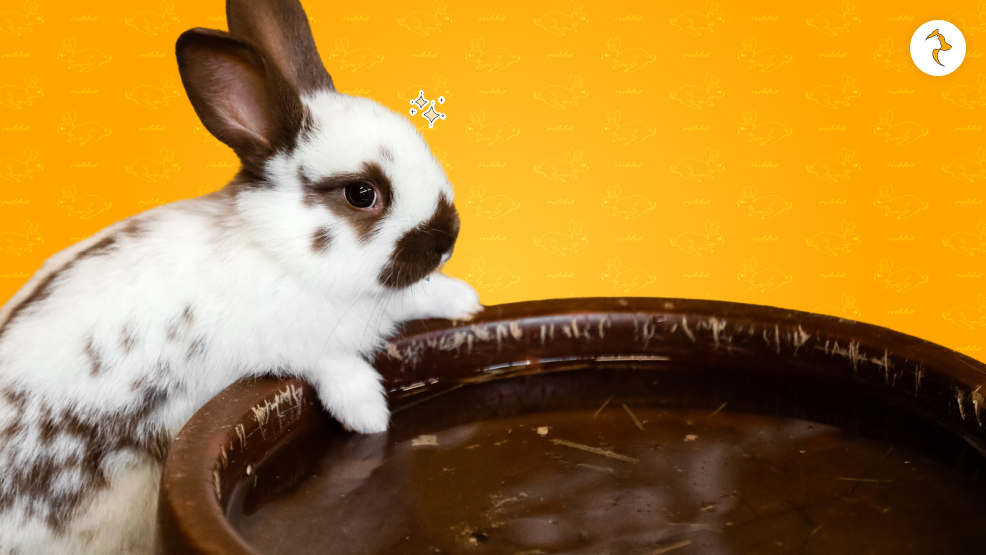
Water is very important for preventing issues like GI Stasis and others. When the rabbit consumes water in an adequate amount along with hay, it enhances the gut motility of the rabbit.
Moreover, there are two ways to provide water to your bunny. One is the drip bottle, while the other is a ceramic bowl.
The ceramic bowl is generally heavy and can not be easily toppled by the rabbit.
What Are The Age Specific Dietary Needs And Requirements Of A Rabbit?
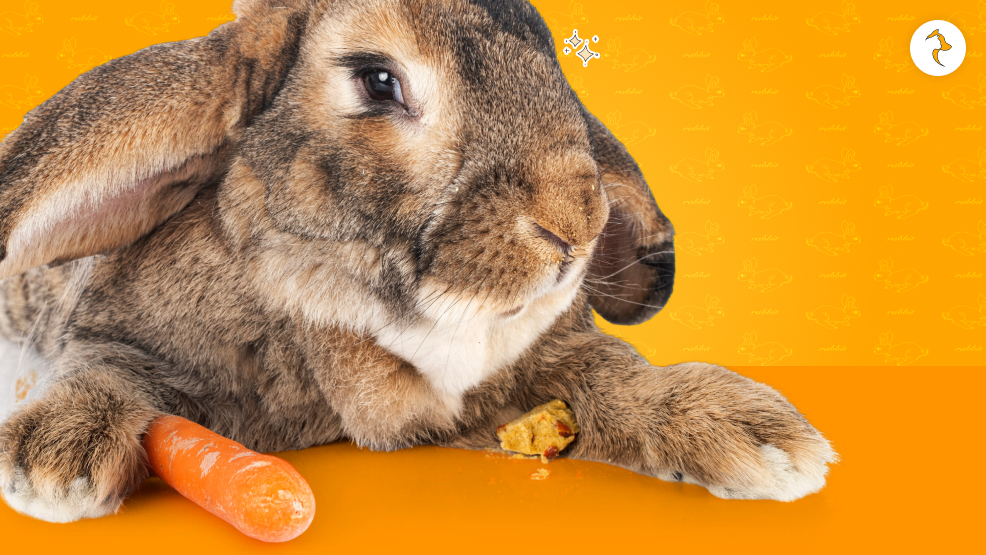
From birth to around eight weeks, baby rabbits rely mainly on their mother’s milk, which provides all essential nutrients. Their digestive system is extremely delicate, so solid foods must be introduced very carefully.
Vegetables and fruits should be completely avoided at this stage, as early introduction can cause severe diarrhea and may even be fatal.
Between eight weeks and six months, rabbits enter a rapid growth phase. Unlimited access to hay is crucial, with alfalfa commonly used because it is rich in calcium and protein.
Hay should make up about 80–85% of daily intake, pellets must be limited, leafy greens offered daily, and fruits given only as occasional treats.
Breed-Specific Diet Chart For Rabbits
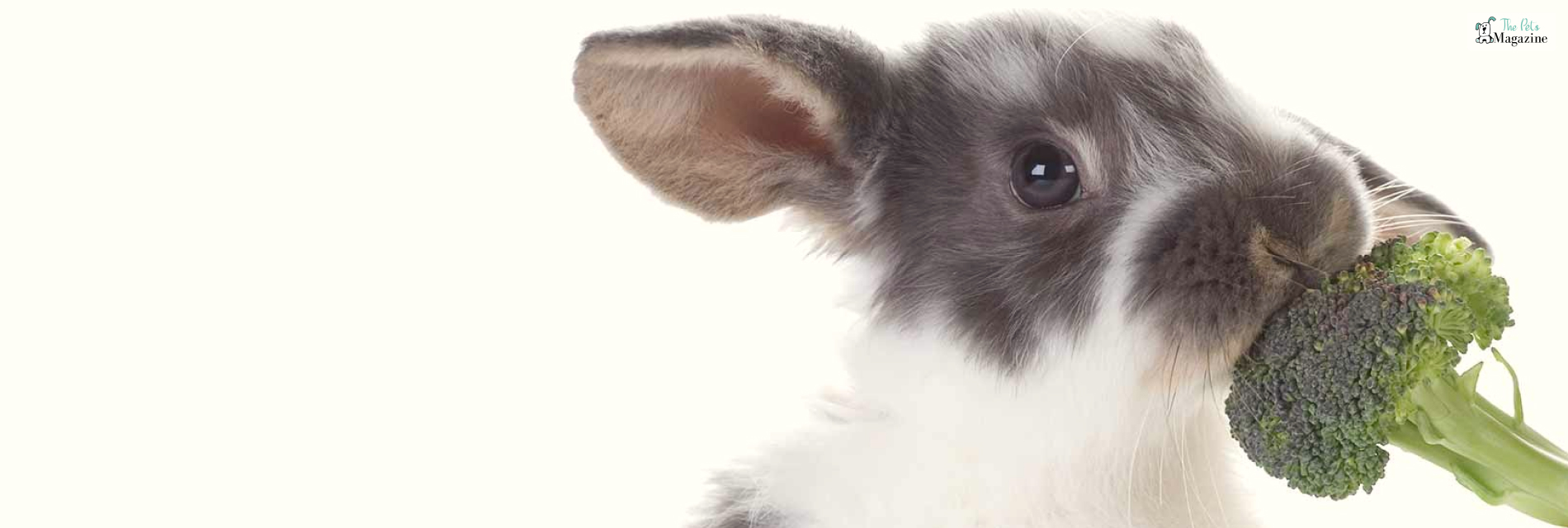
Various breeds of rabbits have diverse needs and requirements. Here are some breed-specific needs and requirements for rabbits.
| What Competitors Cover | The Missing Gap (Your Opportunity) |
|---|---|
| Lists of Veggies | The “Rotational” Strategy: Most just list veggies. They don’t explain how often to rotate them to prevent Oxalic Acid buildup (kidney stones). |
| “Hay is important.” | Visualizing Quantity: Competitors say “unlimited hay.” You need to visualize it: “A pile the size of their body, refreshed twice a day.” |
| Generic Pellets | The “Muesli” Takedown: Few articles explicitly attack “colorful mix” pellets (selective feeding), which cause dental disease. You must condemn them. |
| Water | Bowl vs. Bottle Mechanics: Diet isn’t just solids. Most don’t mention that rabbits drink more from a bowl, which prevents kidney issues. |
Frequently Asked Questions (FAQs)
Here are the answers to some of the most asked questions about the rabbit diet chart.
Carrots generally act like candy for rabbits. They are sweet. Thus, the rabbit owners should use it as a kind of treat for their rabbits.
Carrots should not be the staple for bunnies. Moreover, this can create several issues related to kidney problems and other issues in rabbits.
You should cut down on pellets and vegetables like carrots. This will create hunger, and hence they will eat healthier things like hay.
Immediately rush to an exotic when your rabbit completely stops grinding on hay. Provide them with water in an adequate amount of water. Thus, this will enhance gut motility.
No, you should never give lettuce to your rabbit. Lattice contains lactucarium, which remains very harmful to your bunny.
Furthermore, the food does not provide any nutritional benefits for the rabbit. If a rabbit consumes it accidentally. Take it to the vet immediately.
Yes, you can give your rabbit grass freshly chopped from your lawn. However, the grass should be free of pesticides, fertilizers, and chemicals. Further, the grass should be free of infection.
You should not suddenly shift from Alfalfa to Timothy. Mix them gradually and give them to your rabbit. Moreover, this will prevent issues with a rabbit’s tummy.
A sudden change can lead to a terrible shock for the rabbit. Hence, you should do it within 2 weeks.
The rabbit often pees red when they eat dandelion, spinach, and beta carotene. Moreover, these ingredients in their diet turn the urine yellowish-red.
This is a very normal phenomenon. Hence, the caregivers should not panic.
Share



Leave A Comment