
Which Is The Best Rabbit For Child: Which Are The 7 Safe, Calm, And Family-Friendly Breeds?

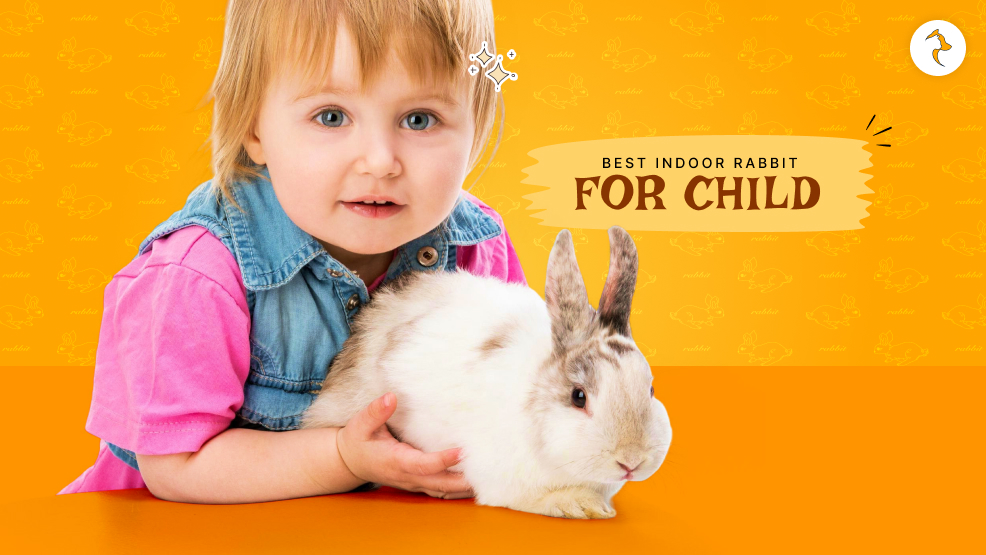
Rabbits are not really a good starter pet. Especially when it comes to the kids, they often find it very difficult to understand how to handle bunnies. Moreover, the Bunnies are Legomorphs. Thus, they are very different from the canines or felines. Furthermore, their ways of thinking differ.
Most of the legomorphs are prey animals. Thus, their ways of communication are very different from those of the other pets.
Rabbits will not really growl or moan when they are in distress, unlike cats or dogs. Their ways of expressing discomfort are different from those of others. For example, silence in the rabbits refers to distress.
Often, children are unable to understand these signs, and hence, they get bitten and scratched by the rabbits. Rabbits frequently try to go out. Thus, the caregivers mostly find it difficult to keep them within the home premises.
Even though the rabbits are not really great pets for beginners. However, some breeds are great with children.
We at The Pet’s Magazine have brought to you the seven most family- and child-friendly rabbits for homes so that you can decide for yourself the Best Indoor Rabbit for Child.
Historical Context About The Domestication Of Rabbits
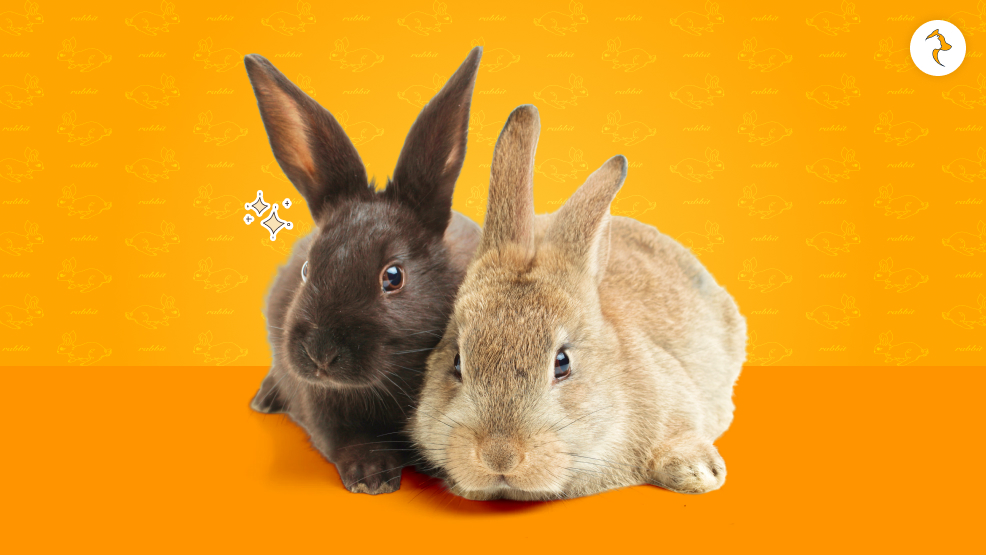
While we try to understand the nature of rabbits and try to figure out the Best Indoor Rabbit for Child, we should also learn about the history of the domestication of rabbits, as it will allow us to learn about the behavioral patterns of rabbits better.
For the longest period of time, rabbits were typically bred for good meat and fur. However, later people began keeping rabbits as pets. When it comes to the domestication of bunnies, there are several theories about it.
People often broadly consider that the bunnies were domesticated for the first time in 600 AD by French monks. However, an Oxford research on the topic says otherwise. Hence, the research under Dr Greger Larson, the lead author and director of the Plaeogenomics & Bio-Archaeology Research Network at Oxford, suggests that the Romans were among the first to use hutches. Thus, this could mean that the rabbits lived in those hutches.
The research further sheds light on the archaeological evidence, suggesting that rabbits were hunted during the Palaeolithic in the Iberian Peninsula and South-West France.
The research further suggests that the rabbits were considered highly valued delicacies throughout Europe. However, the differences between the bones of wild and domestic rabbits were visible after 2000 years of domestication. But the research found it difficult to determine the exact time of rabbit domestication.
But one thing remains very clear. For the longest period of time, we as human beings preferred bunnies to be served as a delicacy on our plates. We saw them as food and not companions.
What Are The Necessary Criteria Of A Child Friendly Bunny?
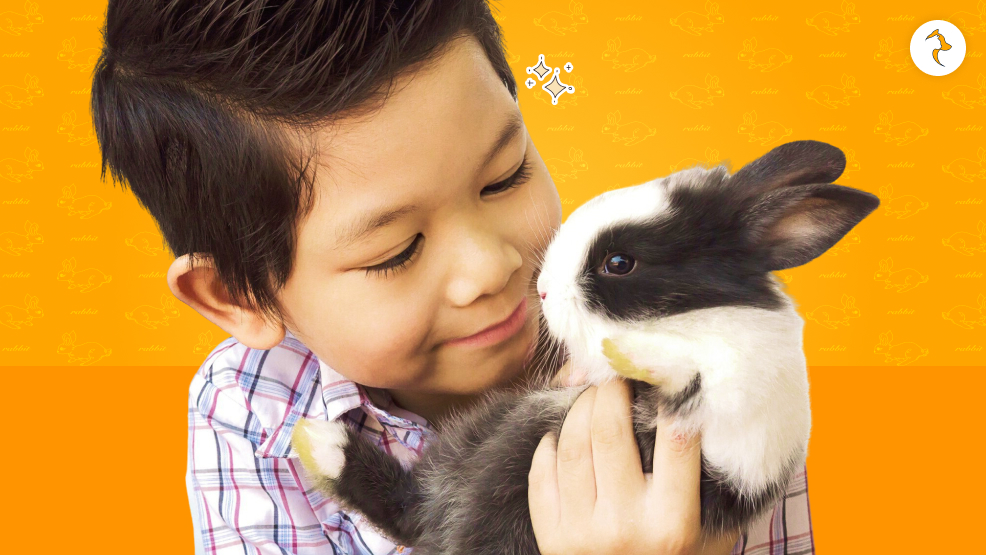
There are multiple things that people should consider before bringing home a bunny that is child-friendly. Many factors, such as temperament, size, and resilience, play a major role in this.
1. Temperament And Size
Often, people think that a small bunny should be easy to maintain. Thus, they mostly look for smaller breeds for their kids. However, the reality is the exact opposite. Some of the largest breeds, like the Flemish Giants, Himalayan rabbits, and others, tend to have a great temperament.
The bunnies are bigger. For example, the Flemish Giants are known as the gentle giants. Despite their massive size, they bite less and also do not scratch children.
2. Tolerant Of The Surroundings
Rabbits generally require quieter environments where they can stay at peace. However, in a noisy neighbourhood, that can be something very difficult to provide your bunny with. But some rabbit breeds can easily tolerate the mild noise. These breeds include Flemish Giants, Himalayans, Jersey Wooly and others.
Children also tend to be noisy as they do not really understand the nature of the rabbits.
Thus, if you live in a noisy neighbourhood and have a child at home, you should definitely go for the gentle breeds.
Which Are The Top 7 Best Indoor Rabbit Breeds For Children?
Rabbits are not really the best pets to begin with. Moreover, children are often harsh with the rabbits. Thus, children should also be taught properly how to handle rabbits.
Some breeds do well with children. Here are the top seven breeds that really do great with children. Read this and decide for yourself which is the best Indoor rabbit for child.
1. The Dutch Rabbit
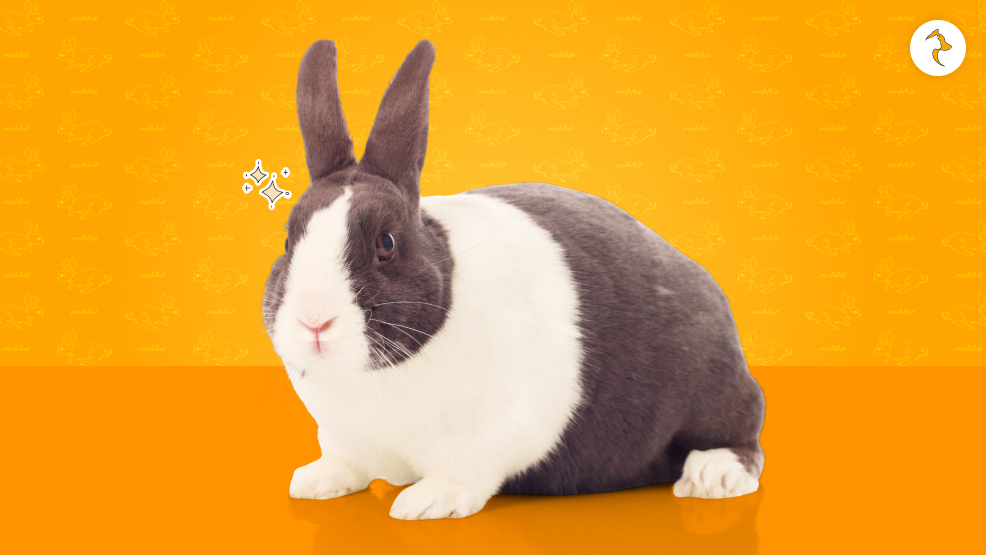
The Dutch rabbits are often called the golden retriever of bunnies. People often think that the Dutch Rabbits were named after their origin. In contrast, the Dutch Rabbits are called the Dutch Rabbits because of their Dutch Markings.
The Dutch Rabbits generally have saddle markings around the chest, back, and face. Alongside their distinctive looks, the Dutch Rabbits have also gained popularity for their friendly nature.
Thus, it is one of the most popular breeds worldwide.
How To Care For A Dutch Rabbit?
The Dutch Rabbits mostly need plenty of room. Even though they are a smaller breed, they need adequate space for proper exercise and a healthy lifestyle. A cage of 24 x 24 does great, as long as the rabbit gets plenty of time outside the cage for recreation.
Do not keep your rabbit in an external hutch if the temperature is above 80°F or below freezing. Dutch rabbits should be well protected against predators.
The Dutch Rabbits have a shorter coat. Thus, there are not many grooming requirements for them. Dutch rabbits can be trained and can also participate in activities like fetch. Hence, these traits make the Dutch rabbits great for households with children.
The Dutch Rabbits are often susceptible to various illnesses, such as dental problems, cancer, Upper Respiratory Infections, GI Stasis, and others. The bunny parents should stay in touch with the exotic pet vets and take their Dutch Bunnies in for routine check-ups.
2. The Himalayan Rabbit
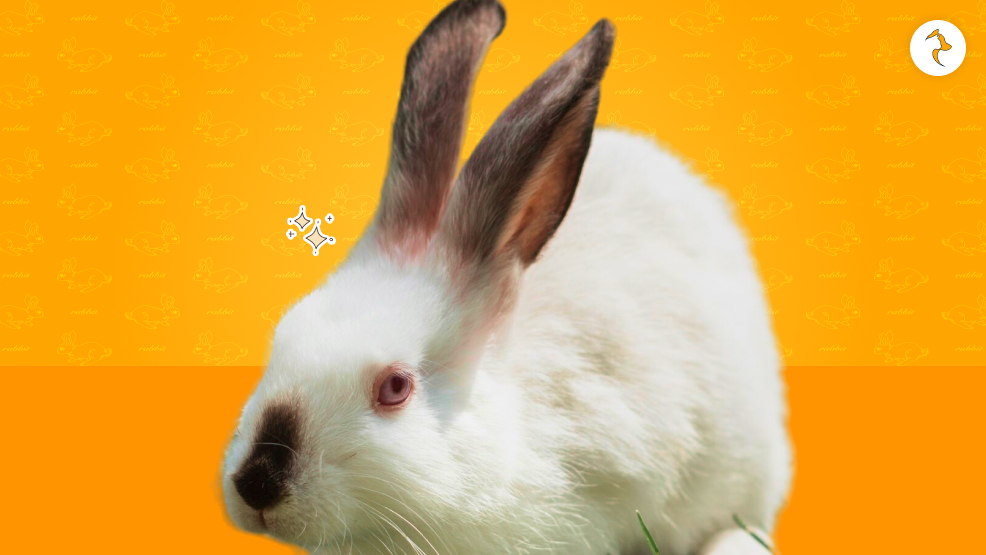
The Himalayan Rabbits have been domesticated for a long period of time. The Himalayans feature a long, accentuated, lean body. The rabbit breed has gained popularity because of its dark colored nose, tail, and feet.
People can find these rabbits in different parts of Asia. The breed is especially found in parts of Northern India and China.
Himalayan rabbits are among the calmest large breeds. They are mostly resilient to the harsher climate. The Himalayan Rabbits can tolerate mild noise and other factors. They shall do great with children.
How To Take Care Of The Himalayan Rabbits?
The Himalayans can often face various health issues like dental problems, respiratory issues, heat stress, and several others. Moreover, the teeth of Himalayan grow continually irrespective of age, thus this can cause damage to their gum.
Plenty of hay in their diet keeps the rabbits’ teeth trimmed. This breed suffers from respiratory problems. Thus, the Himalayans should not be kept in the damp, cold places. The Himalayans should always be kept in environments with proper ventilation.
Proper hygienic environments can prevent conditions like snuffles and other issues.
3. The Sussex Rabbit
The Sussex breed can be the best Indoor rabbit for Child. They are adorable creatures, often known for their friendly, gentle nature. Thus, they are ideal for adults as well as children. They are great companions and really low-maintenance creatures.
The Sussex Rabbits generally have a medium to large body. The rabbit typically weighs around 5-7 pounds and can live upto 6-8 years.
These rabbits require an adequate amount of space to hop around. They have a very friendly temperament. These rabbits are vocal, playful, and affectionate.
How To Take Care Of A Sussex Rabbit?
The Sussex rabbits are a breed of domesticated rabbits that require a balanced diet to ensure proper health and well-being. The diet of a Sussex rabbit should consist of hay, vegetables, and fruits.
Pet parents should provide their Sussex Rabbits with commercial pellets that are free of additives, preservatives, and harmful chemicals.
The enclosure of a Sussex rabbit should be absolutely spacious, clean, and properly ventilated. Pet owners should keep them in appropriately sized hutches. It should not be too large or too small.
The rabbits are often susceptible to some of the most common and problematic diseases, such as Myxomatosis, Rabbit Hemorrhagic Disease, and Pasteurellosis. The caregivers should take the rabbit to the vet for regular checkups.
4. The Florida White
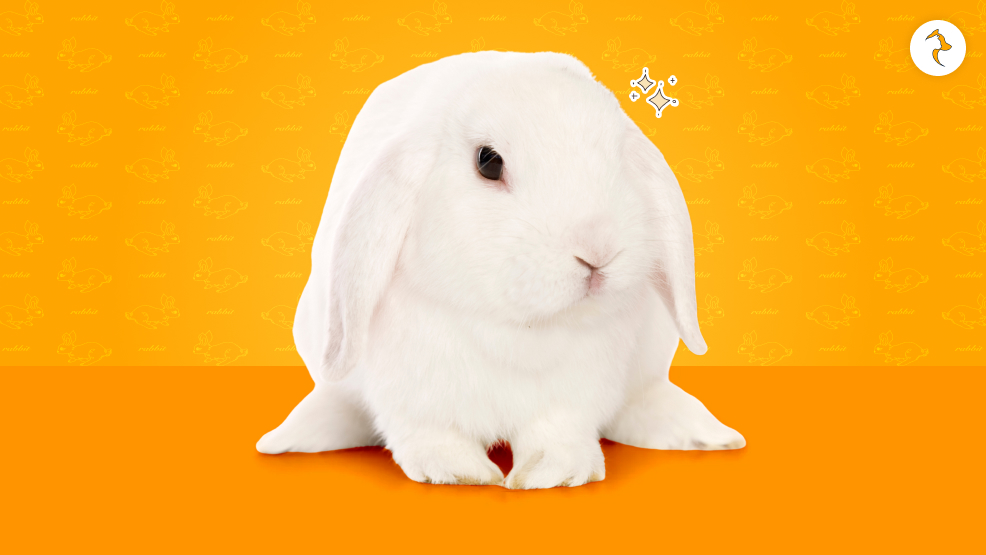
The Florida white is comparatively a smaller breed. Moreover, the breed is very small in size, and it weighs around 4-6lb. The breed has a compact body type. This makes it suitable for confined, small spaces like apartments.
The Florida White rabbits are one of the best indoor rabbits for child. The rabbit shows traits of being friendly, quiet, docile, and relaxed.
The rabbits mostly live upto 5-8 years of age. The rabbits have very thick ears, and they generally stand upright.
How To Take Care Of The Florida White Rabbit?
The Florida White rabbit was bred with the requirements of labs and others in mind. Thus, the breeders wanted to create something with minimal needs and requirements. We cannot deny that breeders have been able to achieve that with the Florida Rabbit.
The Florida Rabbit can easily stay in a cage of 24 / 36 inches. The cage should allow your bunny to stretch and hop comfortably within the space. The bottom of the cage should not be naked wire, as it can provide your bunny with sore hocks.
Proper bunny-friendly bedding shall make the bottom softer than anything. Hay, sawdust, wood pellets, and other things also make great choices.
The Florida Whites are not really susceptible to any specific disease or disorder. However, the rabbits should be kept healthy. They mostly live indoors. Thus, the Florida Whites can develop health deficiencies. They should get enough sunlight.
5. The Thrianta
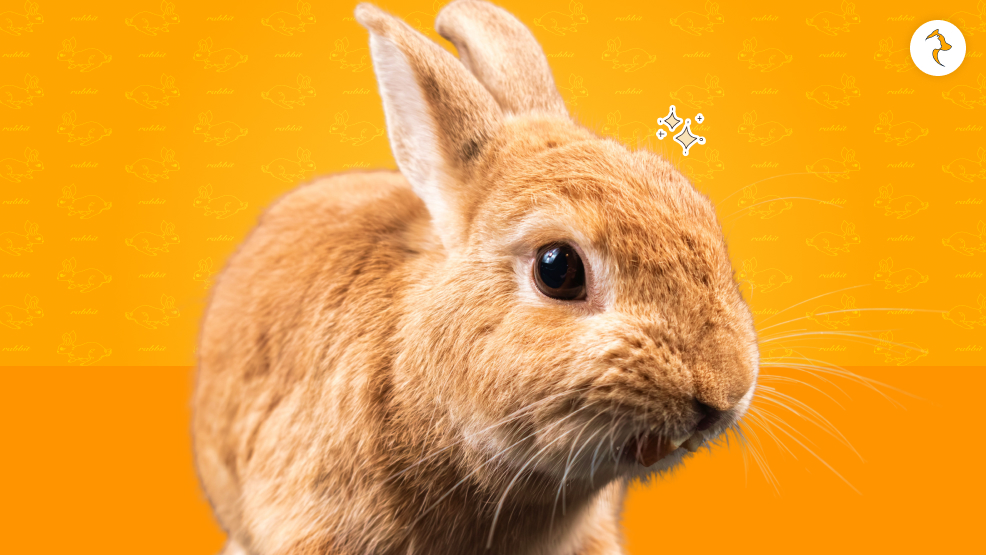
The A.R.B.A. considers Thrianta to be a fancy breed. However, the rabbits are of medium size and can reach up upto 6 pounds. The rabbits have gained popularity for their orange and red fur. Moreover, the rabbit is very active.
The rabbit shows signs of curiosity. The Thrianta rabbits are very active, curious, and lively. The breed’s origin dates back to the 1930s.
This breed was introduced in tribute to the Dutch Royal family. However, the rabbit breed reached the United States much later in the 1990s.
People can treat the rabbit as an intelligent lap pet. It is ideal for families, individuals seeking companionship, or even seniors.
People find it difficult to find an original breed of the Thrianta Rabbit. Ironically, the rabbits went almost extinct as they were treated as the primary source of food during the 2nd World War. However, the breeders then bred the rabbits with the German Rabbits to revive their population.
How To Take Care Of Thrianta Rabbits?
The Thrianta rabbits do not really have any exceptional dietary requirements. They just need plenty of hay and water to thrive. The rabbit enjoys eating broccoli, cauliflower leaves, cabbage, kale, and spinach. Additionally, the rabbit loves rocket and Brussels sprouts. They can be one of the best indoor rabbit for Child.
The bunny parents should consider the bunny’s age, size, and activity level before feeding it.
6. The Harlequin
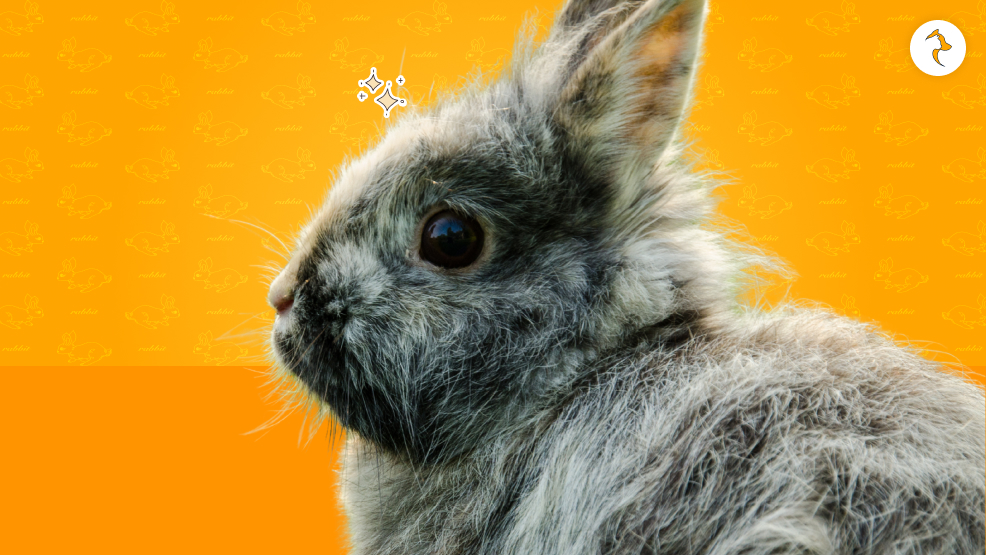
The Harlequins are playful clowns who can entertain kids in multiple ways. They are one of the best indoor rabbit for child.
The rabbits have gained popularity because of their unique color patterns, rather than their fur type or body type.
People often call them the “clown of rabbits” because of their two-toned costumes that often resemble a clown’s. The color patterns ideally split from the center of the face.
Harlequin rabbits live up to 5-10 years, and they typically weigh around 6.5-9.5 pounds. There are two types of Harlequin rabbits, the Magpie Harlequin and the Japanese Harlequin.
The Magpie Harlequin has a white coat with another color. At the same time, the Japanese Harlequin has an orange jacket with another color.
How To Care For A Harlequin?
The harlequins mostly stay playful, gentle, and friendly around people. However, they should be handled calmly and gently. Thus, children in the household should understand that they should handle them with calmness.
The bunnies have minimal grooming needs. Thus, they are great for beginner bunny pet parents. The bunny should be kept in a cage that is minimum three feet long and at least two feet wide.
But they require an adequate amount of time outside their cage to have plenty of exercise. The rabbits can suffer from health issues such as URI (Upper Respiratory Infections), dental issues, parasitic problems, and others.
7. The Flemish Giants
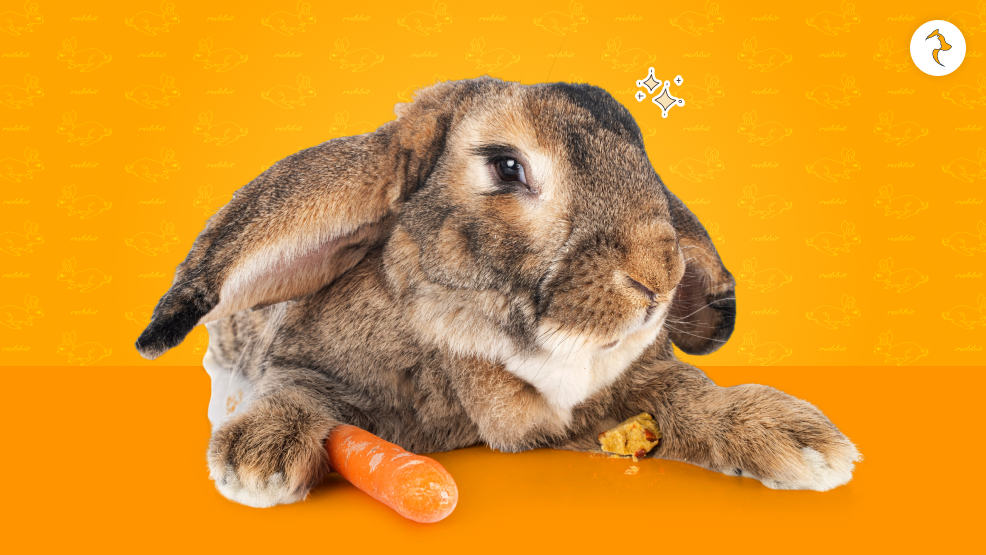
People generally call the Flemish Giants the gentle giants. Moreover, the result was a crossbreeding of many local breeds for fur and meat. The breed shows a high amount of sturdiness, strength, and proper temperament.
Therefore, these are the qualities that make the Flemish Giant one of the best indoor rabbit for child.
This breed has a personality that is similar to that of a dog. The breed is massive in size. Thus, the little children should not try to lift the rabbit.
The rabbit’s temperament has earned it the nickname “gentle giant.” The rabbit has a semi arched body.
How To Take Care Of The Flemish Giant?
The rabbits are heavy. Thus, the rabbit keepers should have softer padding and flooring at the bottom of their cages.
The rabbits’ heavy weight can easily cause problems like sore hocks. Further, the caregivers should also keep the cage floors clean, as urine and faeces often cause foot infections in the animal.
Breeds That You Should Never Introduce To Your Children
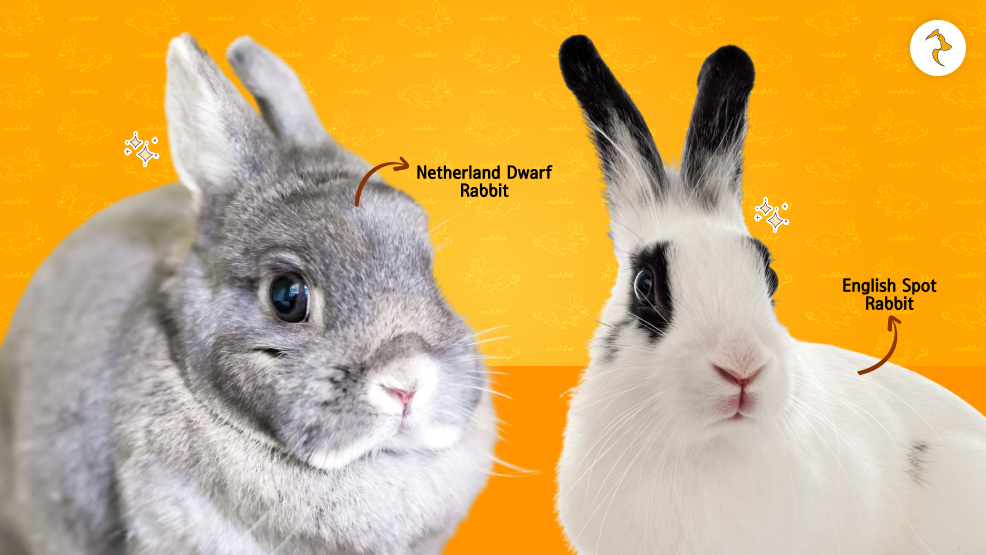
Certain breeds often look cute. However, despite their size and appearance, they can be really bratty with your kids. Thus, if you do not want ugly nibbles and scratches on your child, then keep your child away from these breeds.
1. Why Should You Keep Your Child Away From The Netherland Dwarfs?
The Netherlands Dwarfs remain very conscious about their surroundings. Thus, whenever a child picks them up, they get easily scared. Moreover, all rabbits are prey animals, and hence they invest less trust in any human beings.
Coercive handling can lead to unnecessary nipping and scratching. This is not always a result of aggression. This can be caused by fear as well.
2. Why Are The English Spots Too Energetic For The Children?
The English Spots are one of the fastest-moving and most active rabbits. Thus, they require a lot of space for proper mental stimulation. Hence, children find it very difficult to interact with them.
The rabbits often behave aggressively when they get handled or restrained in the wrong manner. Thus, this increases the chances of accidents and injuries.
Safety Rules: Interaction Guide for Kids
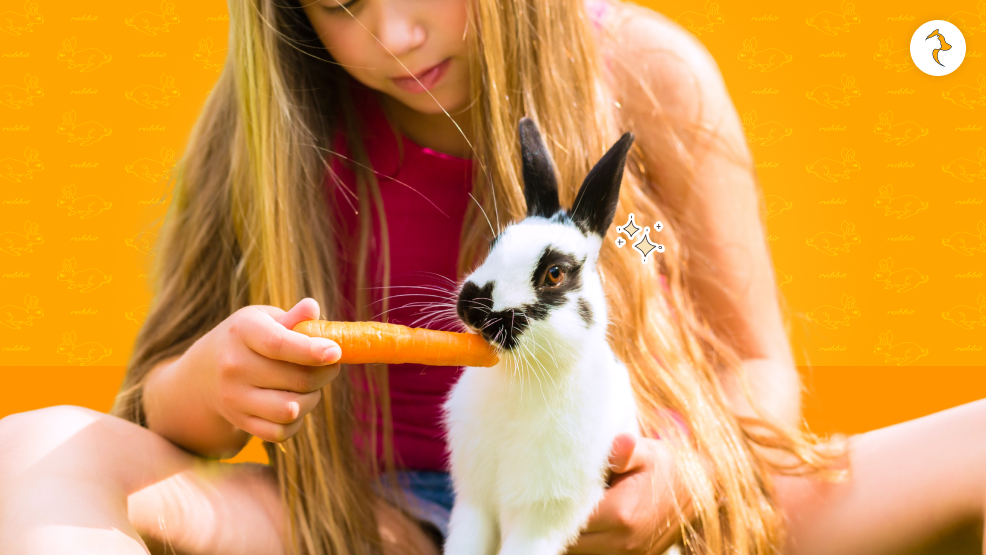
While parents seek the best indoor rabbit for child, here are some of the safety rules that they should keep in mind. Bunnies are not stuffed toys. They are living creatures. Thus, there should be specific ground rules.
They are not like canines or felines either. Rabbits are prey animals. Thus, the rabbits require a calm and predictable environment to feel safe around larger creatures like humans.
Never allow your child to pick up a bunny. Thus, all four legs of a bunny should be on the ground. This is known as the four on the ground behavior. The bunny considers you to be a predator when you try to pick it up.
People should also teach the children about the body language of the bunny. For Example, Sudden thumping refers to being scared. Hence, the rabbit is waiting for the threat to pass. Silence is not a result of calmness, but it denotes anxiety.
How To Prepare A Home For The Indoor Bunnies?
A properly prepared home keeps rabbits as well as children safe. Moreover, the indoor rabbits require spaces that are suitable for their natural behavior.
Rabbits have a behavior of chewing and retreating. The parents should cover the exposed wires to prevent electrocution. There should be child-free zones for the rabbit to rest.
Things To Consider While Trying To Find The Best Indoor Rabbit For Child
Rabbits can be suitable for family pets when their needs are respected. Choosing the right breed, setting clear interaction rules, and creating a safe home environment protects both children and rabbits.
However, parents should also be aware that rabbits can create unpleasant smells when they are kept indoors.
Frequently Asked Questions (FAQs)
Here are the answers to some of the most commonly asked questions about the best indoor rabbit for child.
Calm, medium-sized breeds with gentle temperaments are generally better suited for children.
Temperament matters more than gender, especially once rabbits are neutered or spayed.
Rabbits themselves are clean, but poor litter hygiene can cause odour indoors.
Well-socialized rabbits, known for calm behavior, tend to be the friendliest for families.
Share




Leave A Comment