
The Best Rabbit Breeds For Families With Kids: The Safe & Cuddly Guide

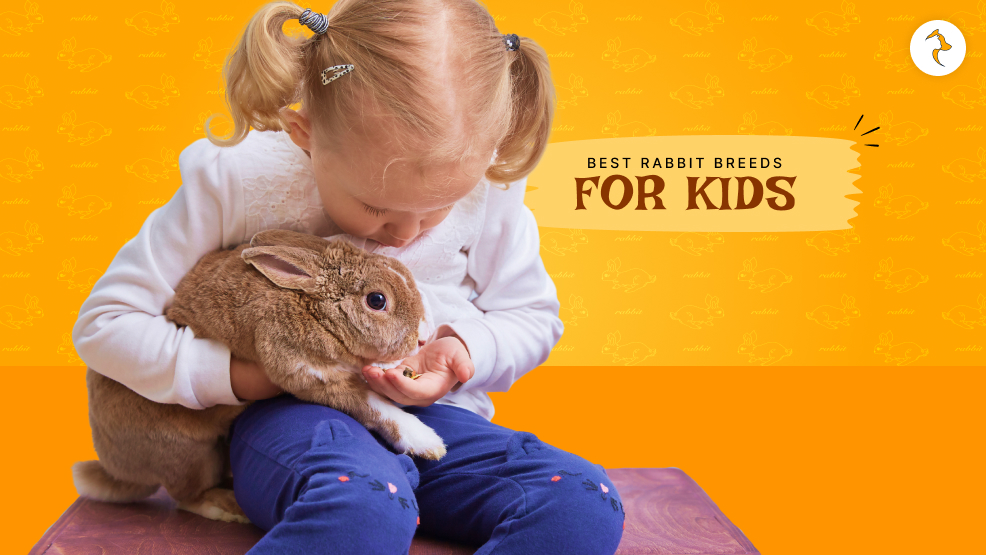
People often think that rabbits are safe, cuddly, and have a great temperament. However, in nature, the rabbits are prey animals.
Thus, they tend to be shy and quiet. But lagomorphs like rabbits can, at times, attack, depending on the situation. Different breeds of rabbits also have varied temperaments. Ironically, something that is cute does not always have to be safe around the kids.
The rabbits often look cute, but they can leave your children with nasty scratches and bites. Parents usually believe that the rabbit would make the perfect pet for their children. However, the intelligence of a rabbit remains very different from that of a dog or a cat.
The rabbits are prey animals who do not like to be held or handled, unlike dogs and cats. When young children try to keep a rabbit, it often hurts them.
This article seeks to inform people about the different species of rabbits, their nature and temperament, so that you can pick the best rabbit breeds for kids.
When Is Your Child Actually Ready To Play With Rabbits?

Before we learn about the best rabbit breeds for kids, we should also understand which species are suitable for children in each age group.
| Child’s Age | Recommended Breed | Reasons For The Recommendation |
|---|---|---|
| Toddler (Under 4) | Plush Toy (Seriously) | Real rabbits are too fragile. Get a stuffed animal. |
| Young Kid (5-9) | Dutch or Himalayan | Sturdy, patient, and size-appropriate. |
| Pre-Teen (10-13) | Mini Rex or Lop | Can handle gentle petting and grooming duties. |
| Teen (14+) | Lionhead or Angora | Capable of complex grooming and medical care. |
Which Are The Top 3 best rabbit breeds for kids: “All Star”
We have categorized some of the safest rabbits based on their behavioral patterns, energy, and temperament. Here are the top three rabbit breeds that you should consider safer than the others around your kids.
1. The Dutch Rabbit
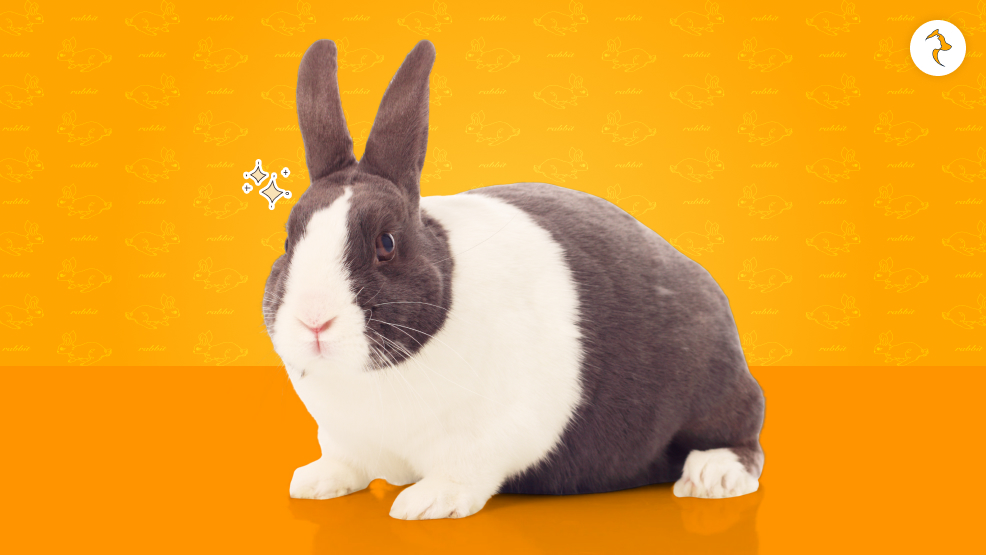
The name Dutch Rabbit has not really been derived from the rabbit’s origins. However, the rabbit came to be known as the Dutch rabbit for its unique color patterns. People mostly call the patterns Dutch markings.
Dutch rabbits generally reflect a characteristic white blaze on the face and the chest. Dutch rabbits also have white saddle markings around the shoulders.
Generally, adult Dutch Rabbits live for five to ten years. Moreover, an adult Dutch Rabbit weighs around 3.5-5.5 pounds.
People often refer to Dutch Rabbits as Brabanders or Hawlanders. The Dutch Rabbits are generally friendly and intelligent. Thus, they are one of the most popular pet rabbits in the world. The rabbits are great with the children because of their friendly nature.
The Dutch rabbits were bred from the Petit Brabançon. The breed has been bred in Belgium since the fifteenth century.
The breed was imported to England in the 1830s. Furthermore, here the rabbit was developed into today’s Dutch Rabbit.
The Dutch Rabbits arrived in the United States around the year 1900. The ARBA (American Rabbit Breeders Association) recognized Dutch Rabbits in 1910.
What Are The Health Issues Of The Dutch Rabbits?
The Dutch Rabbits sound fascinating to you. However, while you get a Dutch Rabbit, you should be aware of the potential health issues of the animal. This will allow you to be prepared over time as your bunny grows.
The rabbit keepers should keep in touch with the exotic pet vets for better treatment. Always remember, the rabbits count as an exotic species. Thus, the rabbit parents should always take their rabbits to vets who specialize in treating exotic pets.
Moreover, all the female rabbits remain susceptible to uterine cancer when they do not get spayed once they reach the age of 5-6months.
Rabbit keepers should spay their female rabbits after they reach 5-6 months of age. Hence, this shall prevent the occurrence of potentially fatal cancer in the rabbits.
Uterine cancer in female Dutch Rabbits often spreads to other organs, such as the lung and liver.
2. The Himalayan Rabbit
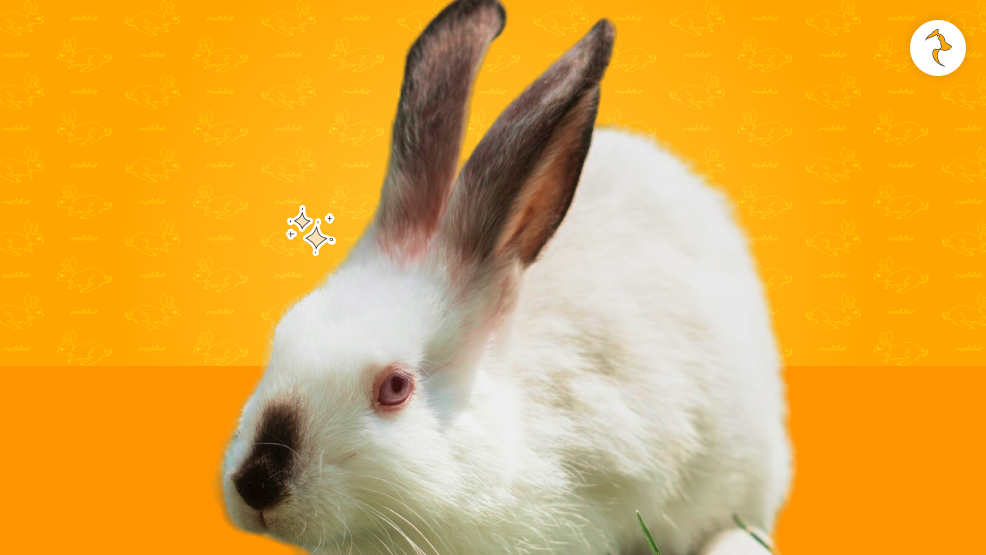
The Himalayan rabbits are domesticated rabbits with a long, lean, accentuated body. Moreover, the rabbits have dark-colored noses, tails, and feet. These rabbits are primarily found in parts of Asia, especially Northern India and China.
The early breeders bred the rabbits for their adaptability, temperament, quality of fur, and meat. However, selective breeding started much later in Europe. The selective breeding of these rabbits began approximately around the 18th and 19th centuries.
The breeders of England specifically bred those pairs that showed tubular features, along with the patterns and tones that were darker than the others.
The breeders noticed that breeding in the warmer climates resulted in the loss of pigmentation. On the other hand, colder climates resulted in the pigmentations becoming more prominent and appropriate.
The Himalayan rabbits later became the foundation for several other breeds. The most notable examples of them include the California rabbit.
Himalayan Rabbit Health Issues
The Himalayan rabbits are one of the most sturdiest and healthiest breeds of rabbits. However, the rabbits can always face some of the most severe and serious health issues. These health issues include dental problems, respiratory problems, heat stress, and others.
The rabbit’s teeth grow continually, and it never stops growing. Thus, this often leads to alignment tor even molar spurs in the rabbits. Additionally, the Himalayan suffers from respiratory problems when they is subjected to damp, cold temperatures. They can not really thrive in environments without proper ventilation.
Rabbit owners have to maintain proper hygiene to prevent problems like Snuffles and other respiratory infections in rabbits.
The white coat, along with the slender body, allows the rabbit to do well in cold climates. The high temperature often causes lethargy, lack of appetite, and various other problems. Heat stress and lack of appetite often appear as small things, but they soon turn into something really large, like GI Stasis and others.
3. The Flemish Giant Rabbits
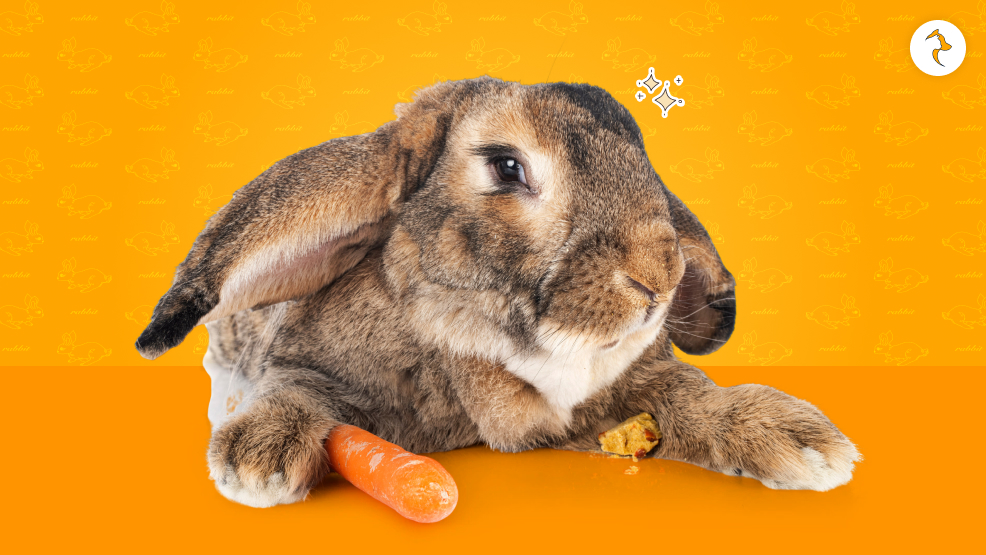
People often call the Flemish Giant rabbits the gentle giants among all the rabbit breeds. Moreover, the rabbit breed originated in the Flanders region of today’s Belgium during the 16th century.
The breeders selectively crossed the local rabbits to produce animals with a lot of meat and fur. People started knowing the rabbit breed for their sturdiness, strength, and proper temperament. Hence, these qualities make it the best rabbit breed for kids.
The Flemish Giants have broad heads and long, upright ears. The breed’s hind legs are strong. Overall, the bodies of the rabbits are semi-arched.
The temperament of this breed makes it the best rabbit breed for kids. The rabbit tends not to hurt, scratch, or bite kids unnecessarily. However, the parents should train their children to handle Giant Rabbits well. They can be soft, squishy, and chunky. However, they are not mere soft toys; hence, they should be handled properly.
Unnecessary touching can always create a phobia and a lack of trust in the owner.
Health Issues In Flemish Giant Rabbits
The Flemish Fiant rabbits often suffer from multiple health issues. The heavy body weight usually causes ulcerations and pressure sores on the bottoms of their feet.
Hence, the rabbit keepers should keep their rabbits on a solid floor instead of a cage floor. The soft, solid flooring prevents sores on their feet.
Urine and faeces often stick to the feet, causing severe infections in these animals. Thus, the rabbit keepers should definitely keep the floors of the enclosed spaces absolutely clean.
Further, they suffer from some of the worst ear conditions because of their long, upright ears. Thus, you should always stay in touch with the exotic animal vets. You should clean your bunny’s ears regularly to prevent infections.
The pet parents should be especially careful if their rabbit spends time outdoors. This makes them susceptible to various infections and diseases.
The rabbits are generally heavy. Thus, this creates an additional risk of the Flemish Giants becoming obese. Therefore, the bunny parents should limit the number of pellets and treats they give their bunnies. Moreover, this shall prevent them from gaining a lot of weight.
Like other rabbit species, the Flemish Giants often develop respiratory problems. Thus, bunny parents should always keep their rabbits in clean, paper-based, dust-free bedding. This should prevent the respiratory issues.
Rabbits, in general, can suffer from problems such as gastrointestinal stasis. The giant size of Flemish Rabbits often makes them among the most challenging animals to manage during GI Stasis.
The Breeds That Might Seem To Be Cute But Are Complicated To Deal With
People often purchase rabbits based on their appearance. However, the owners later face some of the most complex situations because they are unable to manage the breed.
1. The Holland Lop

The Holland Lop rabbits are a Dutch breed. Moreover, a rabbit breeder named Adrin De Cock from Tilburg bred the rabbit for the first time in the Netherlands.
The Holland Lop was created by breeding a larger French Lop rabbit with a smaller Netherland Dwarf rabbit.
The rabbit was formally recognized in Europe in the year 1964. The American Rabbit Breeders Association(ARBA) formally recognized the breed in 1979.
Generally, the Holland Lop lives up to 7-10 years. Typically, the rabbit weighs around 4 pounds. The Arbas showcases its compact body. Their bodies are muscular despite being compact.
Additionally, the ARBA recognizes almost 30 coat colors and diverse pattern variations. The rabbit has a very large head. However, the body is smaller than the head.
The Howland Lops can act a little scared and shy around people. Thus, they may bite or chew when frustrated. The rabbit is great around the children who have crossed a certain age.
They can be the best rabbit breeds for kids, only when children get trained to handle them properly.
The Holland Lops can be very destructive. Moreover, both the male and the female Holland Lops tend to chew and damage things.
These species tend to be very energetic. Thus, handlers and caregivers should learn to properly care for these rabbits. The back legs of these rabbits are really powerful, so they can easily injure their muscles and spine while trying to leap off the handler’s hand. The Holland Lops typically act very social and curious around humans. They can also be affectionate and try to snuggle with people.
Health Issues Of Holland Lop
The Holand Lops do not really have any hereditary health issues. However, the rabbits are susceptible to various ailments.
Ear infections are among the most common problems in Holland Lops. The floppy ears make ear care challenging for rabbit keepers. The ears generally grow to 4-5 inches until the rabbit becomes an adult.
The unique structure of the ear does not allow much air to flow into the ear canal. Thus, this often traps debris and moisture in their ear. This can cause infection and other issues in the long run.
The rabbit’s ears should be cleaned regularly. Thus, this shall prevent infections and other ear-related issues in the rabbits.
Rabbits, in general, remain very susceptible to a condition known as GI Stasis. Thus, it is not uncommon for Holand Lops to develop these conditions.
The Holand Lops tend to have a thick coat, thus they shed a lot of hair when they molt. On the other hand, the Holand Lops keep grooming themselves while continually licking themselves. Therefore, the caregivers should ensure to provide extra bruising during the molting season.
The rabbit’s teeth generally grow as long as the rabbit lives. Thus, this can cause several dental issues. Dental issues in rabbits often include misaligned teeth. The rabbits rely heavily on their teeth to grind and chew their grain.
The bunny parents should provide their bunnies with hay and wooden chew toys. These ensure that the teeth are trimmed.
2. The Mini Rex Rabbit
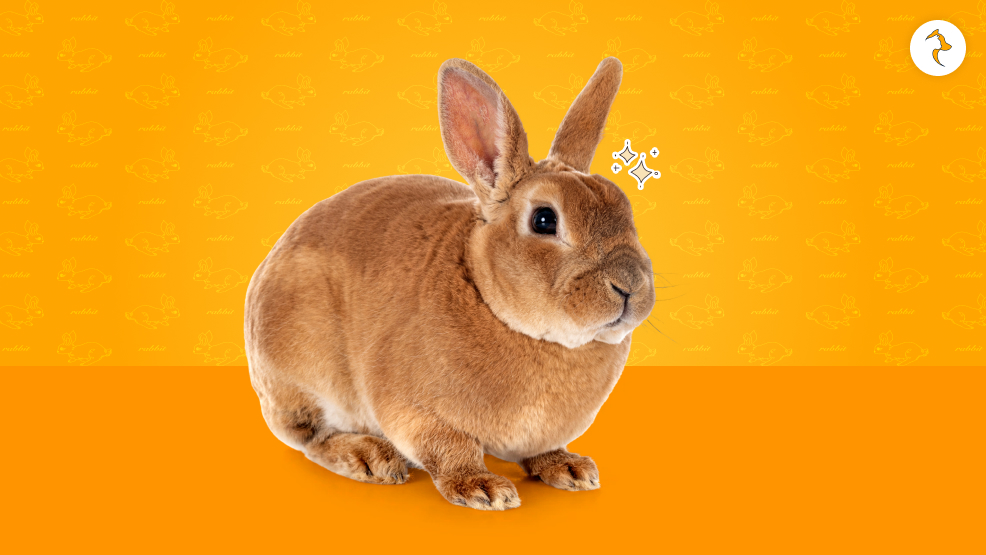
Mini Rex rabbits are among the most popular among rabbit keepers. The Mini Rex is a small pet that is easy to handle. People generally know the Mini Rex rabbits for their small velvety, dense fur. You can find the rabbits in various colors. However, the most important color is a mix of black and white in a range of shades.
The rabbits are compact in size and have a beautiful, furry, plush coat. While you purchase a minirex rabbit, ensure that the children in the room are at least eight years old.
Little children often do not understand how to handle animals like Mini Rex rabbits. This can cause them to get hurt while handling the rabbit inappropriately.
Mini Rex can be one of the best rabbit breeds for kids when you provide it with enough time to socialize with you, an appropriate diet, proper housing, and an adequate amount of space for the rabbit to play around safely.
In addition, you should train your children to handle the rabbits properly. The breed is generally sturdy and therefore does not require any special additional care.
Rabbits generally have a lifespan of 8-12 years. However, poor care can lead to a much shorter lifespan.
Health Issues In The Mini Rex Rabbits
The Mini Rex rabbits often face issues like GI Stasis, respiratory issues, and dental problems. Moreover, these are some of the most general issues. Additionally, the plush, velvety fur of the rabbit often causes soreness in the hocks. People usually call it bumble foot.
The females who do not get spayed suffer from high risks of Uterine Cancer. Thus, pet parents should definitely spay their rabbits on time to avoid any issues. Removal of the ovaries can prevent problems like uterine cancer.
3. The Lionhead Rabbit
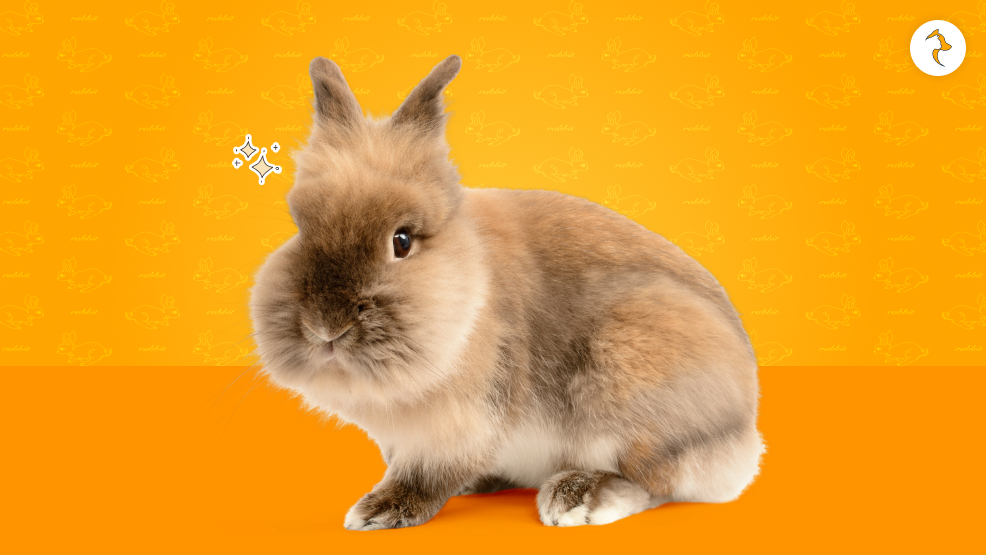
The breeders breed the Swizz Fox rabbit with a Netherland dwarf rabbit. Moreover, the rabbit was caused by a genetic mutation. Hence, this resulted in a genetic mutation, known as “the mane gene.” Thus, this mutation allows woolly fur to grow specifically around the rabbit’s head.
The rabbits have received their names for their manes. The rabbits come in two varieties. One is the single-maned rabbit, and the other is the double-maned rabbit.
The single-maned lionhead rabbits have a shorter mane that encircles the head when they are young. However, the mane can not be seen as they grow older.
The manes on double-maned rabbits have longer coats that stay with them throughout their lives. They tend to have longer fur around their flanks and back legs.
The double-maned rabbits have a “V” mark on their back. Hence, the “V” on the back acts as a distinctive feature for the rabbits.
The breeders from France and Belgium had originally developed this rabbit. Further, the rabbit came to the United States in the late 1990s.
ARBA (American Rabbit Breeders Association) recognized the breed in 2013. The rabbit breeds stand 8-10 inches tall. They also weigh approximately 2.5 to 3.75 pounds.
The breed has a relatively short, more compact body. Moreover, they live between 7 and 9 years as pets.
The rabbits have high grooming needs and are not really great for busy pet parents.
These rabbits generally thrive in the company of other rabbits. Thus, people can always have more than one bunny. The lionhead rabbits are great with children who know how to handle them gently.
Health Issues In The Lion Head Rabbits
The Lion Head Rabbits remain prone to multiple types of health conditions. Thus, the owners of Lion Head rabbits should always be in touch with the vets who treat the exotic pets.
The Lion Head Rabbits mostly have a small head. However, the lower jaw remains slightly longer. Hence, this causes uneven wear of the upper and lower teeth. As a result, this prevents the rabbit from chewing properly.
The rabbit’s teeth generally grow for their lifetime. Thus, the overgrown teeth often cause wounds in the gums and can also damage the enamel of the rabbit.
The rabbits generally have a lot of hair around their manes. They mostly prefer grooming themselves. This results in ingestion of fur. As a result, ingestion of fur can often cause GI issues.
Which Are The Breeds That You Should Avoid, While Choosing The Best Rabbit Breeds For Kids?
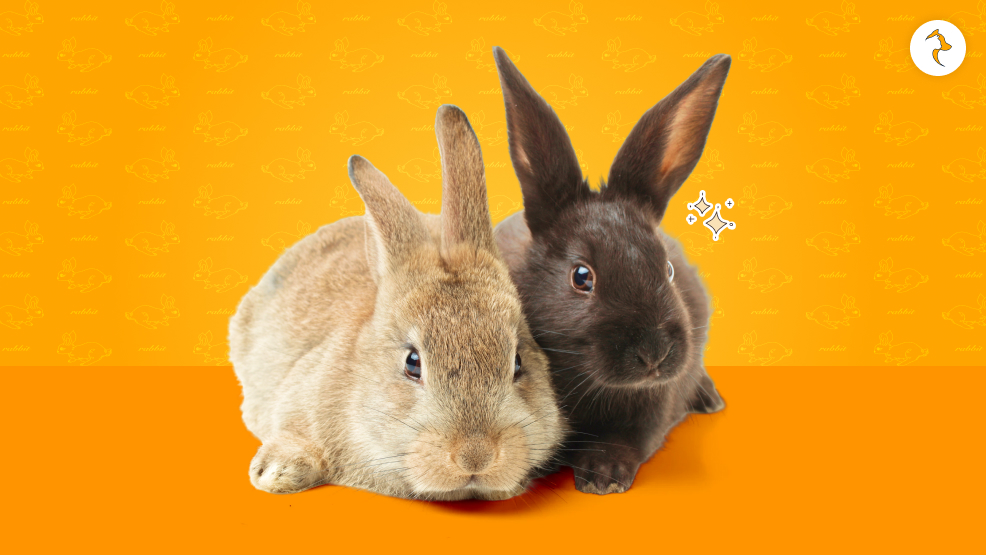
So far, we have learned about the best rabbit breeds for kids. However, readers of The Pet’s magazine should also know which breeds are not really good around kids. Here are some of the breeds that are not really great around children.
1. Why Netherland Dwarfs Are Not For Toddlers?
The Netherlands Dwarves have a skittish nature and a Napoleon complex. Thus, they often forget about their size and are known for throwing hissy fits. They can nibble or scratch the toddlers. They do not like to be handled much. The rabbits often overestimate themselves, and hence they nibble or scratch people around.
2. English Spots & Checkered Giants
Parents should avoid introducing energetic rabbit breeds like English Spots and Checkered Giants to their kids. Furthermore, it is challenging to contain the hyperactivity in these rabbits. The children can easily get hurt while handling the rabbits like these, which are very energetic.
These rabbits also tend to be very large in size. Thus, this increases the chances of accidental injuries caused by sudden movements.
Critical Safety Guide For Children Handling Rabbits
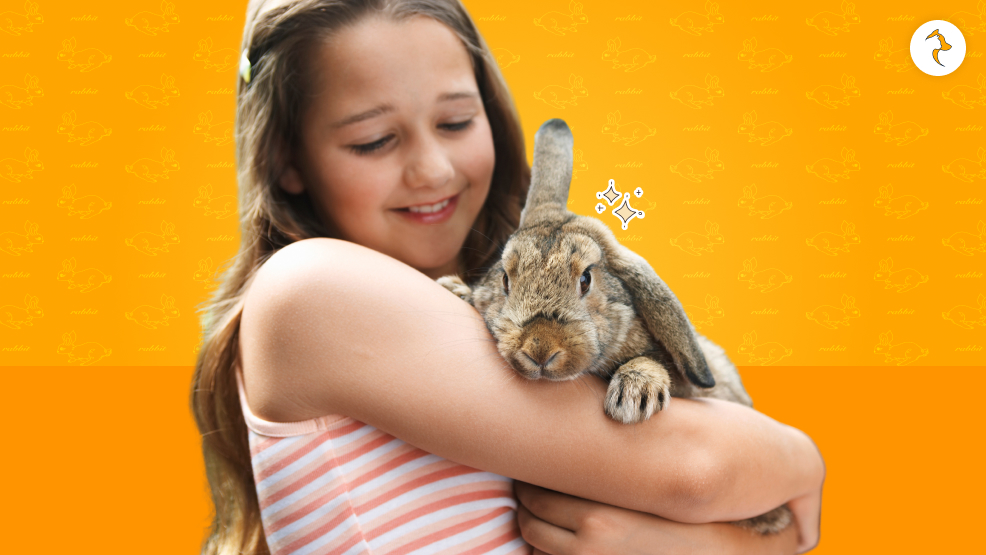
While we are learning about the best rabbit breeds for kids, we should not forget that rabbits are one of the most fragile creatures. Thus, children should also be taught to handle the rabbits properly.
1. The Kids Should Never Pick The Rabbits In Their Hand
Improper lifting by the kids can often cause problems like Spine injury in the rabbits. The spine injury can also cause paralysis. Hence, this can turn out to be fatal. The rabbits often kick suddenly when they get coercively touched. Thus, this can fracture their delicate spine and can also turn out to be fatal for them.
2. The Importance Of Understanding The Body Language Of The Bunny
Children often lack the basic understanding of bunny body language. Moreover, Bunnies generally convey most of the things through subtle things. For example, a thump reverses to a strong warning signal. This usually suggests that the bunny is irritated and is warning the handler.
The rabbits often freeze. However, freezing does not refer to the fact that the rabbit is comfortable. Moreover, this mainly means that the rabbit is frightened, and hence it is hoping for the threat to pass.
What Are The Things That You Should Keep In Mind While Searching For The Best Rabbit Breeds For Kids?

People should think twice before bringing a rabbit into a home with children. Parents should never take impulsive decisions in this situation. The House Rabbit Society explains that rabbits are ground-loving animals. As a result, being picked up often frightens them.
Thus, this fear can quickly lead to stress and defensive behavior. Moreover, the risk is higher with baby rabbits, since their personalities can change significantly during puberty.
People should also think twice before choosing a breed based on appearance alone. Exotic veterinarians such as Dr Molly Varga warn that flat-faced breeds, including Netherland Dwarfs, are prone to chronic dental disease.
In addition, blocked tear ducts are common in these rabbits. Over time, these conditions often require lifelong care and repeated veterinary visits.
People should think twice before assuming that rabbits enjoy being handled. The American Veterinary Medical Association explains that rabbits are prey animals.
Therefore, being lifted can trigger a panic attack. When frightened, rabbits may kick violently.
Hence, this can cause severe spinal injuries to the rabbit and accidental injuries to children. The rabbits are social animals. Hence, they enjoy the company of other rabbits.
Finally, people should think twice before keeping a rabbit alone.
Frequently Asked Questions (FAQs)
Here are the answers to some of the most commonly asked questions about the best rabbit breeds for kids.
Rabbits often bite when they feel scared due to rough handling. In most cases, however, this is a fear response rather than aggression.
Generally, no. While it may seem convenient, rabbits need quiet, well-ventilated spaces, and children’s bedrooms are often noisy and stressful for them.
On average, a rabbit costs $50 to $100 per month. Typically, this includes food, bedding, and routine care, but it does not cover emergency vet visits.
The Himalayan Rabbit, the Dutch Rabbit, and the Flemish Giants are some of the most gentle rabbits.
They are the best rabbit breeds for kids. The gentle nature of rabbits comes from their temperament.
Multiple pet rabbits can be ideal for your household. The Himalayan Rabbits, the Flemish Giants, and others are among the larger breeds. On the other hand, Holand Lops and others are some of the smaller breeds.
The Himalayan Rabbits tend to bite less. Thus, they are one of the best rabbit breeds for kids. They tend to have a very gentle temperament.
Share






Leave A Comment