
Dog Bite Injection: Essential Shots, Timing & What You Should Know

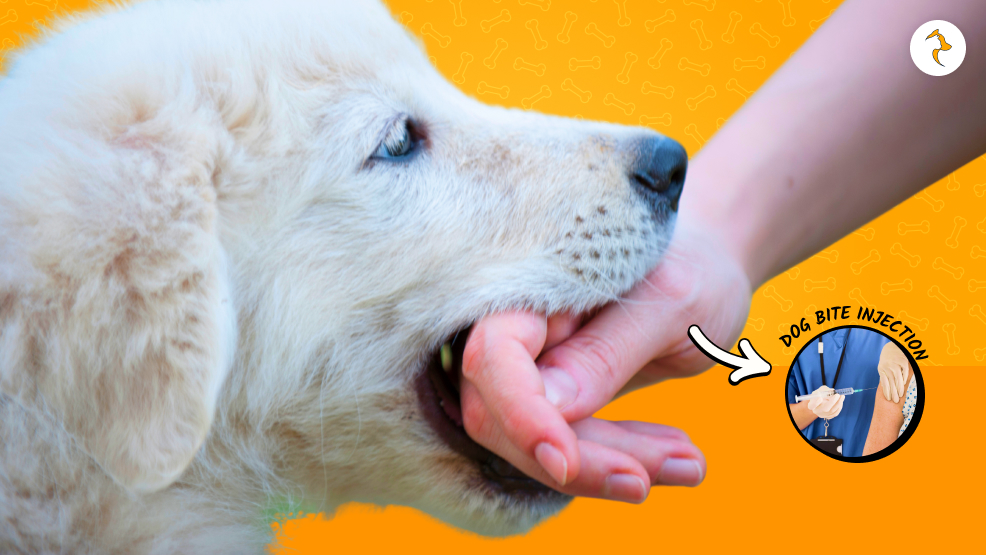
If you are thinking of getting a dog, you need to know about dog bite injection. This is something very basic that can help you if you are ever bitten. No matter if you are getting one, there can be instances where you can get bitten by a stray.
Dog bites are a lot more frequent than you think. Millions of people get bitten by dogs in a year. Apart from soreness, inflammation, and tenderness, dog bites can cause various health problems, such as psychological disorders and even rabies, which can pose significant risks.
You must know what to do next, as not doing so can have serious consequences, such as contracting rabies. Moreover, it is necessary to act on it quickly after you have been bitten. This injection protects your health and prevents any further risks.
Dog Bite Categories: Why Are Injections Needed After A Dog Bite?
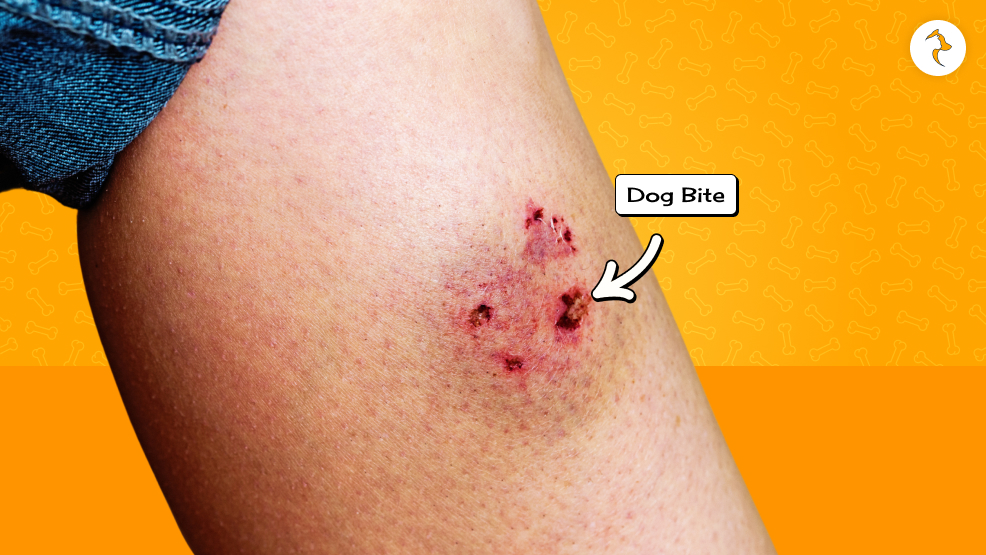
A dog bite might seem minor, but it poses significant risks. Their saliva contains a bacterium that can cause infections. Even though rabies is rare in some regions, it is almost always fatal once there are symptoms. You need to take quick action after a dog bites you.
However, there are several categories of dog bites:
- There is no skin breakage or only minor contact, such as licking. This is where you do not require any treatment.
- Minor bites or superficial wounds without bleeding. This is where you need immediate vaccination.
- However, if you have deep wounds with multiple bites and bleeding, you will need rabies immunoglobulin or RIG. You will have to follow a complete dog bite injection schedule and take good care of the wound.
What to Do Immediately After a Dog Bite?
The immediate steps you take after the incident, or the first aid you take, play a very important role in reducing the risk of infections before you go for professional medical care. Here is how you should take care immediately.
- Clear the wound immediately: Take clean water and soap to wash the area where you have been bitten for almost ten minutes. This will clean the bacteria, dirt, or saliva.
- Disinfect the area: Use an iodine solution to clean the wound, which will help prevent bacterial growth if the wound is deep.
- Stop the bleeding: If you have a bleeding wound, take a clean piece of cloth and press the area gently to stop the bleeding.
- Put on a bandage: Keep a sterile dressing on the wound to protect it from bacteria.
- Visit the doctor: Start your vaccination process immediately.
Step-By-Step Treatment Plan
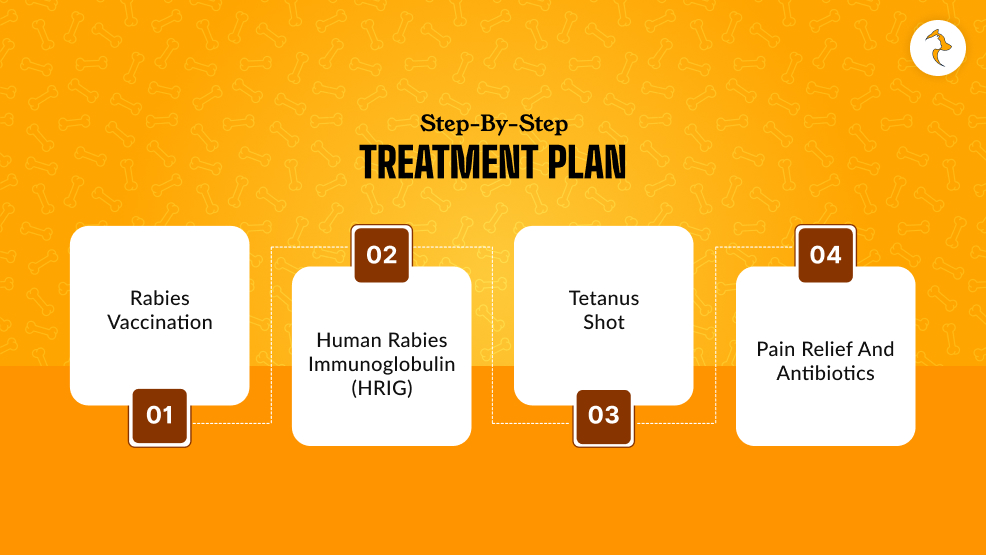
After you visit a doctor, they will check the severity of the wound. If the dog is a pet, the doctor will check their vaccination history if it is available, and then think of the necessary treatment plan.
If the rabies status of the dog is unknown, they will immediately initiate the treatment for rabies. Moreover, the doctor will also ask for your tetanus vaccination history.
1. Rabies Vaccination
Rabies vaccination is important to prevent the fatal animal bite infection. This vaccine is given in multiple doses while maintaining a specific schedule.
2. Human Rabies Immunoglobulin (HRIG)
If you have a category 3 bite, with multiple wounds and bleeding, then you will need HRIG injected directly into the wound and around the wound. This will provide you with immediate protection the moment the vaccine starts to work.
3. Tetanus Shot
Dog bites can also infect you with the tetanus bacteria, and if you have not had a tetanus vaccination in the last five years for a dog bite, then you will need one immediately.
4. Pain Relief And Antibiotics
In certain cases, doctors recommend and prescribe antibiotics to protect you from bacterial infections. It also helps in managing discomfort.
Rabies Treatment Injections
Rabies injection is an active immunizing agent that is used to protect you from infection caused by the rabies virus. The vaccine causes your body to prepare its own protection against the rabies virus. The rabies vaccine is used in two different ways.
- The rabies vaccine is given to people who have been exposed to a dog that is known and is believed to have rabies. This is known as post-exposure prophylaxis.
- Moreover, the rabies vaccine is also administered ahead of time to people who are at a high risk of getting infected with the virus. For instance, veterinarians or travelers who are traveling to countries with a high rate of rabies infection. This is known as pre-exposure prophylaxis.
HRIG, or human rabies immune globulin, is prepared from donors hyperimmunized with rabies vaccine.
This is applied to and around the bite wound, providing immediate passive protection until the body starts developing antibodies on its own. Here is a schedule that most doctors follow.
| Day | Action |
|---|---|
| 0 | First dose of vaccine and HRIG |
| 3 | Second dose |
| 7 | Third dose |
| 14 | Fourth dose |
| 28 | Fifth dose (not always necessary) |
Follow-Up, Prevention, And Documentation
You need to maintain the follow-up dates. You must remember the dates and not miss any of them. Moreover, you need to contact your care team if you cannot keep an appointment. You will need proper vaccine doses to get adequate protection.
Also, remember that a few things might interact with the medication. Those are:
- Antimalarial medication
- Immune globulins
- Cancer medicines
- Some medicines for arthritis
- Infliximab
- Etanercept
- Medicines for organ transplant
- Steroids like cortisone or prednisone
- Other vaccines
Well, these are not all. Various other things might react with these injections. So, give your healthcare provider a list of all your medicines, herbs, and non-prescription drugs or supplements you take.
Moreover, let them know if you drink, smoke, or use any illegal substance. There is a chance that any of these things can interact.
Are There Any Side Effects?
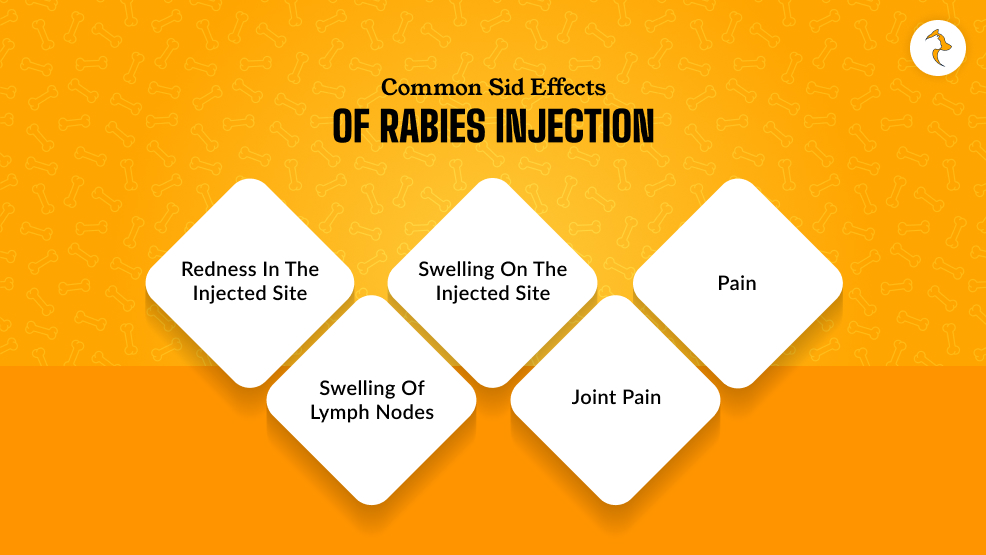
Well, there are some side effects of rabies injection, but not all of those need medical attention. They go away on their own as the body adjusts to the medicine. However, consult your doctor if the symptoms do not go away on their own.
Some of the common side effects are:
- Redness in the injected site
- Swelling on the injected site
- Pain
- Swelling of lymph nodes
- Joint pain
Special Considerations
There are instances when a person might need extra care and supervision. Here are some of those mentioned.
- During pregnancy: It is considered safe to give a rabies injection to a pregnant person. Moreover, it is believed that the infusion has almost no adverse effects on the growing baby. However, it is best to consult your doctor before you try anything.
- Breastfeeding: It is considered safe to administer the injection to a person who is breastfeeding. There is a very limited study, and going by the data, the drug does not pose any risk to the baby.
- Children: Rabies injection is safe for children, and it is licensed for all ages. However, if you notice any adverse effects, consult your pediatrician immediately.
- Other diseases: If you are suffering from kidney disease or liver issues, consult your doctor before administering it.
Cost And Global Differences
The cost of a dog bite injection depends on various factors, such as the severity of the bite and whether HRIG will be required. Some government institutions often provide free or subsidized treatment, whereas private clinics may charge higher fees.
The availability and cost of rabies post-exposure prophylaxis vary across the globe, especially between developing countries, where the disease is endemic, and developed countries, where rabies prevalence is low.
Frequently Asked Questions (FAQs)
Here are some common questions people ask when discussing dog bite injection.
No, not all dog bites need the rabies vaccine. However, you will need immediate medical attention because once the symptoms appear, it is almost always fatal.
You must know the time window for the rabies vaccine to be effective after exposure to a bite. Ideally, you need to get the injection within 24 hours, but if you are unable to do so, you have to get it within 72 hours.
If you are severely exposed to a dig bite, especially if the bite or scratch is deep, you need an immunoglobulin (RIG). It provides passive and immediate protection against the rabies virus.
4. Does Insurance Or Public Health Cover These Injections?
Yes, both public health and insurance cover rabies vaccination, though coverage varies. The majority of health insurance plans cover rabies treatment as part of medical emergencies or preventive care.
Yes, a small scratch or lick from an animal that is infected can transmit rabies. However, bites are the most common method. Rabies spreads through infected saliva, and most often enters the body through the mucous membrane or broken skin.
It is risky to delay the first rabies shot, but you must get the vaccine and complete the full series, as long as you don’t develop symptoms. It is urgent to get the treatment done, and it is urgent because of the 100% fatality rate of rabies when the symptoms appear.
Share









Leave A Comment