
A Complete Care Guide For Clown Fish

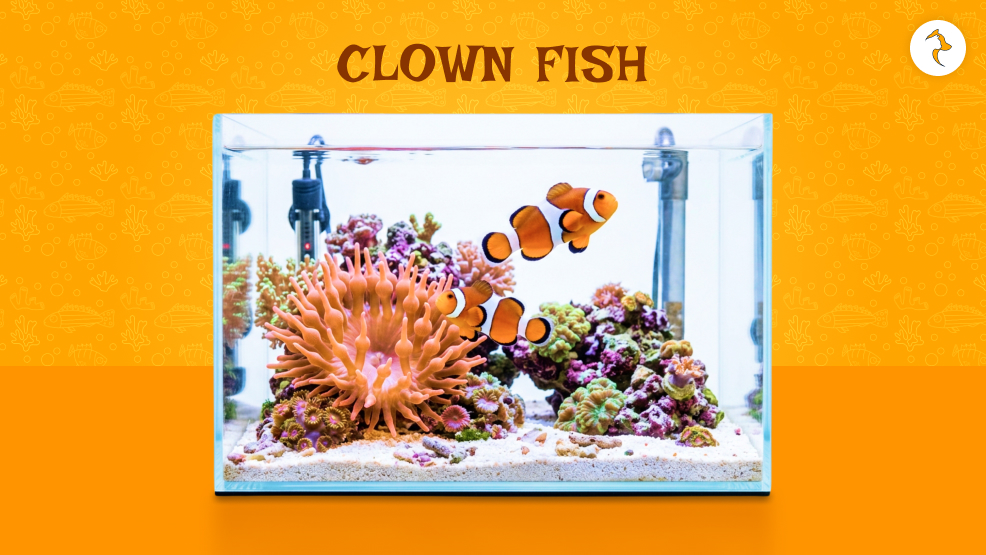
We all know the clown fish is the dream fish of every kid. The clownfish holds a very special place in the hearts of every hobbyist since we watched our favorite Disney character, Nemo.
For most hobbyists, this is one of the first options when they are ready to step into saltwater aquarium keeping, along with freshwater fishkeeping.
The movie’s popularity makes this fascinating fish the first choice for every individual in the hobby. Moreover, every aspect of this fish remains fascinating.
This includes the single-gender species of clownfish, its symbiotic relationship with sea anemones, and several others. Moreover, all these factors generally blow people’s minds.
What Should We Know About The Clown Fish?
There are nearly 30 species of Clown Fish in nature. Of all these species, two are the most popular. Hobbyists commonly call them the orange clownfish.
The scientific names of the two types of orange clown fish are Amphiprion Percula and Amphiprion Ocellaris.
1. The Main Features Of Clownfish: Gender, Color…
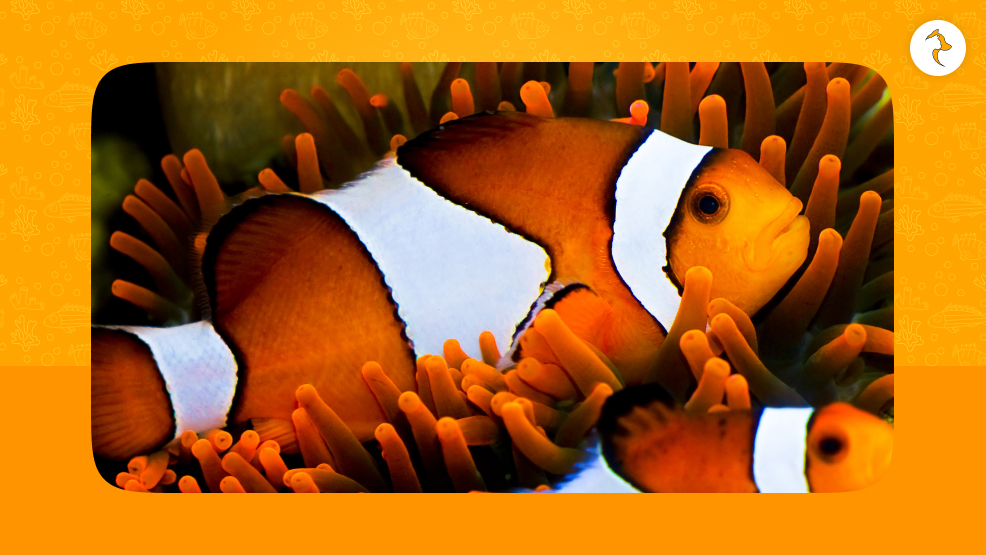
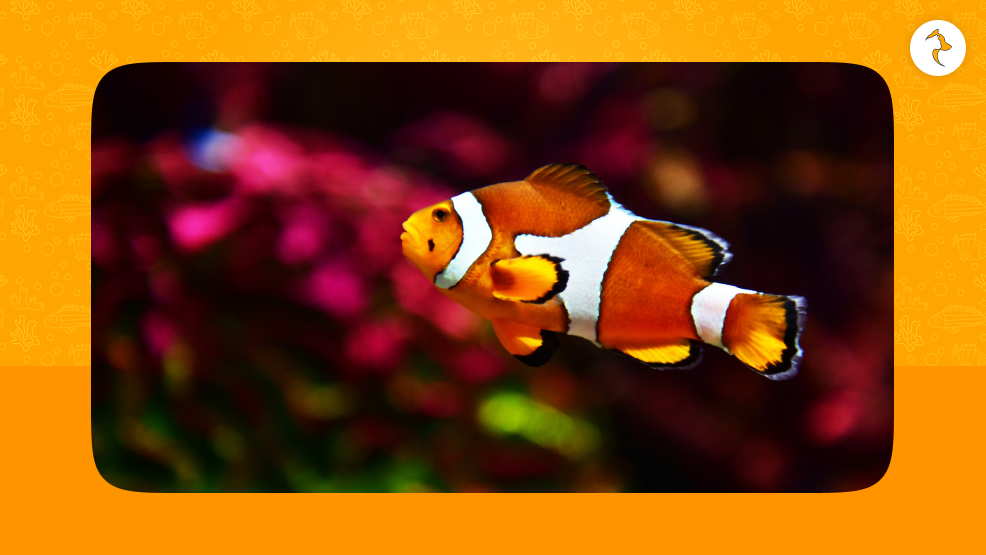
The Percula Clownfish has an orange body with bright white bands. Moreover, these things give them a unique look. In addition, the white bands have a distinct black outline.
All clown fish are, by default, born as males. However, when they mature, the dominant individual becomes female after pairing with another clownfish.
Then the female clown fish lays eggs. Thus, both parents try to protect their eggs until they hatch properly.
2. What Is Clownfish And Sea And Anemone Symbiotic Relation?
Often, people refer to these fish as anemonefish, as they have a symbiotic relationship with the sea anemones.
The Clownfish nests in the tentacles of a sea anemone. The stinging tentacles of the anemone protect the clownfish from all the predators.
However, the clownfish does not get stung by the anemone’s tentacles. A mucous coating protects the clownfish from the stinging tentacles of an anemone.
In return, the anemone benefits from the presence of the clownfish. The anemone feeds on the leftovers from the meals that the Clownfish brings. In addition, the clownfish also keeps the anemone clean.
3. What Is The Natural Habitat Of The Clown Fish?
The Clownfish are generally found in the warmer waters. Hence, clownfish generally live in regions like the Red Sea and the Pacific Ocean.
They generally live in sheltered reefs and lagoons, where anemones are common. These fish generally eat algae and other small invertebrates.
What Should Be The Water Parameters Needed For Clownfish?
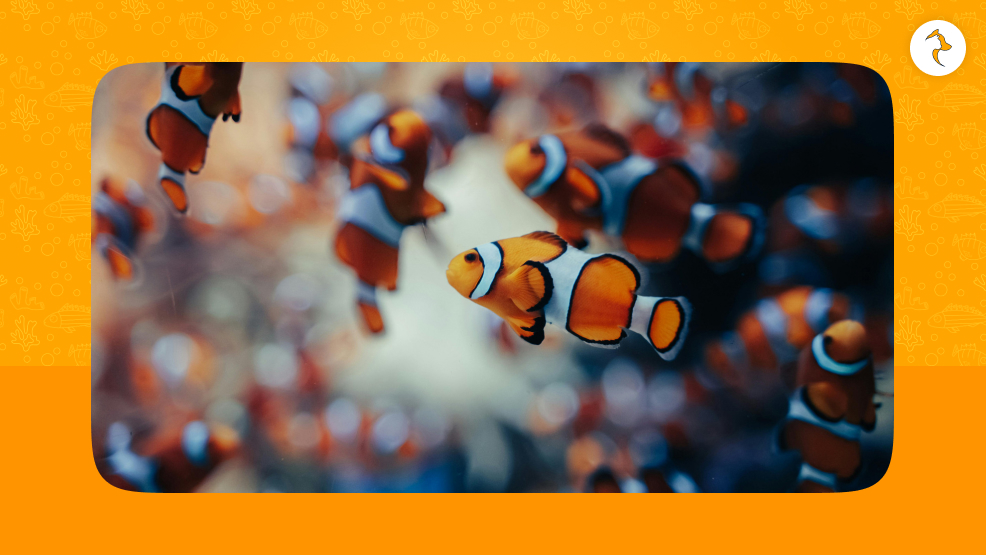
The clownfish is basically a beginner’s level fish. Thus, caring for it is fairly easier than caring for the other saltwater fish.
Hence, here is all that you need to know about taking care of a Clownfish.
1. Clownfish Lifespan And Size
A clownfish in captivity can live for more than two decades when you care for it properly. They typically grow up to 6 inches in size. However, size largely depends on the fish species.
Hence, you should understand that it is a commitment for more than 20 years. Hence, you have to take care of the fish accordingly.
2. What Are The Water Parameters For A Clownfish?
The clownfish comes from warmer climatic conditions. Hence, you should keep the fish in fairly warm water. Set the temperature of the tank to at least 70-80 F.
On the other hand, the pH should be around 7.8 to 8.4. The tank should also have a specific gravity of 1.020-1.025
3. Housing And Aquarium Setup Of Clown Fish?
The clown fish’s size varies by species. However, you should use a tank of at least 29 gallons, depending on the size and species of the fish.
The tank should have adequate lava rock to maintain a balanced bacterial population in the water. You should also add an anemone to the tank. This will keep the fish happy.
Adding a protein skimmer is not mandatory for a clownfish tank with one or two fish. However, adding a skimmer helps remove biohazards.
Moreover, this helps keep the parameters under control and provides proper comfort for the Clownfish.
Also, add decor to the setup with hiding places. Use high-quality aquarium salt. Always keep a water test kit handy. This will allow you to run quick water tests for your aquarium.
The clownfish thrives when they are kept with an anemone. Thus, you should add a high-quality full-spectrum light to ensure the anemone’s proper health.
You should have a proper heater to maintain the water temperature. Add a thermometer to continuously monitor the fish tank temperature.
Use a refractometer to efficiently monitor the water’s density. The water’s salinity should be properly maintained.
The best substrate for a clownfish tank is aragonite-based sand. A thick 1-2-inch layer helps properly process nutrients.
4. What Is The Dietary Habits Of A Clown Fish?
The clown is omnivorous in nature. Thus, they require a mixed nutrition. You should provide clown fish with animal protein as well as nutrition from algae.
Hence, you should provide your clown fish with high-quality frozen food, flake food, and pellets. The fish should be fed 2-3 times every day in small portions.
Moreover, this ensures proper nutrition, growth, and vibrant colors in the Clownfish.
Things To Remember Before Keeping Clownfish
Clownfish are great for beginners. This is the best fish if you are willing to start keeping saltwater fish alongside freshwater ones.
This fish is strong, sturdy, and low-maintenance. However, saltwater aquariums require a little more maintenance than freshwater aquariums.
Frequently Asked Questions (FAQs)
Here are the answers to some of the most commonly asked questions about Clownfish.
Clownfish have an orange body with bright white bands. Moreover, these things give them a unique look. In addition, the white bands have a distinct black outline.
The Clownfish generally grows up to six inches. Hence, they are one of the smallest saltwater fish. You can keep clown fish in an aquarium that is larger than 20 gallons.
All clownfish are born as males only. However, eventually they get into pairs. Hence, the dominant Clownfish becomes female.
Then the dominant clownfish lays eggs, and both parents protect the eggs.
Share






Leave A Comment