
What Are The Main Symptoms Of Dog Hyperventilation?

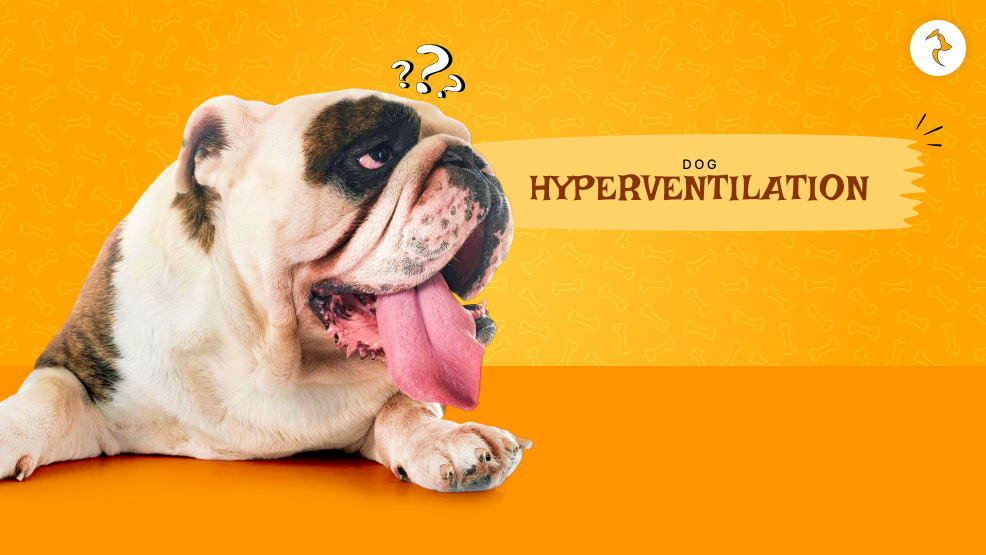
Dog hyperventilation means your dog is breathing fast and struggling to catch his breath.
Therefore, the dog can breathe faster and faster, and it might feel like he is having breathing distress.
Additionally, drooling and unusual tiredness can come to your notice in this condition. The gums, lips, or inner cheeks look pale or blue.
However, in most cases, the dog collapses suddenly. If this happens, it is a very serious situation, and you need veterinary attention immediately.
Otherwise, it might lead to some major heart issues or life-threatening problems. In this article, we will learn everything about dog hyperventilating.
What Other Signs Can Your Dog’s Hyperventilation Be Associated With?
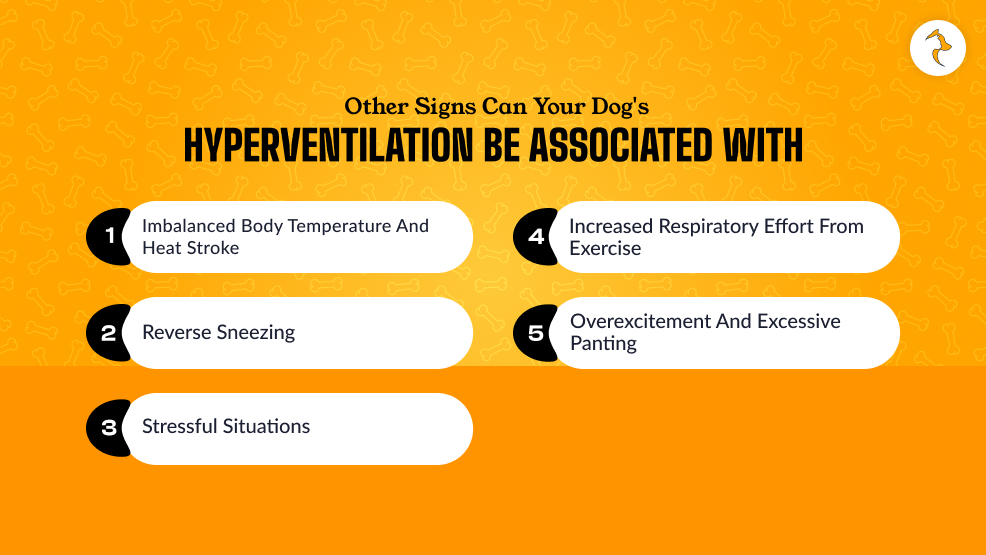
Hyperventilation in dogs is not only an emergency by itself. It can also give hints to other health issues. For instance, it can happen during sunstroke or reverse sneezing.
Sometimes stress or excessive excitement can cause hyperventilation. Therefore, always watch your dog carefully and contact a veterinarian if needed.
1. Imbalanced Body Temperature And Heat Stroke
In the summer, dogs can easily get sunburns. Therefore, hyperventilation might appear as if it is an early warning sign.
Dogs cannot sweat like humans, so by panting, they cool themselves. Additionally, they release heat through their paw pads slowly.
However, in the hot summer days, following these methods to cool down is less effective. As a result, this dog faces a very high risk of overheating. You will notice red gums, heavy drooling, and serious breathing difficulty.
Sometimes, their body temperature can go up to 106°F, which is considered very dangerous to them. At that stage, dogs cannot cool their bodies properly. Consequently, seizures or even death may occur without quick treatment.
Therefore, you need to contact the veterinarian as fast as you can if your dog has already started hyperventilating.
Veterinarians can apply alcohol to the ears of the dog or sometimes to their paws to lower their body temperature. They can be given cool IV fluids to decrease their body temperature safely.
In most cases, artificial ventilation or breathing tubes can be needed. So all you need to do is keep an eye on your dog carefully and take action before the symptoms become worse.
2. Reverse Sneezing
A usual reason for dog hyperventilation is reverse sneezing, which is also called paroxysmal respiration. Under those conditions, dogs start snorting and sucking at the same time and breathe very quickly.
This happens because of irritants like pollen, dust, or nasal mites. This dog breathes very fast and quickly until the irritant clears properly.
Therefore, it sounds like a serious breathing problem, but most of the time it is not. Dogs have narrow nasal passages, which causes them to experience reverse sneezing more often.
However, this type of condition usually stops without medical treatment. Meanwhile, you can gently pet or comfort your dog at the time of the episode. Eventually, natural breathing returns once the irritation passes.
3. Stressful Situations
A situation that is very stressful and also leads to some breathing difficulties and hyperventilation in dogs. When the dog feels anxious, their heart rate immediately increases.
As a result, blood moves faster than the body in a large amount. Common causes include separation anxiety and loud noises like fireworks.
Therefore, you need to try to remove the source of the stress whenever and as fast as you can. This will help you lower a dog’s anxiety and improve its breathing comfort.
4. Increased Respiratory Effort From Exercise
Dogs breathe heavily after playing too much or doing exercises. At the time of running, chasing, or tug-of-war, a dog’s body needs some extra oxygen to generate energy.
Therefore, they breathe faster to support their body while doing that activity at that time. However, breathing fast for a long time can cause danger issues.
So, notice your dog properly while they are at their play sessions. If breathing seems difficult to them, you need to stop that activity immediately and let your dog rest.
5. Overexcitement And Excessive Panting
Heavy breathing problems happen to your dog when he feels very excited. For instance, a favorite food, new toys, or your return can greatly uplift his mood and excitement.
Usually, this type of breathing is not considered a medical problem. But don’t take a chance.
Repeated hyperventilation after excitement might hint at a hidden issue. Therefore, talk to a veterinarian to understand your dog’s health problems.
Medical Issues To Consider When A Dog Is Hyperventilating
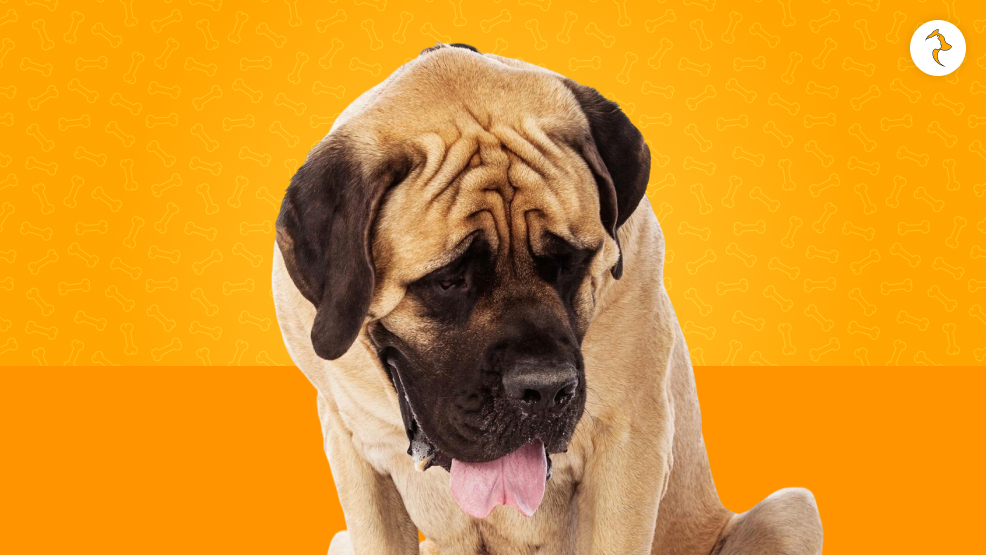
With the common causes, serious diseases can also lead to hyperventilation in dogs.
Laryngeal paralysis can cause difficulty breathing due to the failure of the nerves that control respiration in the throat. Consequently, some dogs, especially older ones, tend to take shallow breaths.
Cushing’s Disease increases cortisol levels in the body and can cause increased appetite, increased thirst, hair loss, and weakness. Dogs with hypertension will also exhibit hyperventilation as a sign of potential health problems.
Then, metabolic acidosis occurs when the body’s pH is maintained due to organ damage or poisoning. As a result, dogs can vomit, become tired easily, have nausea, and breathe very fast.
Sometimes allergies can cause anaphylactic shock, which causes sudden breathing difficulty. Therefore, seek immediate veterinary care in this case of emergency.
Finally, kennel cough is a contagious infection that causes a dry cough, fever, and tiredness.
Hence, this early testing will help you to find out the cause of the problem, which would be very helpful to start the proper treatment as soon as possible.
A Healthy Dog Equals A Happy Dog
Hyperventilation is a symptom, not a disease in itself. Therefore, owners of dogs should learn how to prevent it early, when their pets are having breathing difficulties.
The knowledge will help them to protect their dogs from serious health risks. Moreover, Volhard Dog Nutrition offers online consultations with expert nutritionists.
These experts explain what healthy food is and how it supports both the body and the mind. So consulting with a nutritionist helps you to choose a better diet for your dog.
Share








Leave A Comment