
Can Dogs Get Concussions? What Are The Symptoms, Prevention And Treatments?

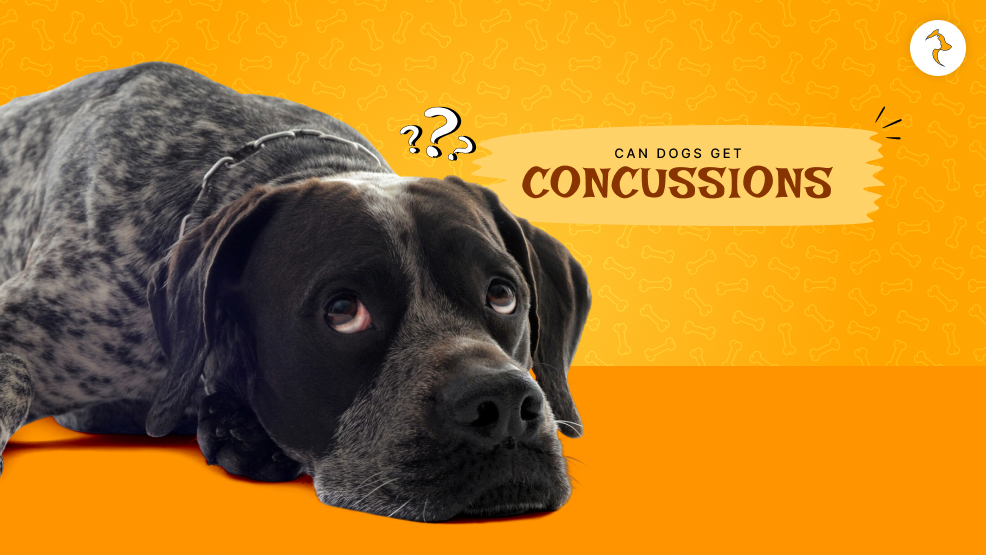
Can dogs get concussions? Yes, they can, and dogs usually have concussions when they sustain a serious head injury.
The symptoms of concussions can vary based on the severity of the brain injury, and the symptoms can include unusual eye movements, disorientation, loss of balance, and a change in your dog’s behavior.
Moreover, if the concussions are severe, the dog will become lethargic.
Now, a concussion can cause long-term damage to the dog, and that is why, as a pet-parent, you need to learn about the symptoms, prevention, and treatments of a concussion.
What Are Concussions In Dogs? How Do Concussions Happen?
A concussion in a dog means TBI or traumatic brain injury. Furthermore, a dog can have this injury due to any accident, fall, or any jolt or blow to the head.
When a concussion happens, it impacts the normal brain functions of a dog temporarily.
However, if concussions are not treated on time, they can cause severe brain damage in the long run.
What Are Signs Of Concussions In A Dog?
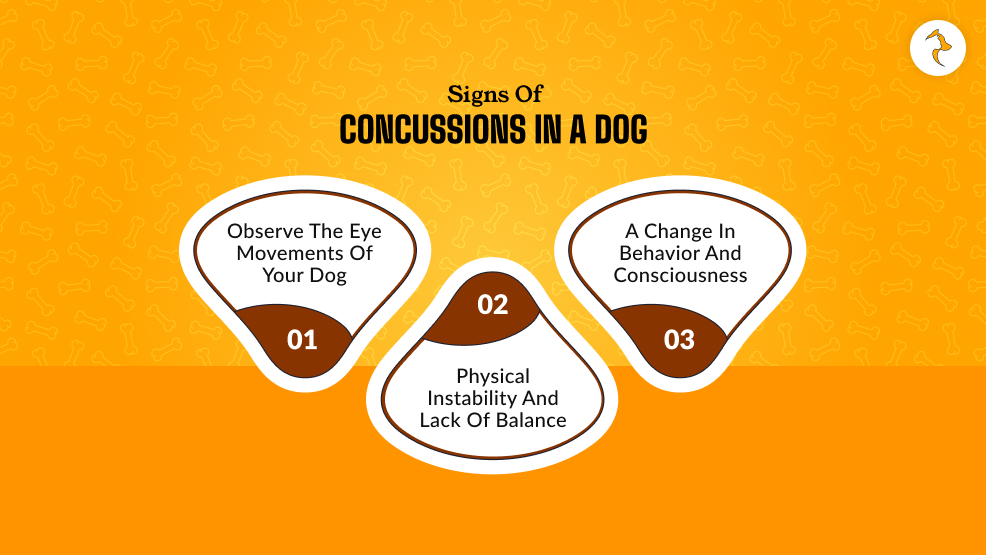
The signs of concussions in a dog include throwing up. Furthermore, you can notice your dog drooling or having difficulties walking.
Moreover, they are likely to have swollen eyes and unusual eye movements. So, here are more details.
1. Observe The Eye Movements Of Your Dog
Furthermore, they can have swollen eyes due to concussions.
Moreover, the pupils of the dog can become dilated when there is a traumatic brain injury or concussion.
Again, the pupils can become unresponsive to light. All these symptoms show how pressure is building up on the brain stem.
In addition, there can be involuntary eye movements or nystagmus.
Now, when the eyes show signs of concussions, the dog needs immediate medical attention.
2. Physical Instability And Lack Of Balance
Ataxia is one of the most immediate signs of concussions in a dog. It happens due to a lack of muscle coordination.
Then, you will see irregularities or difficulties in the movement of your dog.
They can stumble, lean to one side, or appear drunk while walking.
Furthermore, according to Dr. Jerry Klein, Chief Veterinary Officer for the AKC, problems such as a tilting head or loss of balance happen when the vestibular system of a dog is affected.
Now, if the impact of the concussion on the brain or vestibular system of your dog is temporary, they will regain their balance shortly.
Moreover, you may notice that your dog is shaking after a concussion. This shaking can be caused by neurological distress, pain, fear, and anxiety.
Once again, if your dog is shaking involuntarily and the shaking is severe, it indicates severe trauma.
3. A Change In Behavior And Consciousness
When a dog has a severe concussion, they undergo a major personality change.
You may notice the most active dog becoming lethargic. They may not even respond to their names or become very cranky.
Along with a behavior change, these signs also indicate a change in the level of consciousness in your dog.
And consciousness, or the lack of it, is a significant indicator of brain trauma.
Brain trauma can even lead to a range of other complications, from mild depression to complete coma.
So, if you are suspicious that your dog may have encountered a head injury and they are showing any of these signs, you must immediately rush them to a veterinary clinic.
How To Protect Your Dog From Concussions? Preventive Measures

It is much easier to prevent a concussion than to manage the recovery from it due to the potential for damage to the brain.
As a result, the best way to begin ensuring your dog’s safety is by providing safe environments for play and supervision while playing.
1. Household And Vehicle Safety
To prevent an injury from occurring in the home, ensure that there is stability in any high-top furniture in your home.
You must also block off stairs when appropriate for either puppies or older dogs that may have trouble coordinating their movements.
Moreover, when your dog is travelling in a vehicle, ensure that he does not hang his head out of the window or ride in the bed of the truck.
Sudden stops or minor collisions can also create enough force for your dog’s head to hit the truck’s frame.
Using a crash test harness or secured crate can help reduce movement while travelling.
Outdoor Safety
When your dog is outside, you must keep them on a leash near roadways and construction areas.
High velocity impacts from automobiles are one of the most common ways dogs sustain severe TBIs (TBI).
If you have multiple dogs, you will want to monitor the way they play together during playtime.
Large or aggressive dogs can run over smaller dogs when they are all playing together. When this happens, the smaller dog can suffer significant injuries.
Professional Training
Having a reliable recall is an important safety feature of your dog’s health.
The better your dog is able to stop when called, the less likely they will run into danger, such as into a busy street or fall off the edge of a steep rock.
By incorporating safe physical methods (leash or collar) with behavior training, you will have established a comprehensive safety net for your dog’s neurological well-being.
What Are The Treatments And Post-Treatment Care For Concussions In Dogs?
The treatment for concussions in dogs focuses on stabilizing the brain and preventing secondary injury.
Furthermore, when a dog has concussions, they need immediate medical attention.
1. Clinical Stabilization
First, a vet focuses on maintaining adequate oxygen flow to the brain of the injured dog.
Furthermore, veterinarians may administer intravenous fluids to maintain blood pressure and provide supplemental oxygen.
Moreover, to reduce intracranial pressure and brain swelling, doctors use hypertonic saline or mannitol.
2. Supportive Care And Monitoring
Supportive care means the post-treatment measures to be taken for the complete recovery of the dog.
You have to ensure the brain rest of the dog, and that means eliminating exercises or physical activities from the schedule of the dog for several weeks.
Furthermore, you have to ensure and maintain an elevated head positioning of the dog, in which the head will be kept at a 30-degree angle to support drainage.
Moreover, observe if the dog is becoming more lethargic or if there are delayed seizures.
Share






Leave A Comment