
Signs Of Diabetes In Cats: Types, Signs, Diagnosis & Treatment

Diabetes or diabetes mellitus is a serious disease that affects the endocrine system. It not only affects people but also affects cats. You have to take good care of them and maintain their diet.
The endocrine system either cannot produce enough insulin that the body needs or cannot use the insulin that is produced. As a pet parent, you have to be very careful and always be aware of the signs, so that you know when to contact a veterinarian.
So, let’s discuss the different types of diabetes that can affect your cat, and what the most common signs of diabetes in cats are that you should look out for.
What Is Diabetes In Cats?
Diabetes is common in cats, and one in a 100 cats develops diabetes in their life. It is more common in cats that weigh more than 9 pounds. Diabetes can be directly linked with obesity and overweight cats.
Here is everything you need to know about cat diabetes. Let’s start with the different types that affect them.
Types Of Diabetes In Cats
Similar to diabetes in humans, diabetes in cats has different symptoms. The types are:
- Type I: This is also known as insulin-deficient diabetes. Here, the pancreas cannot produce the amount of insulin the body requires, and it is not very common in cats.
- Type II: This kind is also known as non-insulin-dependent or insulin-resistant diabetes. This is common in cats. This is when the pancreas might produce an adequate level, but the tissues struggle to utilize it for glucose metabolism.
Signs Of Diabetes In Cats
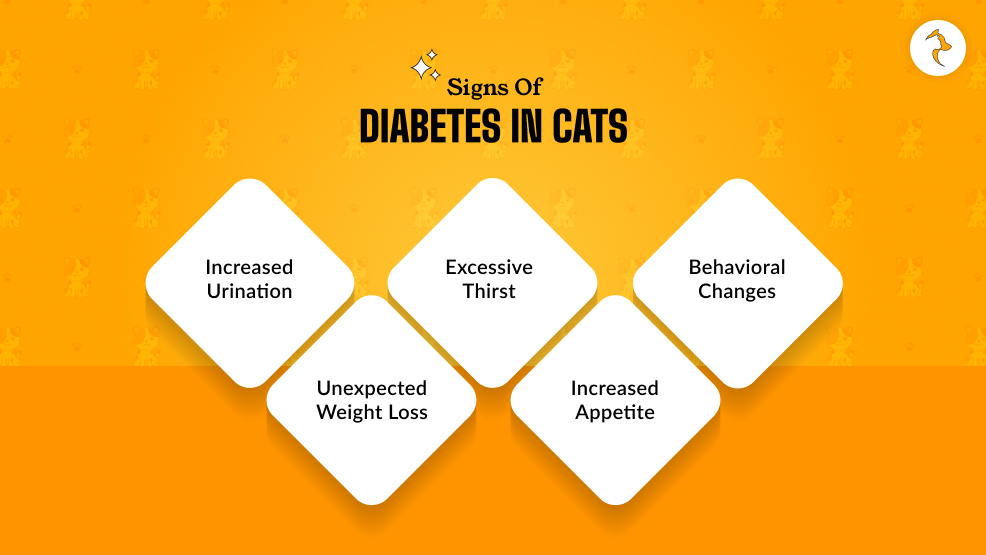
It is necessary for pet parents to be aware of the symptoms of diabetes in cats. This will help you contact a vet in time. Here are some of the common signs of diabetes that you should know about.
1. Increased Urination
Frequent urination is one of the most common signs of diabetes in cats. If you use cat litter, you need to check out their litter box for larger clumps than usual. This could be a sign of increased urination.
Moreover, you might notice them urinating outside the box if they have unregulated or untreated diabetes.
2. Unexpected Weight Loss
Weight loss is another sign of diabetes in cats. You will notice them losing weight even though they have increased their food intake.
As there is poor glucose uptake in their cells, their body turns to alternative energy sources, burning muscles and fats, which helps lose weight.
3. Excessive Thirst
Urinating more will make a cat thirstier, and you will notice them spending more time at their water bowl. Also, the signs, like more urination and more thirst, are clinically referred to as polyuria and polydipsia.
4. Increased Appetite
Cats are always waiting for an opportunity to get a treat, but diabetic cats will beg for it. A diabetic cat cannot send glucose to their cells.
These energy-starved cells send a signal to the brain that they are hungry and want more food. This hunger is more common in diabetic cats and is known as polyphagia.
5. Behavioral Changes
Cats with unregulated and undiagnosed diabetes often get irritated or even aggressive. They do not feel like themselves as their blood sugar level keeps fluctuating. Also, if your cat used to be playful and energetic, you will see them disinterested and lethargic.
Some of the other common signs that you will notice in a diabetic cat are:
- Poor coat quality
- Muscle wasting
How To Diagnose Diabetes In Cats?
Vets diagnose diabetes in cats from a combination of signs and symptoms that pet parents report, along with an increased glucose level in their urine and blood. They generally perform a urinalysis and a complete blood work.
A vet might use their blood sample to do a serum fructosamine. This will help a vet see whether their blood glucose rises over time, and not just when the test was done in the hospital.
What Are The Risk Factors Of Getting Diabetes?
An estimated number of 0.5 to 1% of cats suffer from diabetes, and the percentage is increasing every year. Any cat can develop diabetes in their lifetime, but some particular breeds, like the Burmese cat breed, have a higher risk of getting diabetes in their lifetime.
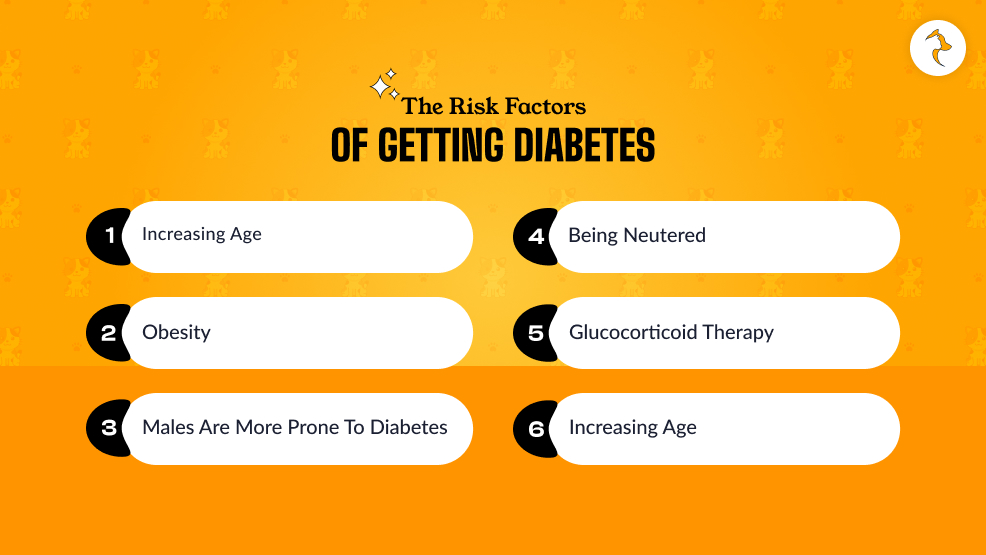
Diabetes is seen mostly in middle-aged cats who are obese. Some of the common risk factors for diabetes are:
- Increasing age
- Obesity
- Males are more prone to diabetes
- Being neutered
- Glucocorticoid therapy
- Increasing age
Also, cats with certain medical conditions like asthma, hyperthyroidism, and pancreatitis are at a higher risk of developing thyroid issues.
Treatment For Cat Diabetes
Diabetes can be identified from certain clinical signs that pet parents report, along with an increased level of glucose in a cat’s blood and urine. This is diagnosed with a urinalysis and full blood work.
But there is one unfortunate thing. There is no cure for cat diabetes. The treatment is a lifelong commitment and dedication from the family members. Moreover, as a pet parent, you have to be in continuous touch with the veterinarian.
During the time of diagnosis, you may need to hospitalize them for some days till their glucose level is controlled and they start to feel well enough to get back home. The main goal of the treatment is to:
- Reduce signs of excess urination and excess thirst.
- Get their blood glucose levels back to normal.
- Normalize their appetite and weight.
- Also, avoid inducing low glucose levels.
The vet will prepare a plan specifically for your cat’s needs. If there are some other diseases as well, they will recommend treatment for those.
Also, if you notice any signs of diabetes in cats, it is important that you consult a vet immediately and make the necessary lifestyle changes that your cat will need to maintain a healthy life.
You will have to start insulin and follow a diet plan that your vet will suggest. Also, in this case, the debate between wet vs dry cat food, wet food will win. It has low carbs and high protein.
Frequently Asked Questions
When discussing the signs of diabetes in cats, some common questions come up. People ask these questions to clarify things.
The cost of treatment includes an initial visit to the vets, getting the tests done, and being on the right dose of insulin. Initial vials will cost around $25-$100.
If you are taking care of a diabetic cat at home, you will have to monitor their glucose level as it is important for their glucose control in the long run.
The initial signs include increased urination and thirst, along with an increased appetite and weight loss without any particular reason. Moreover, you will also notice a change in their coat.
The symptoms of diabetes in female cats include increased appetite, with an increase in thirst and urination. Moreover, you will notice signs like dull coat, lethargy, and they will see them walking with their hind legs on the ground. This happens because of nerve damage.
Senior cats show symptoms like vomiting, dull coat, increased appetite, and lethargy when they develop diabetes.
Share







Leave A Comment