
A Complete Beginner’s Guide For Taking Care Of Pet Tarantula

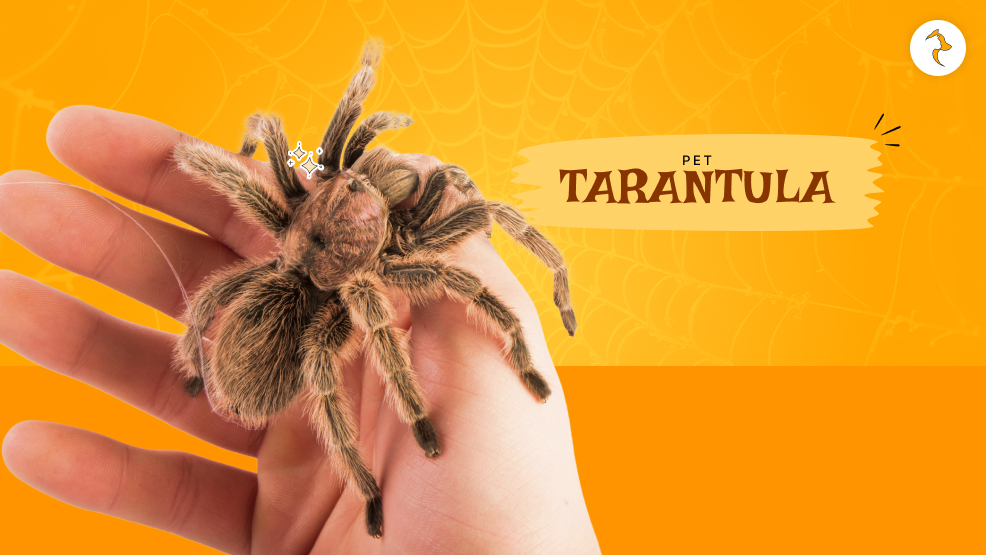
At some point in our lives, as we grow up, some of us try to look for pets that go beyond the cute and cuddly. We end up finding elegance in what used to be a nightmare.
This is exactly when you truly embrace the creations of Mother Nature. Hence, you finally realize what has always been shown in the scariest movies of childhood, with a jump scare, is the most mesmerizing creation of nature.
Many readers may be scared, but pet tarantulas are not uncommon among hobbyists, especially for those who can see the beauty beyond the regular and conventional.
However, caring for a Tarentula is not easy. This requires commitment, dedication, and appropriate knowledge.
In this article, we will learn how to take care of a pet tarantula in detail. We will learn about all the dos and don’ts, part by part.
What Should We Know About Tarantulas?
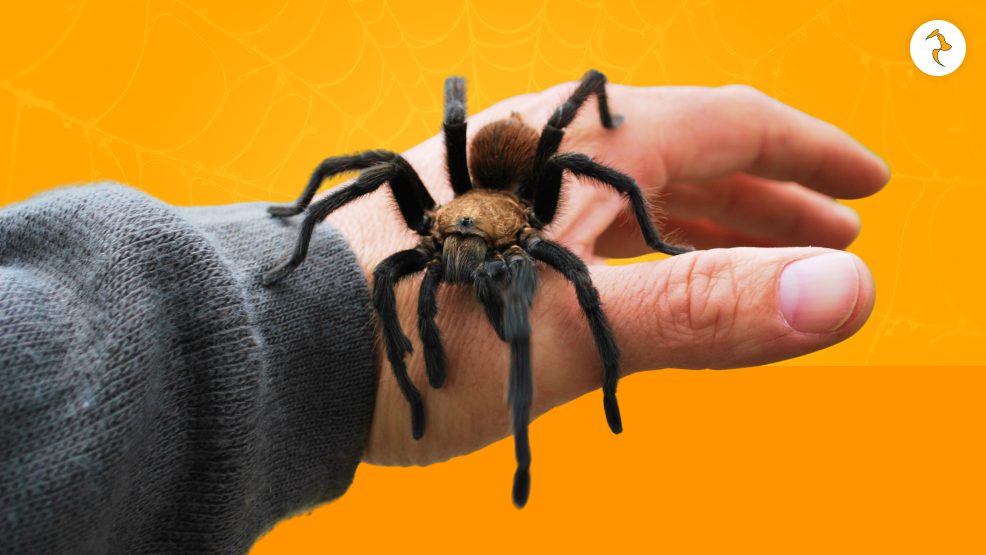
Keeping a pet tarantula is not similar to bringing home a puppy. Moreover, these pets require special attention and care.
Here are the things that you need to keep in mind when you bring home a tarantula.
1. What Are The Main Responsibilities Of Keeping A Tarantula?
Keeping Tarantulas comes with a plethora of responsibilities. Hence, you can not be an irresponsible person if you have brought home a Tarantula.
When you purchase an adult tarantula as a pet, it has to be at least 3-10 years old. Thus, you should handle your spider with respect.
Tarantulas generally live for long years when you take care of them properly. These spiders generally require relatively long attention.
However, you will have to dedicate yourself to caring for them for several years. Several people buy the spider out of fascination. However, they can not really care for them properly.
Hence, these people often end up releasing their spider into the wild. They should not be released into the wild when you can no longer take care of them.
Moreover, this might kill the spider or make it an invasive species, where you will leave them. Thus, they will ultimately harm the native fauna.
2. What Is The Natural Habitat Of Tarantula?
Many of us feel like bringing home a pet tarantula. However, it is important to know about the natural habitat of a tarantula.
Most tarantulas come from tropical regions. Thus, you should keep in relatively warmer places in your house. You should protect your pet tarantula during the winter.
They are generally warm, tropical, arid, and semi-arid climates. There are multiple species of tarantula, and hence they are found on different continents around the world.
They live in the deserts, scrublands, and rainforests. Depending on the diversity of continents and terrain, habitats change.
However, a warm climate is common among tarantulas worldwide.
3. Should You Handle A Tarantula?
Tarantulas mostly look large and sturdy. However, the large size of tarantulas makes them very delicate. Thus, you should never handle them.
A tarantula is not really like a spider. Thus, you cannot simply cuddle it or press its cheeks or belly as you do with the hamsters.
In particular, the exoskeleton of a tarantula’s abdomen is very thin and delicate. Thus, you should never take your pet tarantula in your palm.
As a result, if you drop the tarantula from a height onto the floor, it will smash its belly.
This will cause the tarantula to bleed to death. Hence, you should never handle your tarantula like how you handle your sugar glider.
There are some pets we do not really pet or cuddle. Just like you do not expect to cuddle your Ghost knife Fish, or Rainbow fish, or Angel fish in the aquarium, you should not expect to pet your pet tarantula either.
4. What Should We Feed A Tarantula? When Should We Feed A Tarantula?
You should feed your pet tarantula every once in a while, or twice a week. You should feed them while observing their hunger levels.
While people generally feed crickets to the tarantula. You should remove the crickets from the cage, as the crickets can kill the tarantula.
You can feed several things to your tarantula, like Dubai roaches, mealworms, and hornworms.
However, flies and crickets are better food than mealworms or the supper worms.
5. Housing Requirements Of Pet Tarantula?
Your pet tarantula does not require large cages. Hence, you can keep your tarantula in a small glass box.
Moreover, the tarantulas generally require smaller cages than the larger tarantulas. You should use sterile soil as the substrate.
Use the soil that you should use in your pot. Do not add any minerals. Moreover, the soil should be able to hold moisture.
To ensure this, add peat to help the soil retain moisture. Add some environmental enrichments. Moreover, this shall include the barks to climb on and something to hide under.
The plants are aesthetically appealing. Moreover, they have little to do with the spider. You should not add any cactus to a sharp plant that injures your spider.
6. What Are The Hazards Of Keeping A Tarantula?
There are several hazards of keeping a Tarantula that you should never forget. Tarantulas are generally wild animals. They have 3-4 sharp fangs that can cause severe pain.
Their predatory behavior makes them attack your hand as soon as you touch them. The calmest species can become very aggressive when threatened.
Hence, it is very difficult to move a pet tarantula when cleaning the enclosure. Remember, they are spiders. Hence, they tend to escape when they are handled.
Thus, it is better to make the transfer while keeping the box on the floor. Moreover, in this way, there will not be a chance of dropping your pet tarantula from your hand and causing harm to it.
7. Can Tarantula Bites Cause Pain?
Most species of tarantula have long and strong fangs that can easily penetrate human flesh. Hence, this shall cause immense pain to a person.
However, the bite of most tarantula species remains non-venomous to humans. These spiders have their venom gland in their chelicerae. Thus, the venom gland does not extend into their cephalothorax.
Moreover, they first pierce with their fangs and then later release their venom. Hence, the venom does not reach your body.
Thus, most of the damage is mechanical rather than chemical. However, it causes immense pain in your skin. However, the bite of most tarantulas is very similar to that of a bee sting.
Best Beginner-Friendly Pet Tarantula Species
Here are some of the most popular Tarantula species that you can make pets of.
1. Any Pinktoe (Avicularia) Species:
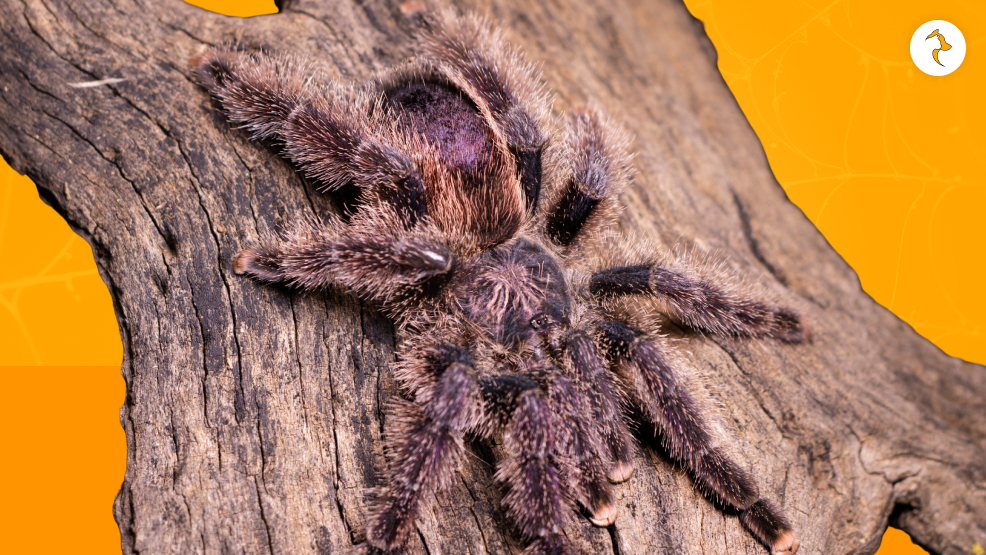
These spiders tend to be very gentle. All the variations within these types, like A. Urticans, A. Aurantica, and A. avicular.
These spiders tend to get inactive before they molt. Moreover, pre-molting. These spiders tend to be really calm and slow-moving.
However, they often make a quick run when you do not handle them properly. Thus, you should always be cautious while shifting them.2
2. Costa Rican Zebra
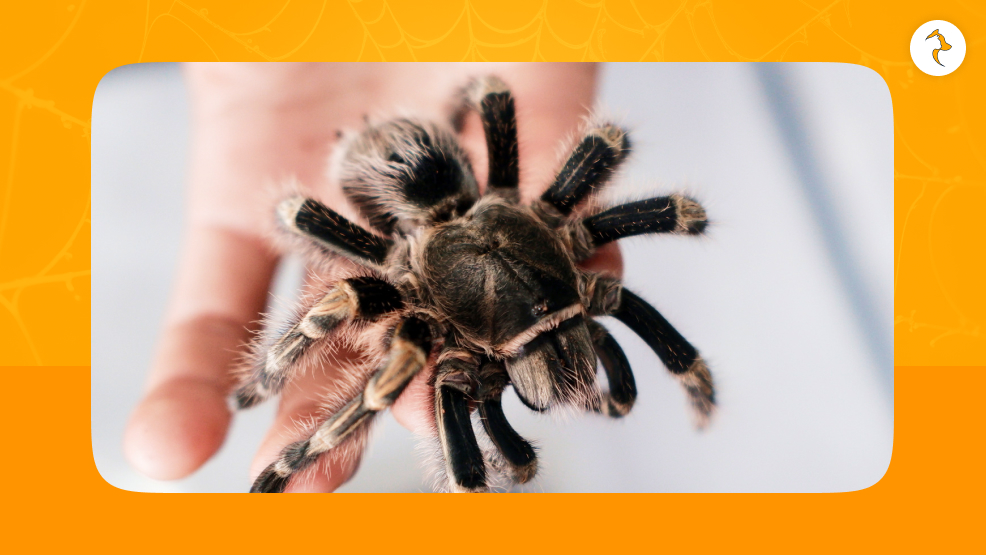
This is one of the best beginner-friendly spiders. They are fairly active. These spiders are terrestrial creatures.
These spiders do not cost much in any pet shop. The pet shops keep these spiders mostly available for adoption.
3. Honduran Curly Hair
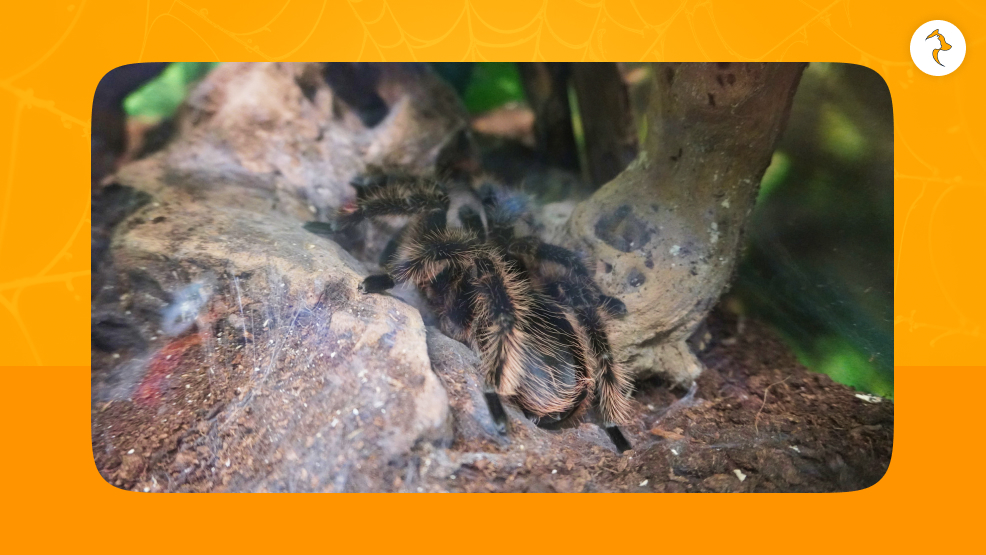
The scientific name of the Honduran Curly Hair is (Brachypemla albopilosum). This spider is great for first-time owners.
This tarantula is a terrestrial creature, and it remains active throughout. They are not so costly and are not really expensive at all.
Frequently Asked Questions (FAQs)
Here are the answers to some of the most commonly asked questions about pet tarantulas
Costa Rican Zebra and Honduran Curly Hair are two of the most beginner-friendly tarantula species. They are active and sturdy at the same point of time.
No, Tarantulas do like to be held. They often tend to run as soon as someone tries to hold them.
Moreover, this can cause them to fall from a height. This shall splash their belly and make them bleed to death. They have 4-5 fangs and can bite you hard to penetrate into your skin and flesh.
No, tarantulas do not have the brain complexity to bond with other creatures. They mostly operate on their instincts rather than on emotions.
Share







Leave A Comment