
Understanding Flowers Poisonous To Cats: Learn About The Flowers That Are Hazardous To Cats

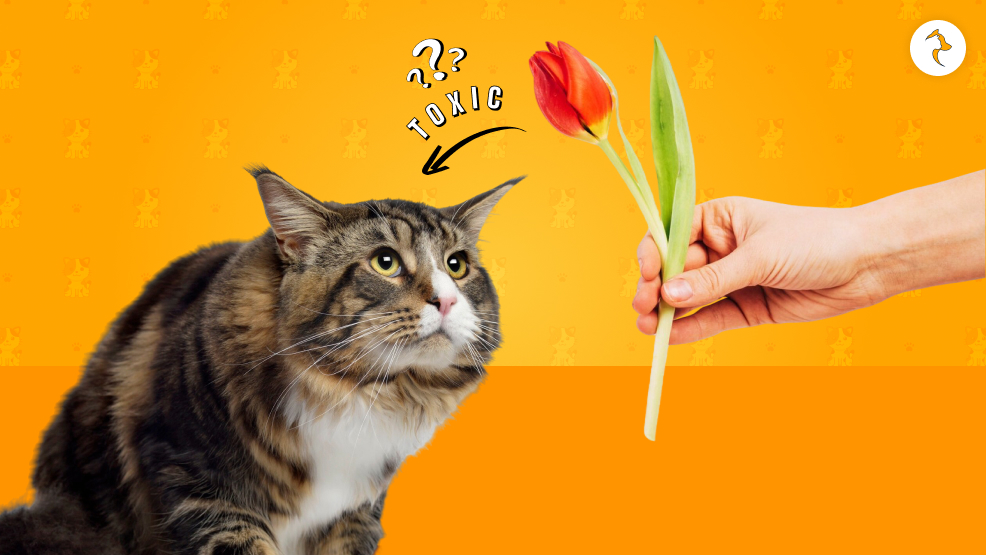
During this time of the spring and summer, you will find flowers on every corner of your house, balcony garden, and other places.
Many of us love to decorate our houses with some of the most incredibly beautiful-looking flowers. However, all cat parents should be very aware of things.
There are certain flowers that are very toxic to felines. Hence, a very beautiful natural decor at the house can suddenly turn into a terrible disaster for your fur baby.
In this article, we will discuss the cat-compatible flowers and the flowers that do not suit a cat. Hence, this will give you an idea about the correct choice of flowers for your house.
Which Flowers Are Poisonous To Cats?
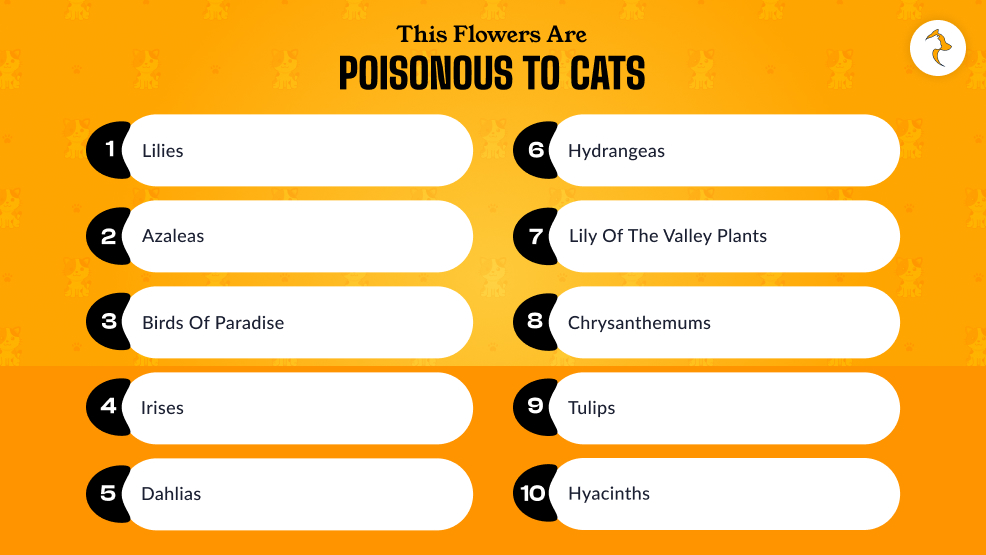
There are many flowers poisonous to cats. Hence, we have compiled some of the most relevant names.
1. Lilies
The lily is one of the most beautiful flowers and a symbol of spring. However, did you know they are terribly toxic for your cat?
Various varieties of lilies, including the Tiger, Easter, Red, and Stargazer. Day and Wood remain very unsafe for the cats.
The lilies are toxic to the cats. Moreover, the stems, buds, pollen, leaves, and petals are all toxic to the cat.
Thus, there is no single part of the flower that does not hazardous to the cats. Veterinarians often warn that even a tiny sip from a vase containing lilies can cause kidney failure in cats.
When cats get lily poisoning, they may experience vomiting, lethargy, seizures, and diarrhea.
2. Azaleas
The azalea belongs to the Rhododendron family. Thus, it is moderately toxic to the cats. But the vets still advise keeping these flowers out of a cat’s reach.
Cats tend to nibble on them. Long-term exposure to the plant can be very harmful to cats. All parts of the plant can make the cat sick.
However, the sickness should not be severe enough to cause clinical toxicosis. The symptoms of Azalea poisoning include things like vomiting, diarrhea, weakness, coma, hypersalivation, and others.
It can also cause central nervous system (CNS) depression and cardiovascular collapse.
3. Birds Of Paradise
The birds of Paradise are very mild in toxicity. But you should never take risks when you have a cat in your house.
You should definitely try to keep the furry felines away from them. The flowers and seeds contain tannins, which are very toxic.
In addition, the plant contains hydrocyanic acid, which is harmful to cats. When cats are poisoned by Birds of Paradise, they experience digestive issues and discharge from the eyes.
In addition, the cats suffer from several breathing issues. Labored breathing is one of the most common symptoms.
4. Irises
Iris plants are not very toxic, but they can cause severe discomfort for a cat. Iris plant toxicity can turn out to be something very serious when you leave it untreated.
All parts of the plant can be very dangerous to cats. But the bulbs can be the most fatal for the cats.
The symptoms of iris poisoning include abdominal pain, skin irritation, and diarrhea. The cat can also suffer from various other issues, such as vomiting, nausea, and mouth ulcers.
5. Dahlias
Dahlias are some of the most beautiful flowers in the world. These flowers are very popular among the plant keepers. However, they can be very toxic to the cats.
Dahlia poisoning can cause gastrointestinal issues and other symptoms like dermatitis.
6. Hydrangeas
Hydrangeas play a very important role in several arrangements sold in various grocery stores. The flower keepers prefer them for their gorgeous petals and pretty flowers.
However, hydrangea is pretty poisonous to various animals. These flowers have metabolites in them. This element is really toxic to the cats.
Most of the parts of the plant remain highly toxic. However, the parts of the flowers and stems can cause terrible damage to a pet.
Thus, you should immediately seek help from the vets when you find your kitty nibbling on Hydrangeas.
The major symptoms of hydrangea poisoning include exhaustion, depression, vomiting, and diarrhea.
7. Lily Of The Valley Plants
People often romanticize the petite petals on the overall dainty-looking plant. However, the plant’s beautiful flowers contain a lot of toxicity.
This plant is not as toxic as the Lily plant. But you should still not hesitate to take immediate action when your fur baby decides to take a bite of the Lily of the Valley plant.
There are multiple symptoms of the Liy of Valley poisoning. This includes diarrhea, vomiting, and a sudden decrease in heart rate.
In the worst cases, the cat can also get a severe cardiac arrhythmia.
8. Chrysanthemums
The Chrysanthemums contain pyrethrins. This is a common element used in dog shampoos. However, it is mildly toxic for the cats.
You should try to keep your pet cat away from them when you go out for walks with your cat. Some symptoms of crysanthemum poisoning include vomiting, loss of appetite, and diarrhea.
9. Tulips
Tulips are the second most popular flower in the United States. These flowers rank right after roses in terms of popularity.
Moreover, several parts of the flower remain very toxic to cats. But the bulbs are the most toxic part for a cat.
The symptoms of Tulip poisoning include diarrhea, vomiting, and lethargy.
10. Hyacinths
The Hyacinths are very fragrant and gorgeous. Moreover, they come in various colors, including pink, deep purples, whites, yellows, blue apricots, red, and lavender.
But these tall and dense flowers can be very toxic to cats. Inhaling them can cause terrible damage to a cat.
Hyacinth poisoning has multiple symptoms. Hence, these symptoms include things like lethargy, reduced appetite, diarrhea, vomiting, and others.
In severe cases, the cat can also start vomiting blood. In addition to these, the cat can also suffer from colic, weakness, drooling, and other conditions.
The cats can also face issues like tremors, labored breathing, and depression.
Things To Keep In Mind About Flowers Poisonous To Cats
Flowers look incredibly beautiful when we include them in decoration. But cat parents should keep in mind a few things.
Things can go really south when your cat ingests toxic flowers. You should always take your kitty to the vet when you think something like this can happen.
Frequently Asked Questions
Here are the answers to some of the most commonly asked questions about flowers that are poisonous to cats.
Lily is one of the deadliest plants for a cat. However, there are several other plants that can be equally toxic to cats.
You can always keep the cat safe flowers at your house. The cat-safe flowers include Sunflowers, Roses, and Orchids.
Cat-friendly homes does not have to be absolutely free of beautiful flowers.
Chronic Kidney Disease (CKD) is one of the worst silent killers for cats. Exposure to flowers like lilies can cause Chronic Kidney Disease in cats
Share







Leave A Comment